
Peak Expiratory Flow Rate Chart by Age and Height for Indian Adults
Oct 21, 2026
Peak Expiratory Flow Rate Chart by Age and Height for Indian Adults
Waking up to a sudden onset of difficulty in breathing for your parents was never a part of your morning plans. Mornings can be hassle free with a peak flow reading. With a simple reading you can monitor air flow from your parents lungs and can even detect potential issues by comparing reading to their previous peak flow readings.
Worsening lung symptoms can reduce airflow, making them feel unwell and potentially leading to serious illness. A peak flow reading can be a low reading due to impact of poor technique. Regular peak flow readings can help monitor severe symptoms, but they do not treat them.
What Is a Peak Expiratory Flow Rate?
Peak expiratory flow rate, or PEFR, is defined as the maximum rate at which air leaves your lungs after a deep breath. It is measured in L/min.
A peak flow meter only measures the PEFR. It performs no asthma diagnosis. It is used by the doctor along with many other factors including symptoms, medical history, physical examination and other lab tests.
Your reading can be influenced by:
- Age
- Height
- Gender
- Lung health
- Technique
- Time
- Exercise
- Smoking
- Respiratory illness
Due to these variations, there can’t be one peak flow number for all Indian adults.
Peak Expiratory Flow Rate Chart by Age and Height
Most peak flow meters include a chart for prediction of value based on age, height, and sex. Refer to the chart included with the device or the one provided by the doctor. Most online charts are generic, and use different populations. A typical Indian adult chart reading might not match the predictions based on different population data.
Here is how using surveyed age, height, and gender data relates to results in the reading.
There is no one single value that represents the adult Indian population in this writing because of the variable nature of the references.
| Age | Guidance |
|---|---|
| From age 18 to 39 | Adults of height 170 cm have recorded peak flow values that are higher than adults of height less than 170 cm. Compare values recorded on a meter specific to the adult’s sex. |
| From age 40 to 59 | There is a gradual relationship between age and decline in peak flow. For older adults, their “personal best” value becomes a more meaningful reference value than the reading of the general population. |
| From age 60 to 79 | Being older is not the only reason that may affect peak flow. Consider being older along with factors such as reduced strength and stiffness, presence of arthritis, and poor technique. Set the expected value range with the assistance of a doctor. |
| From age 80 and above | Use a personal peak flow value obtained when the person was stable to set the baseline. Do not make conclusions about lung health based on age and height. |
| Height | Guidance |
|---|---|
| 150 to 159 cm | Use the height band closest to the measured height. Avoid rounding height to several centimeters. |
| 160 to 169 cm | Refer to the sex specific device or chart provided by the clinician. |
| 170 cm and above | A taller person has the potential to record a peak flow value that is higher than a shorter person. However, the value must be compared to the person’s best. |
General Charts vs Personal Best
A personal best is defined as the highest recorded value within a controlled asthmatic or other similar breathing condition.
The doctor usually requests that the individual record their readings for the next two to three weeks. This is done by recording multiple readings at the same time of day, repeated daily with the same meter and technique.
The highest value of this recorded series is defined as the personal best. Further values are compared against this best value.
One general action-plan approach divides zones as such:
| Zone | Meaning |
|---|---|
| Green zone | The green zone is considered the zone of normal airflow. |
| Yellow zone | The yellow zone represents a reduced airflow and is a call to follow the action plan and seek advice. |
| Red zone | The red zone represents severe airflow restriction. |
These zones are vague. Your parent’s doctor will almost certainly set their own zones based on their specific condition.
How to Use a Peak Flow Meter
The most accurate peak flow reading is achieved by several readings performed at the same time of day, repeated daily for a period of two to three weeks.
- The marker on the peak flow meter should be moved to the 0 (zero) position.
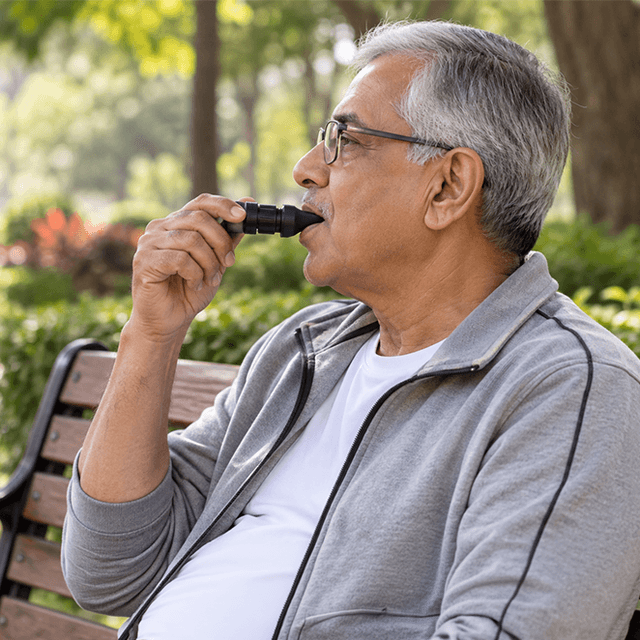
- Once sealed around the peak flow meter, take a deep breath and blow out once as fast and as hard as possible.
- Record the number.
- Repeat the test two more times.
- Write the highest of the three readings.
Do not average the three results. Follow all steps provided by the manufacturer for cleaning the mouthpiece. Keep the meter dry, and place it in a location your parent will use consistently.
Caregivers should avoid having the person blow into the meter repeatedly without breaks. A 30 second break between attempts should be sufficient. The test should be stopped, and the subject should be allowed to rest, if they begin to feel dizzy.
When Should Older Adults Record Peak Flow?
The doctor may suggest a reading once or twice a day. Some people read the meter in the morning before taking medications and at night. Others read the meter during symptoms or after exposure to known triggers.
Beside each reading, write the following information:
- Date and time
- Peak flow reading
- Cough, wheezing, chest tightness, breathlessness
- Medications taken
- Dust, smoke, cold air, and infections that may be causing symptoms
A written log will help the doctor note the symptoms. Even mild symptoms may interest the doctor, if there is a significant decline in the reading over time.
Choosing a Peak Flow Meter for Home Use
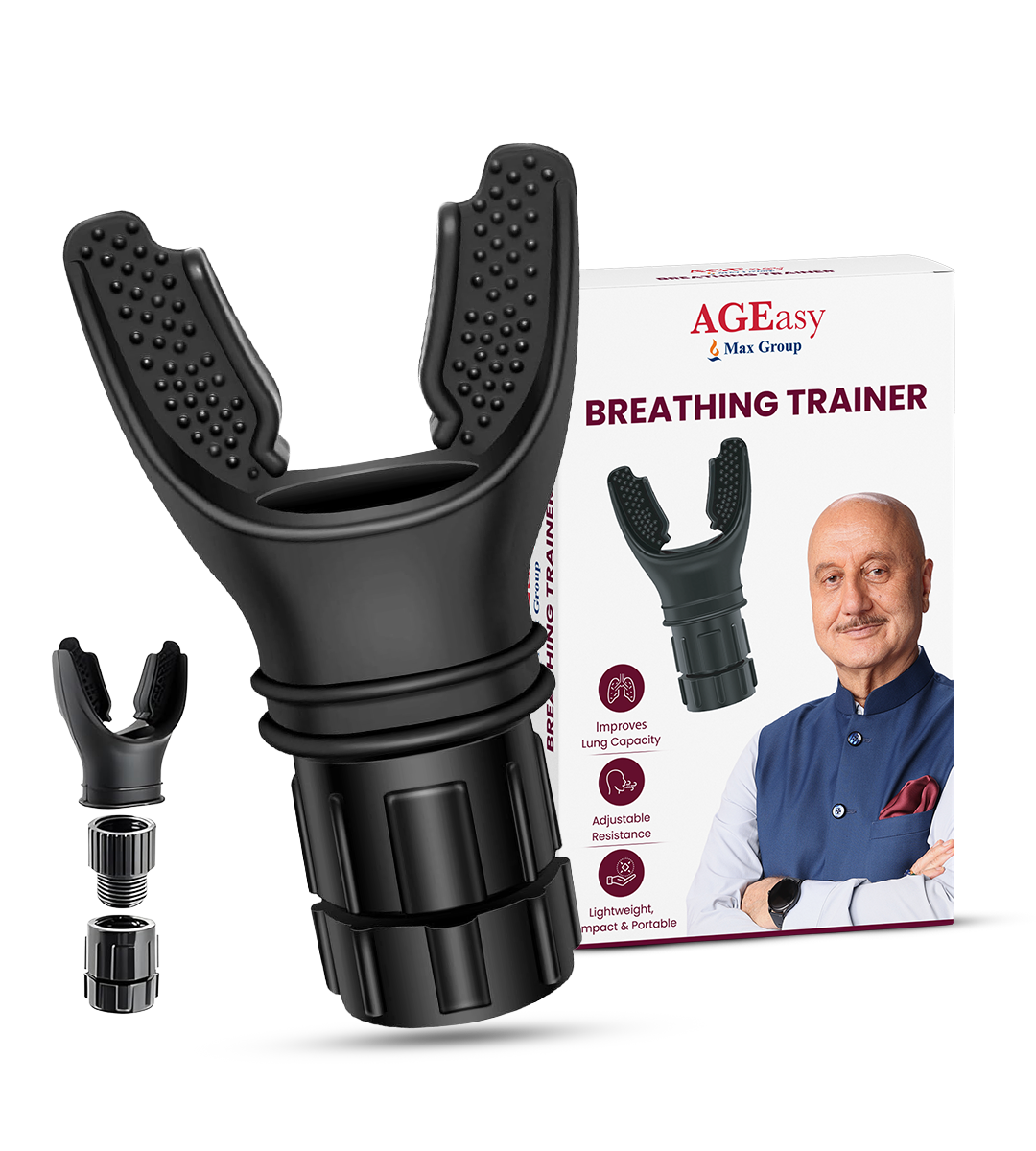
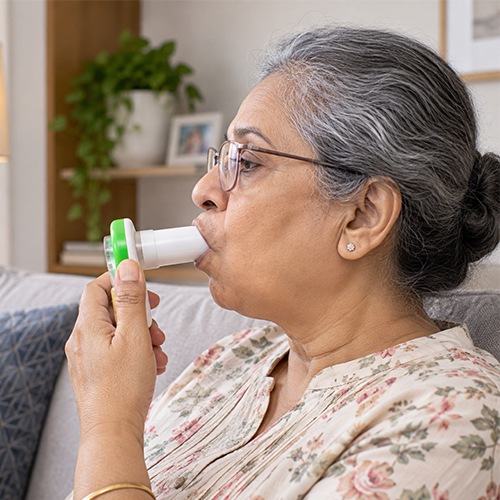
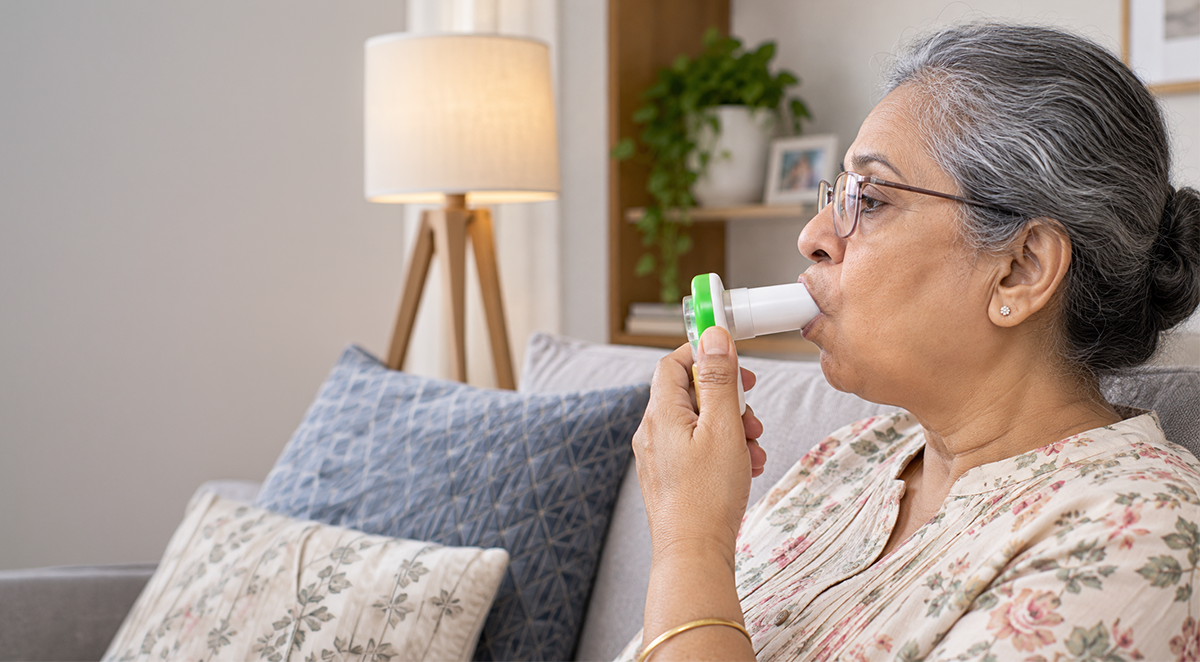
The meter should have a readout that is large and simple to read, and should be easy to hold, and be suitable for older adult hands. Older adults may need a meter that has large markings and a large clear mouthpiece, and a caregiver to assist them and ensure the proper technique is used until the caregiver gets used to the meter. The AGEasy Premium Peak Flow Meter is one of the home monitoring devices available.
Use the device based on instructions provided. The doctor/therapist should demonstrate the proper technique. The proper use and recordings are documented; however, the device should not be regarded as a substitute for a medical opinion.
Peak Flow Readings versus Oxygen Saturation
The 2 devices measure entirely different variables.
| Device | What It Measures |
|---|---|
| Peak flow meter | The velocity of air as it leaves the lungs, and thus, measures the degree of obstruction present in the airways. |
| Pulse oximeter | The percentage of the blood that is saturated with oxygen and the pulse rate, and does not measure the force of the person's exhalation. |
For example, a patient with worsening airway obstruction may have a low peak flow reading even if their oxygen saturation is normal.
Conversely, a peak flow reading indicating collapsing airways may occur in a patient who has normal oxygen reading. Medical advice should always be followed.
At What Point Should One Call a Doctor?
Contact a physician if a patient shows a variety of readings, or if a number of readings differ from the patient's usual baseline. Call a physician if your parent has new symptoms (such as wheezing) or old symptoms that have returned (such as fainting, nighttime symptoms, use of rescue inhaler, etc.).
How Caregivers Can Enhance Monitoring
To help your parent, keep the monitoring meter in the same spot to avoid any confusion. Encourage your parent to make a written or digital log. While you are there, also check the mouthpiece and marker. It is important to take the meter to your parent’s doctor appointments, so the doctor is able to assess your parent’s technique and review the monitoring data.
Please do not attempt to get your parent to “game the system” by trying to improve their monitoring meter number. A reading is an indication of health status and effort for the given day. Rest breaks should be supported and limitations should be accommodated. If challenges due to age or infirmity such as arthritis, tremors, poor vision or poor memory, make monitoring challenging, inform the doctor.
A peak flow meter is most useful within the context of a written respiratory action plan. The plan should indicate the person’s standard reading, the range of concern, the actions and medications to be taken, and who to contact in case of an episode that may become serious.
Disclaimer
This article is informational only and is not a diagnosis or treatment recommendation. Peak flow values can vary depending on age, height, sex, health issue, the meter used, and how it is done. Have a qualified healthcare provider set a personal best and action zone for your parent. Emergency care should be sought for rapidly worsening breathing symptoms.