
Breathing Exerciser for Seniors: Who Actually Benefits (Post-Op, COPD, Post-Pneumonia)
Oct 21, 2026
Breathing Exerciser for Seniors: Who Actually Benefits (Post-Op, COPD, Post-Pneumonia)
Introduction
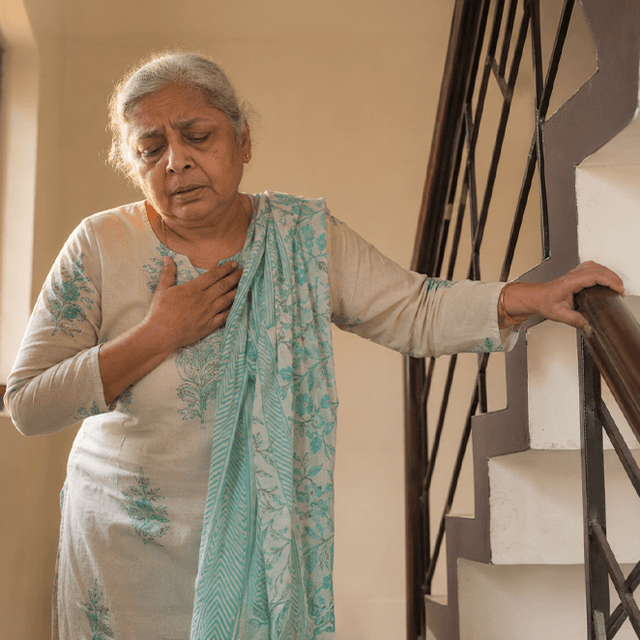
There is a strong incentive to create new devices when you see how your parent struggles to take a full breath after surgery. A breathing exerciser is simple but valuable for the reason, the patient, and their strength as well as the context in which it is used. It is used in the recovery process, but it does not heal all breathing problems.
Some seniors benefit after surgery because of pain and bed rest causing shallow breathing. Some people with COPD use breathing exercises to control their activities and breathlessness. Some people with pneumonia need gradual lung recovery, rest, and follow-up. The question should not be whether each senior deserves a breathing exerciser. The correct question is whether a doctor has suggested a reason, a safe method, and a goal.
What Is a Breathing Exerciser?
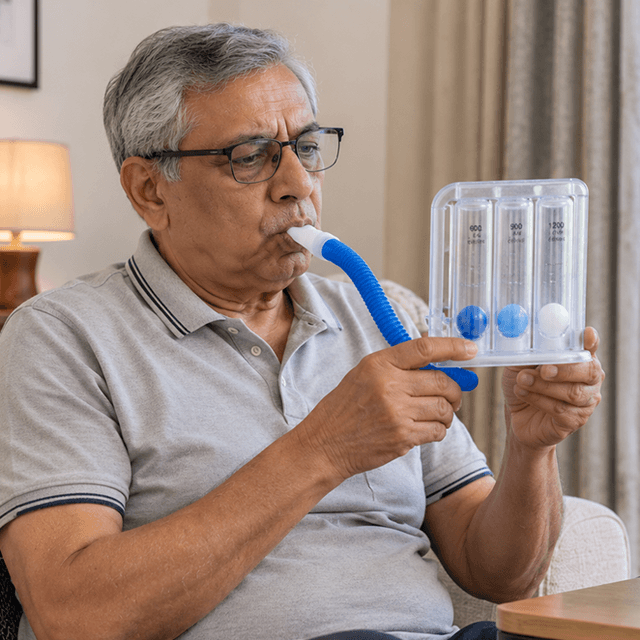
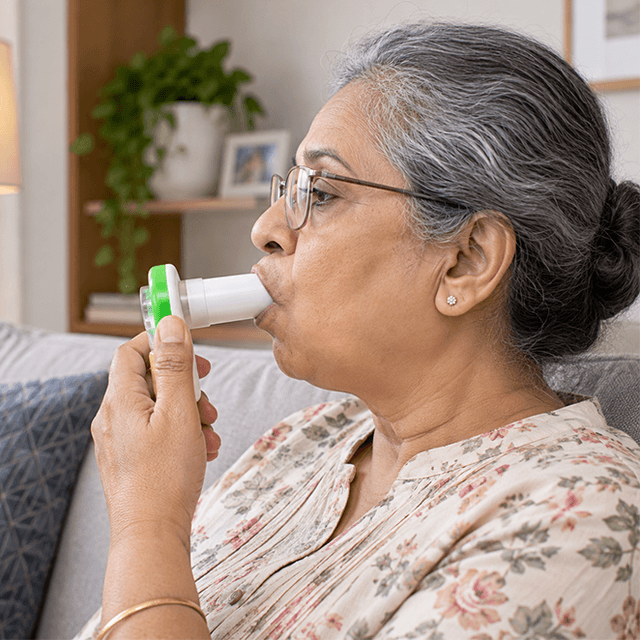
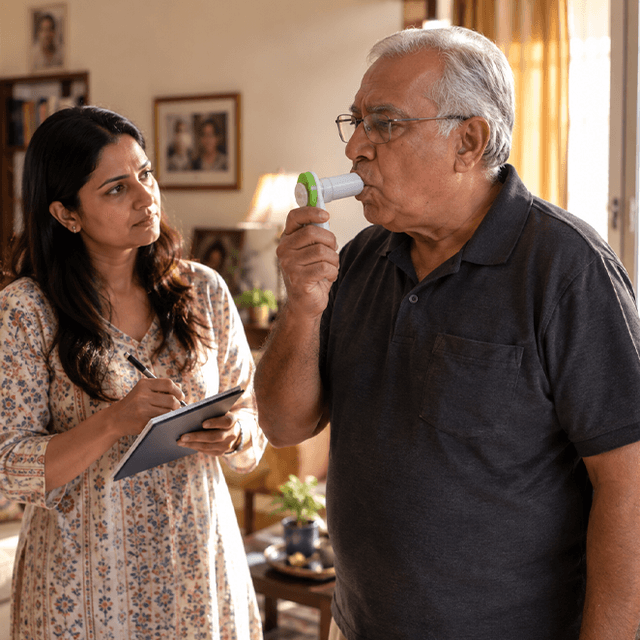
A breathing exerciser, also known as an incentive spirometer, is a device used to assist with drawing in slow, deep breaths. There are many models that provide visual feedback by either a marker or a chamber that moves. The exerciser is used by the patient by inhaling through the mouthpiece and reaching the goal level without haste.
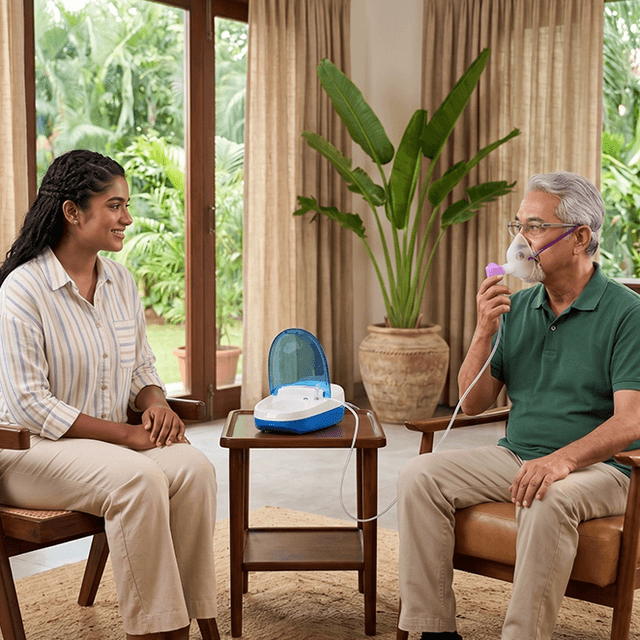
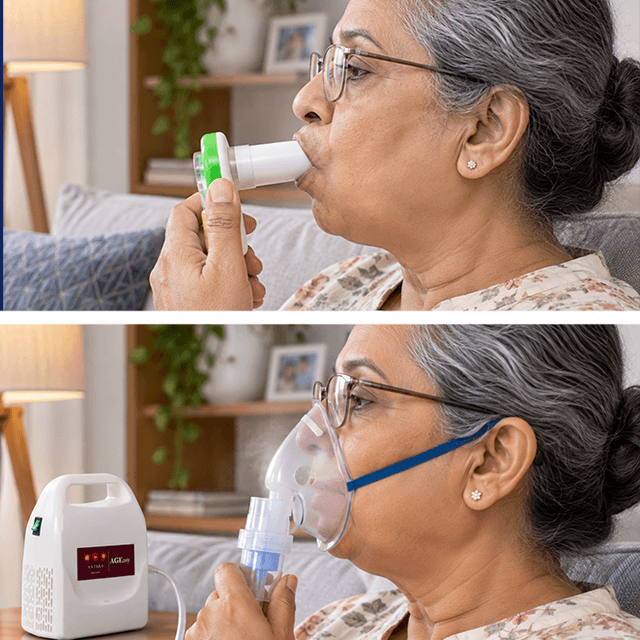
An incentive spirometer does not replace prescribed oxygen, inhalers, nebulizers, antibiotics, pulmonary rehabilitation, or emergency care. Its primary purpose is conditioning. It is used to aid the patient notice the depth of breathing and perform the exercises introduced by the health care professional.
Recovery and the Role of Incentive Spirometers
Doctors may recommend spirometry after some surgeries to encourage deep breathing, but its suitability depends on the patient’s condition and care plan.
Surgeries on the abdomen, chest, heart or orthopedic surgeries can limit movement and prolonged bed rest may lead to shallow breathing and are exacerbated by pain, anesthesia, and sedation. Incentive spirometers can help encourage deep breathing throughout the healing process.
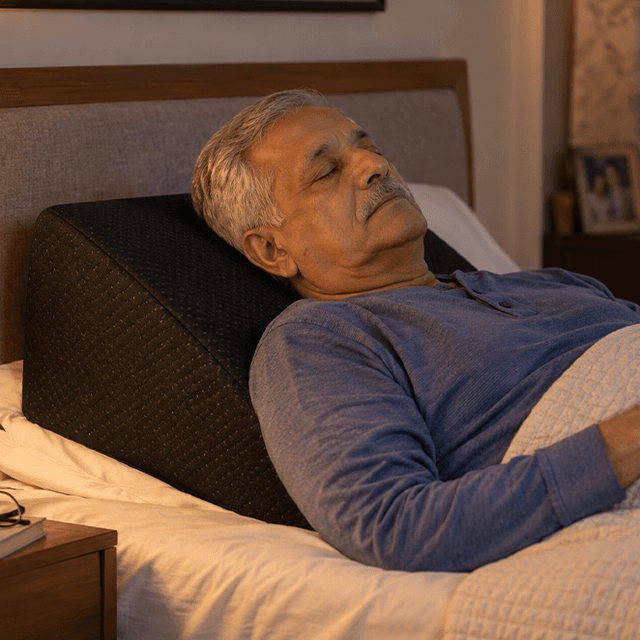
Incentive spirometers work best when the patient is somewhat alert and able to follow instructions, and has sufficient strength to create a seal on the mouthpiece. It should be used in conjunction with pain management, sitting up straight, walking when instructed, coughing techniques, and changing positions.
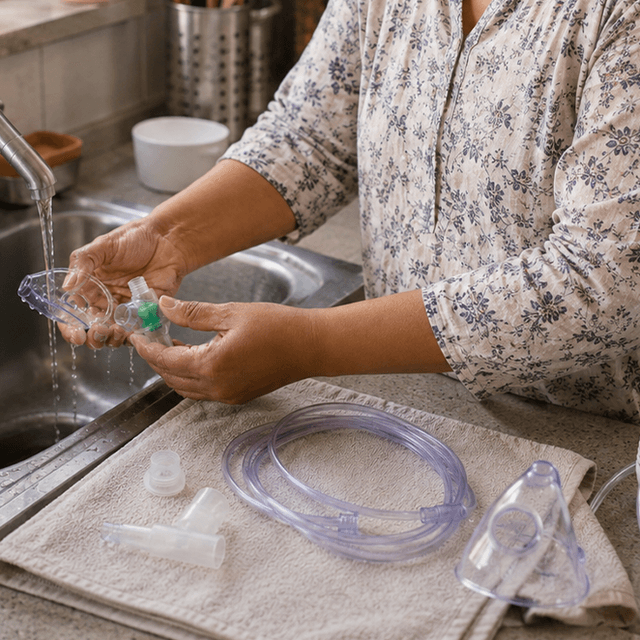
Sitting the patient up and keeping the device clean are caregiver responsibilities. The device should be used for slow, easy inhalations. If the patient starts to feel dizzy, develops chest pain, or shortness of breath, exercise should cease and the care team should be notified.
Incentive spirometers should not be purchased as a self-directed effort when the patient is too sedated to understand, too weak, too confused, or unable to follow instructions. Another breathing technique can be used instead if the patient is not ready for that level of participation.
Breathing Exercises and COPD
Breathing exercises post-surgery differ from COPD-related breathing exercises. Many COPD patients learn breathing exercises like pursed lip breathing and diaphragmatic breathing via an occupational therapist or as part of a pulmonary rehabilitation program.
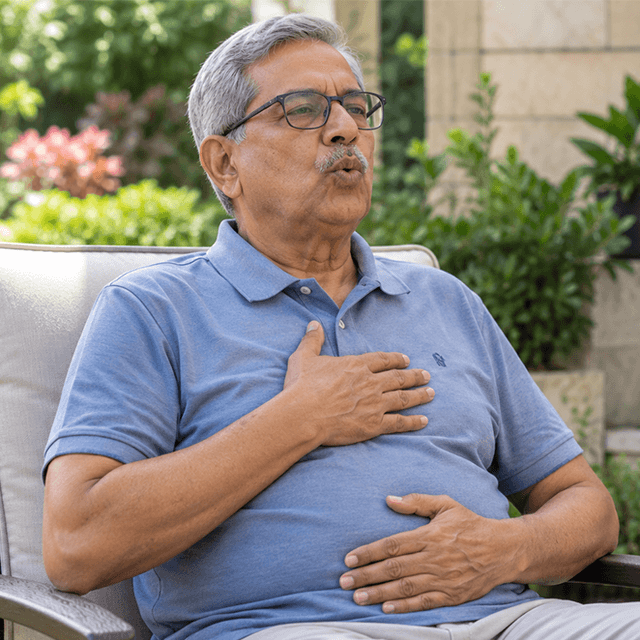
Pursed-lip breathing is a technique of taking a slow breath with the mouth pursed and the breath released from the nose. Slow breathing is useful for keeping a steady breathing pace during movements like bathing or walking. Diaphragmatic breathing focuses on the movement of the abdomen, however it might not be as helpful or even uncomfortable to some.
An incentive spirometer is one of many COPD devices that are not meant for all. Some elderly patients who have COPD are prescribed one for a reason other than COPD, such as surgery recovery. Others will benefit more from a personalized breathing plan along with therapies, prescribed medications, pulmonary rehab, vaccines, nutrition, and routine activities.
Talk to your respiratory therapist for the reasons why your doctor prescribed the device. He or she should also have instructions on how often the patient should use it, the optimum level to use, symptoms that warrant stopping use, and the patient’s overall status. Record your breathlessness, changes in activities you can do, severity and type of sputum if your care team asks you to monitor your status at home.
Who Benefits After Pneumonia?
After pneumonia, older adults have weeks of fatigue and shortage of breath. Healing from pneumonia also depends on many other factors such as presence of other long-term lung issues, strength, nutrition, sleep, and presence of complications. A breathing exerciser is also part of recovery after treatment of pneumonia.
The device cannot determine whether pneumonia is improving or has healed. Seek immediate medical care if fever returns, shortness of breath worsens, confusion develops, the lips or face turn blue, chest pain or fainting occurs, fluids cannot be tolerated, or oxygen levels fall below the doctor-set threshold.
Encourage fluids based on the senior's medical plan, and ensure adequate food and book follow-up appointments.
How Caregivers Should Choose and Use One
First, consider the clinical reason. Do you want to use the device for post-operative lung expansion or to support another clinical reason? Is use of an incentive spirometer justified in this case? A device purchase without instructions may not be justified and may create either frustration or false reassurance to the senior in the senior's longest challenging condition.
Consider the mouthpiece, markings, and attached instructions. The senior requires a model that is comfortable to hold, easy to clean, and preferably lightweight. A caregiver should help with the routine only after receiving clear instructions from the care team. Do not push the marker by blowing into the device. The goal is a controlled inhalation.
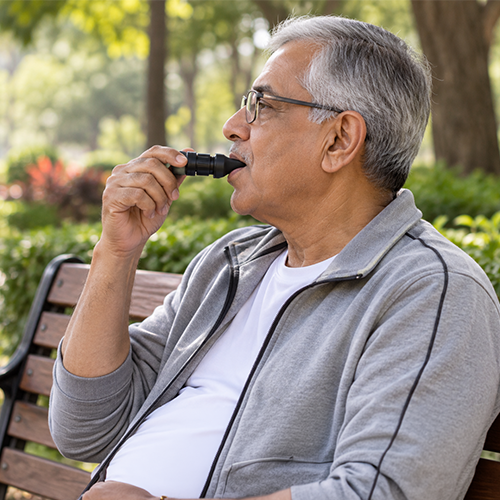
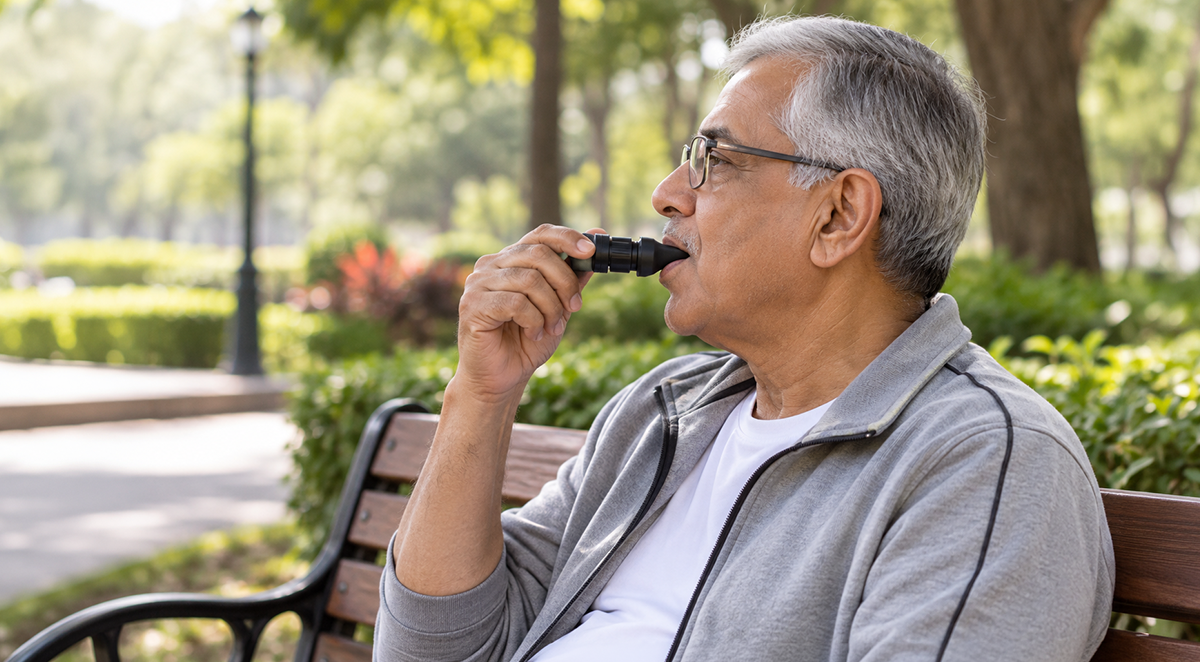
Choose a quiet time when the senior is alert. Sit up straight with relaxed shoulders. Seal the lips around the mouthpiece, breathe in slowly, and hold according to the doctor’s instructions. Then uncover the mouthpiece, breathe normally and rest. Practice only when instructed to do so.
AGEasy products may supplement some aspects of the home-care routine and will not replace the respiratory treatment. For instance, an AGEasy pulse oximeter could assist doctor-directed monitoring of saturation levels, if home readings are part of the care plan. It is a supporting aid and is not intended for diagnosis. Consider the senior’s previous readings, symptoms and advice from a health professional in conjunction with the reading. Based on a reading, do not alter oxygen flow, adjust medications or adjust the target of the activity.
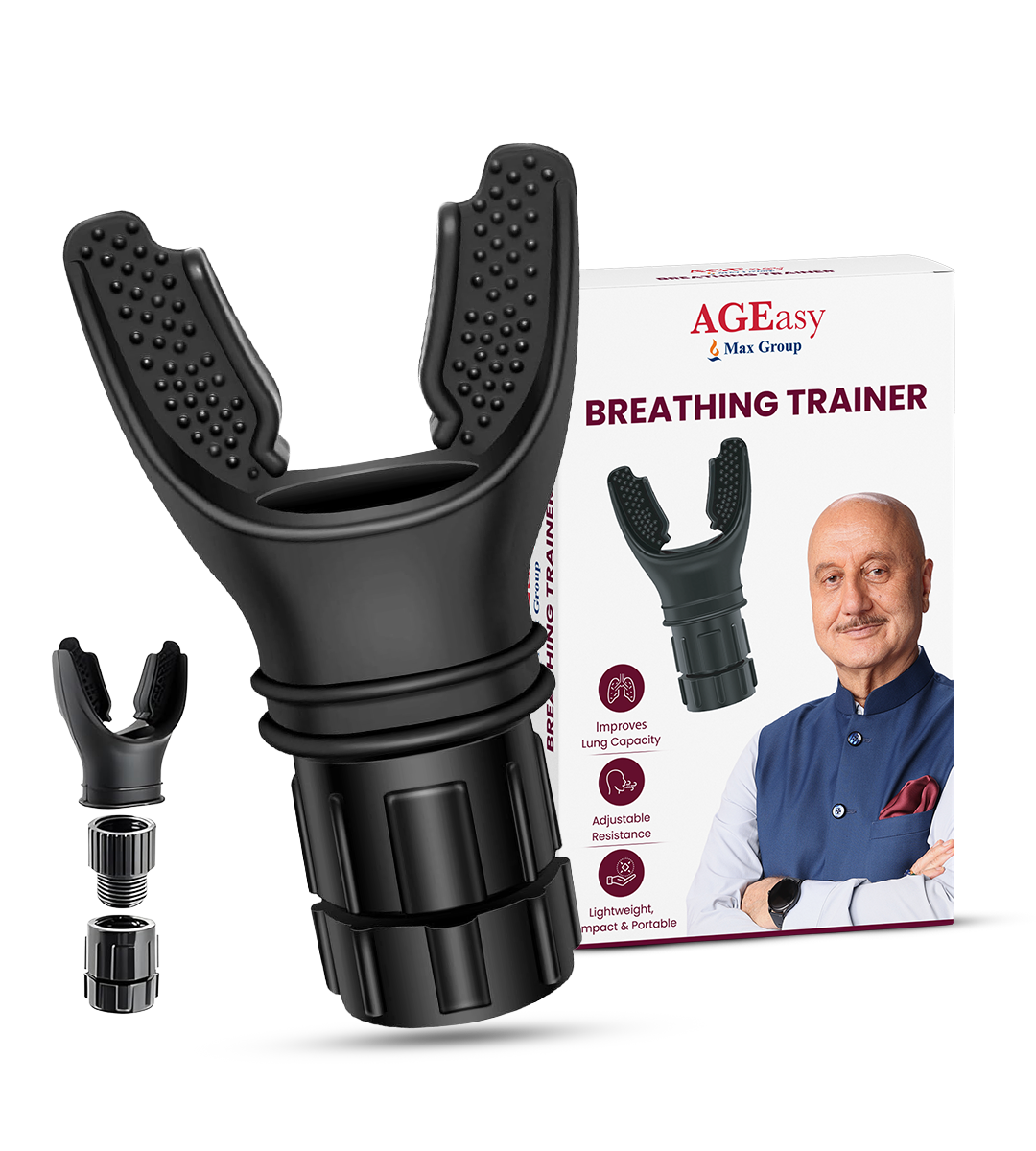
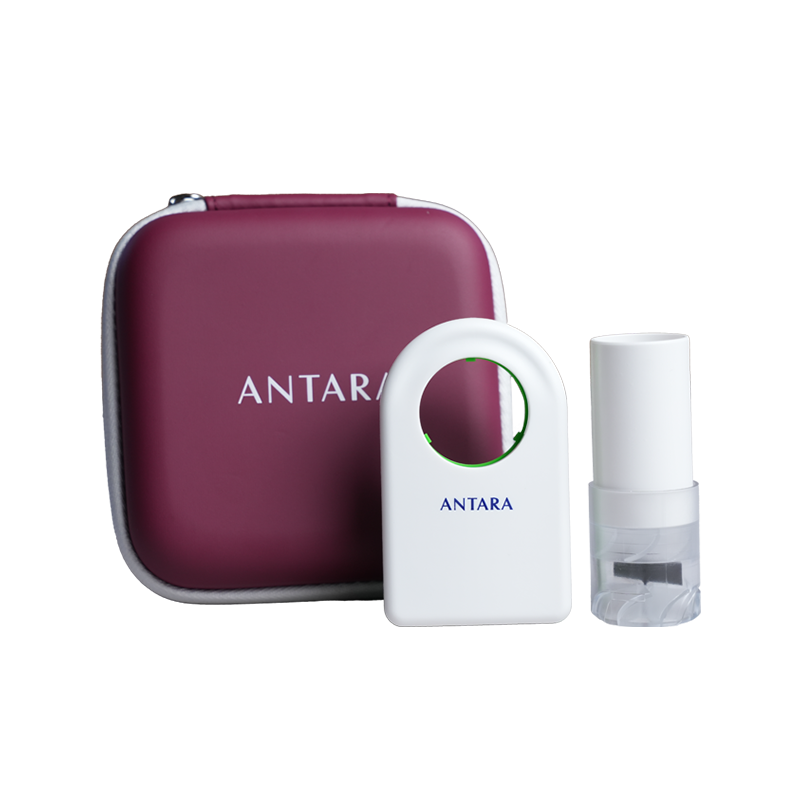
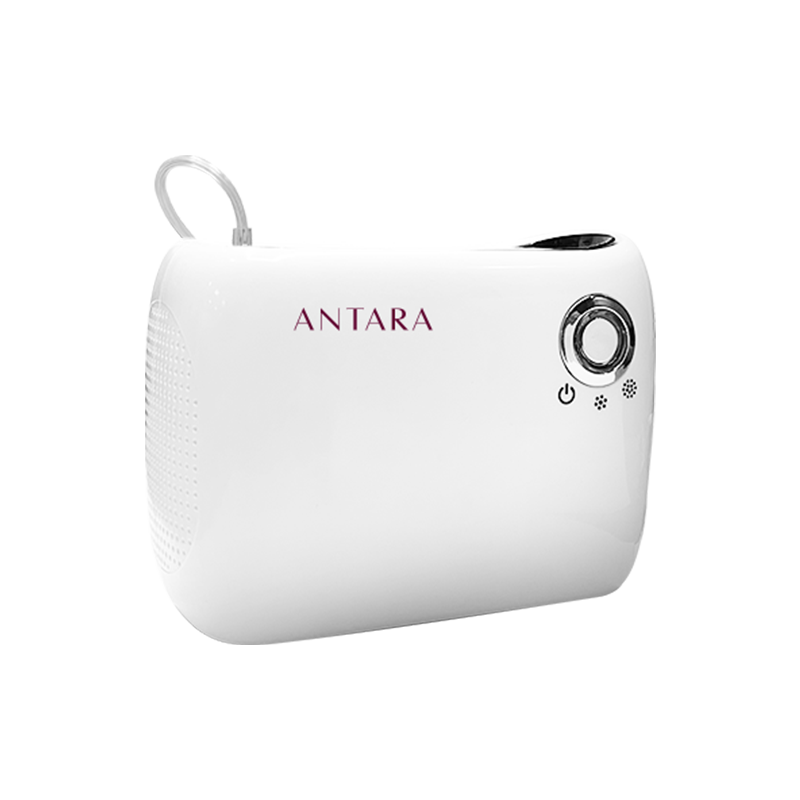
A breathing exercise device requires a level area of the bedside table. You can also check out the AGEasy Breathing Trainer to help your parent get back to their natural breathing state.
When to Seek Medical Attention
If any of the following situations occur, contact the care team: worsening breathing, dizziness caused by exercise, sputum that becomes discolored or present in greater amounts, a return of the fever, increased difficulty with normal activities, or any change in the senior’s breathing, activity or overall health. Seek medical care immediately if the senior shows signs of severe disease, such as a severe allergic reaction, extreme confusion, chest pain, falling, or severe difficulty breathing, marked restlessness, or visible struggle to breathe.
A reading by a pulse oximeter that is below the set level by the health professional, along with breathlessness, confusion, or extreme sleepiness, requires an urgent response according to the senior’s action plan. The target ranges are different for different clinical diagnoses and different persons.
A Convenient Solution for Families
After surgery, many senior patients make good use of prescriptive incentive spirometer devices. For people with COPD, an individualized breathing plan and pulmonary rehabilitation may be more appropriate than an incentive spirometer. However, in other clinical cases, a breath control exercise would still make some sense. After pneumonia, a breathing device may or may not be appropriate; the patient’s doctor should determine whether it is needed. However, all the other pneumonia management strategies would still need to be implemented.
For adult children and caregivers, having a single, straightforward conversation with the surgeon, physician, nurse or physiotherapist is the safest option. Once purpose, technique, schedule, cleanliness, and tracking of warning signs are clarified, device use should be easy for the senior.
Disclaimer
This page is general health information for caregiver use. It does not diagnose, treat, or prevent disease. A breathing exercise program and breath control device should not be used after surgery, during a COPD surge or after a bout of pneumonia, unless approved by a qualified health professional. Immediately seek emergency medical treatment for severe or rapid breathing difficulty.