
Sinusitis Amongst the Elderly: Why It Develops and Lingers and When Steam Isn’t the Answer
Oct 21, 2026
Sinusitis Amongst the Elderly: Why It Develops and Lingers and When Steam Isn’t the Answer
Sinusitis Amongst the Elderly: Why It Develops and Lingers and When Steam Isn’t the Answer
Sinusitis doesn’t always go away when the cold does.
The cold has passed. The fever is gone. But your nose is still blocked, pressure is building around your face, and the cough keeps coming back.
You try steam. Then you try it again. But the symptoms still won’t let up.
It’s easy to assume sinusitis is just a stubborn cold that needs a little more time. Sometimes, though, there’s more going on.
Sinus passages can become swollen and stop draining properly. Ongoing inflammation can keep symptoms around. Allergies or underlying nasal problems may also be contributing. In older adults, these issues can sometimes make recovery slower.
That’s why managing sinus symptoms isn’t only about finding temporary relief. It’s also about understanding what’s causing the congestion, knowing what steam can and can’t do, and recognising when symptoms have lasted too long.
Not every blocked nose needs antibiotics. But persistent sinus symptoms shouldn’t always be managed at home indefinitely either.
This guide discusses what could potentially prolong sinusitis symptoms, why it may be more persistent in older adults, what limits steam treatment, and how to determine when seeking medical care is warranted.
Why Sinusitis May Last Longer in Older Adults
Sinuses are air-filled spaces around the nose, cheeks and forehead. They produce mucus that normally drains into the nose. When the lining becomes inflamed, the drainage openings can narrow. Mucus then becomes trapped, creating pressure and congestion.
For some older adults, this process may take longer to settle because of several factors.
Slower recovery and reduced mucus clearance
As one ages, the body's natural ability to clear mucus from the nasal passages decreases. This leads to some individuals being unable to completely clear mucus and therefore, continuing to suffer the symptoms of a stuffy nose even when the cold begins to improve.
This doesn’t mean that lingering symptoms will always be sinusitis. Post-viral cough, dry air, side effects to medicines, allergies, and other similar situations can cause similar issues.
Irritated Nose
Dust, pollens, mold, smoke and strong fragrances can irritate the nose and swell the mucous lining in the nose. If allergies aren’t controlled or addressed, then sinus symptoms will continue to come back.
Indoor heating or air cooling, and especially in dry climates can lead to dry air and irritated nasal passages.
Structural Nasal Problems
Deviated septums, nasal polyps and narrowing of the nasal cavity can block and obstruct drainage and become worse with infection.
Other Health Conditions
Many older adults may have Asthma, Chronic Lung Diseases, Diabetes and Immunocompromised diseases. Many medications also dry up the nose further.
For all of these reasons, a blocked up nose can’t always be treated the same as for everyone.
Symptoms of Sinusitis
Some symptoms of sinusitis include:
- Blocked or stuffy nose
- Runny nose or drainage of thick mucus flowing down the back of the throat
- Pain or pressure in the cheeks or around the eyes, forehead
- Poor sense of smell
- Persistent dry cough, especially at night
- Pain or pressure in the face
- Headache, feel of heaviness in the face, with or without fever
- Fatigue, trouble sleeping
Facial pressure gets worse with forward bending. However, sinusitis cannot be confirmed with facial pain. There are many other conditions (such as migraines or dental pain) with symptoms that mimic facial pain.
It is a concern if symptoms get worse, or if they do not improve and come back.
What Steam Does and Doesn't Do
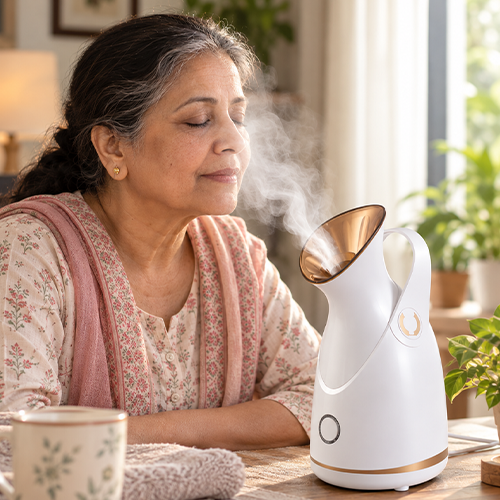
Warm and moist air will feel better and provide some relief for breathing. It can make mucus runny. It can help treat a dry and irritated nose and throat. It can also make it easier to clear mucus and phlegm from your nose.
Steam does not provide a cure for sinusitis. It just provides some relief from the symptoms for the time being.
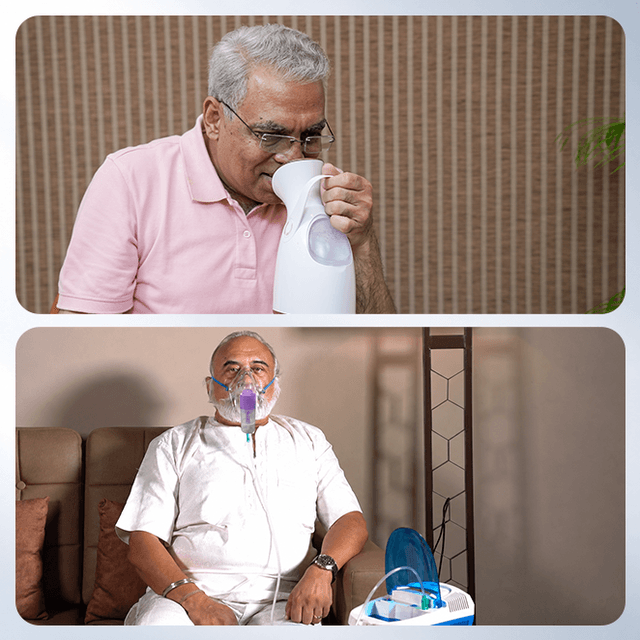
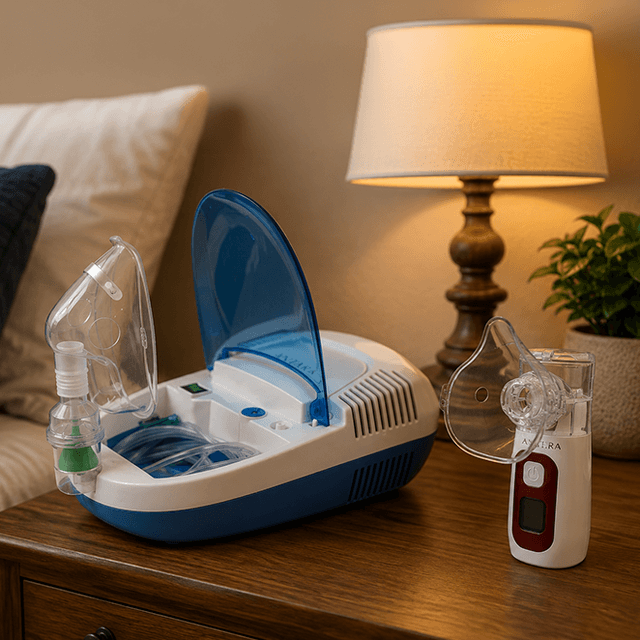
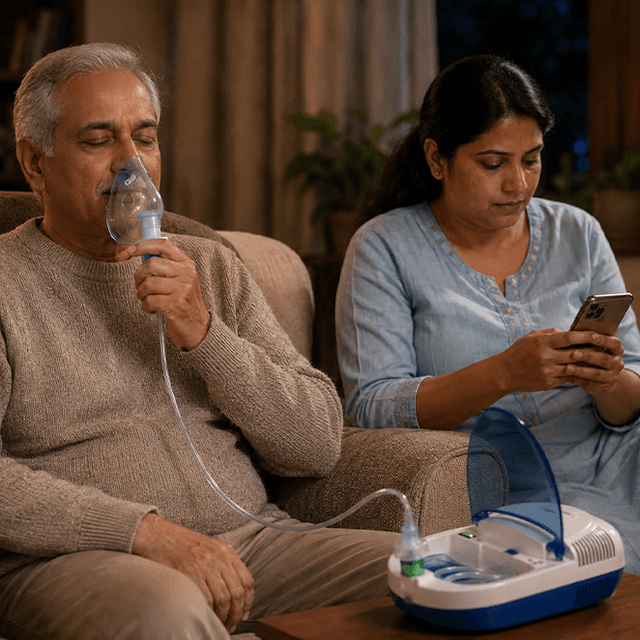
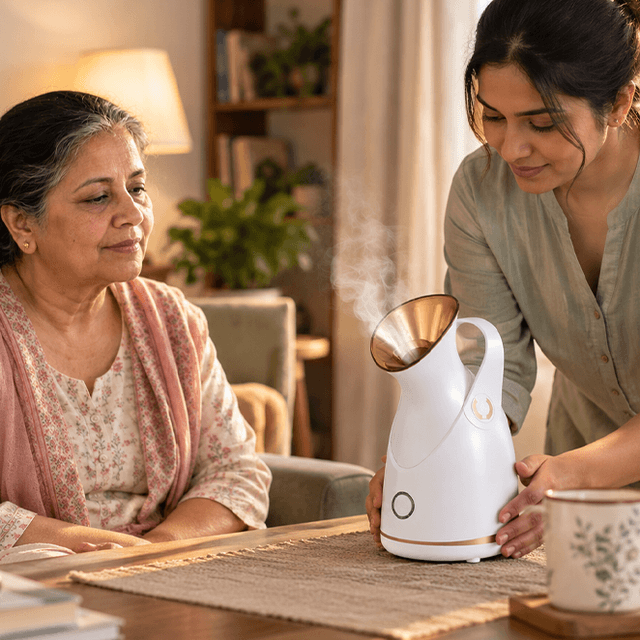
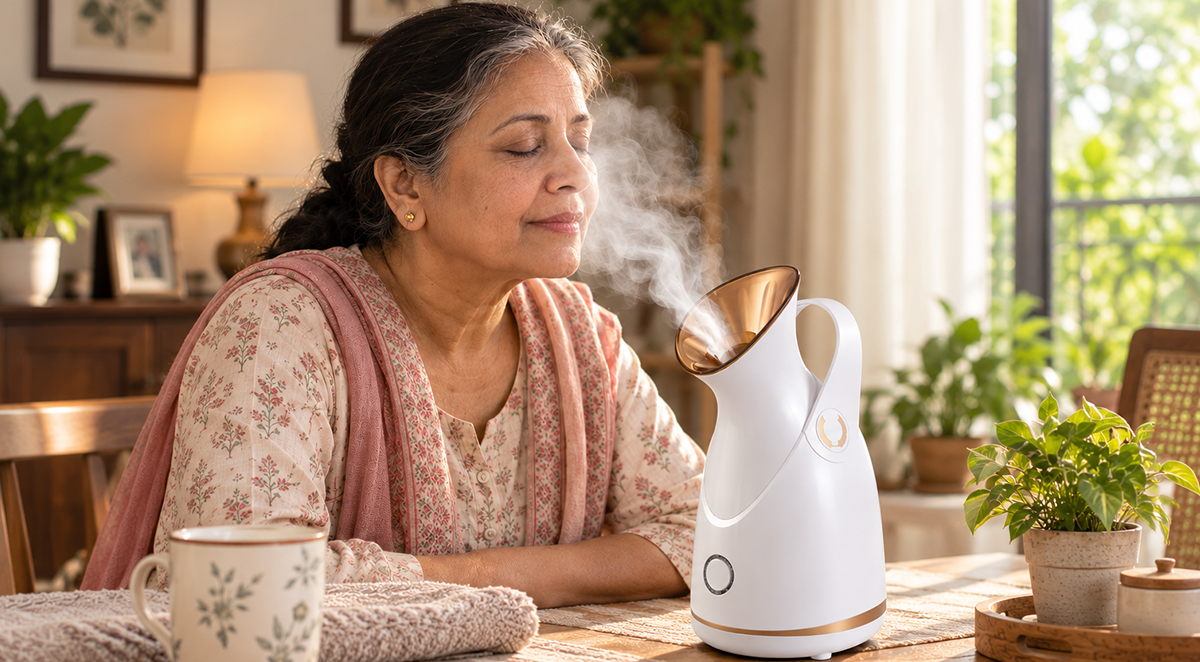
There is also a safety concern. Bowls of boiling water can easily spill causing serious burns. Older adults with poor balance or slow reaction, poor eyesight or reduced sensitivity in their hands, may be the hardest hit. A better option than bending over a bowl of hot water might be a safer device with clear instructions and an automatic shut-off feature.
Using a Steamer Safely at Home
Steam relief provides temporary comfort, but should be used with caution:
- Use no more than the recommended amount of water.
- Use a level surface.
- Sit back and keep well away from the steam outlet.
- Do not use a boiling water bowl where there are children or pets or who have a tendency to fall.
- Steam should not be used to treat symptoms that are severe or persistent.
- Clean and dry the water tank when directed to do so.
- Don't add substances unless directed to by the manufacturer. Do not use a steamer as a substitute for medical advice and treatment for severe or persistent symptoms.
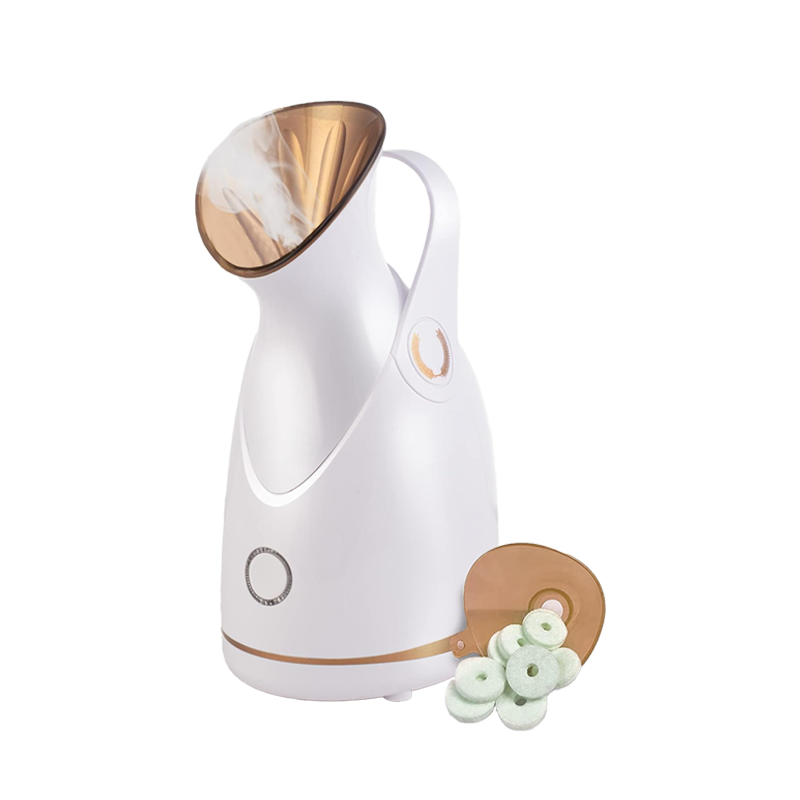
Those seeking a steaming device for everyday use will appreciate the AGEasy Advanced Multi-Functional Steamer as it has features like 'nano steam' and a diffuser tray as an automatic shut-off system and steam production in 30 to 60 seconds.
These features may make routine use more convenient, but the steamer must still be used in accordance with the instructions. The steamer can only be used for symptom relief and should not delay an evaluation if symptoms do not improve.
Other Possible Measures That May Help
Steam is only one of many measures that can be used for symptom relief. What a healthcare professional recommends will depend on what the cause of the symptoms are.
Saline nasal rinses or sprays
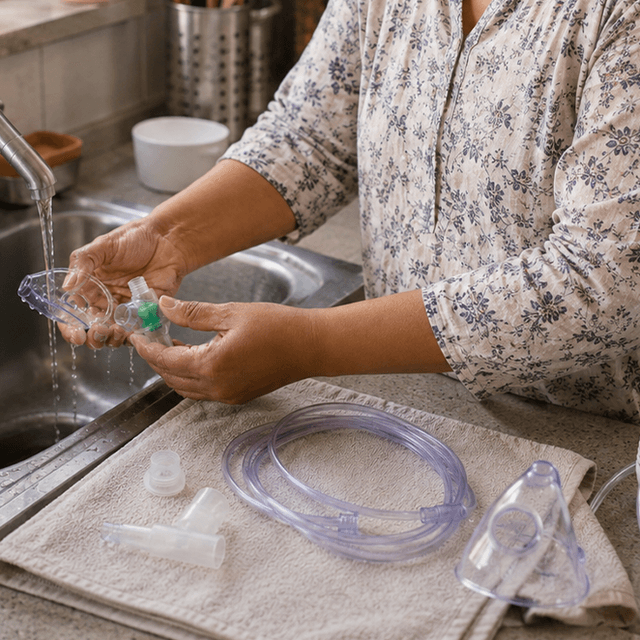
Saline can help to moisten and relax the nasal cavity and clear nasal passages. When using a nasal irrigation device, it is important to use either distilled, sterile, or previously boiled and cooled water, and to ensure that all parts are cleaned. Those with swallowing disorders, chronic nasal disorders, or repeated nose bleeds should check with their doctor before performing nasal rinses.
Fluids and rest
Symptoms of illness can be relieved by resting and staying hydrated. Warm liquids may help to soothe an irritated throat.
Managing the indoor environment
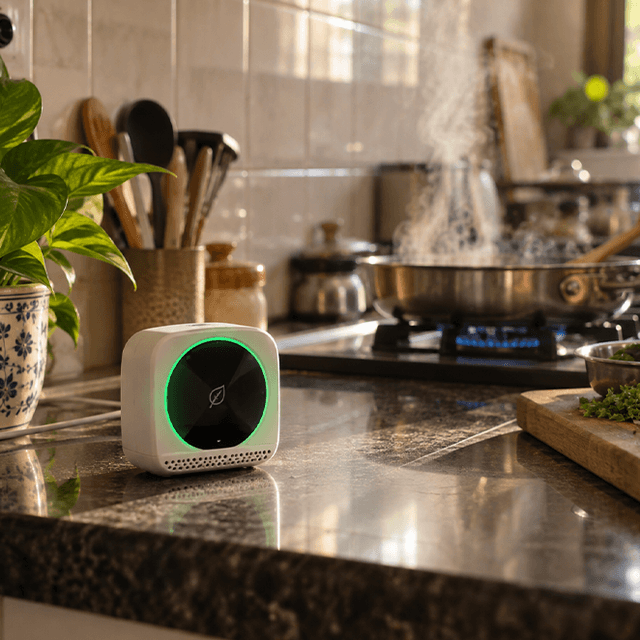
There are many factors inside our environment that we cannot control, such as smoke, dust, and scents. To avoid these, the best this can be done is by reducing exposure to them. If your indoor air is excessively dry, it is advised to use a humidifier, only after cleaning it thoroughly, in order to keep dry indoor air comfortable. However, too much humidity in the air can encourage the growth of mold and should be avoided.
Treatment of allergies as needed
If symptoms are caused by an allergy, a clinician or pharmacist can advise on how best to manage the symptoms. Older adults especially should check with their health care professional before starting a new medication if they suffer from, or are being treated for, multiple health conditions.
When Steam Is Not Enough
Medical care is warranted if the symptoms last more than a week or if they return, especially if they disrupt sleeping or eating. Also, symptoms that interfere with other activities of daily living should be evaluated and care sought.
Speak with a healthcare professional if:
- You have symptoms that don't get better after 10 days.
- Your symptoms get better and then get worse.
- You have facial pain, swelling or pressure that is severe.
- You have persistent nasal discharge that is getting worse.
- Your cough is bothering or waking you at night.
- You have a high fever that isn't going away.
- You have sinus symptoms again and again.
- You have diabetes or a weakened immune system.
- You have a serious, chronic illness.
If you have swelling or redness around your eye, if anything changes with your eyes, or if you have severe headaches, confusion, stiff neck, or if your breathing gets worse, and especially if any of your symptoms are getting worse very quickly, get medical care right away.
Do You Need Antibiotics?
Probably not. The majority of the time, sinusitis gets better on its own. Antibiotics are not going to help with viral infections and can lead to issues and antibiotic resistance.
Antibiotics tend to be prescribed when the doctor thinks a bacterial infection is more likely and when the symptoms, exam findings, and history of the patient all point to a bacterial infection. Always avoid taking medications that weren't prescribed to you like leftover antibiotics.
Decongestants carry risks for many people. They may interact with your medication, elevate your blood pressure, or change your heart rhythm. Be sure to talk to your doctor or pharmacist before using them, especially when older.
The Bottom Line
There are many reasons why sinusitis may happen after a cold or may not get better after a cold. It may be due to swollen nasal passages, trapped mucus, allergies, or other causes. Just because you're taking steam doesn't mean you're addressing the cause of the sinus infection.
A steamer could be a useful addition to your daily at-home-care routine. However, if your symptoms are worsening, if you experience repeated episodes, or if your symptoms are unchanging, it’s vital that you get checked by a medical professional.
Symptom relief is important. However, the underlying cause is of most importance.