
Blocked Nose at Night: 7 Fixes Ranked From Free to Rs 2,000
Oct 21, 2026


Blocked Nose at Night: 7 Fixes Ranked From Free to Rs 2,000
A stuffy nose makes a restful night impossible. Your older parent may be waking up with a stuffy nose, dry mouth, or noisy breathing.
Night-time congestion can be far more complicated than a late-night cold. Lying flat can make swelling worse. There are many factors that can lead to nighttime congestion, including dust, allergies, medications and nasal polyps. A stuffy nose should be addressed if it keeps coming back or starts negatively affecting your parent's ability to get enough rest.
Start with these simple strategies. Step up the strategies if none of the previous ones provide relief.
1. Add Support under the Head when Sleeping
Cost: Free
To relieve congestion, avoid lying flat on your back. Lying flat also causes the mucus to pool toward the back of the throat, causing coughing and mouth breathing.
Use a wedge pillow or an extra pillow to elevate the upper back and head. Do not bend the head and neck forward. Just elevate the upper body.
Before a caregiver places the parent in an elevated position, it should be checked that the position is stable. Some older adults may slip down and fall as a result of balance issues. Wedge pillows with a washable cover offer better support than pillows.
Try this for the next 3 days and see what happens:
- How long does it take your parent to wake?
- Notice if mouth breathing reduces.
- If the throat clearing/coughing reduces.
- If neck/shoulder pain appears.
For many, elevation of the head is the first method of choice, even though it does not cure the cause of congestion.
2. Use a Saline Nasal Spray or Rinse
Approximate cost: Rs 100 to Rs 300
Moisture thins thick mucus and irritants and clears mucus. A saline spray is easier to use than a nasal rinse for the elderly.
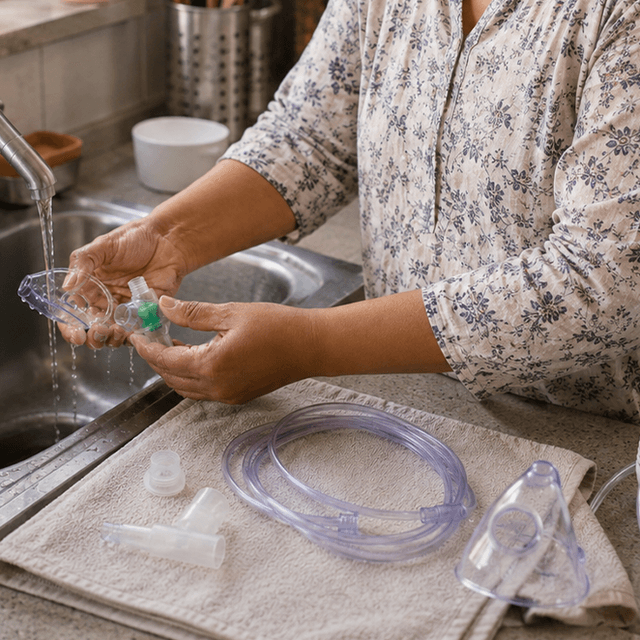
A nasal rinse bottle provides a deeper clean. Use only distilled or previously boiled and cooled water. Follow the instructions on the product label. Clean and dry the bottle after every use. Do not share nasal devices between family members.
For your parent, lean over a sink, open the mouth and breathe throughout the process. Discontinue if the rinse causes pain in the ear or discomfort.
Since saline doesn't have a decongestant, it does not cause the rebound congestion associated with the use of some medicated nasal sprays for an extended period of time. However, a doctor or pharmacist may wish to review the decision if the parent regularly has nosebleeds, has had recent nasal surgery, or has severe nasal congestion.
3. Alter Bedroom Climate (Humidity)
Rs 0 to Rs 500
Irritated noses are often caused by dry air. This is most noticeable in winter or during the night when air conditioning is used. Avoid direct face contact as this can also cause irritation. Keep water within easy reach.
Keep a water bowl away from a heat source. Also, if you use a humidifier, clean it regularly as dirty humidifiers can cause illness as they grow mould and bacteria.
If mould is present, allergy symptoms may worsen, so it may be worth testing for mould in the room.
4. Lessen Dust and Bedding Triggers
Rs 0 to Rs 800
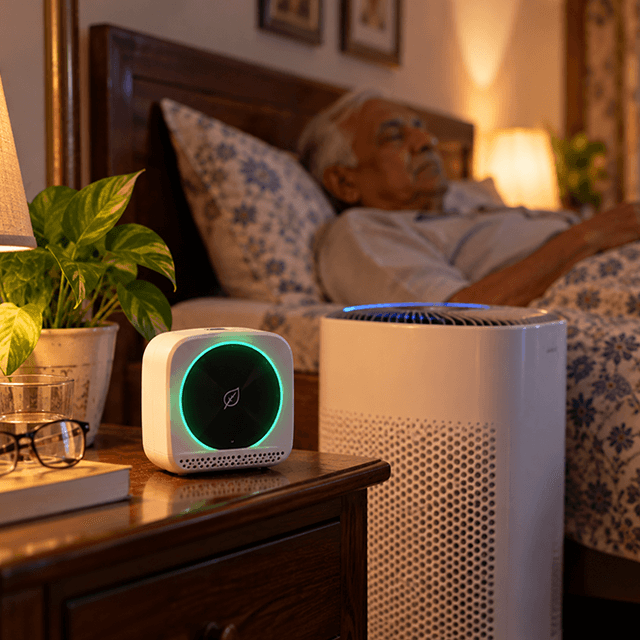
Blocked nostrils at night can be caused by bedroom allergens such as dust mites, mould, dander, fragrances, and harsh cleaners. Wash your bedding and pillow covers once a week in hot water and be sure to dry them completely before reusing them.
Take away all unnecessary bedside decorations. Additionally, move all pets away from your parent's bed.
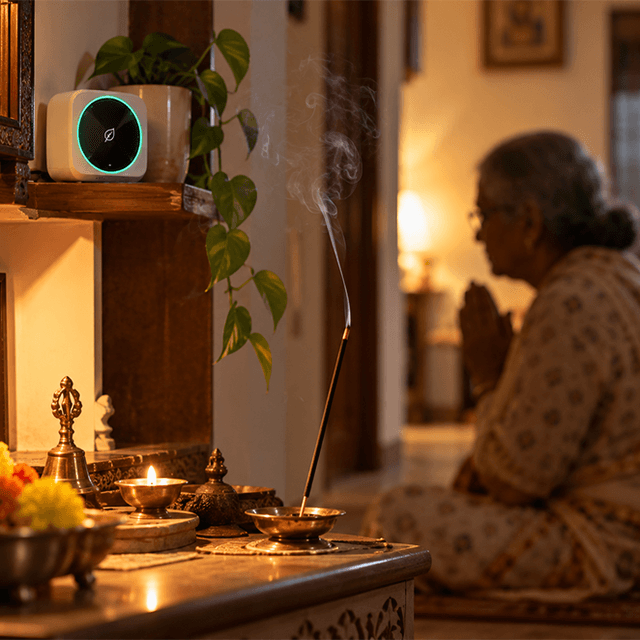
Do not use incense, mosquito coils, air freshener, or strong fragrance spray in the bedroom. They emit airborne chemicals and result in irritated nasal passages.
Try to determine whether your parent sleeps better in a separate room. to relieve their symptoms of congestion. It is the least expensive and the most informative way to decide how to best address the congestion.
5. Be Safe: Use Moist Heat
Cost: Rs 0 to Rs 1,500
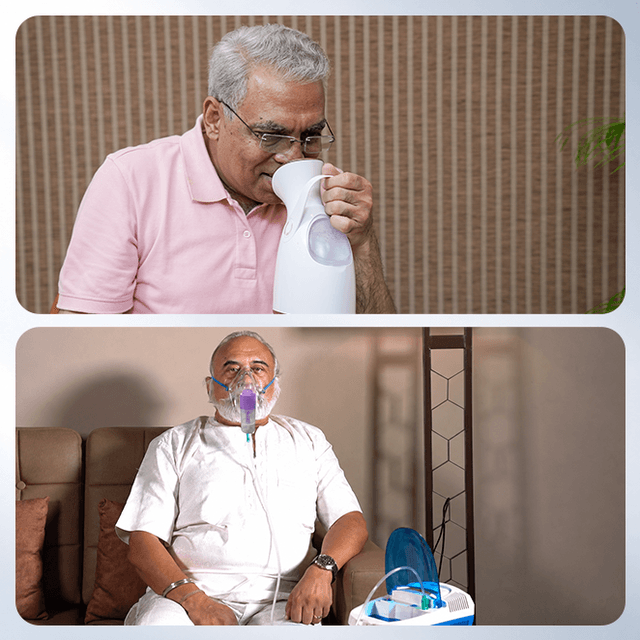
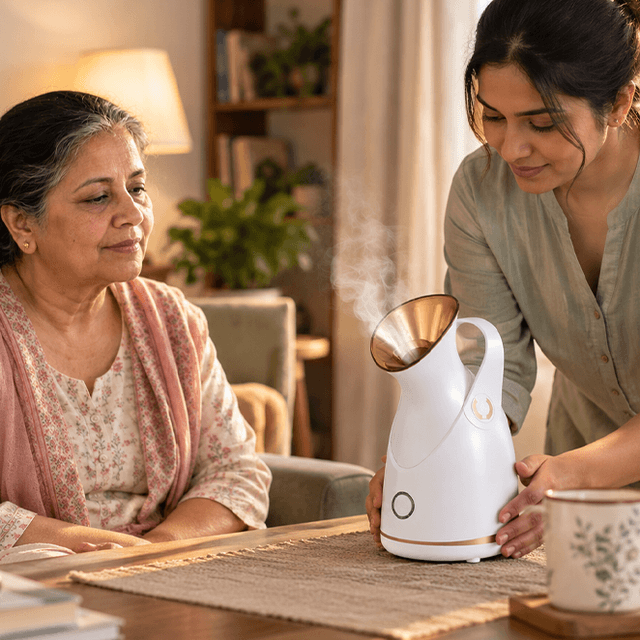
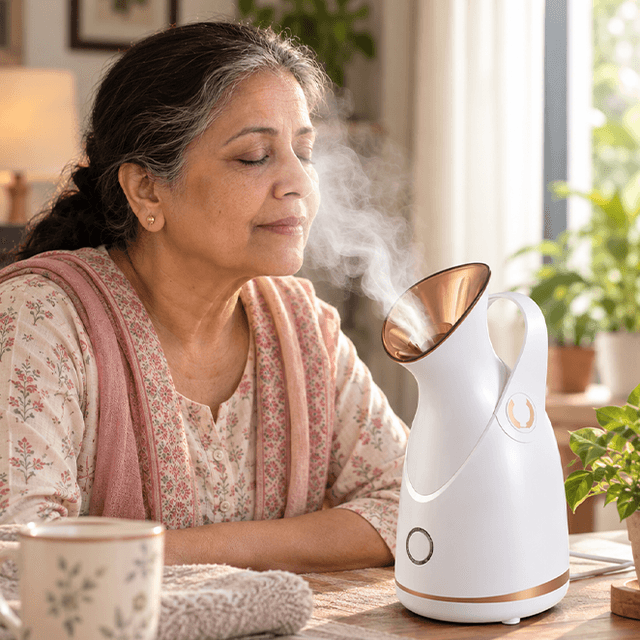
Thick mucus is temporarily soothed by the application of moist heat before bed. A warm shower is less risky than holding your head over a pot of boiling water. Getting steam burns is especially dangerous for older people if someone has reduced sight, balance, or hand strength.
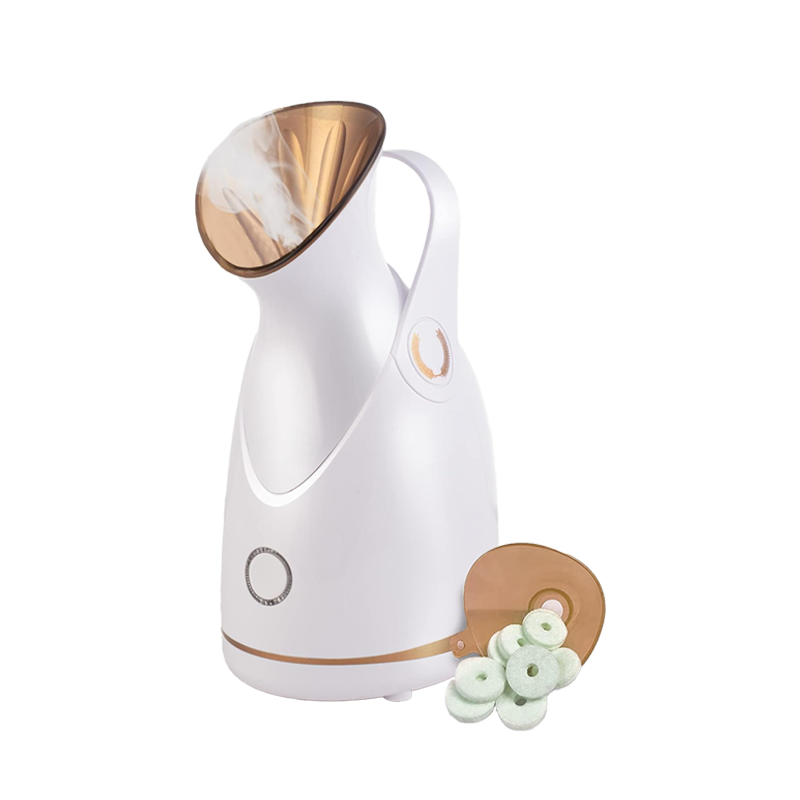
If a facial steamer is used, please follow the instructions and do not cover your head with a towel while the steam is escaping. Be sure to stand further away from the unit than suggested. Stop the process immediately if symptoms of overheating, dizziness, or breathlessness occur.
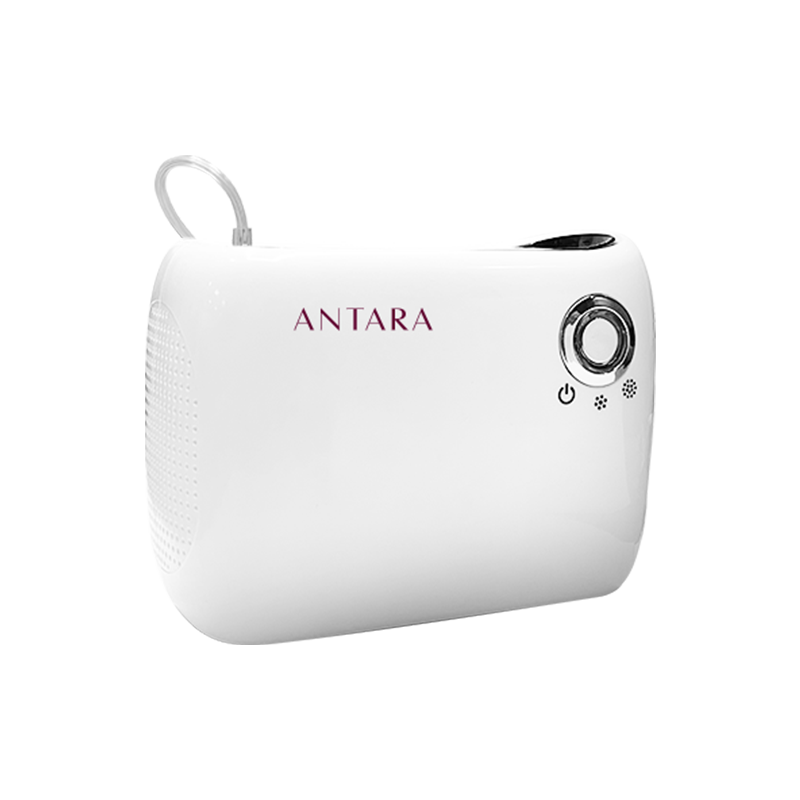
The Advanced Multi-Functional Steamer by AGEasy is one of the child-safe models that caregivers can review to consider bringing a steamer to use in the home environment. Safety features, instructions, cost, and effectiveness should all be reviewed before buying any unit. A steamer is not a replacement for medical care or treatment, and it only provides temporary relief.
Do not put any essential oils, camphor, or any other substances unless a healthcare professional provides guidance. Fragrant oils can worsen symptoms by causing irritation to the airways, asthma attacks, and eye and skin irritation.
6. Review Medicines and Consider a Doctor-Approved Nasal Spray
Cost: Rs 200 to Rs 1,000
Some medicines might make your nose dry or congested. For some people, prescription medicines like blood pressure medications or sedatives may also become a breathing comfort issue. Never stop taking your medicines without the doctor’s instructions.
Allergy-related congestion may require the advice of a doctor or pharmacist. In this case, they might suggest a corticosteroid nasal spray. These sprays work best when they are used regularly, and the full benefits may take a few days to become evident. The nozzle should be pointed slightly outward. Misusing the spray can worsen the symptoms and even cause nosebleeds.
Decongestant nasal sprays might provide relief in a short time, but prolonged use of these sprays may cause congestion. These are especially concerning for the elderly with high blood pressure, heart diseases, diabetes, glaucoma, prostate issues, as well as for people who have breathing conditions.
Don't take antibiotics to relieve congestion unless advised. Most cases of congestion don’t require antibiotic treatment.
7. Choose a Breathing-Relief Product Within the Rs 2,000 Budget
Cost: Up to Rs 2,000, depending on the current listing
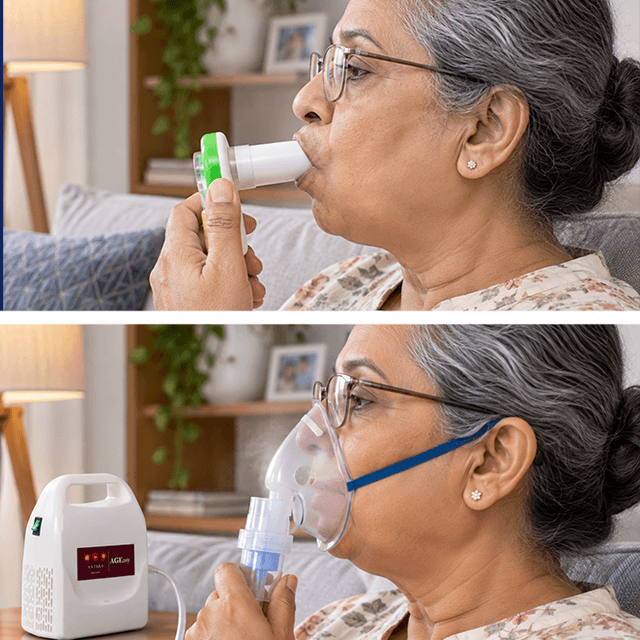
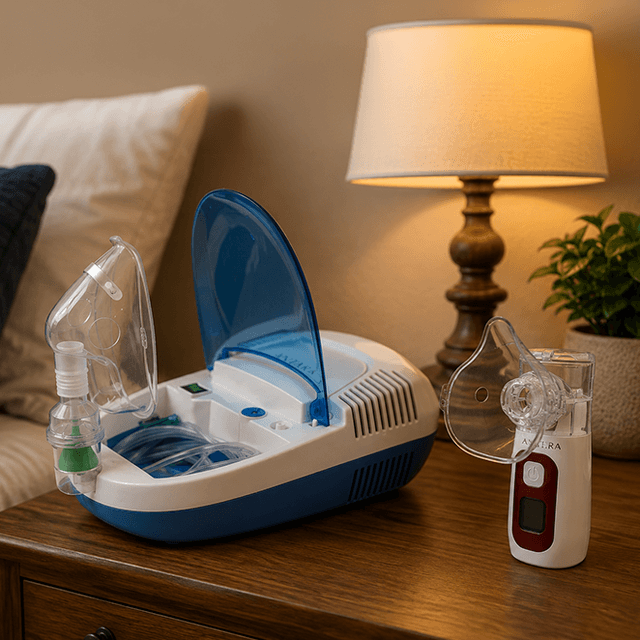
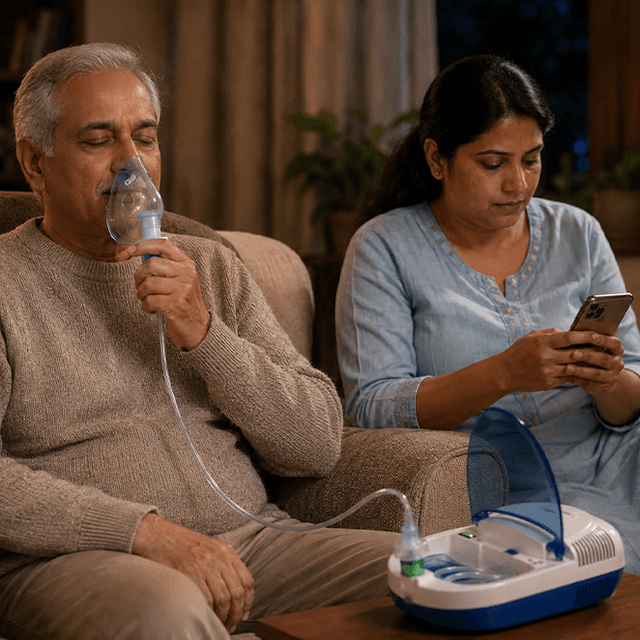
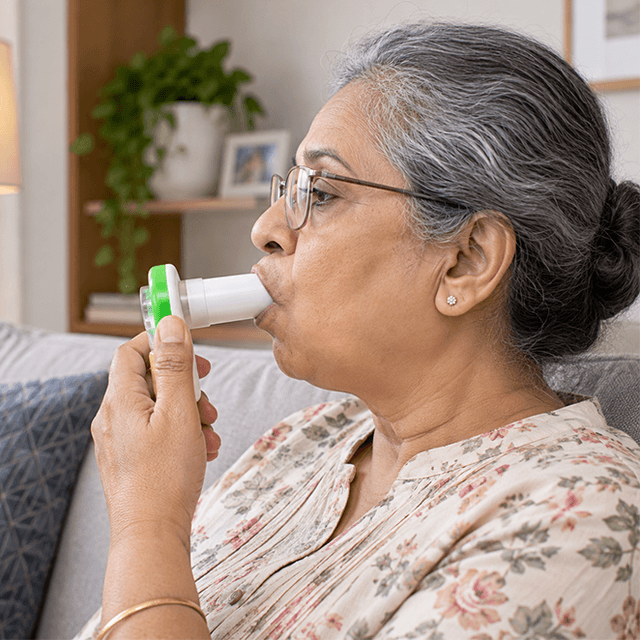
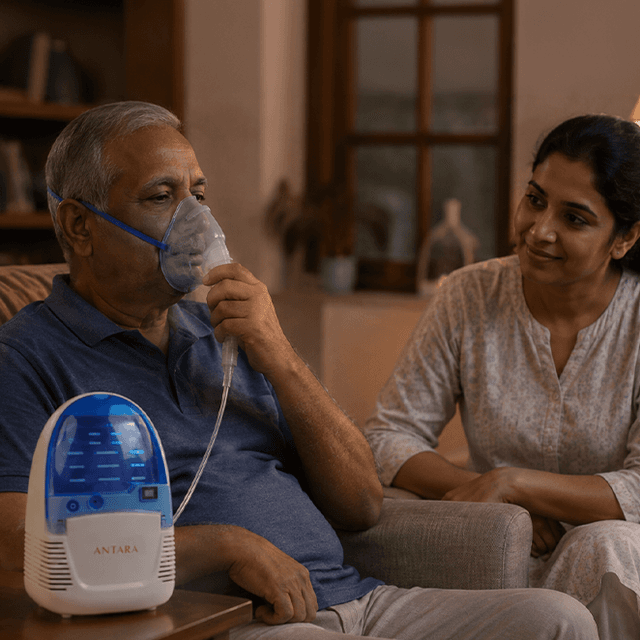
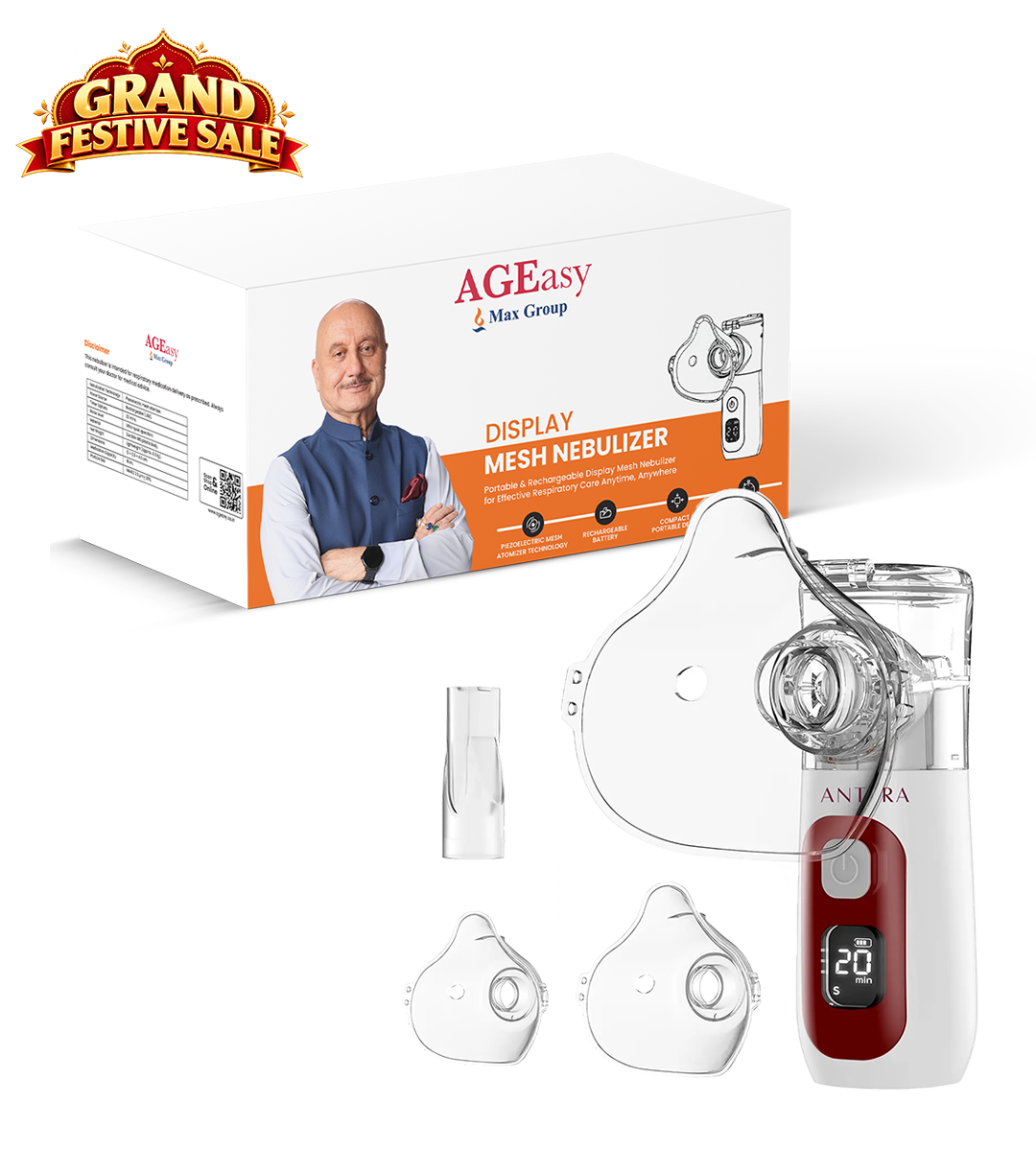
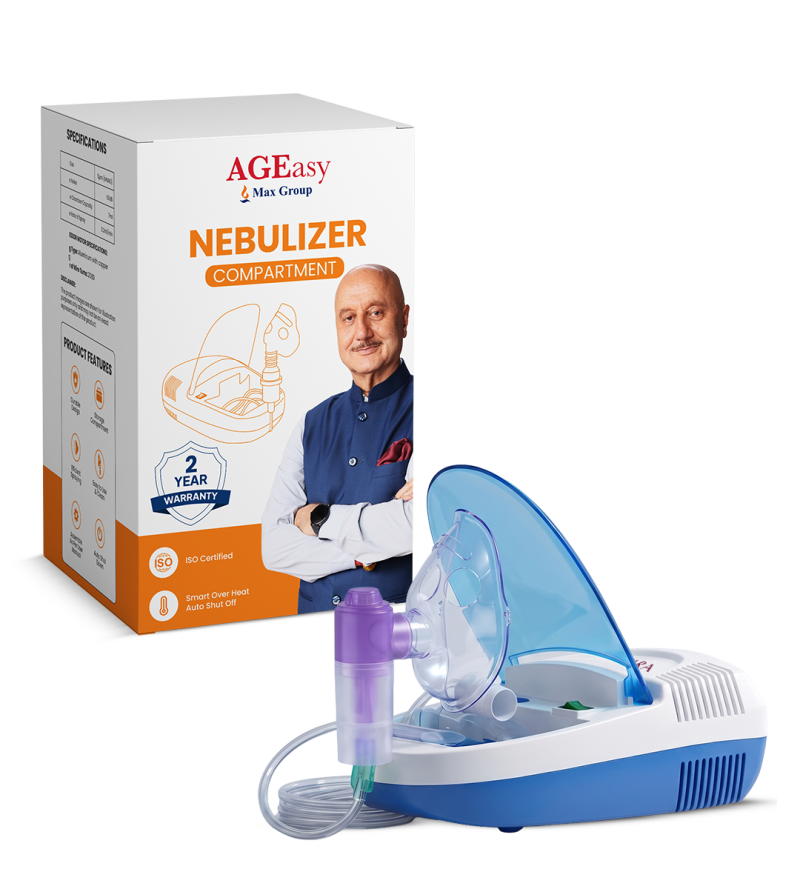
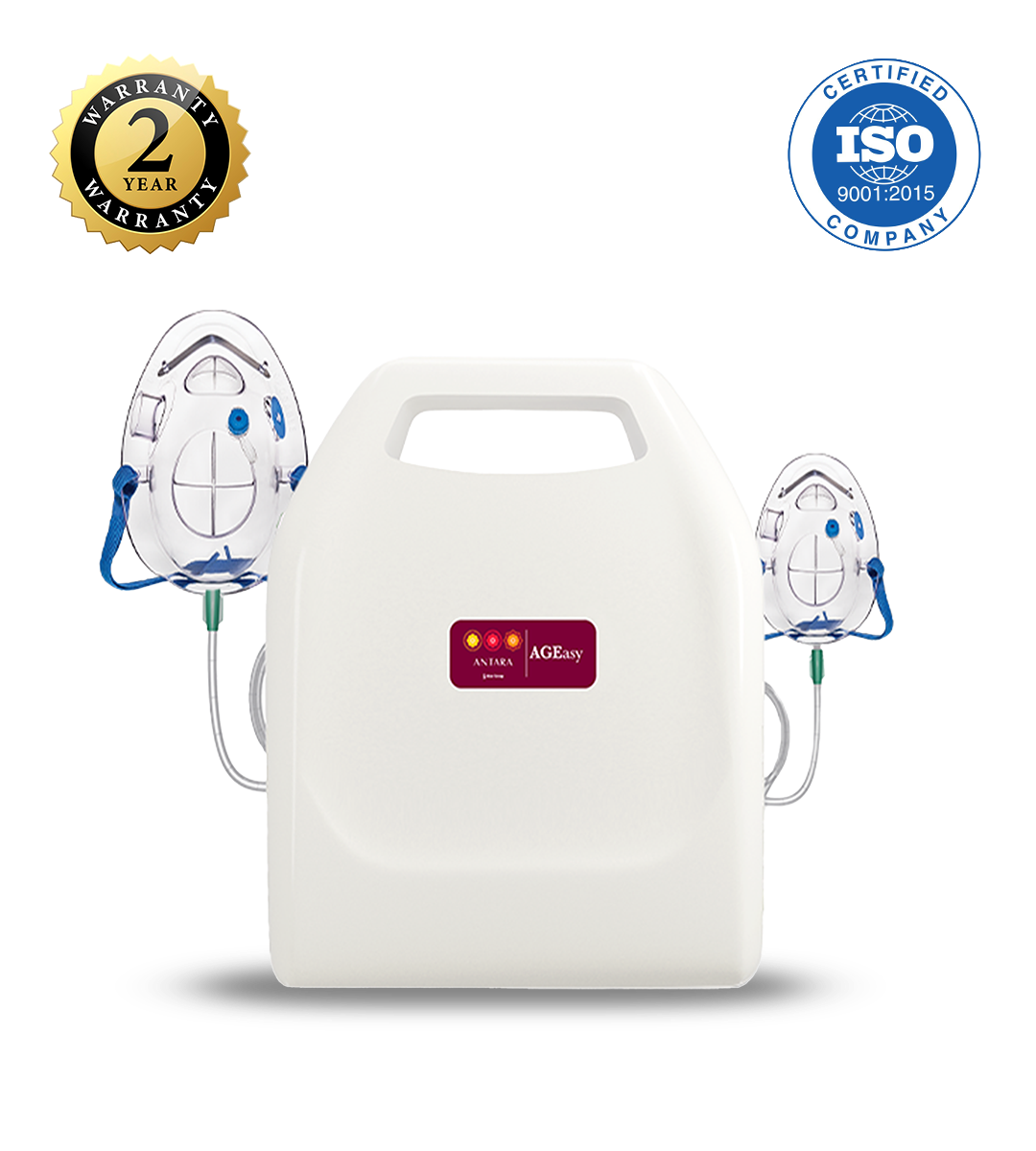
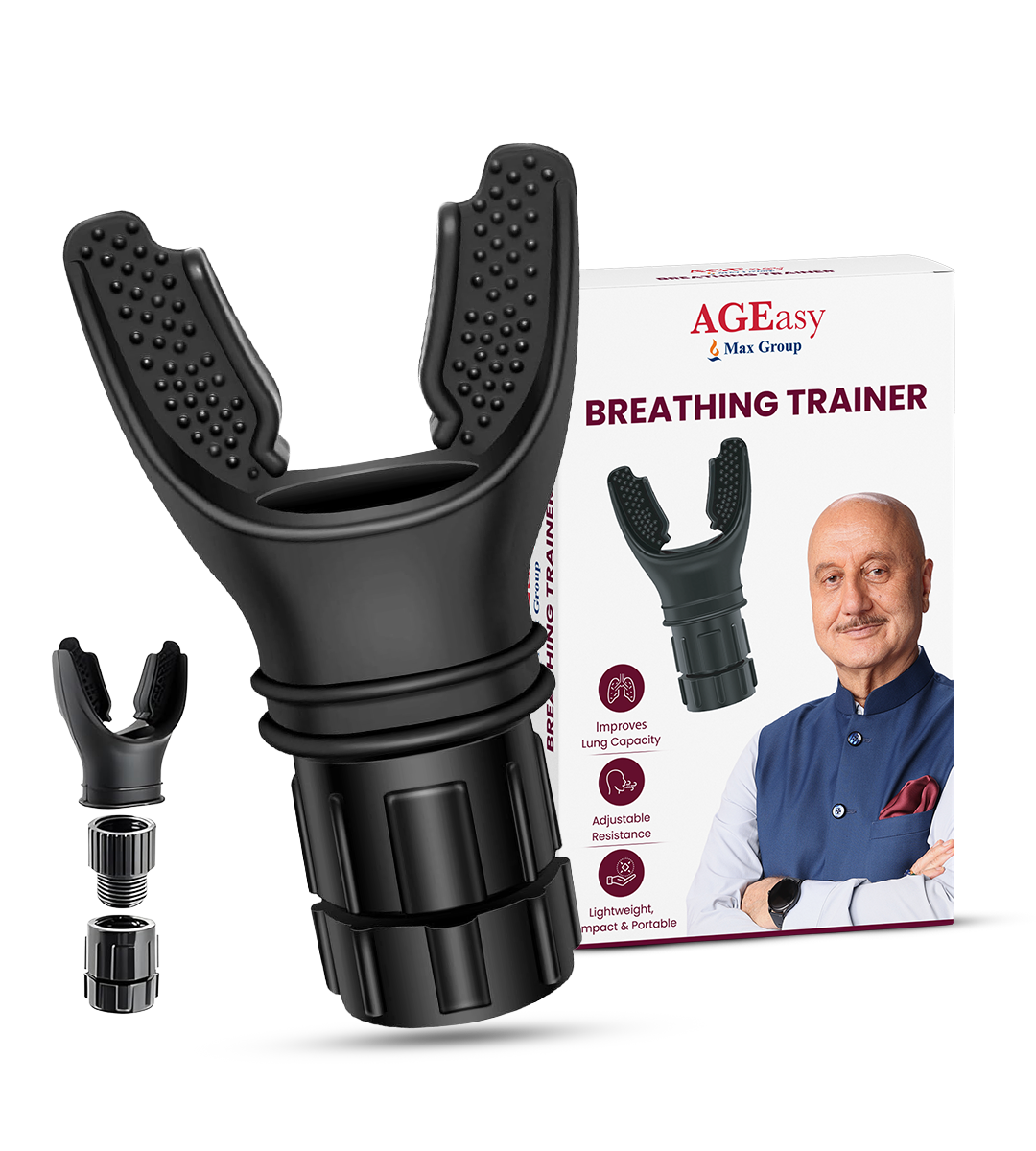
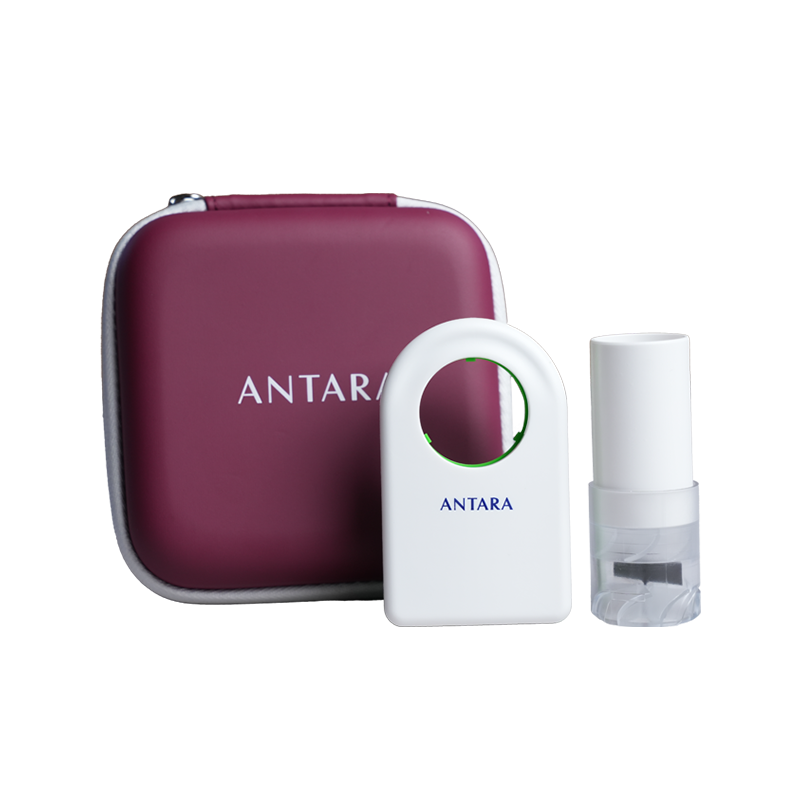
A breathing-support product like AGEasy’s Breathing Relief Combo may help manage nighttime discomfort for the paren.
Please do not apply anything to the inside of the nose that does not clearly state that it can be used in that manner. Avoid products with strong fragrances if your parent has asthma, COPD, or smell sensitivity. Keep all products away from the eyes and follow directions on the quantity provided.
A combo product is a good addition to a routine that includes head elevation, bed linen hygiene, saline spray, and medical care when symptoms persist. It should not be marketed to provide a solution for sinus disease, asthma, infection, or sleep apnoea.
When Medical Assistance Is Required for a Blocked Nose
A medical assessment is needed when congested noses do not resolve on their own after 10 days, keep returning, or when nose congestion disrupts sleep. A medical assessment is also recommended for:
- Facial Swelling or Pain
- Frequent Nosebleeds
- Foul-Smelling Discharge from the Nose
- Reduced Sense of Smell
- One-Sided Blockage
- New Symptoms of Cognitive Impairment
- Breathing Pauses During Sleep
If a blocked nose causes breathing difficulty, facial pain or swelling, or rapid loss of alertness, urgent medical assistance is needed.
For a caregiver beginning a plan to assist with a blocked nose, the simplest plan is to elevate the head, safely enhance the flow of the nose by using a saline spray, and clear the irritants from the bedroom on a daily basis. These steps should help with the flow of the nose. If the situation does not improve after several reviews, other additional steps may be needed.
Disclaimer: This article provides general health information for caregivers. It is not a substitute for an examination or the development of a treatment plan by a healthcare professional. It is important to speak with a doctor or pharmacist prior to using any new prescription or over-the-counter medicine, nasal spray, steam inhaler, medical inhaler, or any other devices meant to assist breathing for an older adult.