
Managing Asthma at Home with a Nebulizer
Jul 8, 2026


Breathing normally feels automatic until an asthma flare-up changes it. Then this becomes a struggle. The chest can feel tight or constricted, and breathing may feel shallow. With each passing second, it feels as if each inhale is shorter than the last. The only thing that feels important is getting air in the lungs.
A common misconception is that an asthma management plan is only necessary during an asthma attack. In reality, managing asthma involves understanding the specifics of the condition: identifying triggers, determining which medications are required, and having the ability to use a rescue inhaler before symptoms escalate. More than just knowing this information, managing asthma means being prepared with the appropriate equipment for when every breath counts.
In your treatment plan, a nebulizer occupies one of the most critical roles.
A nebulizer does not cure asthma. It is not a substitute for your prescribed medications. It cannot prevent future asthma attacks. Instead, a nebulizer administers your prescribed medication to your lungs at the prescribed times by your physician. This is what makes a nebulizer a trusted source of asthma management for children, adults, and seniors.
This guide focuses on how to use a nebulizer, when a physician recommends the use of a nebulizer, and how to use a nebulizer safely and effectively at home.
The Role of a Nebulizer in Your Treatment Plan
When your physician develops a treatment plan, there are 2 objectives for the physician to accomplish:
- To control daily asthma symptoms, and
- To be able to respond quickly to improve symptoms.
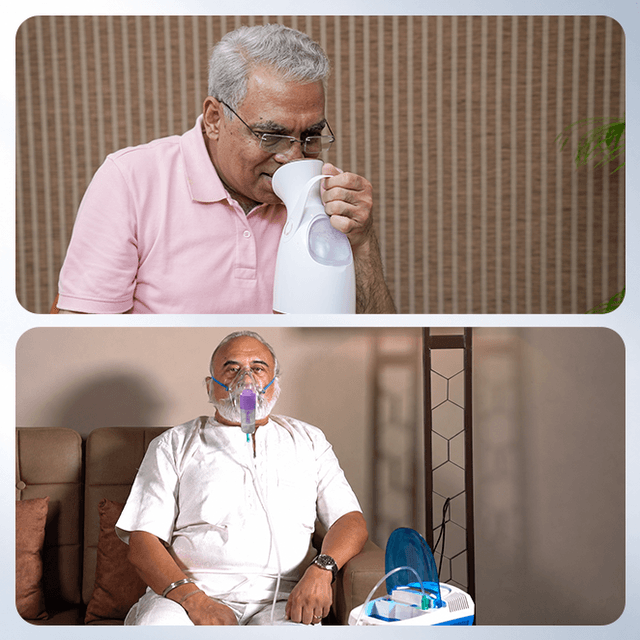
The use of a nebulizer can assist with both objectives and therefore, is commonly prescribed. A nebulizer converts liquid medications into an aerosol form that can be inhaled as a fine mist. This helps to deliver medicines directly to their airways and eliminates the need to swallow a pill or use an inhaler.
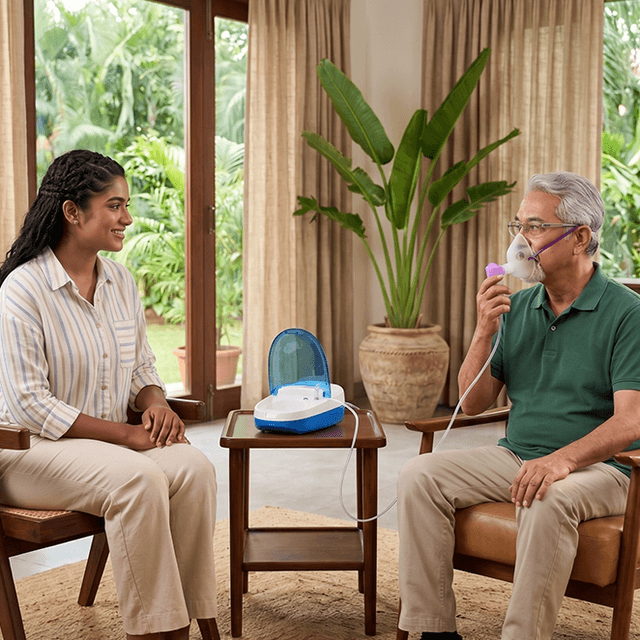
This is especially important for young children, elderly people, and anyone having difficulty with the coordination of using an inhaler. A toddler having an asthma attack is not able to do the necessary breath-hold that an inhaler requires. A nebulizer solves this issue. Your child can simply wear a mask or hold a mouthpiece and breathe normally, while the nebulizer does all the work.
In asthma treatment, doctors also use nebulizers for patients with moderate to severe asthma, especially those who require higher doses of medication during exacerbation of asthma symptoms. While an inhaler releases a fixed amount of medication, a nebulizer is able to deliver medication continuously for several minutes, which is very effective at the time when your airways are becoming tight and you need an uninterrupted steady dose rather than a quick dose to open the airways.
When Nebulizers Are Recommended by Doctors
Doctors prepare a care plan for patients with asthma that includes the medications that they will be using, and they also use this plan to determine if and when a patient will need a nebulizer. The decision is based on the severity of the asthma, age of the patient, and the patterns of the symptoms.
While experiencing symptoms of asthma with an increased level of difficulty in breathing, you are still not able to get immediate relief from using your rescue inhaler.
In infants and toddlers, especially those who are not able to use an inhaler, or a spacer.
For maintenance therapy, if your doctor gives you a prescription for a nebulized corticosteroid or bronchodilator, then this is going to constitute part of your daily routine.
If you have an infection of the respiratory tract and asthma worsens at the same time, you require the consistent delivery of medications.
Your doctor can provide you with an exact plan, which includes the medication, dosage, and frequency, and you need to stick to it. Patients should follow this exactly. Refrain from making your own modifications to the plan, even if your symptoms seem manageable for a day or spike to a severe level the next day.
How a Nebulizer Works
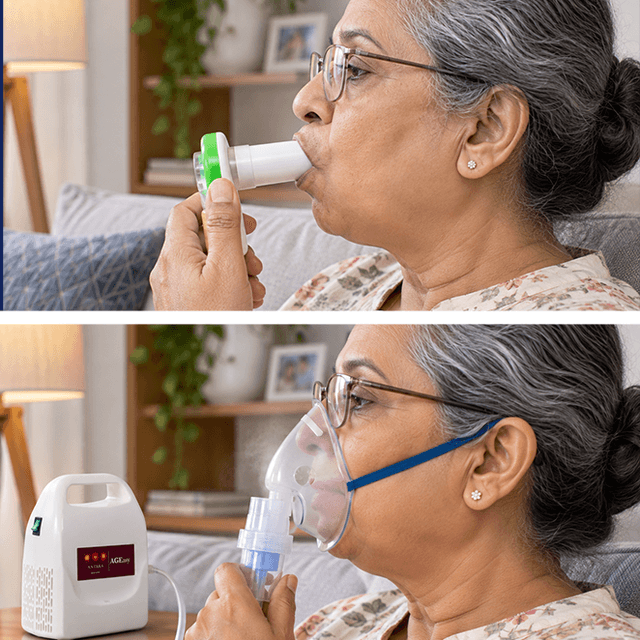
A nebulizer consists of 3 key components:
- a compressor unit or mesh mechanism that generates airflow or vibration;
- a medication cup that contains the liquid medicine;
- and a mouthpiece (or mask) that delivers the mist to the patient's lungs.
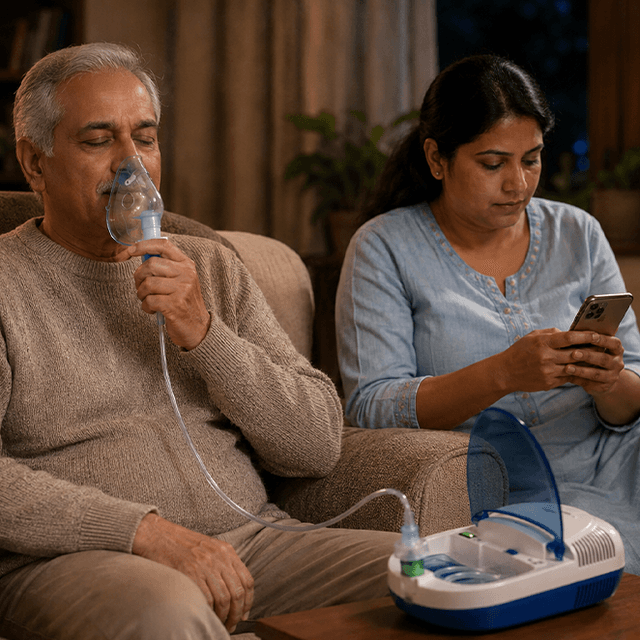
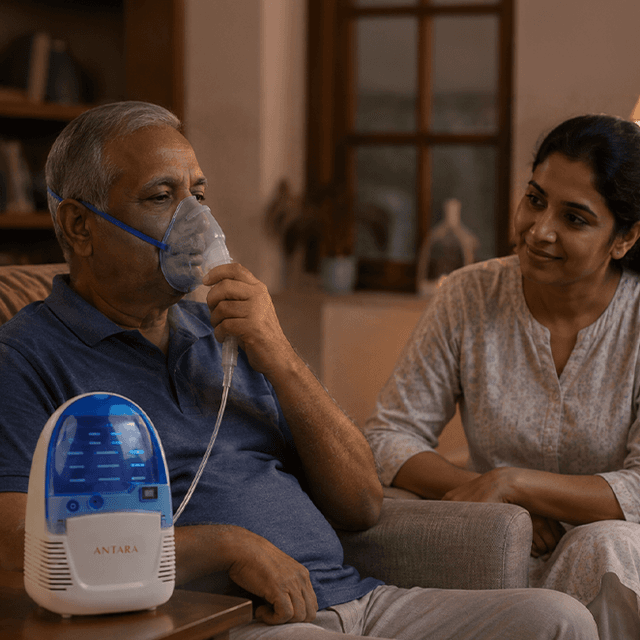
Users will pour their prescribed medication into the medication cup, connect the necessary tubing, and power on the nebulizer. The device will turn the liquid medication into an aerosolized mist to be inhaled by the patient over the course of 5 to 10 minutes.
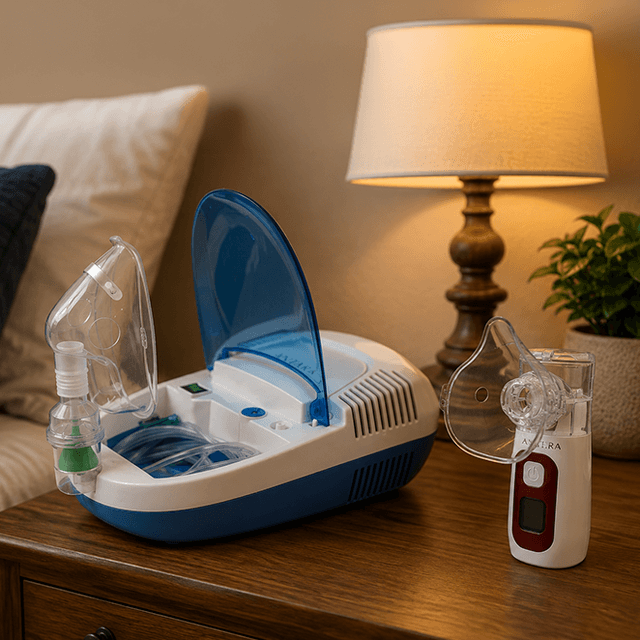
There are 2 primary types of nebulizers: compressor nebulizers and portable mesh nebulizers.
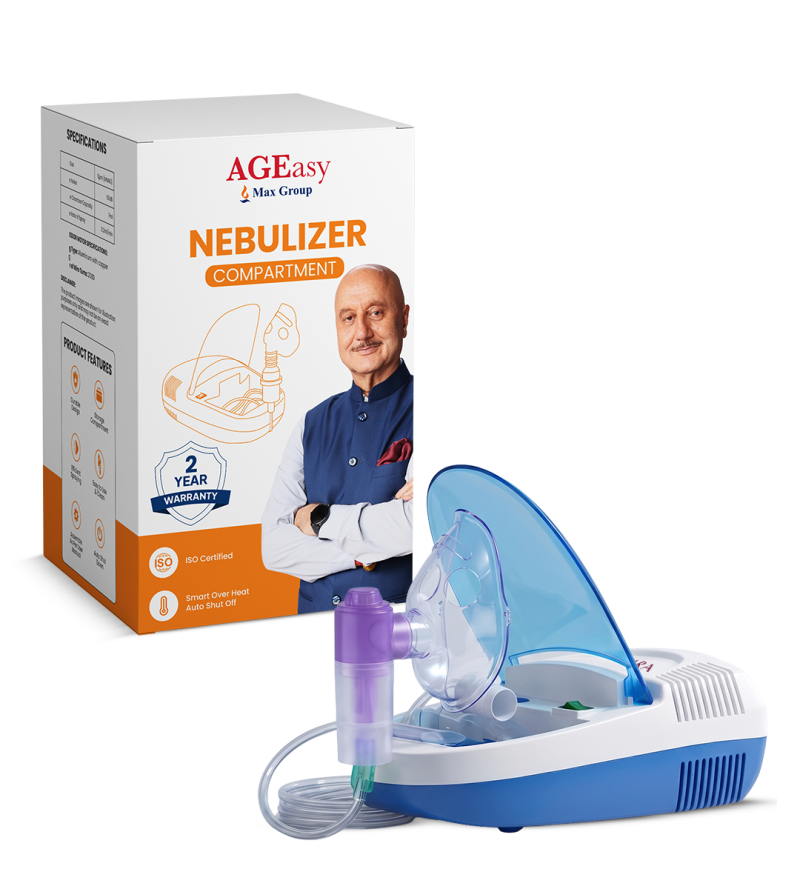
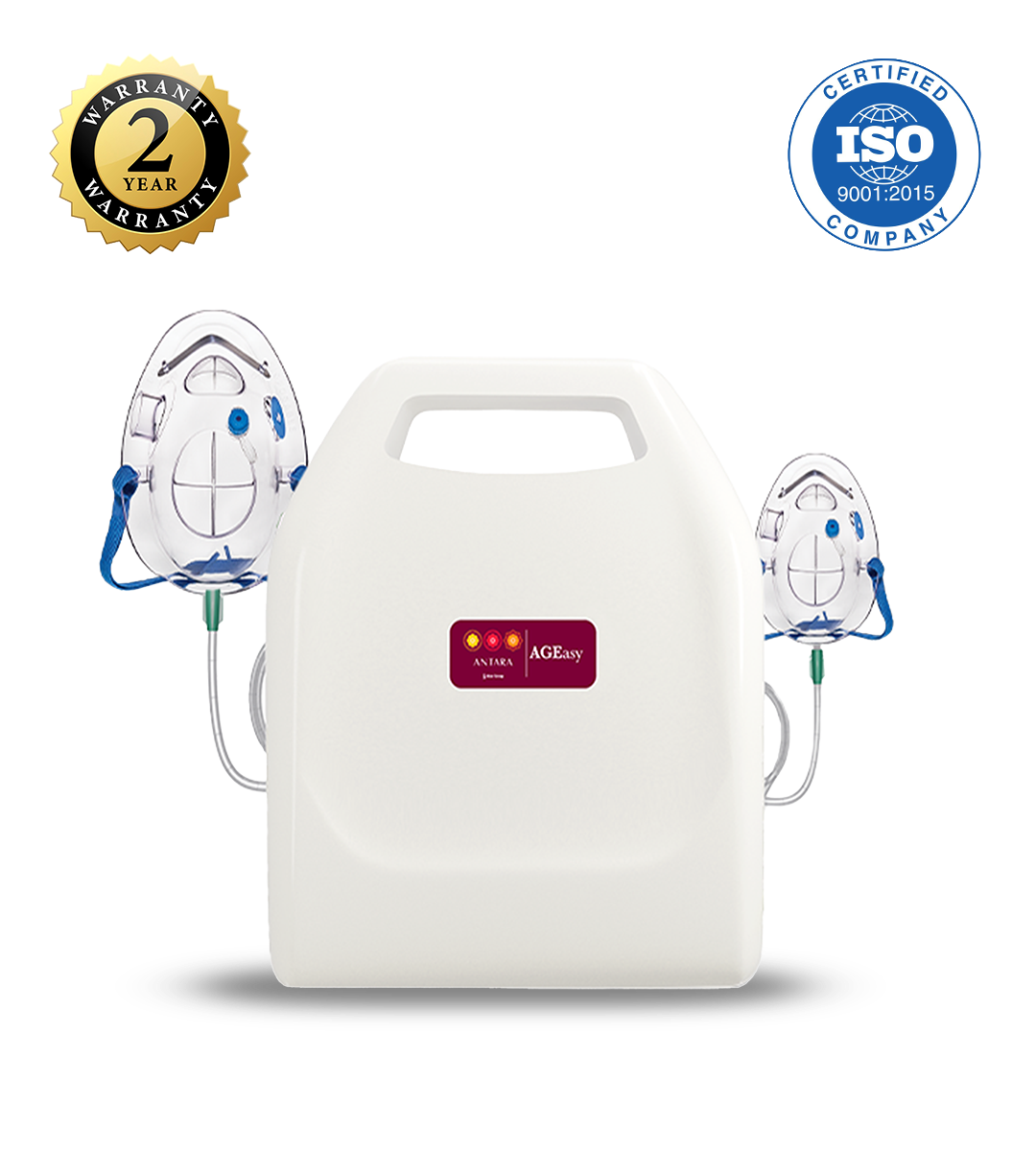
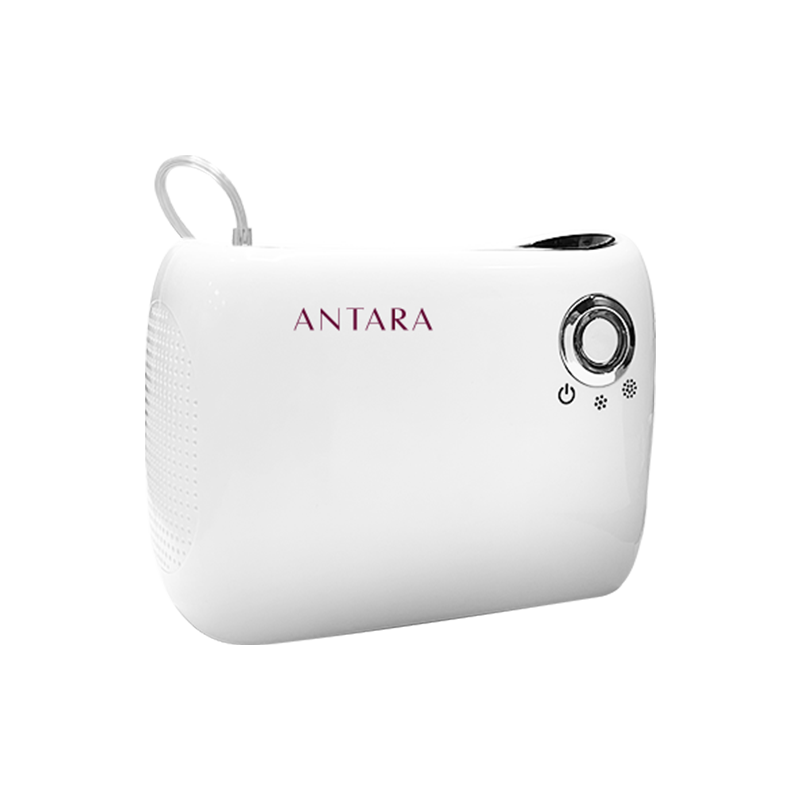
- Compressor nebulizers are designed for use at home and create mist through the use of pressurized air. AGEasy's compressor nebulizer comes equipped with a built-in compartment for masks, tubing, and filters, preventing parts from getting lost between treatments.
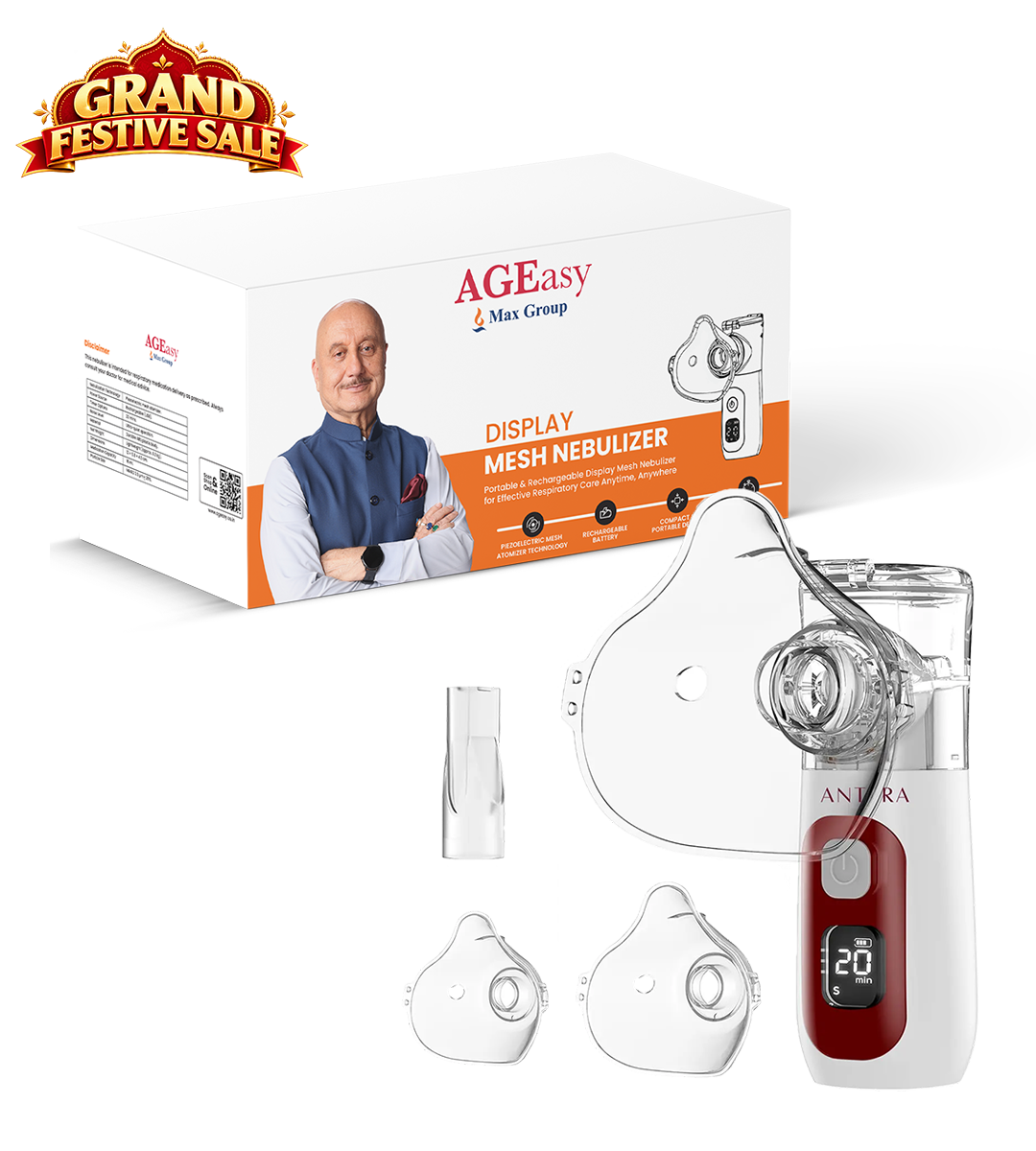
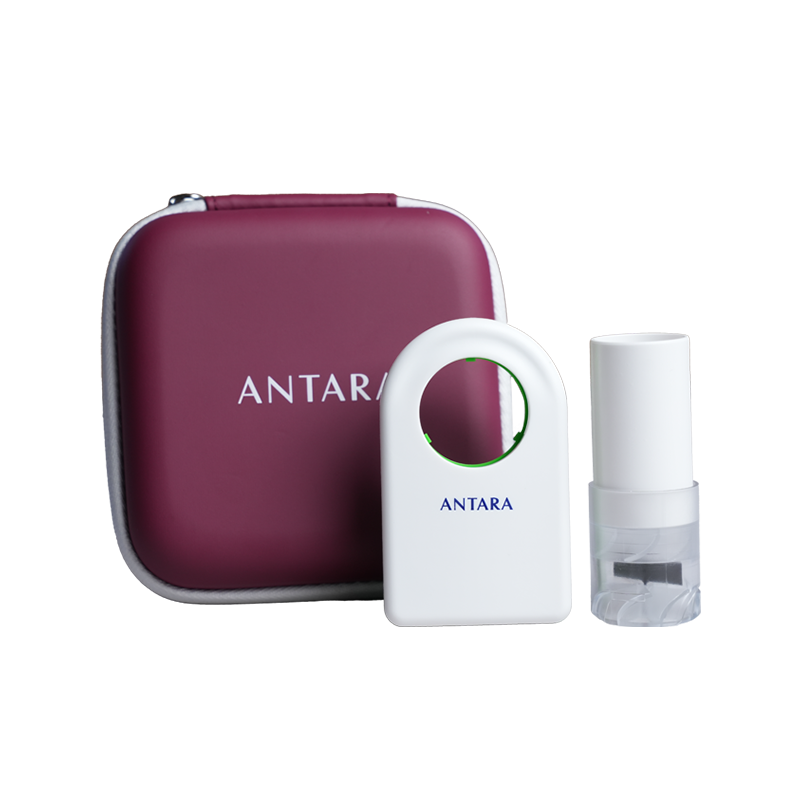
- Portable mesh nebulizers are more compact and lightweight. AGEasy's portable mesh nebulizer features a display to indicate real-time progress toward completion of the treatment session, making it easy to monitor time. The device is also designed to be as quiet as possible in order to allow anxious children and adults to complete their own nebulizer treatments without excessive noise.
Selecting the Appropriate Nebulizer for Your Situation
Selection varies based on user and frequency of use.
- A compressor nebulizer is best for home use on adults and children with frequent treatment schedules. These devices are cheaper and last longer with everyday use. A portable nebulizer is better for those who travel, work outside the home, or require treatment away from a stationary setup.
- Always check the sound level on the unit. A noisy compressor can make treatment more difficult for a young child who is already anxious during a flare-up. AGEasy's standard compressor nebulizer uses an optimized airflow system that makes a gentle mist, as opposed to the harsh noise produced by older generation compressors. AGEasy also provides a two-year warranty and dedicated customer support, in case you need mid-treatment adjustments to a part.
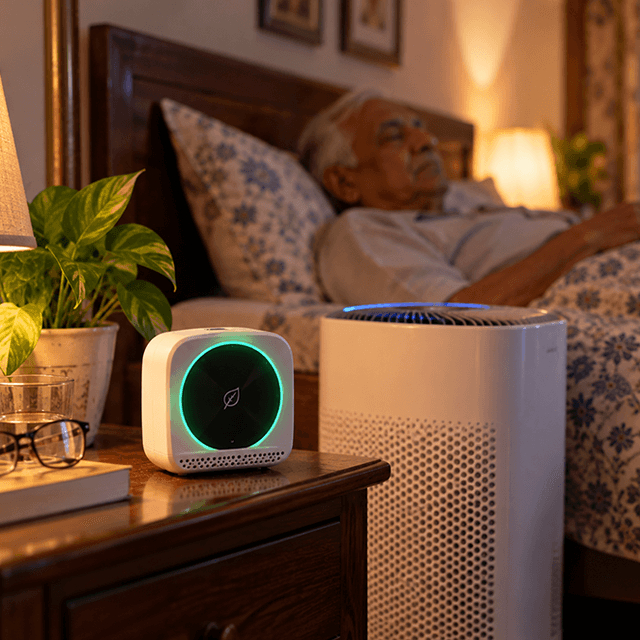
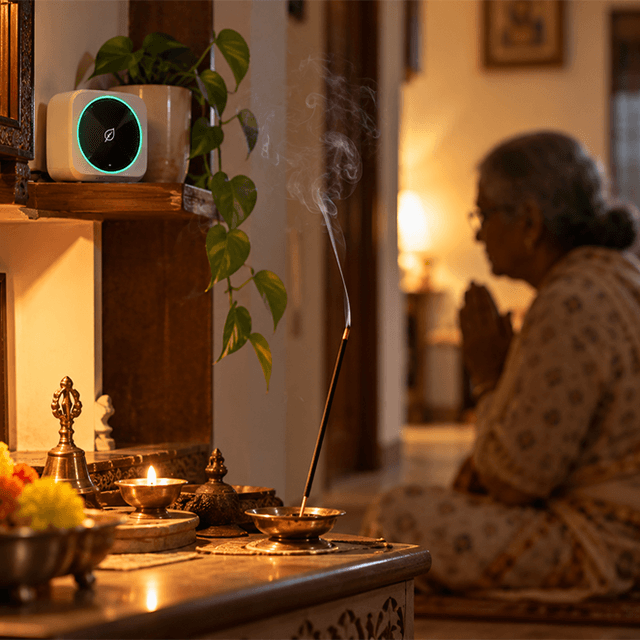
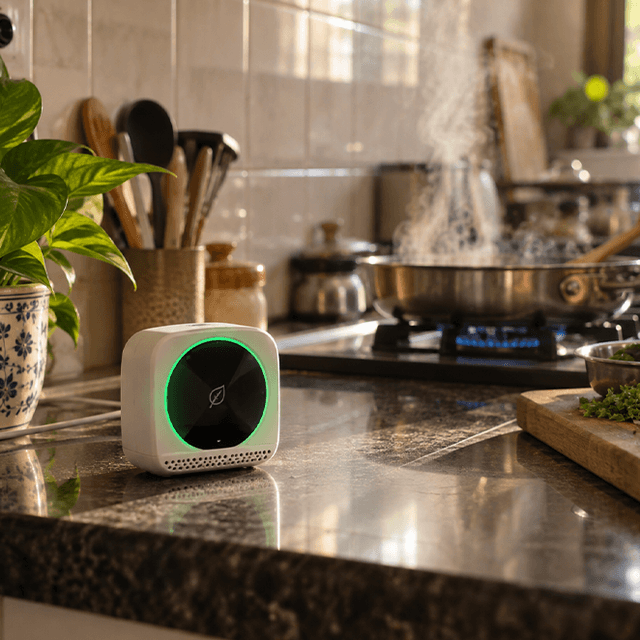
- If you are concerned about air quality, AGEasy's premium nebulizer comes with a HEPA filter that captures 99.97% of airborne contaminants, including dust and allergens. This converts the air into a mist and provides cleaner inhalation. This is especially useful for people living in polluted areas and for people who have asthma and allergies.
How to Safely Use a Nebulizer at Home
- Always wash your hands before treatments. This helps reduce contamination on the medication cup. Poor hand hygiene is especially concerning for children as their immune systems are still developing.
- It's also important to measure and use the exact medication prescribed by your doctor. Do not guess and use a dropper or vial that came with your prescription.
- Stay in an upright position during the treatment so that your lungs can fully open. This way the medicine can reach the deepest parts of your airways.
- When it comes time to breathe, do so normally via the mouthpiece or mask. Don't do anything rushed or forced. When the mist is in your lungs it is essential to do a slow and steady breath. This keeps the mist in your lungs rather than expelling it.
- Do your best to continue treatment until either the medication cup is empty or the device starts to make sputtering noises. This will usually happen from anywhere between 5 to 10 minutes.
- As long as you use the inhaled steroids, you will need to rinse your mouth each time in order to avoid these steroids causing throat irritation, and to keep from getting oral thrush.
- Clean your mouth each time you use the inhaled steroids to avoid causing irritation and to minimize the risk of getting oral thrush.
- In the time leading up to your next visit with the doctor, keep track of your symptoms and update the records to show whether your breathing improved and if so by how much, whether it remained the same, or if it got worse.
Maintenance and Cleaning
Cleaning your nebulizer should be done on a regular basis in order for it to be effective.
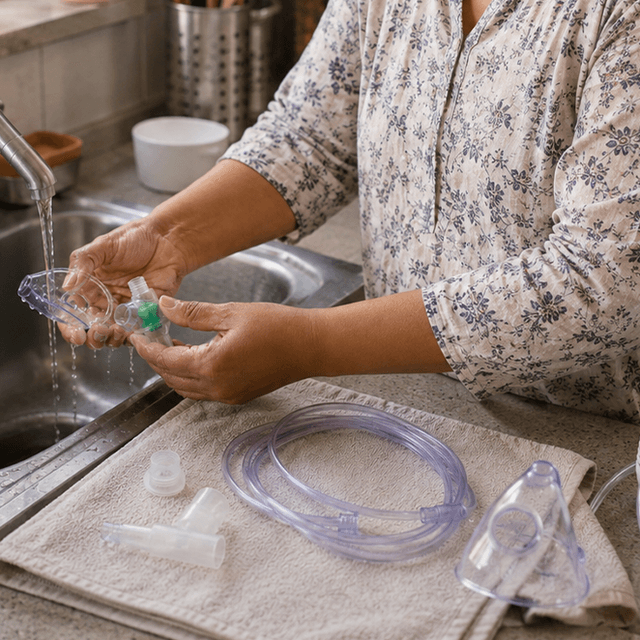
- After every use you should rinse the medication cup and mouth piece and then air dry it before storing it.
- You should also disinfect any reusable parts once a week with a solution your doctor recommends, and take care not to clean those parts with anything other than what is suggested as those parts will never need to be cleaned.
- With the manufacturer's expected time frames, replace any tubing, mouth piece, and filter that your doctor has instructed you to do so, as old parts will affect the dosage and are likely to increase the proliferation of bacteria. AGEasy provides filters, tubing, and masks that work well with your device.
- Between uses, a clean and dry area will help keep your device clean and also keep dust from gathering on the mouth piece and mask between times of use by putting it into a sealed bag or container.
Beyond the Nebulizer: Tracking Your Lung Health
A nebulizer is a reactive tool that treats symptoms once they appear, however, finding ways to track your lung function on a day-to-day basis helps you to pinpoint when trouble is looming before a flare-up starts.
The peak flow meter from AGEasy tracks and records your lung function by measuring the speed at which you can forcibly exhale air from your lungs. The device then transmits the recorded data to an application that, along with your physician, will be able to identify a downward trend in your lung function before you experience any related symptoms.
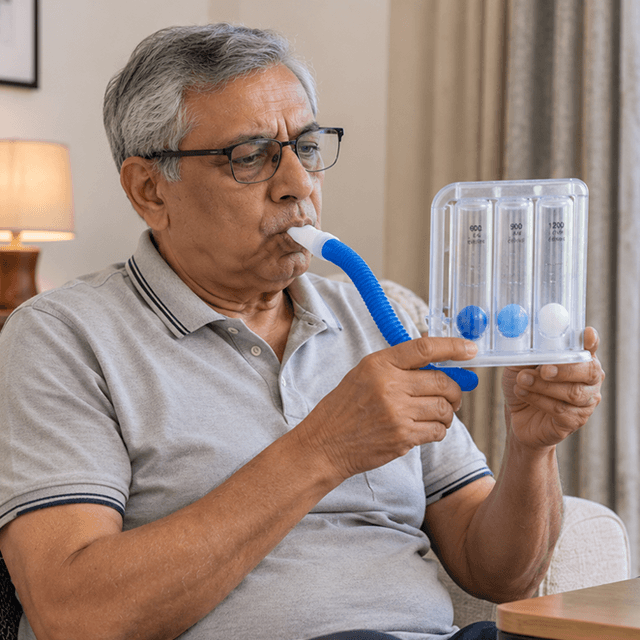
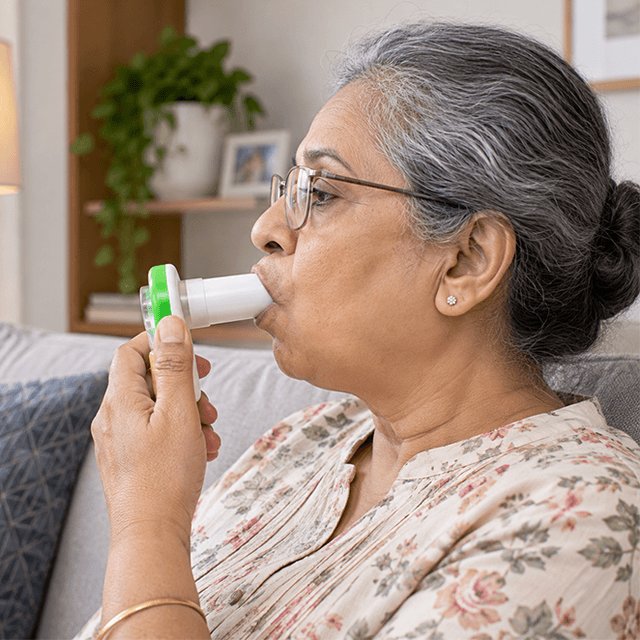
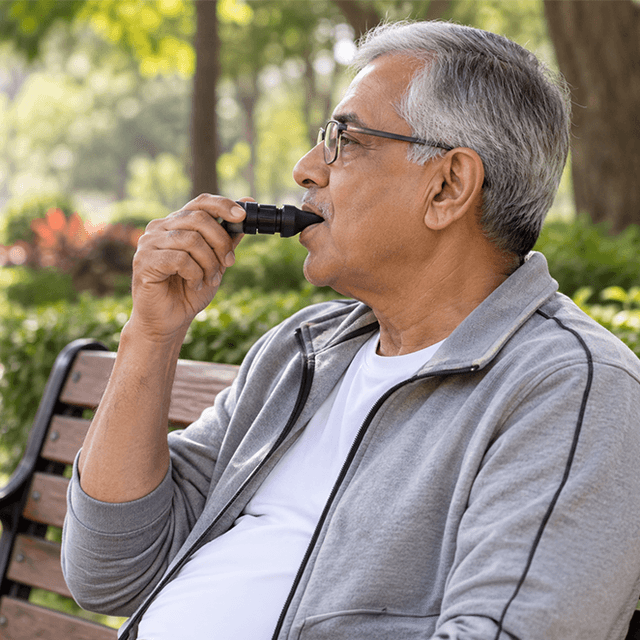
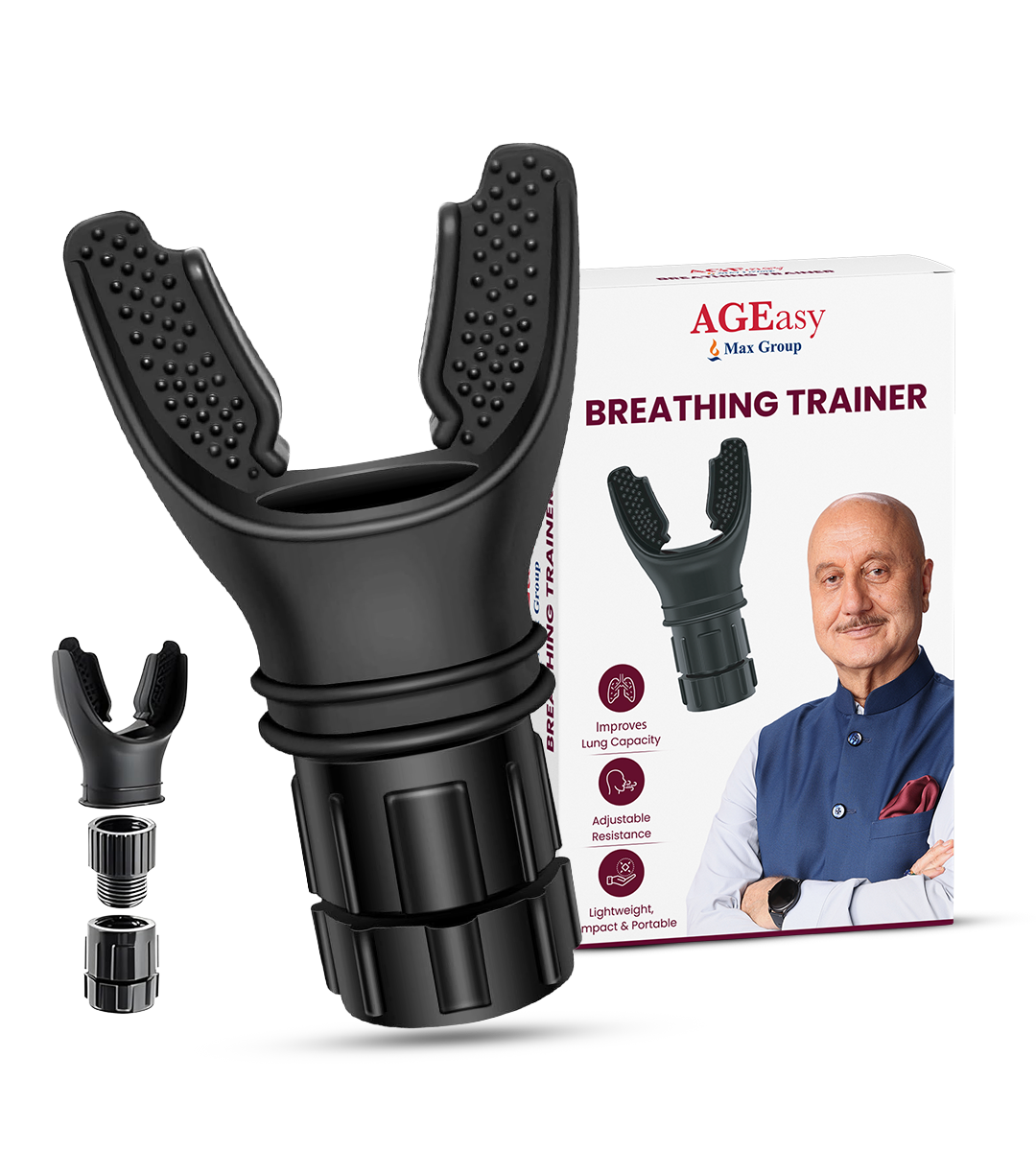
Tracking data with a breathing trainer device can also strengthen your respiratory system over time which adds a second layer of asthma management that is reactive to just flare-up responses.
When to Seek Emergency Help
A nebulizer is a home-based tool that treats asthma symptoms, however, it does not substitute needing to go for emergency help if your symptoms become severe.
While you may be taking your medication in line with your treatment plan and taking your rescue medicines on time, you should still call your doctor or seek out emergency assistance if you experience a change in the color of your lips or fingertips, if you feel breathless and cannot speak in full sentences, or if your symptoms are worsening despite medication.
Always keep a hard copy of your doctor's information and the address of the nearest emergency room on hand, not just in your phone. Reading a screen becomes harder during a severe asthma attack than reading a card.
Assurance in Your Manageable Asthma Symptoms
With the right plan set out by your physician, you can without a doubt learn to take control over your asthma symptoms. You will gain the steadiness needed to learn to handle flares with calm instead of panic through consistent maintenance of the equipment, practice with the device, and following the set expectations. It is also important to note that a nebulizer should not replace an inhaler, trigger management, or regular check-ups.
There are numerous home nebulizers to choose from. Before purchasing a nebulizer, look for specifications around your daily activities, as well as the size of the particles it outputs, the level of sound it produces, and its ease of travel. Over time, AGEasy also has peak flow meters, breathing trainers, and replacement parts to help you treat your asthma.