
Incentive Spirometer vs Nebulizer: Training the Lungs vs Treating Them
Oct 21, 2026
Incentive Spirometer vs Nebulizer: Training the Lungs vs Treating Them
When a parent struggles to take a full breath, every pause at the bedside feels serious. The breathing device at the side of your parent's bed does not seem to be the right fit, and each parent requires a unique breathing solution.
One device helps the lungs practice fuller breathing. The other helps turn prescribed medicine into a mist for easier breathing. A third device helps measure how forcefully the air evacuates the lungs.
A breathing training device is quite different from the device used to turn prescribed medicine into a mist for easier breathing. A device that helps measure the forceful outflow of air is also different from the other two. Understanding the differences between the 3 devices will help give your parent the breathing support he or she needs without a clinical guess.
How an Incentive Spirometer Works
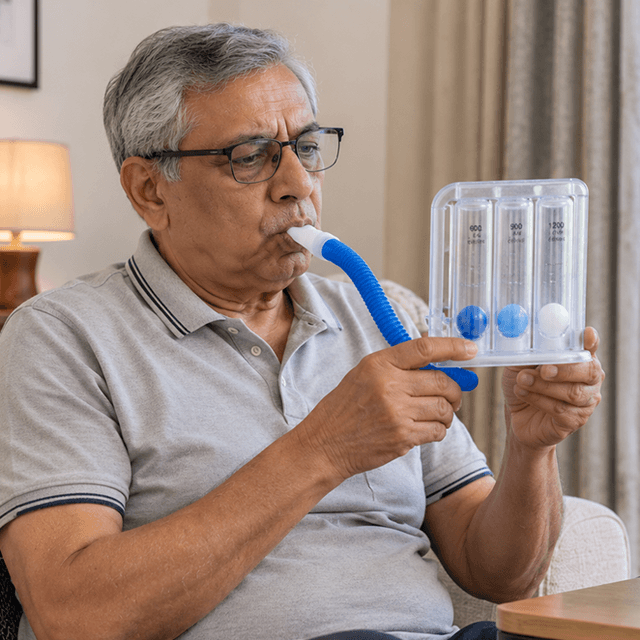
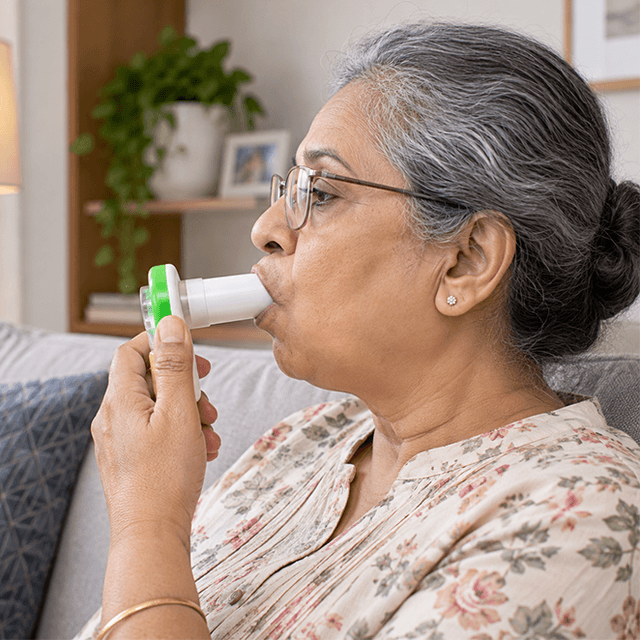
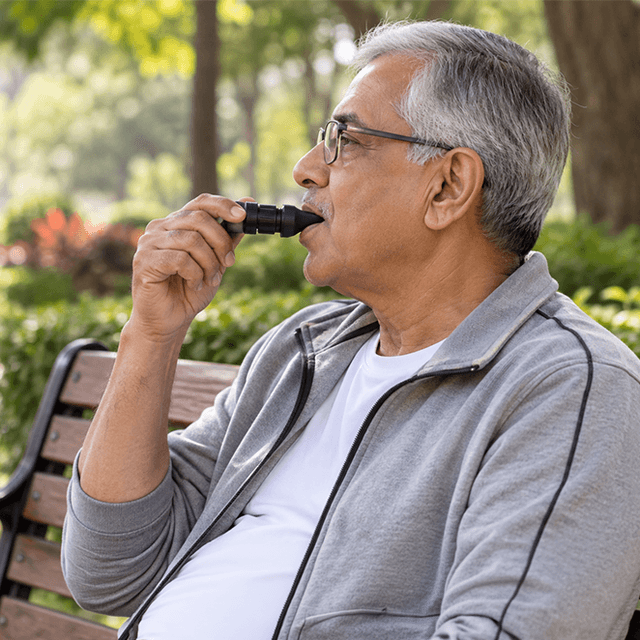
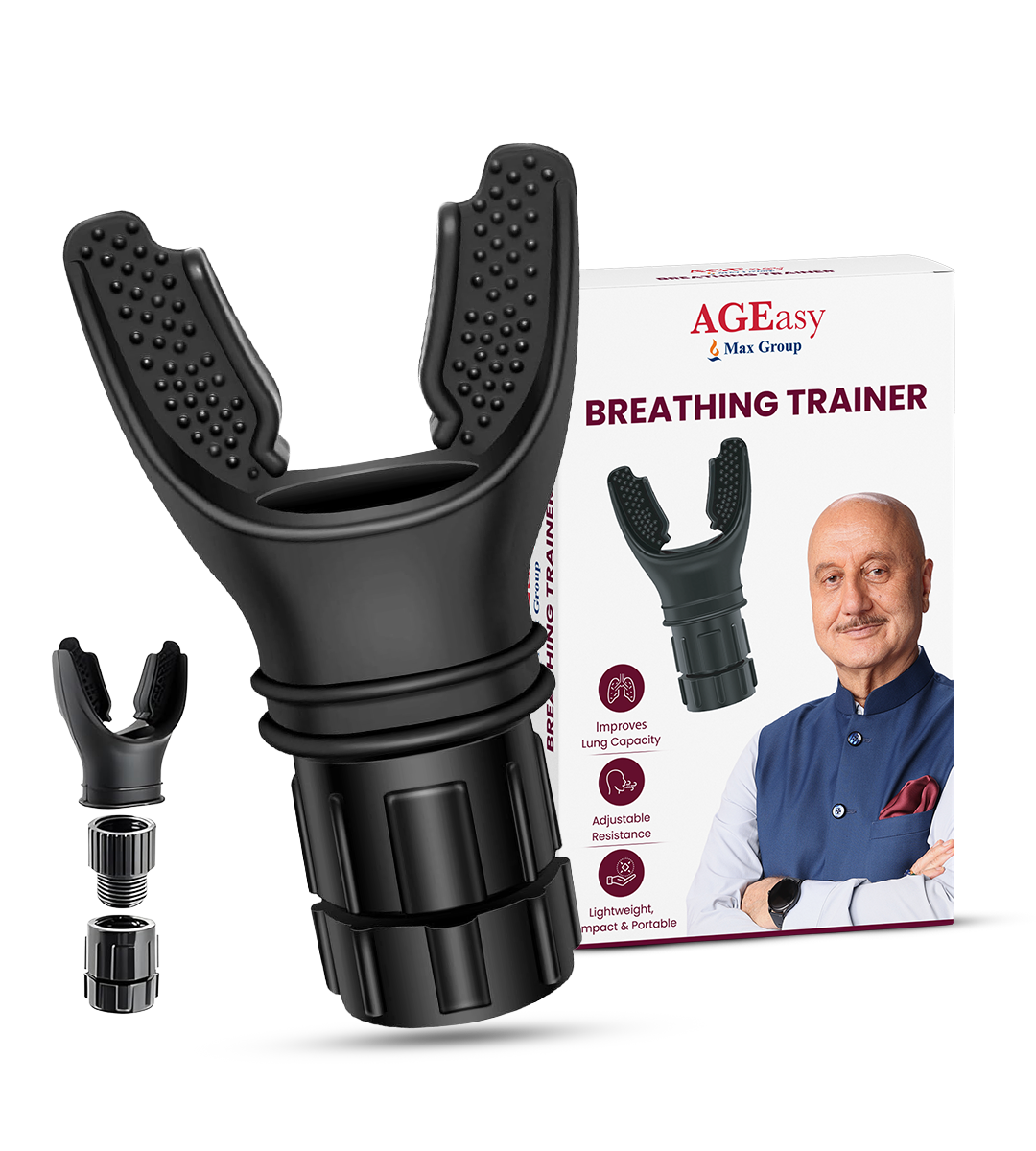
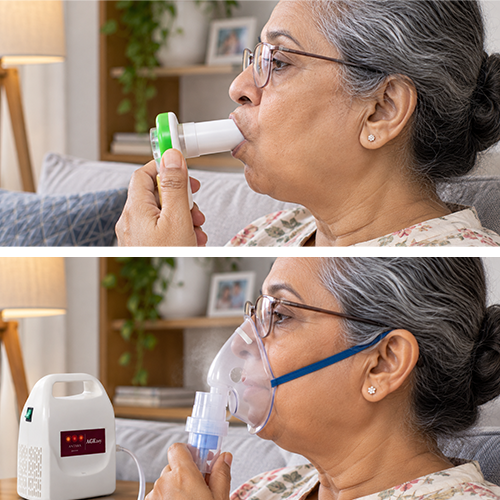
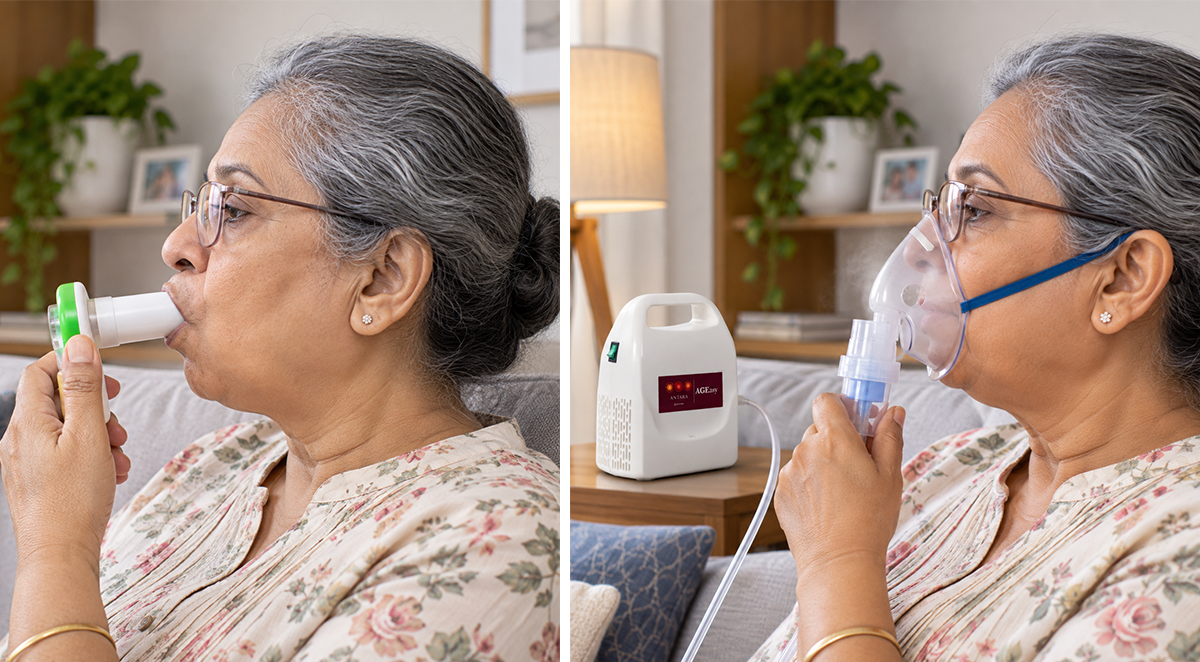
An incentive spirometer is a small device designed to aid breathing practice. The device has a mouthpiece and a chamber. When your parent breathes in, the chamber fills with air. A marker helps your parent see how much air they inhale. The expectation is for your parent to breathe in deeply, hold the breath for a brief moment, and repeat depending on the instructions of the doctor.
After surgery, bed rest, or an illness, there is a greater tendency for the lungs to collapse. Deep breathing exercises help counteract this difficulty. Hospitals provide the device after chest or abdominal surgery, once the patient has recovered from surgery pain and reduced movement that caused shallow breathing. A doctor may also recommend breathing exercises for a person who has spent a lot of time in bed.
An incentive spirometer does not dispense medicine, remove mucus, heal an infection, or reverse an asthma attack. However, it can assist with a breathing regimen for specific recuperative purposes.
How Caregivers Should Support Its Use
You should support your parent in sitting up straight, positioning the mouthpiece just between the lips, and taking slow, measured breaths as opposed to quick and forceful breaths. Try to keep up with the target and frequency as set by your care team. Take breaks if your parent feels overtired, lightheaded, or uneasy.
Keep the mouthpiece clean based on the directions provided by the manufacturer. Do not push your parent to obtain a target set for another person. The target is often contextual to the person’s age, their health status, their body size, and their specific medical situation.
If pain is impeding the ability to take deep breaths, you should contact your care team. You should not increase the pain medicine or change the scheduled dosing as this should be left to a clinician.
What a Nebulizer Does
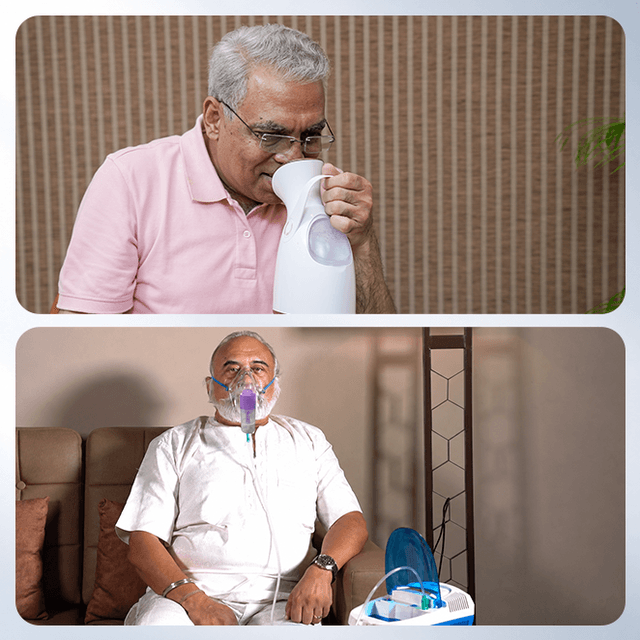
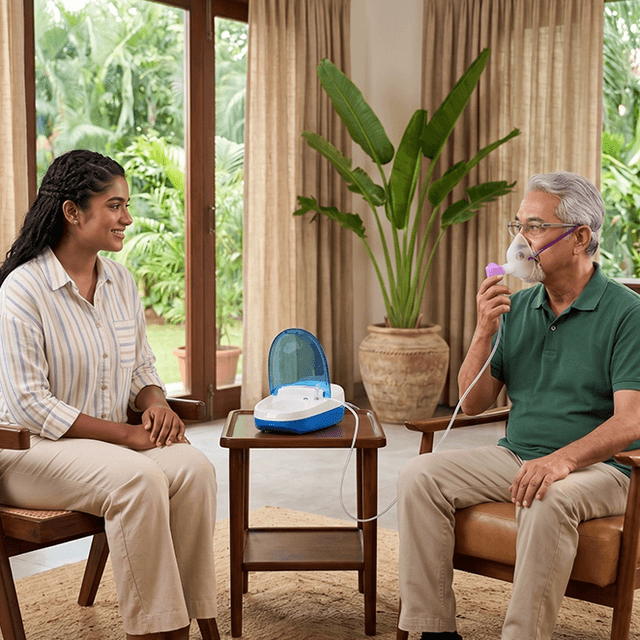
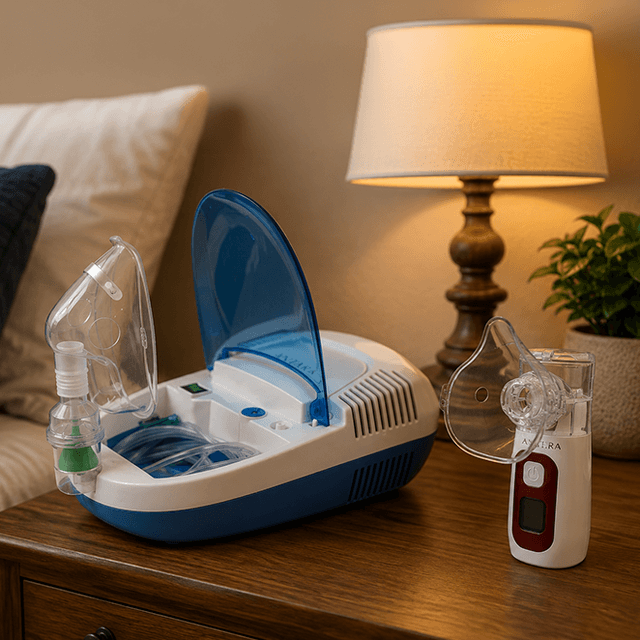
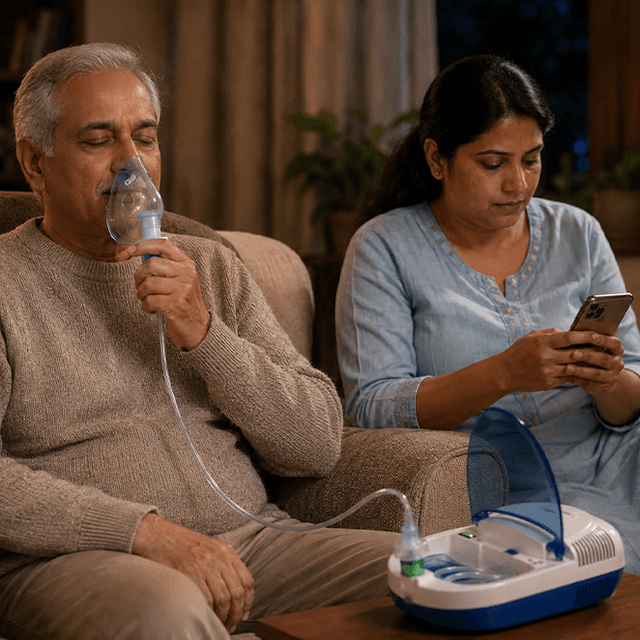
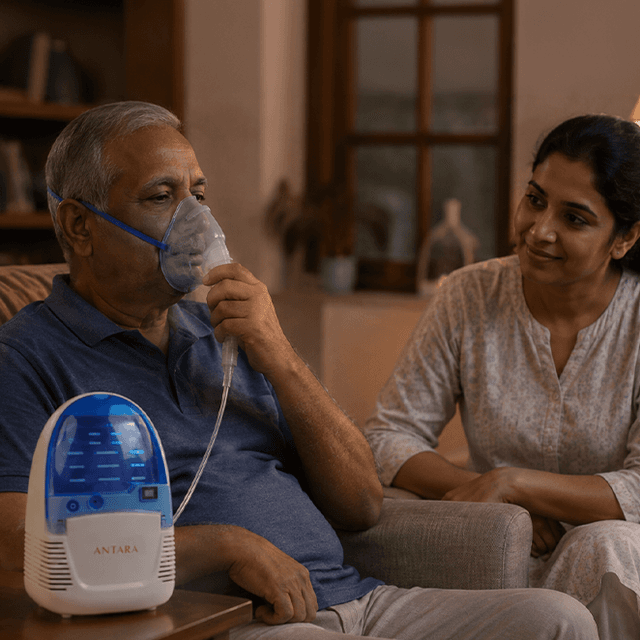
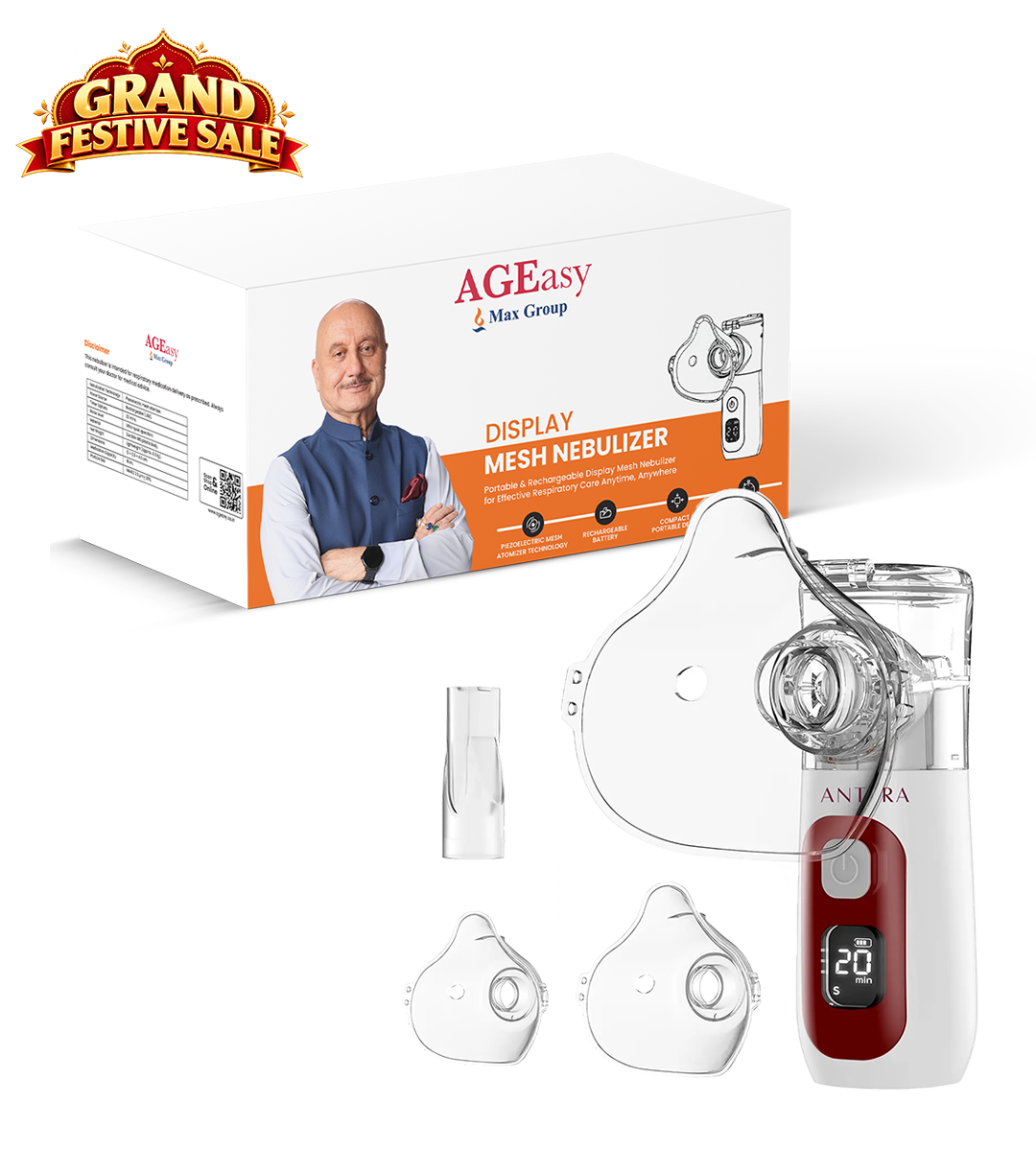
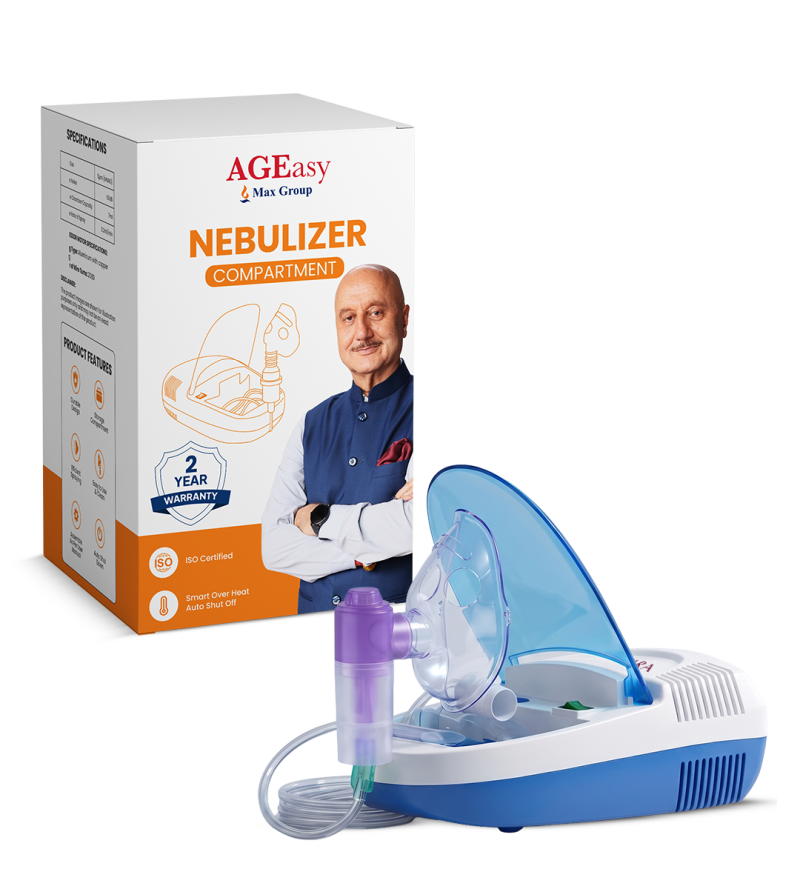
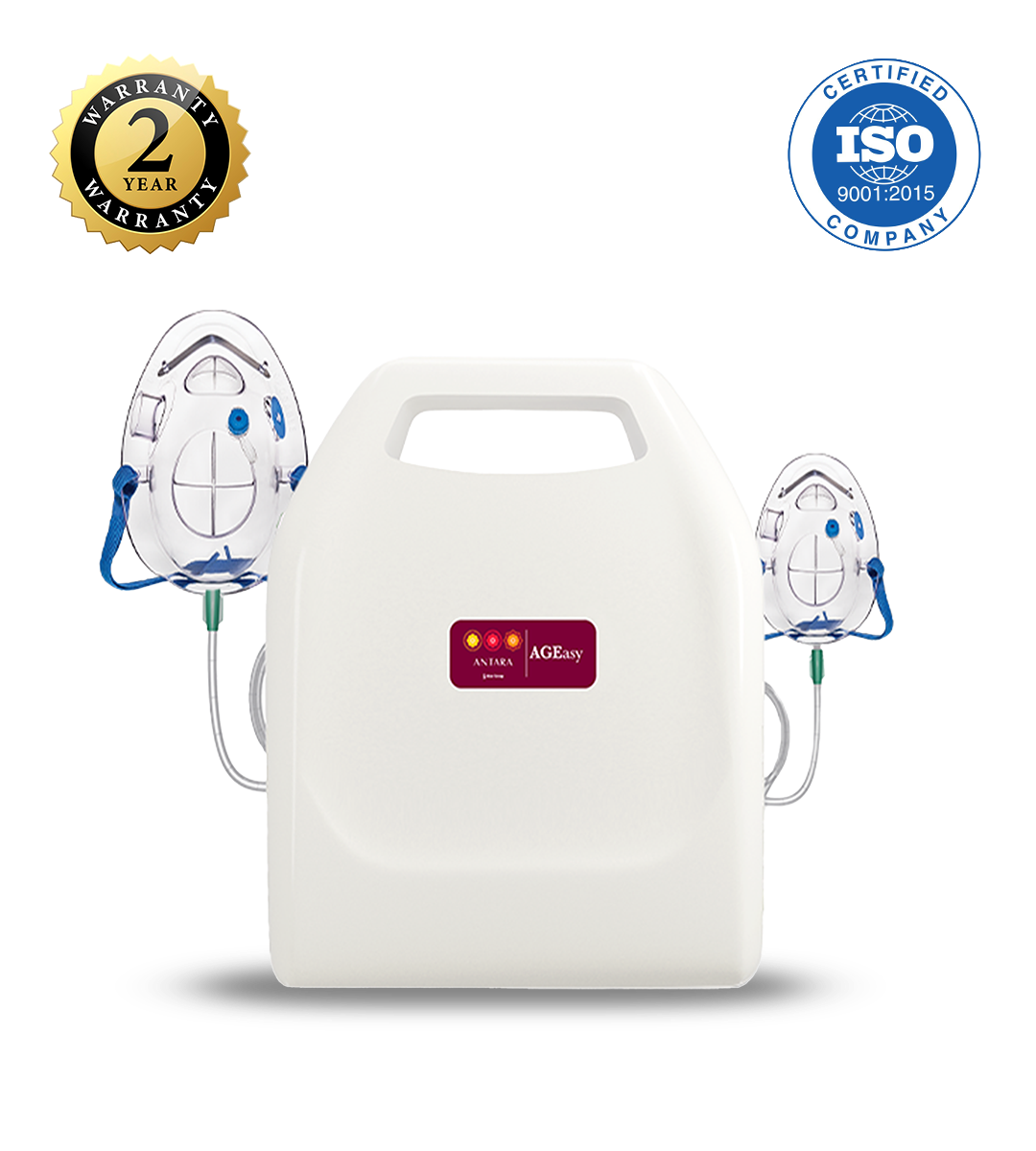
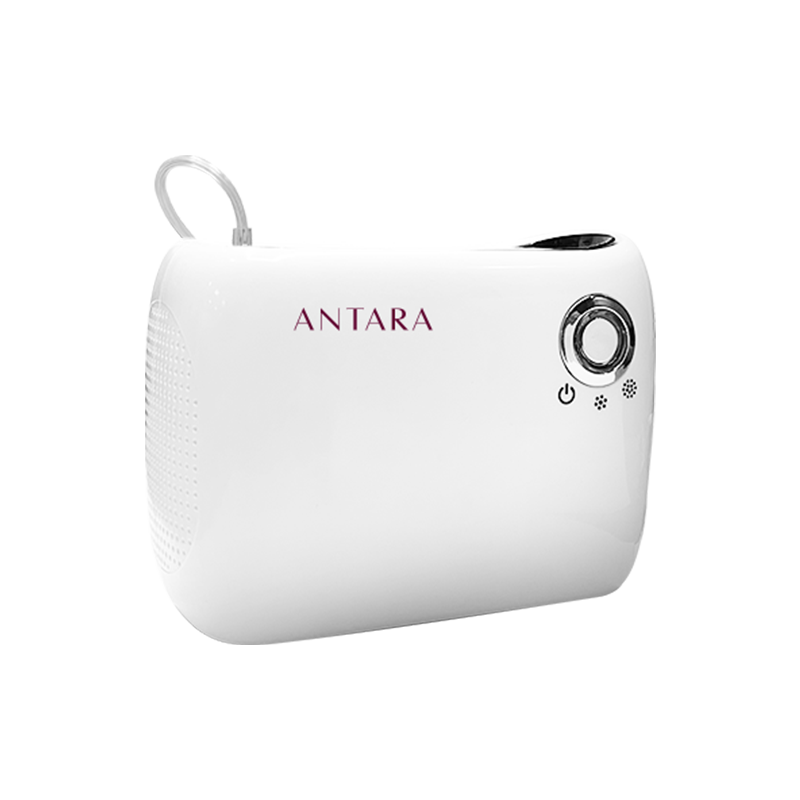
A nebulizer is a device that converts medicine into a fine mist. Your parent breathes in the mist by way of a mask or mouthpiece. The mist can be used to deliver medicine to relieve blocked airways, bring down airway inflammation, or get rid of mucus. The medicine and the dosage must be prescribed and regulated by a healthcare professional.
Nebulizers are used in situations where a patient cannot control an inhaler, or is too weak to inhale properly, or where the recommended medicine needs to be delivered in a different format. A nebulizer is not inherently a better option than an inhaler and should only be used if the prescribing healthcare professional advises.
The machine is not a cure for the cause of breathlessness. It helps administer the medication for the condition. New episodes of breathlessness will still require an assessment by a doctor even if they have a nebulizer available at home.
Safe Nebulizer Care at Home
Only the prescribed medication for your parent should be used in the nebulizer. Each dose should be checked for the prescribed medicine and the dosage on the label. If multiple family members use the nebulizer, the label should be checked for each dose.
Sit your parent up in a comfortable position and help them position the nebulizer mask (or mouthpiece) if necessary. Recommended cleaning and drying of the nebulizer should be done per the manufacturer's instructions.
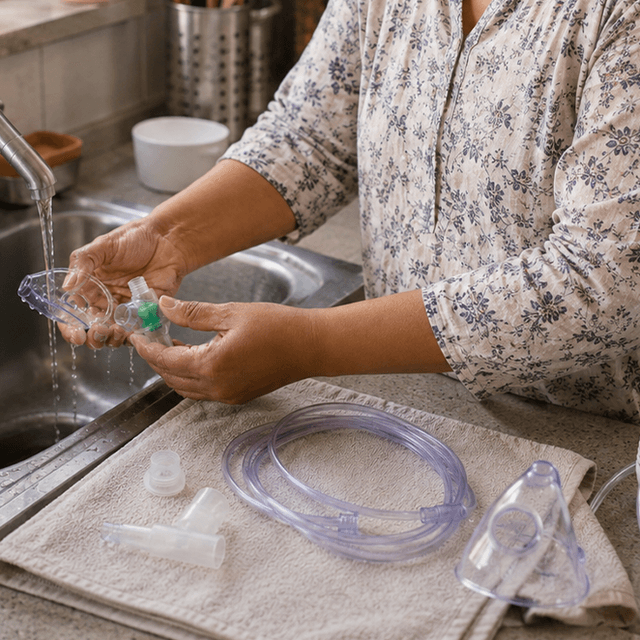
All reusable nebulizer components, including the mouthpiece, should be washed and dried as per the manufacturer's instructions. Nebulizers should have the seals, cups, tubing and filters replaced as well as the mouthpiece to prevent bacterial growth.
If the prescribed nebulizer treatment causes shaking, a racing heartbeat, chest discomfort, severe dizziness, or worsening of breathlessness, stop and contact medical assistance. Seeking medical assistance for any of the following symptoms (blue or grey lips, difficulty speaking in full sentences, confusion, passing out, or sudden intense chest pains) is also necessary.
Incentive Spirometer vs Nebulizer: The Key Difference
The primary mechanism of an incentive spirometer and a nebulizer is different. An incentive spirometer is used for deep breathing exercises and lung expansion, while a nebulizer delivers a prescribed medication. Neither device will give a reason for your parent's breathlessness. Note that using a nebulizer is passive with medication whereas an incentive spirometer is engagement and exertion of the individual.
Some of the tools described here may appear in the same care plan. For instance, a surgery patient may be given a cough-and-deep-breathing routine and asked to perform deep breathing exercises. One device does not replace the other. Follow instructions of care providers on the order of each tool and if one tool should be done prior to the other.
Incentive Spirometer vs. Nebulizer vs. Peak Flow Meter
| Device | Primary purpose | What it does | What it does not do |
|---|---|---|---|
| Incentive spirometer | Deep breathing exercises and lung expansion | Helps the parent practise slow, deep breathing and provides visual feedback | Does not dispense medicine, remove mucus, heal an infection, or reverse an asthma attack |
| Nebulizer | Medication delivery | Converts prescribed medicine into a fine mist that can be inhaled through a mask or mouthpiece | Does not cure the underlying cause of breathlessness |
| Peak flow meter | Airflow monitoring | Measures the maximum speed at which air is exhaled following a deep breath | Does not deliver medication or substitute for an incentive spirometer |
Where a Peak Flow Meter Fits
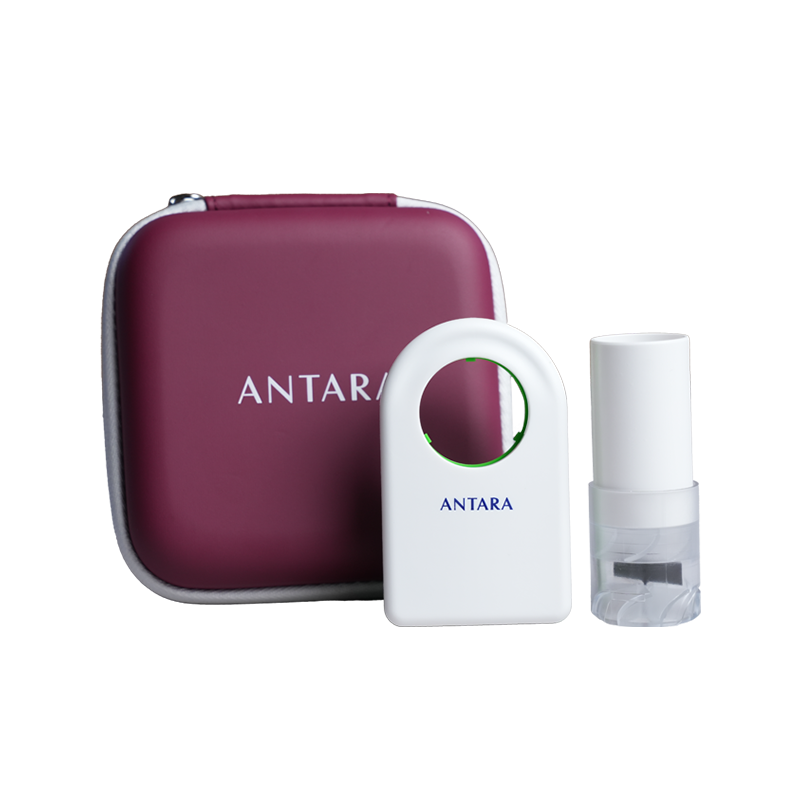
A peak flow meter captures the maximum speed at which air is exhaled following a deep breath. This is called peak expiratory flow. These meters are sometimes used by doctors to monitor asthma or to see how the airway is constricted at different times.
This is a monitoring device. This is not a tool to assist in the delivery of a medication or to substitute for an Incentive spirometer. A reading is useful to the family only if the family has a personalized action plan. The family should also master the technique and record the readings regularly. A single reading should not be used to rule out severe symptoms or to substitute for the advice of a doctor.
If you have been advised by a health care professional to monitor airflow at home, then AGEasy Premium Peak Flow Meter can be used. Ensure that you have the instructions for this device reviewed by the care team, learn the proper technique, and keep a record of readings along with symptoms and the treatment that has been prescribed.
Selecting the Right Product for Your Ageing Parent
Don't choose a product based on the name. Talk to the healthcare professional and answer these questions.
Why is the healthcare professional suggesting this product? Is it medication delivery, a deep breathing practice, or airflow monitoring? What stage of a given condition or recovery is it designed to assist? How often does your parent need to use it, and for how long? What should prompt a care team call? What parts are there, and what needs to be replaced?
Consider the strength, vision, hearing, hand control, memory, and comfort level of your parent. Is there a need for a caregiver to assist with a mouthpiece for your parent if they have tremors? Is there a need for spoken directions to a visual marker for parents with poor vision?
Keep products within range yet out of the reach of children. Keep medication out of the reach of children and away from heat. Each product can be labeled if multiple products are used in the household. A routine that is practiced near the bedside helps prevent confusion around medication, treatment, and exercise.
Often, clinicians recommend home nebulization and monitoring of airflow. In such cases, you can review the AGEasy Breathing Care Combo.
Please confirm the contents and instructions on using the product before you make the purchase. Product selection should also be based on the care plan, especially if your parent has heart disease, asthma, chronic lung disease, recent surgery, or oxygen therapy.
Seek Immediate Medical Care when Routine Relief is needed
When you have severe new or worsening symptoms, do not use a home medical device. Seek immediate care for symptoms of severe difficulty with breathing, confusion, loss of consciousness, blood in sputum, chest pain, trouble speaking in full sentences, and lip/chest discoloration (grey/blue). Also, seek care if your peak flow reading suddenly decreases in accordance with the action plan, given by your doctor.
Contact your doctor if your parent needs more treatments, develops a fever, behavioral changes (sleepiness), sputum (newness or change in type), cough (change or presence), difficulty in completing breathing exercises.
Confusion, weakness, disinterest in food, and disorientation can be symptoms of infection or low oxygen.
Distinguishing the Three Devices
Incentive spirometers help practice lung expansion. Nebulizers help administer prescribed medicines in mist form. Peak flow meters assess airflow performance, and each has its purpose. However, none should be a replacement each other.
The most helpful device for relief has a clear medical function and instructions, requires periodic cleaning, and assessment of your symptoms. Your presence can help your parent feel more confident, but healthcare providers make the diagnosis and treatment decisions.
Disclaimer
This article is not meant to give medical advice. Speak to your doctor before you add, remove, or modify your respiratory treatment for an older adult. Call for help if you or someone you know has severe or sudden breathing problems.