

Hallux Valgus: The Medical Name for Your Parent’s Bent Big Toe
Sep 18, 2026
Hallux Valgus: The Medical Name for Your Parent’s Bent Big Toe
Older adults may develop a big toe that points toward the other toes. It may appear to be only a sign of ageing, but it can lead to shoes rubbing against the foot and increased discomfort during everyday activities.
Though a bunion may appear to be only a cosmetic deformity, it can affect balance, foot shape, footwear, and confidence while walking. Bunions should be evaluated when your parent experiences pain, swelling, stiffness, or reduced mobility because these symptoms may worsen.
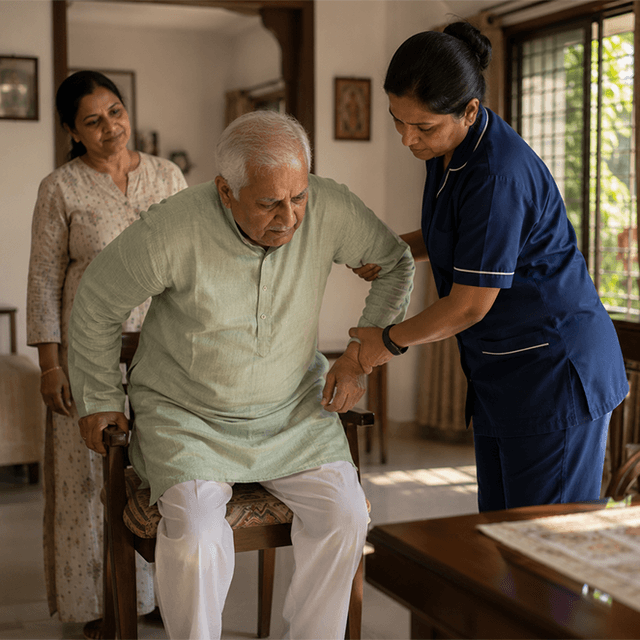
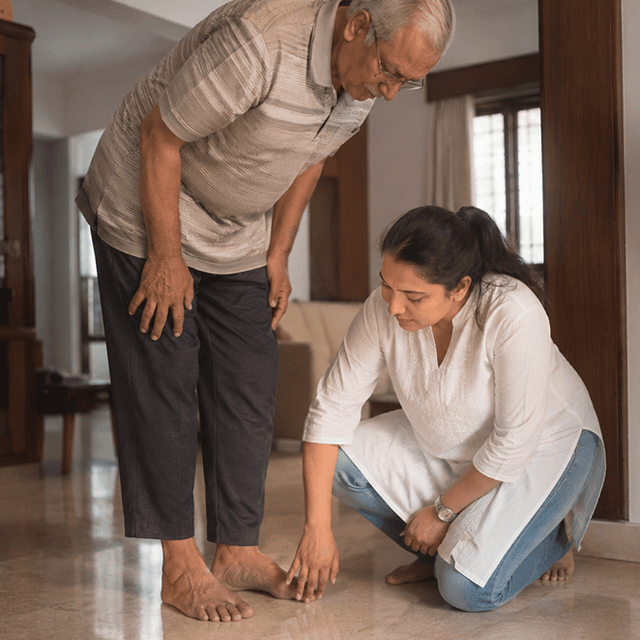
As a caregiver, your role is to help ensure that your parent’s activity level is not negatively affected by changes associated with ageing. Caregivers should not try to make a medical diagnosis. Instead, notice abnormal changes, help schedule medical visits, and support safer and more consistent foot-care habits.
What Is Hallux Valgus (Bunions)?
Hallux valgus is a deformity in which the great toe angles toward the other toes, often causing a prominence at the base of the toe.
Not all bunions occur for the same reasons. Contributing factors can include family history, joint changes, inflammatory arthritis, foot structure, and shoe wear. Tight or pointed shoes can increase pressure on the joint at the base of the great toe as the toe begins to move away from its normal position.
A new bump, a change in an existing bump, or a newly painful feature should be examined by a healthcare professional rather than being assumed to be a bunion.
Signs Caregivers Should Notice
Your parent may not mention foot discomfort until it begins to interfere with daily activities. Caregivers should look for changes such as:
- Formation of a hard lump on the inside of the foot at the big toe joint
- The big toe increasingly angling toward the second toe
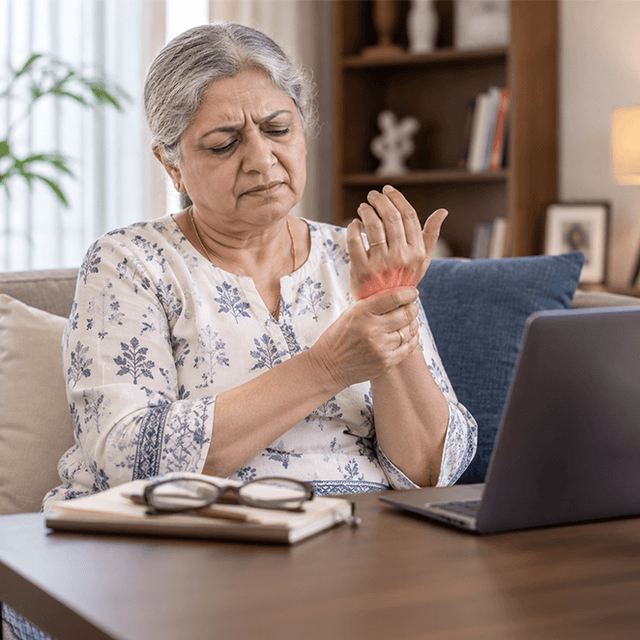
- Redness, warmth, swelling, or thickened skin over the joint
- Pain while wearing shoes
- Pain after standing or walking
- Restricted movement of the great toe
- Friction, blisters, or corns near the toe
- Avoidance of daily activities such as shopping or social visits
Pain may occur while walking or wearing shoes. However, arthritis, nerve pain, gout, previous injuries, and other foot conditions can cause similar symptoms.
When Is a Doctor Visit for Your Parent Necessary?
Your parent should see a doctor if normal activities become more difficult because of pain, if pain interrupts sleep, if shoes become uncomfortable, if walking is limited, or if the joint becomes inflamed and swollen.
An appointment is also important if there is a rapid change in the deformity or if your parent has diabetes, poor circulation, reduced sensation, or a history of foot ulcers.
Seek prompt medical evaluation for an open sore, severe pain, spreading redness or warmth, fever, inability to bear weight, or unusual changes in foot colour.
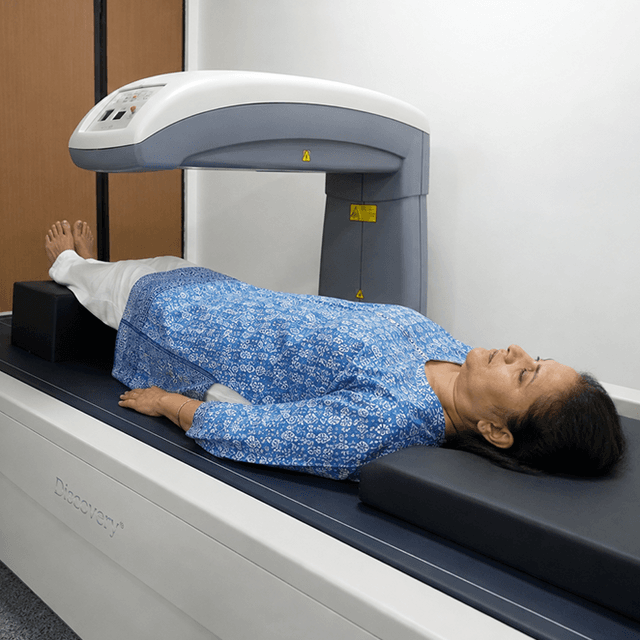
X-rays may help evaluate symptoms and plan the next steps in treatment. They can also help determine whether the bones are properly aligned. During an assessment, the doctor may observe your parent while standing and walking.
Hallux Valgus in the Senior Population
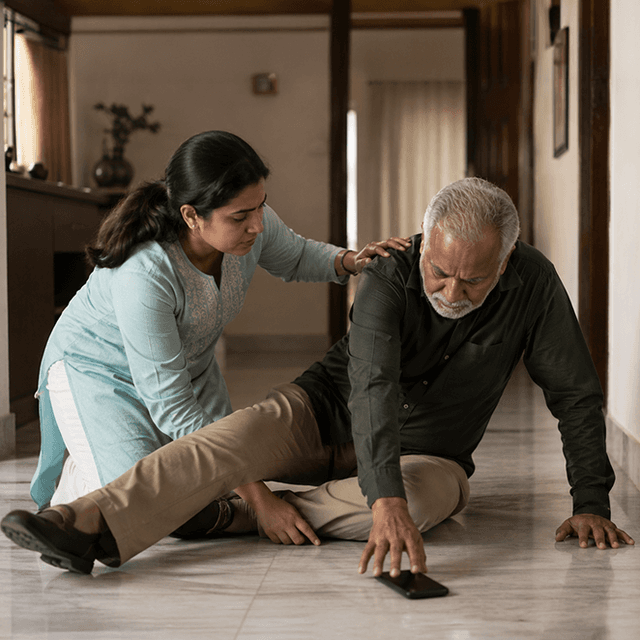
Many older adults experience foot pain. Walking may slow down, steps may become shorter, and physical activity may decrease. Your parent may begin holding on to furniture, avoiding difficult stairs, or walking only on familiar surfaces. Reduced activity can increase concerns about falls.
Some footwear may seem practical but may not provide enough safety. Loose slippers without adequate treads can become particularly hazardous on wet or smooth floors.
Reduced activity can also contribute to joint stiffness and affect overall health and independence. Caregivers should therefore focus on maintaining a safe and appropriate level of activity.
Footwear and Daily Comfort
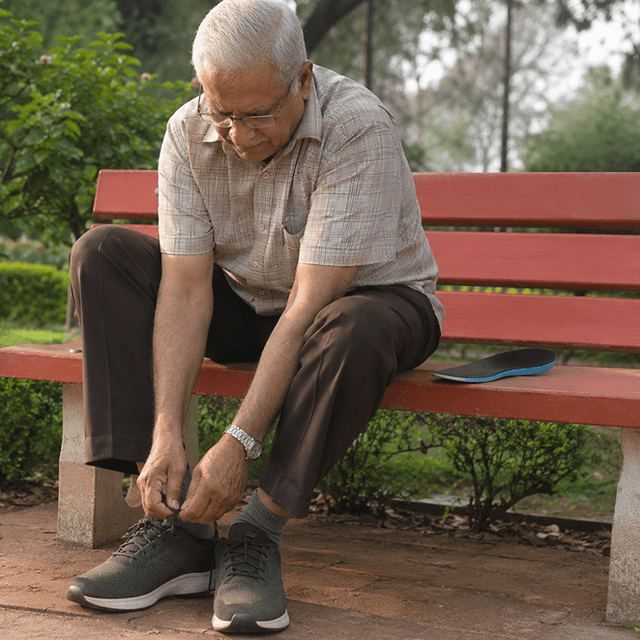
A bunion corrector may be considered for comfort and support when appropriate. However, supportive devices do not restore skeletal alignment to normal and should not replace professional assessment when symptoms are significant.
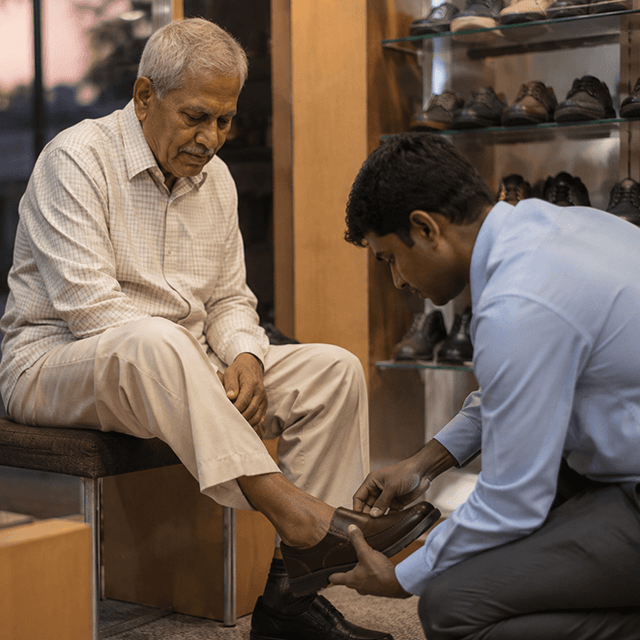
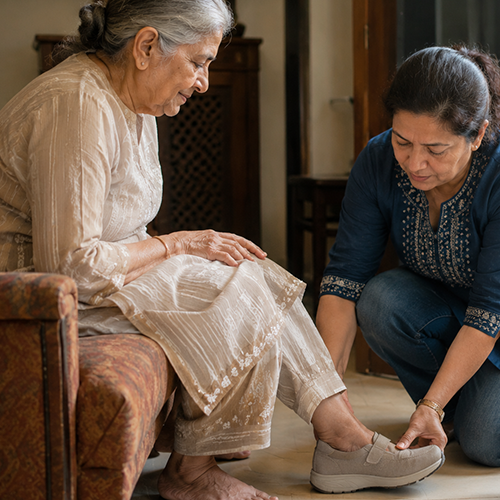
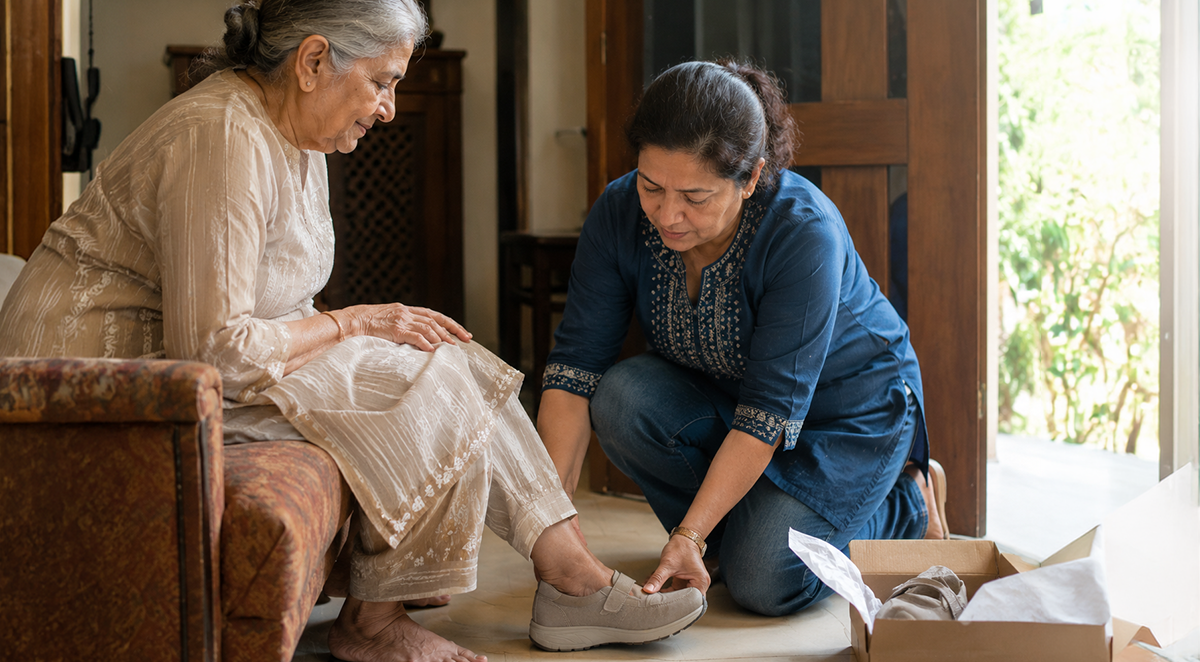
Shoes with a wider toe area can provide more room around the bunion. Soft and flexible materials can reduce unnecessary contact and rubbing. Shoes should have low, stable heels. Trying on shoes later in the day, when the feet may be more swollen, can help ensure a comfortable fit.
Pointed, narrow, or tight shoes that press against the bunion should be avoided. Your parent should also avoid forcing the big toe into a straight position with tight devices or stretchers.
Padding, orthotics, and other devices prescribed by a podiatrist or medical doctor may help manage symptoms and support function. However, these devices do not return the skeletal alignment to normal.
Diabetes, reduced sensation, and poor circulation in the feet may delay healing of a sore or injury. Check both feet every day for cuts, broken skin, colour changes, swelling, and warmth. Areas that are red or swollen should receive particular attention. Even a small sore should be shown to a doctor promptly.
Hallux Valgus Treatments
The recommended treatment depends on the level of pain your parent is experiencing, how Hallux Valgus affects their ability to function normally, how flexible the foot joints are, and their overall health.
Initial management may include wider shoes, protective padding, pain relief, shoe inserts, and foot exercises when recommended by a doctor.
Surgery is not always recommended for bunions. A specialist may consider surgery when persistent pain is limiting normal walking, particularly when other treatments have not provided sufficient relief. Surgery can correct the alignment of the foot and alleviate bunion-related symptoms, but it involves recovery time, aftercare, and potentially specialised footwear.
Surgery is generally considered when symptoms significantly affect daily activities and nonsurgical treatments have not provided sufficient relief.
How Caregivers Can Prepare for an Appointment
Take pictures of the foot whenever swelling or redness is most severe. Also document when pain occurs, which shoes cause problems, how far your parent can walk, and whether symptoms disturb sleep or interfere with daily activities.
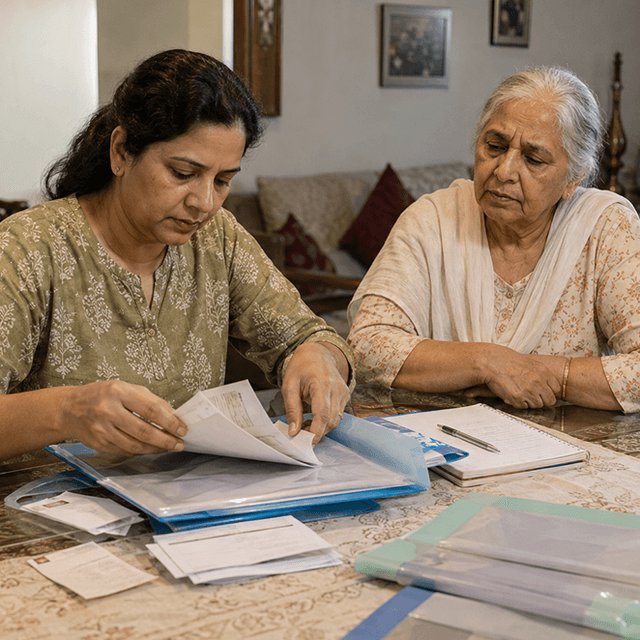
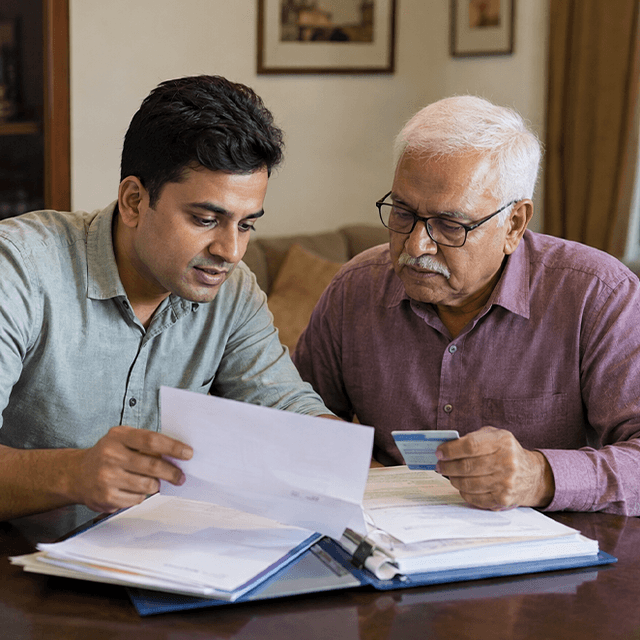
Make a list of your parent’s medications, supplements, medical conditions, existing foot problems, diabetes or circulation concerns, and previous complications. Bring their shoes to the appointment, as they may provide the clinician with useful information about walking and pressure distribution.
You can also ask the clinician:
- Why does your parent have a bent toe?
- Does your parent need an X-ray?
- Which shoe or support is most appropriate for the foot?
- Which exercises can be done safely?
- What warning signs require immediate attention?
- Should your parent see a podiatrist or an orthopaedic specialist?
- What can your parent expect if surgery is performed?
Helping Your Parent Stay Independent
Hallux valgus can affect the choice of shoes your parent wears, alter the way they walk, and interfere with daily activities. Comfortable footwear is often an important first step toward maintaining independence.
Other measures can also help your parent stay safe and independent, such as checking their feet daily, keeping floors free from slip hazards, and seeking timely medical care when symptoms appear or worsen.
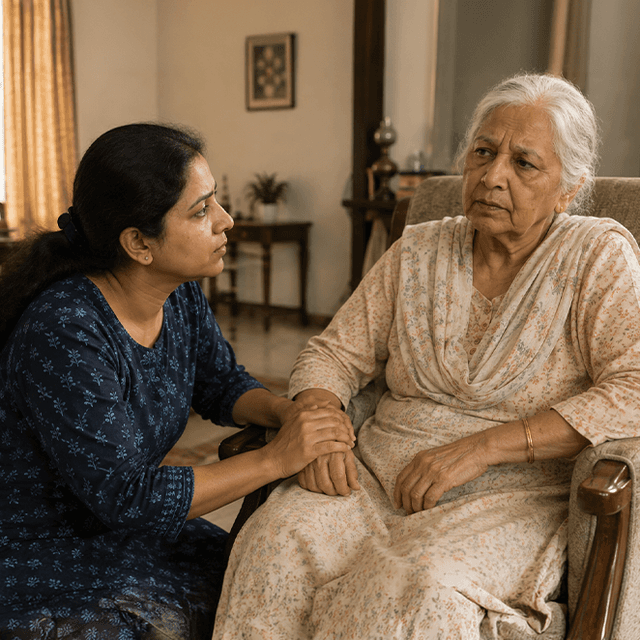
Always communicate respectfully with your parent. Avoid describing the foot negatively or treating the altered appearance as something that needs to be hidden. Focus instead on your parent’s comfort, safety, and ability to continue performing the activities that are necessary and meaningful to them.
Disclaimer
This article is for general education and does not replace examination, diagnosis, or treatment from a qualified healthcare professional. Seek medical attention for pain, swelling, wounds, sudden symptoms, diabetes-related foot issues, issues with balance, or walking. AGEasy products are intended to provide comfort and support with everyday safety. However, the product range is not a substitute for medical care.