

Flat Feet After 50: Why Arches Collapse With Age and What Insoles Do
Sep 7, 2026
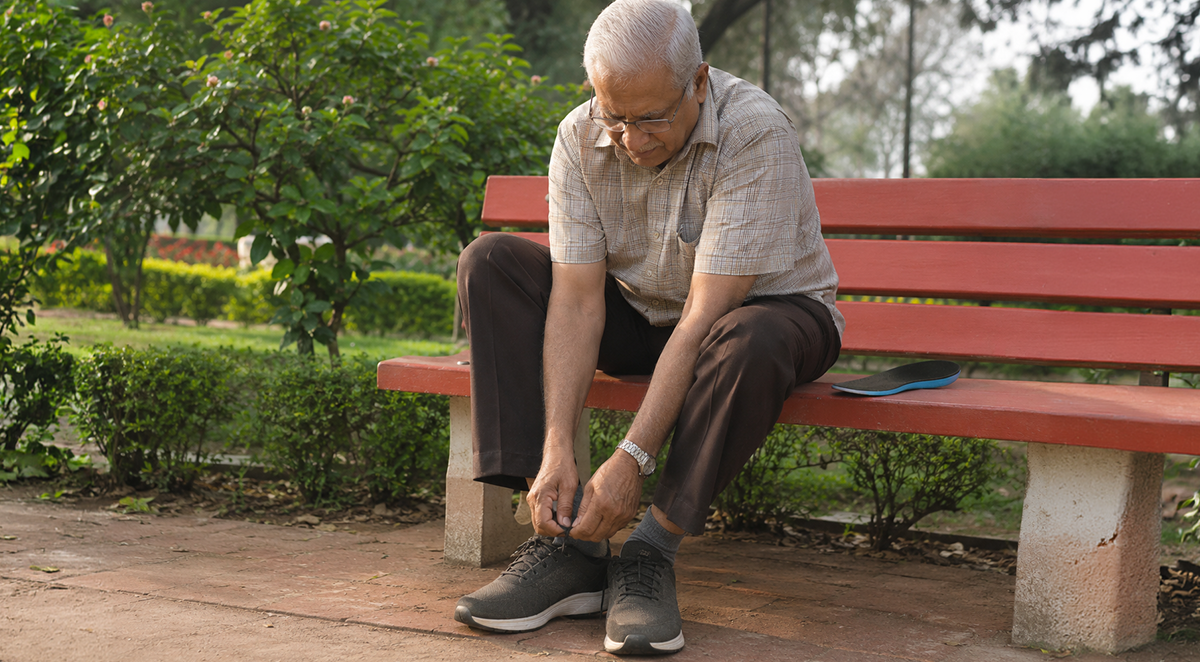
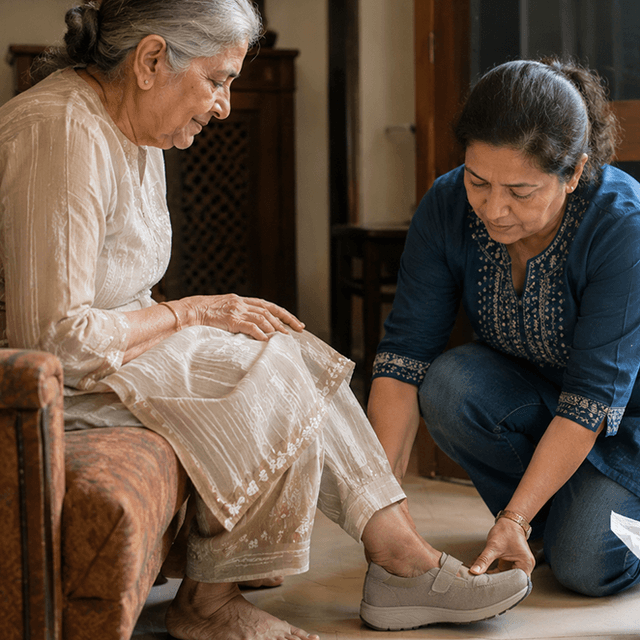
Flat feet typically develop over time. You may notice uneven wear on your parent's shoes, pain after a walk, or discomfort around the knees or ankles. Your parent may also begin avoiding evening walks because their feet become tired or painful.
Areas that are often overlooked, such as tendons, ligaments, and muscles, can gradually weaken and affect the joints. As these structures become weaker, the arch of the foot can begin to drop.
Flat feet are not simply a cosmetic concern. Changes in the arch can affect how pressure is distributed through the foot and how impact is transferred to other joints, including the ankle, knee, and leg.
Insoles are often considered when someone develops flat feet. However, the type of insole your parent needs depends on their symptoms and the reason their arch has changed. More support does not necessarily mean better support, and an inappropriate insole may cause additional discomfort.
Keep an eye out for new foot pain, shorter walking distances, uncomfortable shoes, uneven shoe wear, or a noticeable change in the shape of your parent's foot.
Insoles can provide cushioning and support, but they will not restore a lost arch. An unsuitable insole may alter your parent's normal walking pattern, create discomfort, waste money, or delay appropriate assessment of a foot, joint, or tendon problem.
Appropriate foot care and support can help your parent walk more comfortably, distribute weight more evenly, and feel more confident in their footwear.
Why Do Flat Feet Develop After 50?
The arch of the foot depends on several structures working together, including muscles, ligaments, joints, and tendons. One of these is the posterior tibial tendon, which runs along the inner side of the ankle.
As we age, these tissues can become less strong and flexible. Years of standing, injuries, weight changes, poorly fitting shoes, and conditions such as arthritis can further affect the structures that help support the foot arch.
Some people are born with flat feet, while others develop them later in life. If one foot becomes flat while the other does not, it is particularly important to have the change assessed.
Pain, injury, or inflammation involving the tendons that support the foot can also contribute to changes in the arch.
Flat Feet Symptoms to Watch For
Not everyone with flat feet experiences symptoms. Some people can stand and walk without discomfort. However, fatigue and pain can make everyday activities more difficult.
Common symptoms may include:
- Pain along the inside of the foot or ankle
- Pain around the heel or arch
- Tired feet after walking a short distance
- Swelling along the inner ankle
- Uneven wear along the inner side of shoes
- Frequent ankle rolling or reduced balance
- Pain in the knees, hips, or lower back after activity
- Difficulty finding comfortable shoes
Ask your parent to describe where the discomfort occurs and what it feels like. Pain that is worse in the morning may have a different cause from pain that develops after walking for several hours.
These details can help a healthcare professional understand what may be contributing to the symptoms.
How Can Flat Feet Affect Walking?
The arch of the foot helps distribute pressure when the foot comes into contact with the ground. It also helps the foot adapt to different surfaces and contributes to efficient movement.
When the arch becomes lower, the foot may roll further inward. This is known as overpronation. It can change the position of the ankle and lower leg, which may alter the way stress is placed on the knees and hips.
This does not mean that flat feet automatically cause joint pain. However, when flat feet occur together with pain or balance problems, the symptoms should be evaluated.
The Importance of Choosing the Right Footwear
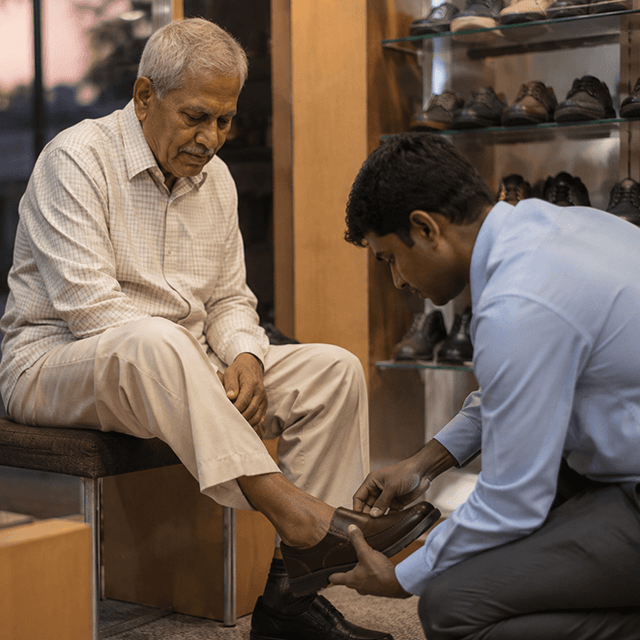
Everyday shoes should provide a firm sole, a heel that stays securely in place, and enough room for the toes.
Your parent should be able to move their toes without the heel slipping out of the shoe.
Choose shoes that provide enough room for the toes to spread naturally. Avoid footwear that feels narrow, painful, or restrictive.
Always check the shoe size on both feet because the shape and size of one foot can be slightly different from the other.
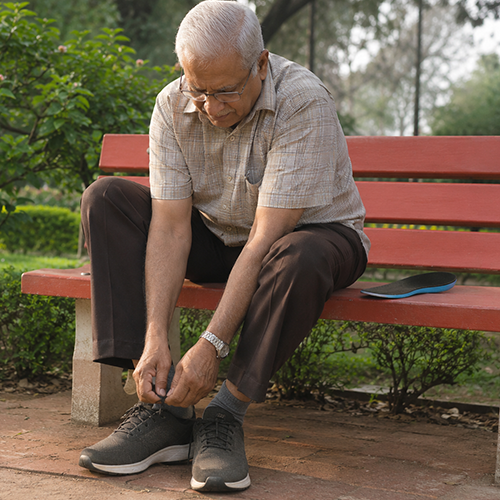
If the existing shoe insole is removable, take it out when assessing the fit of the shoe or replacing the insole. Insoles are available in different sizes and thicknesses, so the replacement should fit comfortably within the available space.
When Might Insoles Help?
If your parent spends a long time standing or walking each day, an insole may provide cushioning and help distribute pressure across the foot.
The AGEasy ArchPro Insoles for Flat Feet are designed to support the foot arch and redistribute pressure. They are intended for use in everyday closed footwear, and the fit and size should be considered before use.
Insoles and cushioning footwear may help ease stress and discomfort in the foot, but they cannot repair tendon damage, reverse arthritis-related changes, or restore a collapsed foot arch to its original shape.
If your parent's symptoms continue, a doctor or other appropriate healthcare professional should assess the underlying cause and determine whether additional treatment or support is needed.
How to Safely Introduce Insoles
A new insole may feel different initially. Give your parent time to adjust rather than asking them to wear it for an entire day immediately.
Start by using the insole for around 30 to 60 minutes at home or during a short walk. Check how your parent's feet feel after the activity.
Stop using the insole if your parent develops increased pain in the foot, ankle, knee, or hip, or experiences blisters, numbness, or rubbing.
If discomfort occurs, check whether the insole is positioned correctly and whether it fits properly inside the shoe. If the problem continues, seek professional advice.
Avoid placing a thick insole on top of another insole unless the shoe has sufficient depth and the product instructions specifically allow it. Overfilling the shoe can cause discomfort and may affect balance.
Insoles Should Be Combined With Appropriate Foot Care
Supporting the foot involves more than simply inserting an insole into a shoe. Appropriate footwear, movement, and exercises can also form part of a foot-care routine.
A physiotherapist can develop an exercise plan based on your parent's pain, balance, strength, and medical history.
Examples of gentle foot-care exercises mentioned in the source include:
- Calf stretches
- Controlled heel raises while holding a wall for support
- Picking up a towel with the toes
Rehabilitation exercises should be performed according to professional guidance, particularly for someone recovering from an injury or surgery.
If your parent is increasing their walking distance, do so gradually. More activity can sometimes increase foot or tendon pain. Allow them to rest after activity and check for swelling.
When Should Your Parent See a Doctor or Podiatrist?
Arrange an assessment if flat feet develop suddenly, affect only one foot, or worsen quickly.
Your parent should also be assessed if they experience:
- Constant foot pain
- Swelling
- Weakness
- Repeated falls
- Numbness
- Skin changes
- Difficulty standing or walking
Certain people may require regular foot checks, including people with diabetes, poor circulation, reduced sensation, inflammatory arthritis, or a previous foot injury.
Small areas of pressure or rubbing can sometimes result in serious skin problems when a person has reduced sensation, because they may not feel the damage developing.
Seek medical care promptly if there is a serious foot injury, the shape of the foot changes significantly, or your parent has substantial foot pain and cannot put weight on the foot or stand.
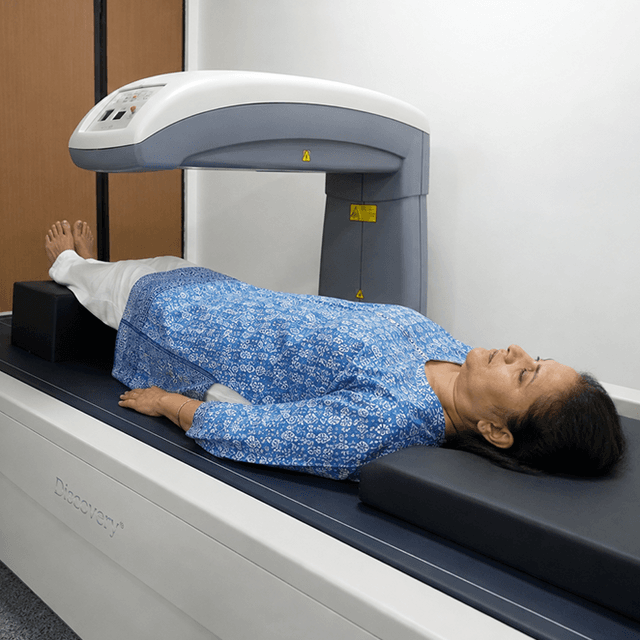
A doctor, podiatrist, or physiotherapist may assess the position of the foot, ankle and foot movement, muscle strength, gait, footwear, and areas of tenderness. Based on the assessment, they may recommend footwear changes, orthotics, therapy, or further investigation.
A Simple Flat-Foot Checklist for Families
Start by noting when your parent's foot pain began and whether it affects one foot or both.
Look at the soles of their shoes for uneven wear and check whether there is visible swelling around the foot or ankle.
Also pay attention to how long your parent can walk before their feet begin to hurt or feel tired.
If you are considering the AGEasy ArchPro Insoles for your parent, check the size and fit first and introduce them gradually.
Make sure the insoles do not cause pain, loss of sensation, rubbing, or imbalance. If they do, discontinue use and seek appropriate professional advice.
Flat Feet After 50: Focus on Comfort and Safe Movement
Flat feet can become more noticeable as people get older and may affect comfort, walking, and confidence. However, not every flat foot requires an insole, and an insole cannot restore a collapsed arch.
Start by looking at the bigger picture: your parent's symptoms, footwear, walking pattern, balance, and how quickly the change has developed.
When appropriate, supportive footwear, carefully selected insoles, gradual activity, and professional guidance can form part of a broader approach to foot care.
If your parent's flat feet appear suddenly, affect only one side, worsen quickly, or are accompanied by significant pain, swelling, weakness, numbness, balance problems, or difficulty walking, do not rely on an insole alone. Arrange an assessment with an appropriate healthcare professional.
The goal is not simply to make the arch look different. It is to help your parent move as comfortably and safely as possible while identifying and addressing the reason for any new changes.
Disclaimer: This article is intended for general informational purposes and does not replace medical advice, diagnosis, or treatment. If your parent develops sudden or worsening flat feet, significant pain, swelling, weakness, numbness, balance problems, or difficulty standing or walking, consult a qualified healthcare professional.