

Rounded Shoulders After 30 Years at a Desk: 6 Corrective Moves for Retirees
Aug 30, 2026
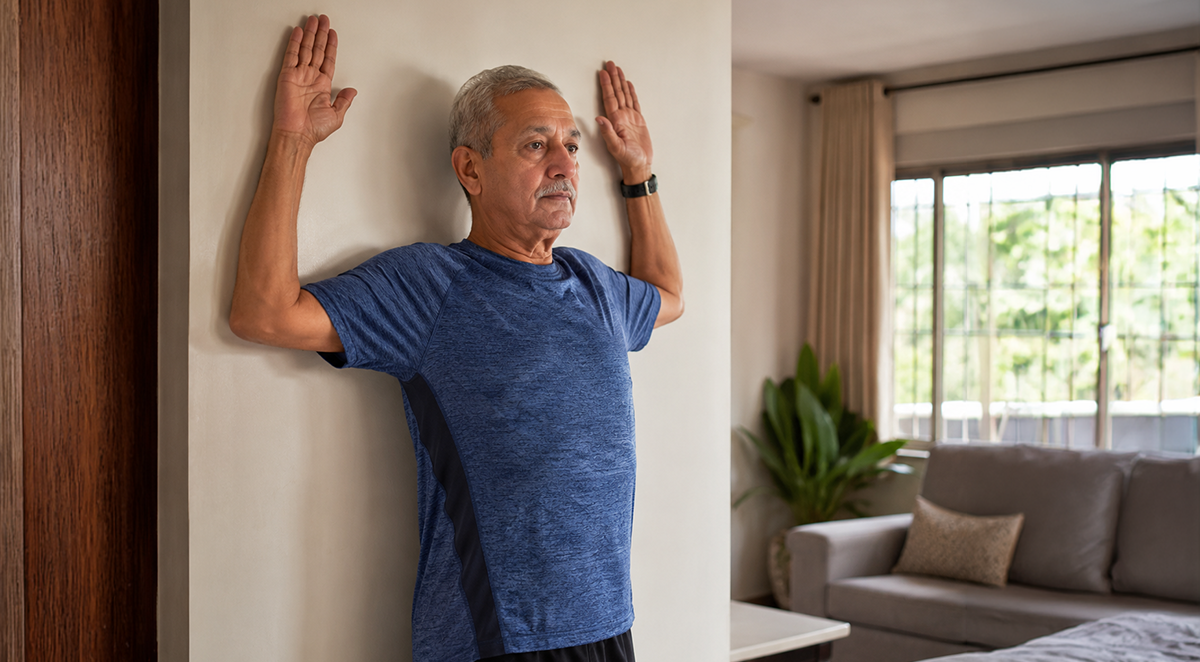
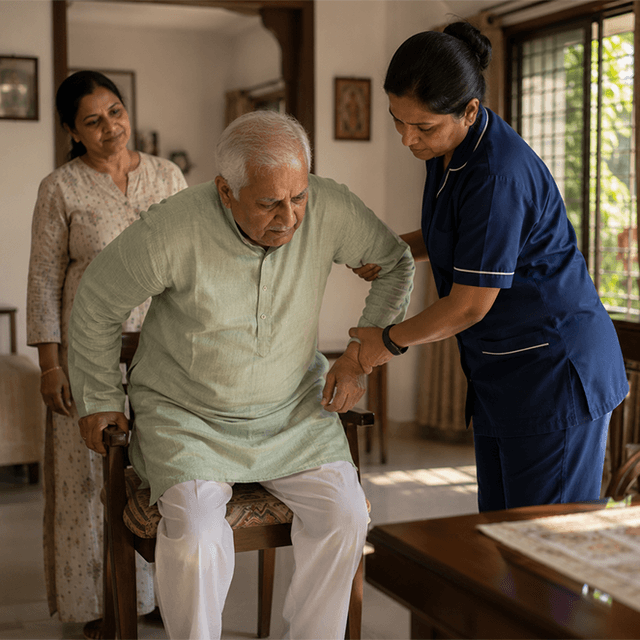
Families often normalize rounded shoulders as a part of aging. After decades at a desk and long hours slouched over a computer, your parent may stand with a slight forward bend, while their head protrudes further forward over their body.
Poor posture does not have to come with age. Sitting for years can create stiffness, weaken muscles, and form movement habits that contribute to poor posture. Your parent can still work on mobility and learn to move better and with less discomfort.
Do not tell your parent to force their shoulders back or sit rigidly upright, and do not encourage them to push through pain or begin an intense workout routine without appropriate guidance.
Gentle, intentional movement can be a better starting point. Non-painful movements such as easy neck stretches, shoulder rolls, and strengthening movements for the upper back and chest can be performed at home as part of a gradual routine.
The goal is to improve your parent's ability to maintain comfortable posture while standing and moving throughout the day.
Without practice, rounded shoulders can contribute to discomfort, stiffness throughout the upper body, and reduced confidence while walking, standing, or reaching. Slow practice and regular movement can help reduce stiffness and support steadier movement.
Why Do We Develop Rounded Shoulders?
Rounded shoulders can develop through a combination of stiffness, weakness, and prolonged poor posture.
Sitting in one position for extended periods can cause the neck to bend forward, the shoulders to round and internally rotate, and the upper back to lose some of its normal movement. Chest muscles can become tight while muscles around the shoulder blades become weaker.
After spending years in this posture, standing upright can feel tiring or uncomfortable even when there has been no specific injury or serious health condition.
Muscle strength, joint flexibility, balance, and bone strength can also change with age. However, your parent does not have to accept a gradual loss of posture as unavoidable. A safer approach is to make incremental changes rather than starting with intense or demanding workouts.
Before Beginning These Exercises
All stretches should be performed slowly. Sharp pain should never be ignored while exercising.
If your parent experiences numbness, tingling, dizziness, chest pain, or shortness of breath, stop the exercise and seek medical attention.
If there has been a recent fall, new pain, weakness, or a significant change in posture, seek evaluation from a doctor or physiotherapist before starting a new exercise routine.
Use a firm chair for seated exercises and make sure there is sufficient space around the exercise area. If your parent feels unstable, perform exercises near a stable wall or countertop where appropriate.
6 Gentle Corrective Movements for Rounded Shoulders
1. Doorway Chest Stretch
Stand facing a doorway with one forearm on the door frame. Bring the elbow up close to shoulder height while keeping the torso relaxed.
Slowly turn the body away from the arm until a gentle stretch is felt along the front of the shoulder and chest.
Hold for 15 to 20 seconds, then relax. Repeat on the other side.
Focus on alignment rather than trying to create an intense stretch. Avoid overarching the lower back.
2. Seated Shoulder Blade Squeeze
Sit in a firm chair with the arms relaxed by the sides. Gently draw the shoulder blades together.
Keep the chin relaxed and the shoulders away from the ears. This movement works the muscles around the upper back and encourages the shoulders to remain down rather than elevated.
Hold for three to five seconds, then release fully. Repeat eight to ten times.
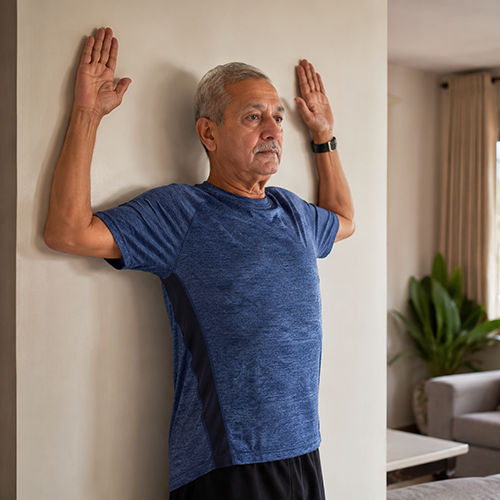
3. Wall Angels
Stand with your back relaxed against a wall. Keep your feet positioned slightly away from the wall and your knees slightly bent.
Place the arms in a relaxed goalpost position against or near the wall, with the elbows bent.
Slowly move the arms upward and then back down to the starting position. Repeat five to eight times.
The back, elbows, or wrists do not need to remain in complete contact with the wall. A small gap is fine. Concentrate on making the movement smooth and controlled rather than trying to achieve perfect contact.
4. Chin Tucks
Relax the chin and gently engage the deeper neck muscles to draw the head backwards, creating a small double-chin position.
Hold for three seconds, then relax.
The movement should not involve moving the head downward. If this position causes pain, tingling in the hands, or a headache, stop the exercise immediately.
5. Upper Back Extension With a Chair
Sit on a firm chair with a medium-height back. Your hands can be placed behind the head or across the chest.
Keep the feet flat on the floor and gently lean the upper back over the edge of the chair.
Return to an upright position after one or two seconds.
The movement should come from the upper back. Do not lean back too far or allow the lower back to arch excessively. A rolled-up towel can be placed across the chair for additional comfort.
6. Wall Push-Ups
Place both palms against a wall at chest height. Position the feet so that the body forms a slight angle with the wall.
Bend the elbows and bring the chest towards the wall, then press through the hands to return to the starting position.
Start with five repetitions and gradually work towards eight to ten as tolerated.
Keep the body relatively straight and avoid slouching during the movement. Wall push-ups place less stress on the joints and can help build upper-body strength before progressing to more challenging variations.
How Often Should Your Parent Practise?
Your parent should aim for a short practice on most days. Begin with one repetition of each movement if necessary. A complete routine can take approximately 10 to 15 minutes.
Keep repetitions slow and controlled and take rest breaks between sets.
Better movement habits can also come from everyday activities. Encourage regular walks, changes in position, and breaks from screens.
Where appropriate, aim to get up every 30 to 60 minutes to perform gentle arm movements, stand, or walk.
Use Posture Support as a Complement, Not a Replacement
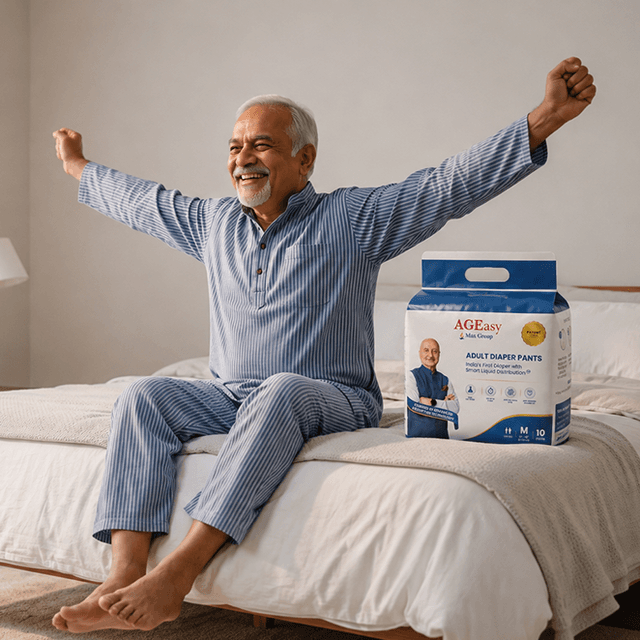
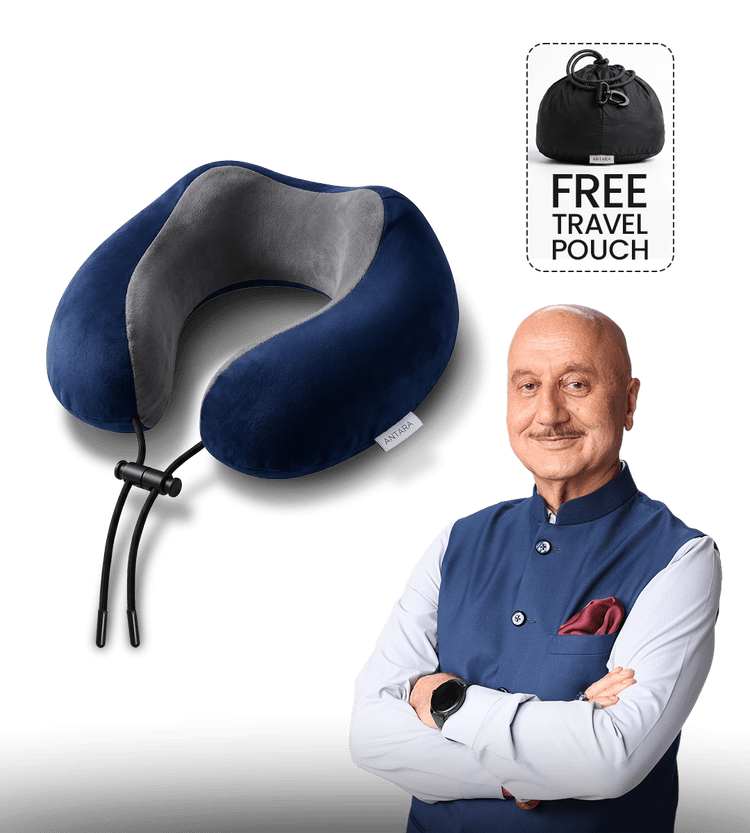
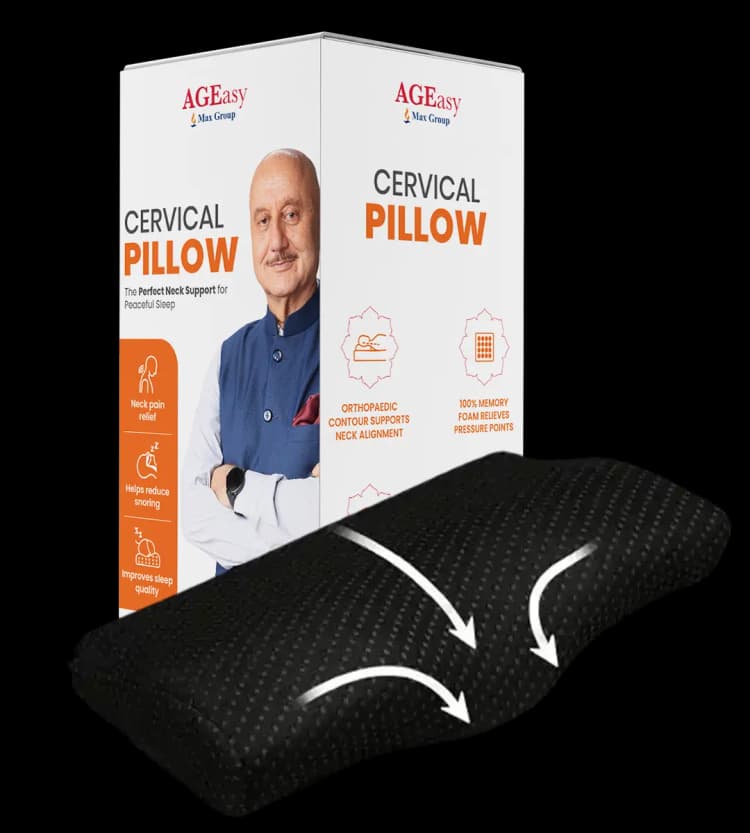
The source mentions the AGEasy Posture Support Kit, which includes a pillow for rest and travel that supports the neck and a lumbar back pillow for desk work or travel. It also notes that the pillows have detachable, washable pillowcases.
For a current AGEasy posture-support option, the AGEasy ErgoLift Posture Corrector is designed to gently support the upper back and shoulders and encourage posture awareness during everyday activities.
A posture-support product should complement movement rather than discourage it. Your parent should avoid becoming dependent on a support product every day. A regular exercise program and physiotherapist-prescribed exercises remain important parts of posture management.
If a support product causes discomfort, restricts natural movement, or makes symptoms worse, stop using it and seek appropriate advice.
When to Seek Professional Help
Rounded shoulders should be assessed by a doctor or physiotherapist if there is ongoing pain, weakness, numbness, balance problems, repeated falls, or difficulty using the arm.
Sudden changes in posture, difficulty breathing, falls, severe pain, or loss of strength should not be managed with a home exercise program. Seek medical attention immediately.
A physiotherapist can assess movement, muscle strength, joint mobility, balance, and daily activities. They can also prescribe and adjust exercises based on conditions such as arthritis, shoulder problems, or recovery after surgery.
Small Steps Support Better Movement
Rounded shoulders after retirement can be influenced by years of movement and sitting habits. Your parent does not need to maintain a rigid posture throughout the day.
Gentle daily exercises, regular movement breaks, and appropriate neck and back support can be part of a gradual approach to improving comfort and movement.
Start with a few repetitions and focus on how comfortable the movements feel rather than how the posture looks. With practice, your parent may gain enough confidence to gradually do more.
Better mobility can support participation in everyday activities and help your parent maintain independence.
Disclaimer: This article is for general informational purposes and does not replace medical advice, diagnosis, or treatment. If your parent has pain, weakness, numbness, balance problems, recent falls, a significant postural change, or other concerning symptoms, consult a qualified healthcare professional before beginning a new exercise program.