

Footwear for Diabetic Patients in India: The 7-Point Fit Checklist
Aug 30, 2026
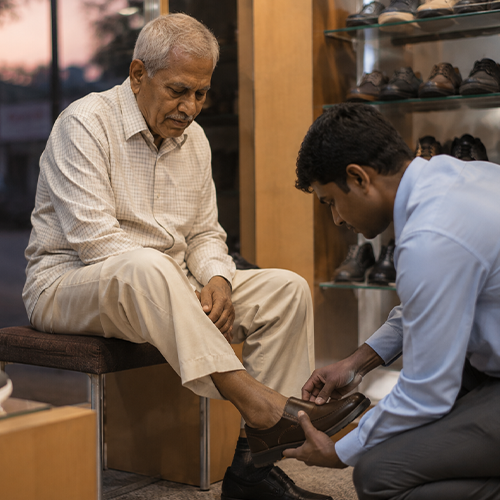
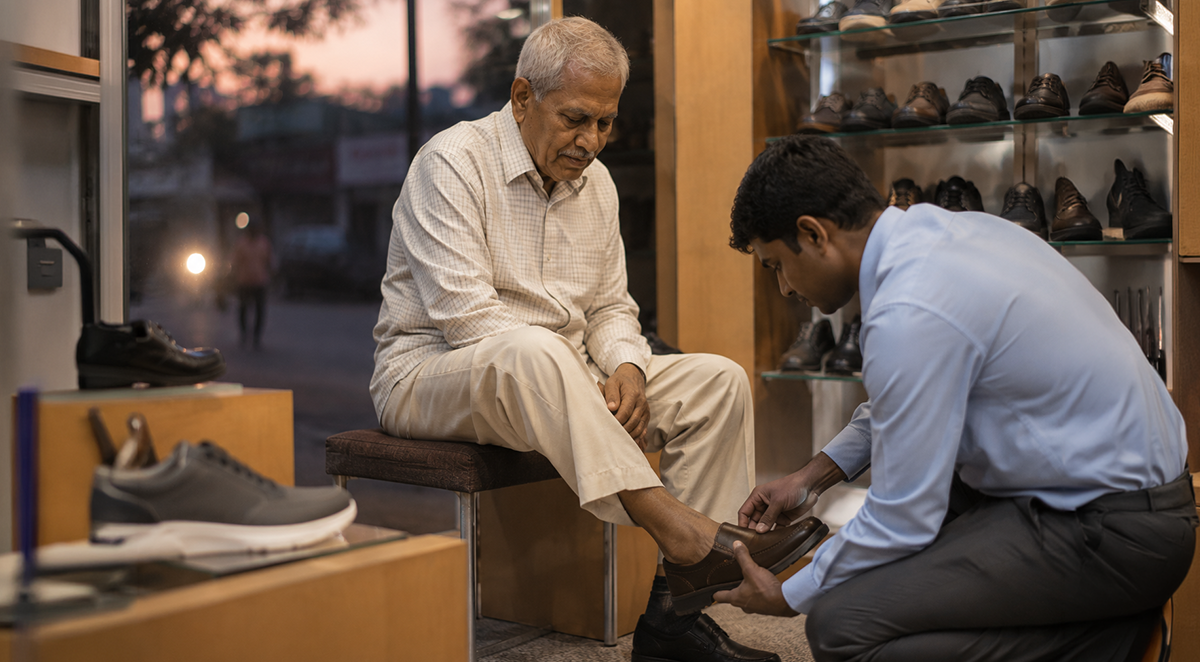
An uneven surface, a damp bathroom floor, or a tight shoe lace can cause a lot of pain to a diabetic person. Footwear is important for the overall comfort of the person, as well as ensuring safety of the skin and supporting balance and also the confidence of a person while walking.
Many people with diabetes check their sugar levels several times and remember to take their insulin, but some forget to check their shoes. There is a misconception that if the shoe looks soft it must be safe to wear. Many people continue to wear their shoes even if they have rough edges, worn out soles, or hard pressure points.
For people in India, footwear must protect the skin, provide support, and work well with the distinctive needs of the Indian weather and lifestyle. This checklist has 7 points and should help you with your selection of footwear.
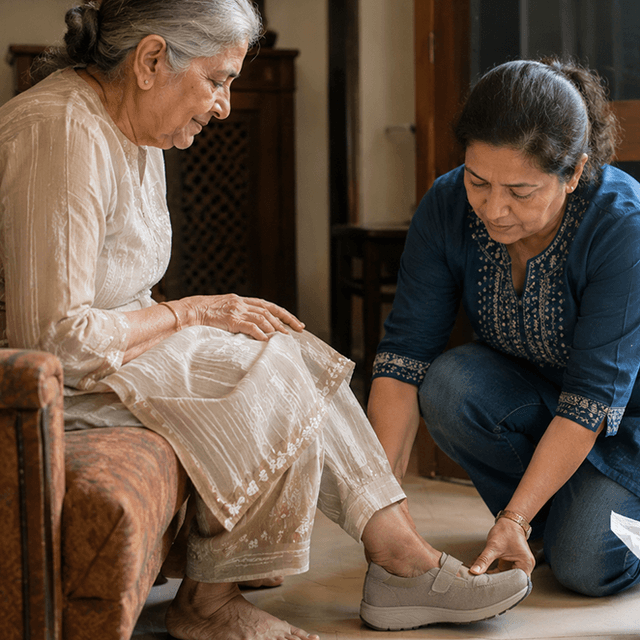
1. Check the Length and Width
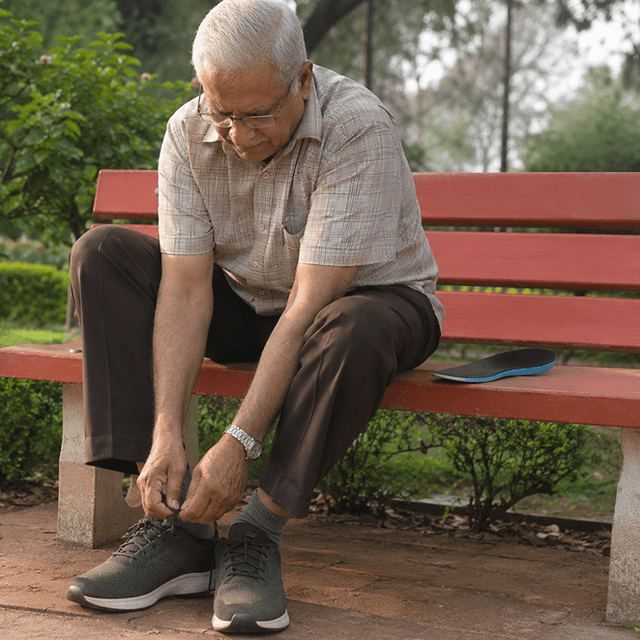
Your toes must have enough room to move. The shoe should not press against the big toe, little toe, or the sides of your foot.
You must measure both feet because one foot is usually slightly larger than the other foot. You must wear shoes according to your larger foot. You must go shoe shopping at the end of the day, because at that time your feet are usually swollen from being on your feet all day.
While checking shoes for fit, you must stand. Your longest toe should have some space and the shoe should have adequate room for the natural shape and width of your forefoot.
Shoes should not be pointed, narrow or formal and should not be one size too small. Shoes should not be worn until they are "broken in."
2. A Smooth Inner Surface
Before putting it on, check the interior of the shoe. Look for any hard edges, loose stitching, or raw seams. Look for unfinished or folded-over lining. Also check the material for unexpected folds in the lining. Look for rough areas that will chafe the skin.
These areas will increase friction with every step causing unnecessary pain. A person with reduced sensitivity in their feet may not notice the irritation right away. A minor cut or blister can become infected quickly and will be troublesome for people with diabetes since small cuts and minor abrasions on the feet become serious risks and must be monitored and/or treated immediately.
Choose shoes that have a smooth inner lining and have a soft inner surface. It would be a good idea to remove the insoles in older shoes to check on the inner surface.
3. Heel Should Not Slip
Tight shoes and loose shoes both present problems. The former increases pressure on toes. Choose shoes with adjustable straps, laces, or fasteners based on your balance and hand strength.
The shoe should not be too tight. The shoes should provide uniform and even pressure throughout the foot.
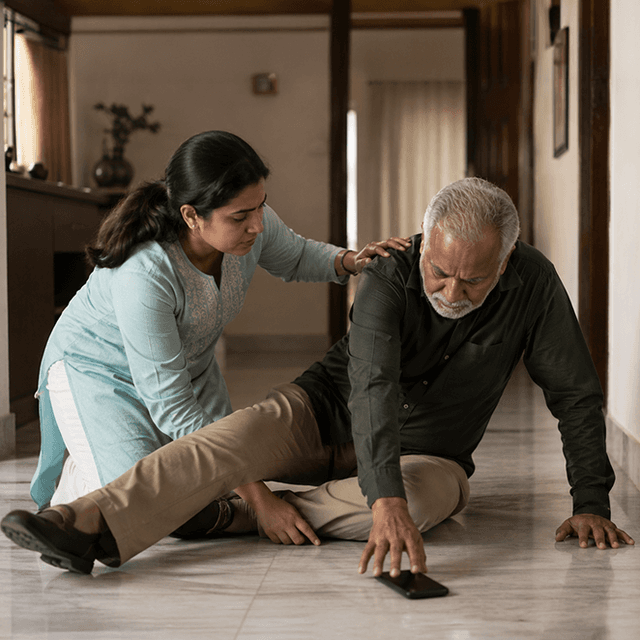
While shoes that easily slip on may feel convenient, if the shoe comes off while you are walking, it will significantly increase the chance of falling. Shoes that require a lot of bending to put on should be avoided by older adults.
4. Assess the Sole and Grip
Soles that contain a convincing amount of grips will help keep you safe from slipping on exterior terrain that is uneven, as well as indoor surfaces that are smooth and wet. There must be some sort of give in the sole to be able to mold to your walking pattern, otherwise you run the risk of changing your balance. A good shoe sole should be flexible.
Smooth soles are dangerous, but stiff and heavy soles aren't much better. Pay attention to the sole when you're looking to purchase shoes. Look for soles that don't have any cracks, worn patches, loose bits, or uneven wear.
At home and out in public, shoes need different things. For example, a home slipper needs to have a secure grip to help you stay safe on polished flooring. Outdoor shoes also need protection from the elements that can be rough and changing, as well as shoes that have the ability to handle dust. Your footwear needs to be able to handle wet flooring because the risk of falling is increased.
AGEasy's Anti-Slip socks help provide safe movement throughout the home for people that prefer to wear socks, and make good slippers. The soles stretch to fit well and provide good grip for lifestyle use. Areas outside of the home need well-fitted shoes to protect your feet from the elements, as well as harsh surfaces.
5. Pick Breathable Materials
India is a very hot and humid country. The summer and monsoon seasons are even worse. Footwear needs to be made with proper ventilation to help alleviate your feet from an uncomfortable amount of sweat. It's important to get footwear with breathability and plenty of air space. Sweaty footwear becomes traps for irritation that you never want to experience.
Make sure your feet are fully dried, especially the areas between your toes, when you're done bathing. The shoes you have should never stay damp from the elements or sweat from your body that you shouldn't have to shield yourself from, so avoid continuous use of damp shoes. Let your shoes fully dry before use.
Unless your doctor advises you to, avoid using moisturizer between your toes. Excess moisture in that area can lead to skin problems. Follow your doctor's advice for cracked skin, fungal infection, or itching that will not go away.
6. Check Your Feet Each Day
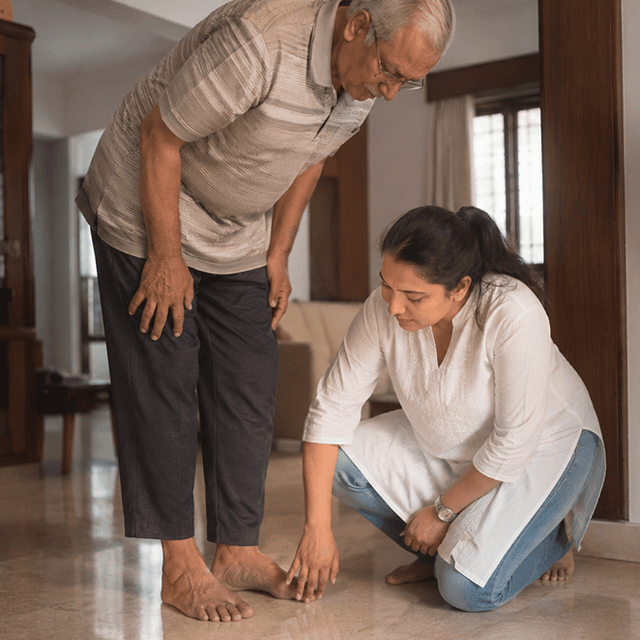
Foot checks and good footwear go hand in hand. Each day look at the top, bottom, sides, heels, and spaces between your toes. Use a mirror or ask for help from a family member if you are unable to look at the bottom of your feet.
If you have diabetes, look for changes in the skin like redness, swelling, blisters, cuts, cracks, sores, bruises, injuries that are bleeding, and drainage. Look also for changes from pressure like redness, pressure marks, or sores caused by footwear.
Check your socks. Socks should fit well and not have tight bands, thick seams, or damp spots. Change your socks if they become wet or if they sweat. Wash socks often and do not share your shoes with anyone.
Healthcare professionals recommend that people with diabetes who have reduced sensation or circulation should not go barefoot unless under explicit instruction. There are many dangerous things on the floor like sharp objects, hot surfaces, rough textures, and undetected injuries.
7. Break in Footwear Slowly
Slowly introducing new shoes is important. Only wear them in your home to start, and then check your feet after the shoes are removed. Look out for discomfort, redness, and visible marks on your feet.
Do not attend a long event, travel day, religious visit, or long walk until you have tested the shoes at home.
Pack spare socks for longer excursions. If rubbing is present, remove shoes and check the affected area. Do not cover the rubbing area and keep walking without finding the cause of the rubbing.
Shoes for Daily Use
For daily wear shoes, you will want something with a firm grip and a secure fit, while still having support and cushioning. The daily wear shoe has to fit your doctor or specialist's advice and the ability you have to walk.
There is a definitive need for home shoes, but they must be secure and still fit the floors of your home. Don't wear worn out slippers!
No shoe substitute in the bathroom will maintain a firm grip, and is why you need to keep the bathroom free of water to maintain safety. You can use an Anti-Slip Mat with Foot Scrubber from AGEasy as a great addition, but shouldn't be viewed as a substitute for bathroom safety.
If you have a prior foot ulcer, amputation, swelling, lack of sensation, or have been called high risk because of pressure injuries you may require additional special footwear. Seek professional advice prior to purchasing and using custom fitted orthopedic shoes or insoles. Something someone else feels is beneficial may be detrimental to you.
When to Seek Professional Help
Contact your doctor or specialist's office for the following: increasing swelling, redness, heat, pus formation, increasing pain, worsening of skin color, open sores, blood coming from the foot, and skin necrosis or an unimproved mark on the skin after removal of shoes.
Damaged nerves or reduced blood flow do not define how severe an injury is. Take the guidelines your diabetes care team provided for foot care and follow them. Avoid self-removal of corns and calluses. Never use a heating pad or hot-water bottle on numb feet, because reduced sensation can prevent you from noticing burns.
A 7-point footwear check takes almost no time but can reveal problems that would interfere with normal walking. While picking your footwear of the day consider fit, protection, and how you can alter the gripping and ventilating potential of the shoe to fit your day. Check on yourself daily for any footwear changes and replace any footwear causing pain or discomfort. Go to a clinic for an evaluation when you notice a foot change.
The health information in this article is not a substitute for professional medical advice.