

Travelling Home for Rakhi With an Elderly Parent: A Dignity-First Checklist
Aug 30, 2026
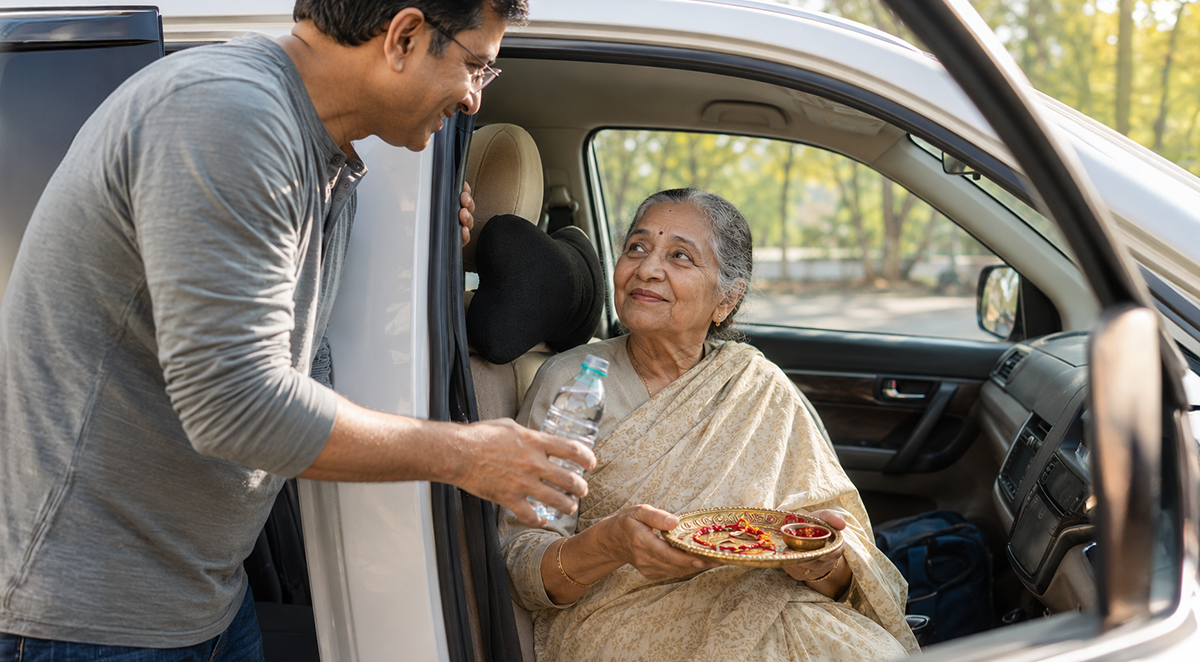
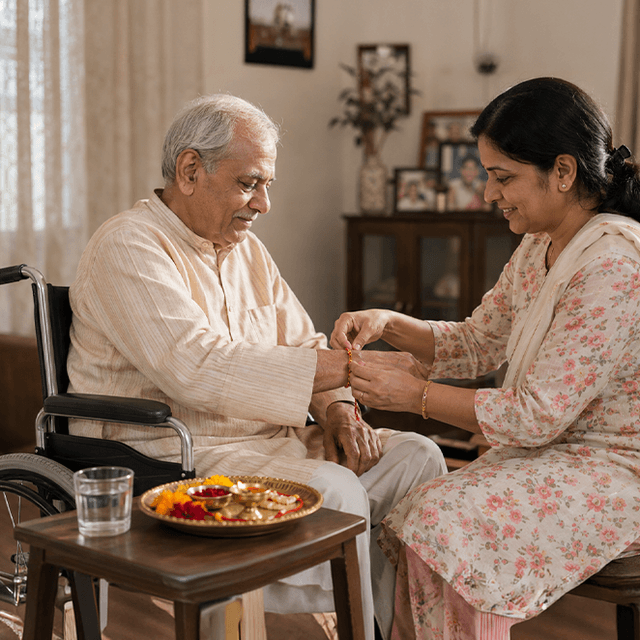
Rakhi calls us home. It becomes the hardest part of celebrations to reach home when our parent starts growing old.
Planning becomes more important for medicine, bathroom stops, long waits, and lengthy journeys on the road. A lot of time is spent stressing about Mum's comfort and safety while worrying about the long journey itself.
The most common mistake is to focus on the destination and not plan everything the parent will need on the journey.
Stop focusing on things like the cost of the ticket, the duration of the travel, luggage, and whether your parent thinks they can manage one more trip.
Instead, focus on your parent's comfort and plan for things like the distance to the gate from the airport entrance, how to arrange for station assistance and a wheelchair, and how to bring medicines and keep the medical information near. Plan bathroom stops and rest stops for the night too.
Planning the journey properly is key to traveling along with a parent who is growing old.
Poor planning creates unnecessary exhaustion before celebrations. Your parent may start feeling embarrassed to seek help, skip meals and medicines to avoid making others inconvenient, and decide not to attend celebrations.
Thoughtful planning allows your parent to travel without feeling anxious, brings the much needed assistance and routines, and encourages them to enjoy Rakhi.
This guide provides travelling tips for Rakhi regarding old parents that include plans for moving around, medicines, food, rest breaks, and luggage that allows old parents maximum independence during the journey without violating their dignity.
Focus on Your Parent's Likes First
A few days prior to the trip, begin the conversation to understand your parent's likes and how they prefer to travel and what concerns your parent may have. Some of the things you may want to ask your parent about are:
- Transport
- Time
- Access to toilets and how far they are at transit points
- Food and water
- Rest and personal care
- How much assistance they may need
Avoid making all the decisions for your parent. Talk directly to your parent. Even if family members are offering to help, try avoiding making unilateral decisions. Focus instead on creating travel-related options.
A prior trip to a nearby location to assess comfort level and stamina of an elderly parent may help prior to the Rakhi trip.
Choose the Safest Travel Option
Direct routes are not always the easiest options, the longest drive may in fact be the shortest overall route. Some factors to consider:
- Total travel time
- Number of different trips
- Access to safe and accessible facilities
- Assistance needed for boarding/leaving a transportation medium
- Travel conditions
- Weather
- Medical conditions
- Length of path to facility
- Assistance needed for parking
Train travel requires more advanced planning for accessible seating as well as a good understanding of the level of assistance for wheelchairs provided. Inform the traveling airline of your required assistance for air travel. For driving, make sure to plan for breaks before your parent becomes fatigued and uncomfortable. A high level of flexibility must be maintained. Having high levels of flexibility and advanced planning before the trip greatly minimizes hassles during travel.
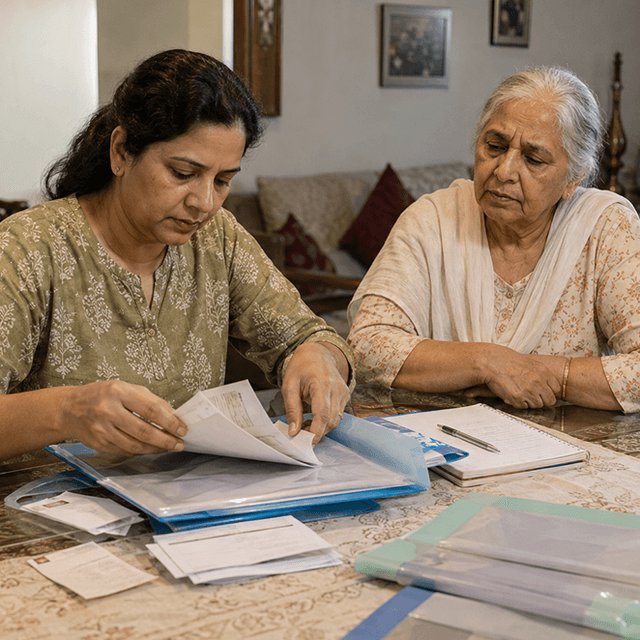
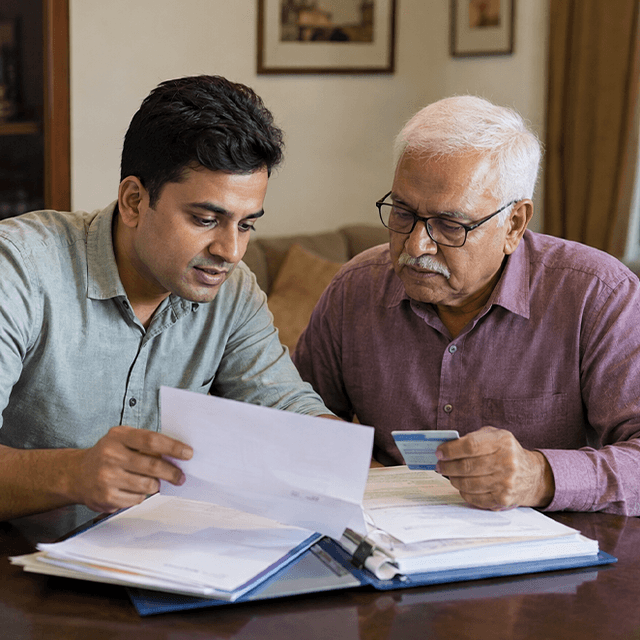
Prepare a Simple Health and Care Folder
One folder should suffice. It should be accessible to a member of the family for emergencies. This folder should include:
- Current medications
- Prescriptions
- Known allergies
- Contact for primary care physician
- Contact for family members/friends in an emergency
- Photo ID
- Insurance card
- Recent copies of reports for medical care
- Personal and medical care needs
Traveling should not disrupt the prescribed medication regimen. Consult the doctor for traveling if the parent has recently been ill, has fallen, has breathing concerns, etc. or if there are other special conditions.
Long-Hour Comfort
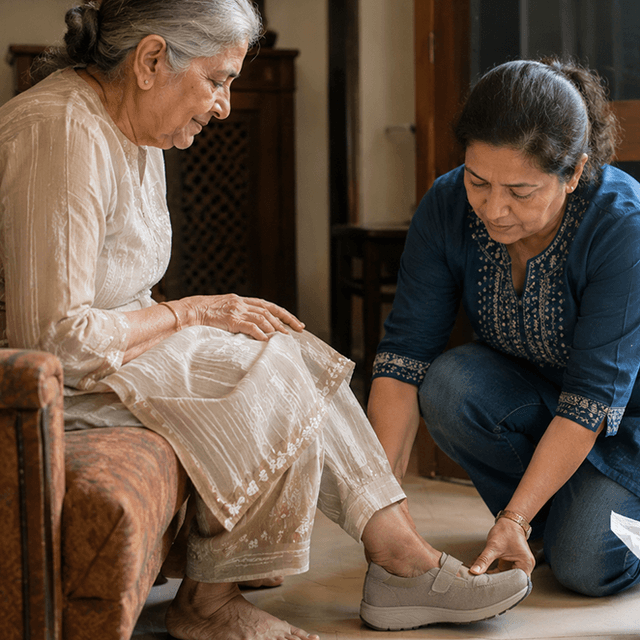
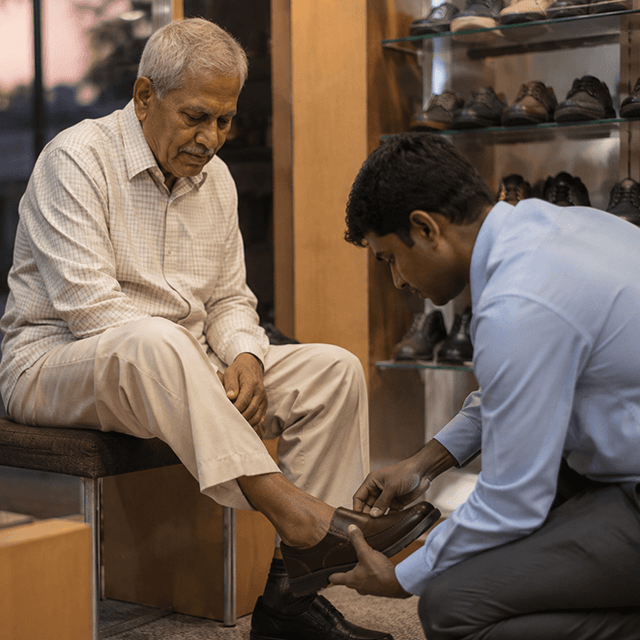
Long periods of seating for seniors can impact comfort. Uncomfortable shoes and clothes can impact the comfort of a senior. Relieving discomfort can include taking frequent breaks with position changes and can help improve comfort levels.
Make sure you have:
- Clothes that allow for a lot of movement
- A shawl or sweater (if needed)
- Shoes with extra support
- A cushion or pillow
- Water
- Snacks that are easy to eat
- Tissues and wet wipes
- Chargers for phones and any other electronics
- Protective eyewear (sunglasses)
- Hats
- Extra clothes
Pillows for long periods of seating. Spine placement pillows for seniors can help and depend on the type of chair, how long the senior will be sitting, the level of seating support, and advice from the senior's care provider.
Do not put bags on or near your parents' feet. Make sure there is plenty of room for your parents to freely move to different positions and stretch.
Toileting and Personal Care Planning
When assisting seniors, toileting needs to be the first priority because this will dictate the rest of the plan. Make sure you research and confirm the availability of restrooms on the travel route. Ensure that you include:
- Adult diapers or protective underwear (if necessary)
- Underpads for car seats or other resting surfaces
- Extra spare underwear
- Plastic or disposable bags
- Fragrance-free wipes
- Hand sanitizer
- Tissues
- If your doctor has prescribed a barrier cream, you must carry it.
You can use travel protection pants for Adult Diaper Pants or any other similar product. You should test the product when it arrives as a personal care aid and not as a replacement for regular toileting and skin assessment.
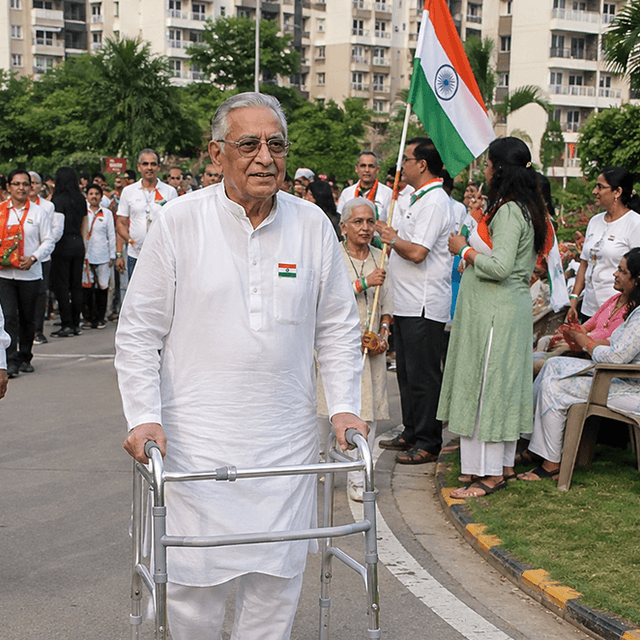
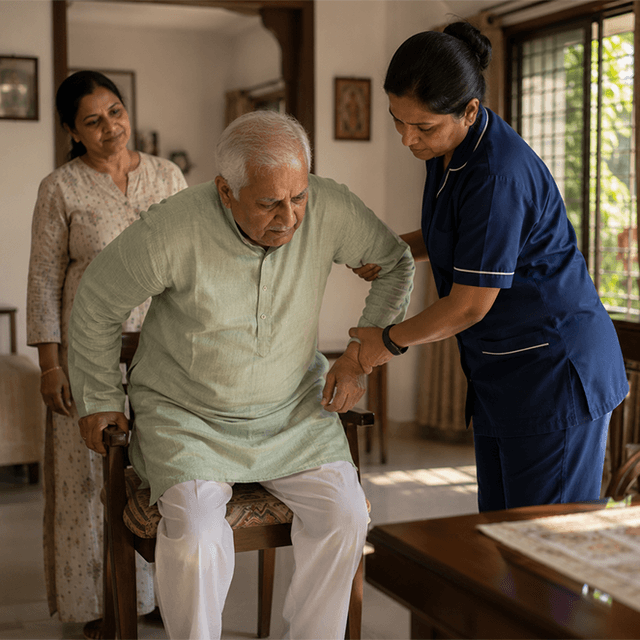
When supporting safe movement, consider travel spaces with uneven and slippery surfaces, and provide rubber tips and wheels, walking aid, grip on shoes, and the presence of stairs. AGEasy Anti-Slip Socks provide stability with walking and may be used when your parent removes their shoes.
Does your parent use a wheelchair? Check the family home, the hotel, the vehicle, and the station to see if there is safe movement potential for your parent. Staff should be informed not to move your parent's wheelchair unless it is necessary, and your parent should be informed in advance.
The Destination Must Be Ready
A wheelchair-safe home is still a safety concern and places extra importance on safe access. Rakhi gatherings bring additional hazards with furniture, toys, wires, and visitors. You need to:
- Maintenance of a clear route to the bedroom is vital.
- Create a lit path to the restroom.
- Provide a stable chair with armrests.
- Write your instructions directly on the bottle of water and put this bottle on your parent's nightstand.
- Move the call bell and the working phone closer to your parent.
- Arrange all necessary medications closer to your parent.
- Create a resting area.
- Maintain the firm sleeping surface at the preferred height.
- Move all frequently used items closer to your parent.
- Avoid making your parent reach out for things by using stools, as they may need to move heavy things or walk through congested areas.
Install proper grab bars in the bathroom. Do not use make-shift grab bars like a towel bar.
Rest, Food, and Hydration Need Protection
Keeping your parent hydrated, fed, and rested is important. Late meals, lack of routine, noise and activity level increases are common at Rakhi celebrations. Your parent does not need to attend all events.
Take many short rests. Give water as advised by the doctor. Avoid offering food between rests. Give your parent their favorite snacks.
Food that is offered should be safe from choking and appropriate for diabetes and renal failure. Food served should account for allergies and/or special diets. Smaller meals spread throughout the day may make more sense for your parent.
Maintaining Sleep and Privacy
Family members visiting constantly gets exhausting and can affect guest accommodations. Set some simple rules:
- Create a schedule based on their requirement for sleep and rest.
- Moderate the volume of your conversations.
- Ask them if it's okay for you to take pictures.
- Avoid talking about the privacy of the matters you discussed earlier.
- Allow the parent to decide which seat they wish to occupy.
- Allow the parent to spend as much time as they wish to with their family.
This includes the liberty to deny. Your parent should not feel like they are in a zoo and are being kept for public display.
Use Final Travel Checks
Before You Leave
- Verify your tickets and assistance
- Pack prescription and necessary documents
- Check all requirements for your mobility aids
- Pack your supplies for travel
- Pack your food and water for the travel
- Charge all cell phones
- Alert your family of your travel plans
- Check the weather conditions of your travel day and the state of the roads
During Travel
- Stay beside the parent and travel at their speed.
- Take rest breaks for urination and vocal rest.
- Personal care should be private.
- Watch for signs that assistance is needed (fatigue, dizziness, discomfort).
- Ask before helping — it might not be safe otherwise.
- Keep emergency contacts on hand.
After Travel Care
- Make their bedroom and bathroom easy to use
- Schedule a quiet first day at home
- Follow the home medicine schedule
- Give your parent time to recover
- Check how your parent feels before planning more activities
This Rakhi vacation is not defined by the number of activities that can be done in one day. It is defined by how safe, how heard, how comfortable, and how respected your parent feels from the time they leave to the time they return.
Disclaimer: This article is for informational purposes only. Before travel, caregivers should contact the parent's physician for complex health conditions, recent illnesses, challenges related to mobility, and medications that need frequent changes.