

DEXA Scan Cost in India: Reading a T-Score Without Panicking
Aug 30, 2026
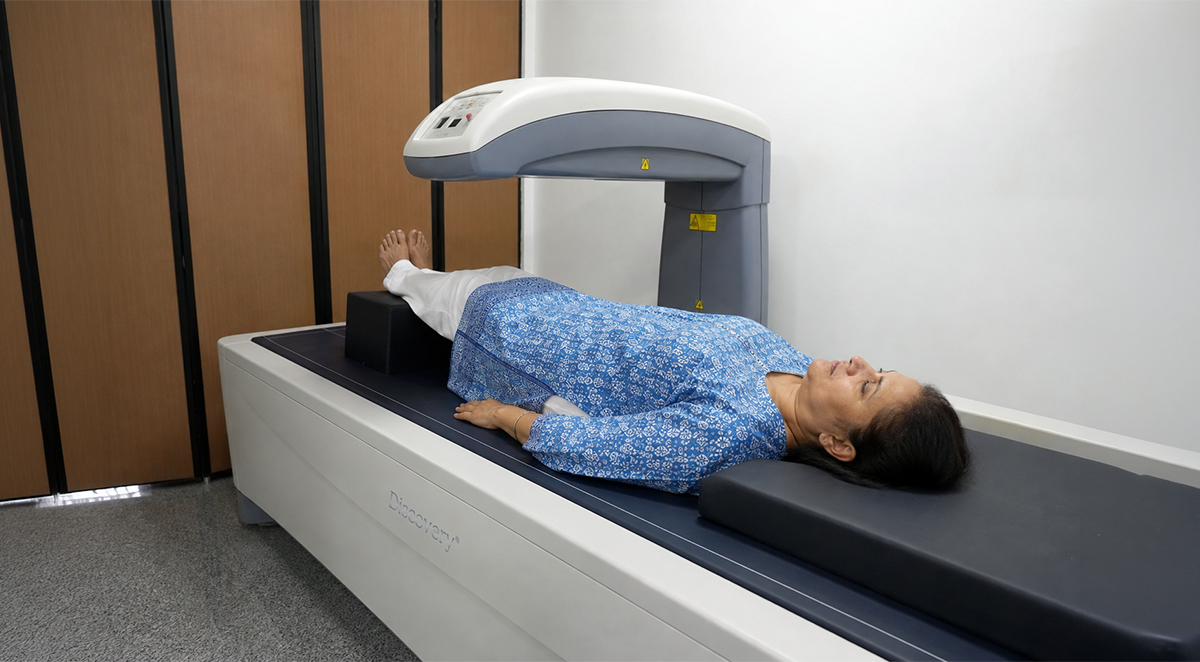
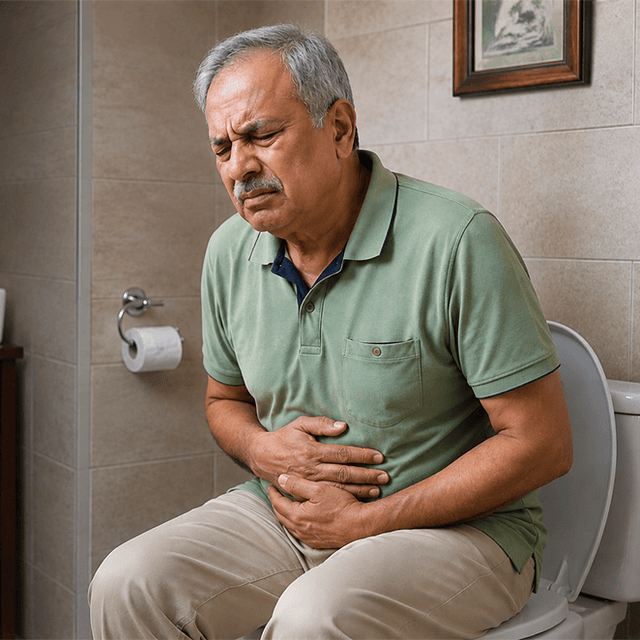
A routine diagnostic test for your parents can sometimes seem stressful. Results related to bone health or "low bone density" can cause adults to worry, especially when a DEXA scan report contains numbers that may be difficult to understand.
Many DEXA scans take less than thirty minutes, but one result from the scan can sometimes lead to confusion and panic. Understanding what the scan measures and how the numbers are interpreted can help you have a more useful conversation with your parent's doctor.
What Is a DEXA Scan?
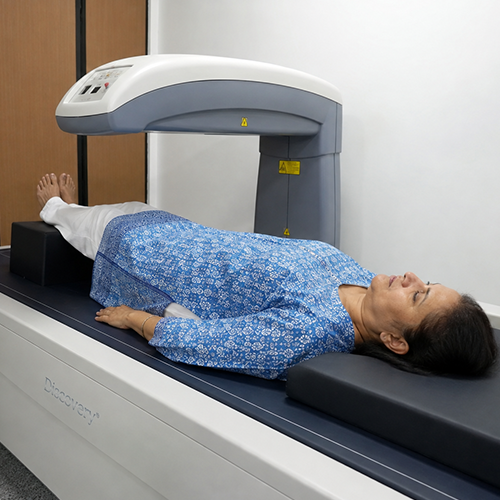
A DEXA scan, also known as dual-energy X-ray absorptiometry, measures bone mineral density. The scan generally focuses on areas such as the hip and spine.
The test usually takes less than half an hour and requires the patient to lie on a scanning table. It uses a very small amount of radiation. Most centres ask patients to remove metallic objects and may provide instructions relating to dietary calcium intake before the scan.
The DEXA result should not be viewed in isolation. Age, sex, history of fractures, medications, health conditions, and other risk factors are considered by a healthcare professional when interpreting the report.
A DEXA scan focuses on bone density. It does not diagnose the cause of pain, and the result needs to be placed in the appropriate clinical context to determine the next preventive or medical step.
DEXA Scan Cost in India
The cost of a DEXA scan can vary depending on the city, hospital, diagnostic centre, body area being scanned, whether a consultation or assessment is included, and whether the package covers additional sites or other services.
According to the source, a hip and spine DEXA scan generally costs between ₹1,000 and ₹3,500 in India.
Prices can vary, so confirm the latest cost before booking. Also check which body areas are included, what format the report will be provided in, and whether the report includes a radiologist or physician review.
Before booking a DEXA scan, ask:
- Which body sites will the scan cover?
- Will the report include both T-score and Z-score?
- Is a doctor's interpretation included?
- How long will it take to receive the report?
- Does the centre use the same machine for future follow-up scans?
Using the same centre and, when possible, the same machine can make it easier for a doctor to compare future results. Small changes between scans do not necessarily mean that bone density has suddenly become weaker. Differences between machines and the least significant change reported by the centre also matter.
How to Read a T-Score
A T-score evaluates bone mineral density in relation to the average peak bone density of a healthy young adult of the same sex. It is reported as a value representing the number of standard deviations from that reference.
A lower T-score represents bone density that is further below the young-adult reference.
For postmenopausal women and men aged 50 years or older, the source gives the following categories:
| T-Score | Bone Density Level |
|---|---|
| -1.0 or above | Normal bone density |
| Between -1.0 and -2.5 | Low bone density or osteopenia |
| -2.5 or less | Bone density in the range of osteoporosis |
These categories describe bone density at the specific test site. On their own, they do not determine whether medication is required.
The doctor may also consider fractures, falls, steroid use, kidney or thyroid problems, early menopause, family history, weight, and other clinical factors when deciding what the result means for your parent.
Why the T-Score Is Not Everything
Always look at the body site next to the T-score. The spine and hip can have different scores, and the femoral neck and total hip can also produce different results.
Ask your parent's doctor which score they consider most reliable, particularly if arthritis or spinal deformity may affect interpretation of the spine measurement.
The Z-score is more important for premenopausal women, men under 50 years of age, and children. It compares bone density with people of the same age, sex, and size.
A Z-score outside the expected range requires medical evaluation rather than simply applying the T-score categories above.
What to Do After Getting a Low Result
A low result does not mean you should immediately start supplements or medication on your own. The first step is a review of the complete clinical picture.
Take the full DEXA report to the clinic along with:
- A list of current medicines and supplements
- A history of falls
- A history of fractures
- Previous test results, where available
Ask whether repeat testing is needed, whether blood work is appropriate, and whether medication is indicated.
Do not start high-dose calcium, high-dose vitamin D, or osteoporosis medicines without first consulting your healthcare professional. Supplements and medicines need to be considered in relation to kidney function, diet, existing medicines, and the risk of falls and fractures.
Support Bone Health Through Everyday Habits
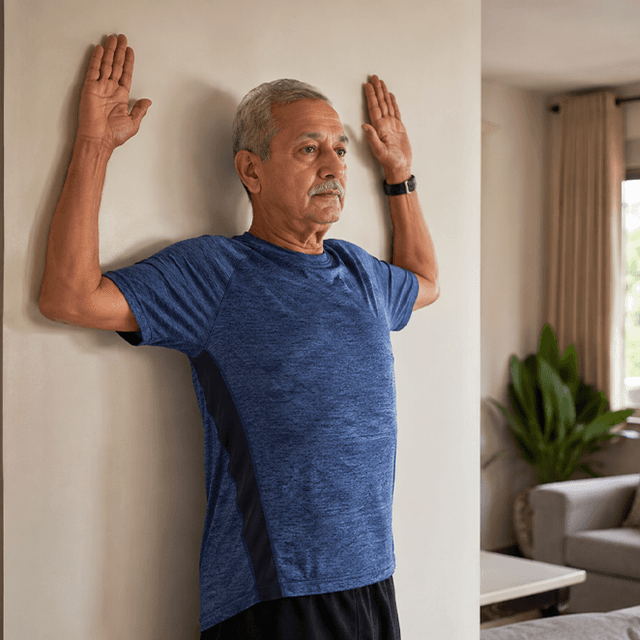
Weight-bearing activity can help support strength and balance, but your parent's doctor or physiotherapist should be consulted before starting a new exercise routine.
This is particularly important for people who have had recent surgery, experience pain or dizziness, or have previously experienced a fall.
Diet is also an important part of maintaining strength and supporting bone health. The source suggests including calcium-rich foods such as milk, curd, paneer, and leafy vegetables such as spinach.
Foods that provide both calcium and protein, such as tofu, can also be included as part of an appropriate diet.
If your parent has low vitamin D levels, spends most of the time indoors, or has a medical condition that affects vitamin D absorption, consult their doctor for individual advice.
Reduce Fall Hazards Around the House
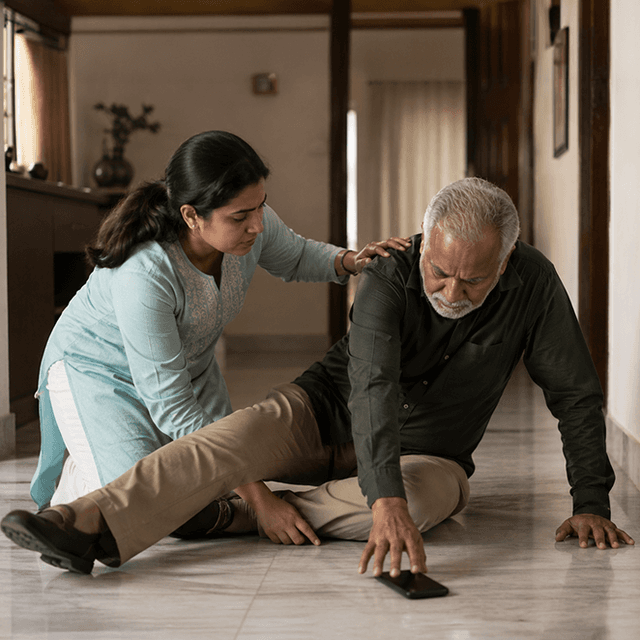
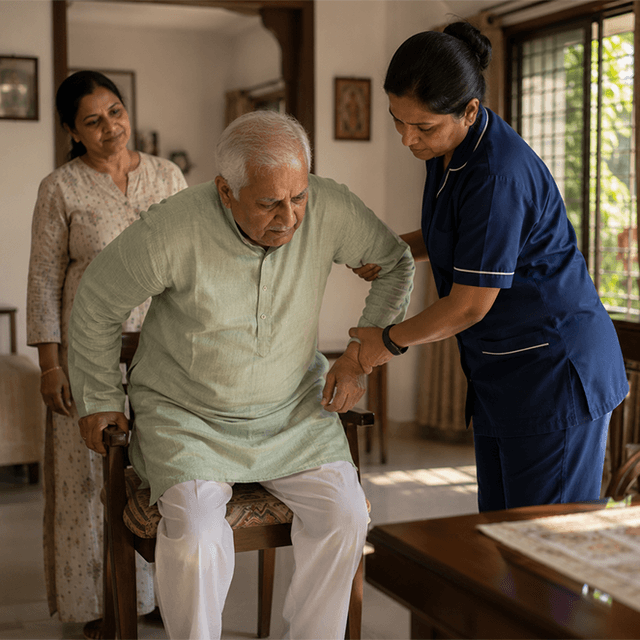
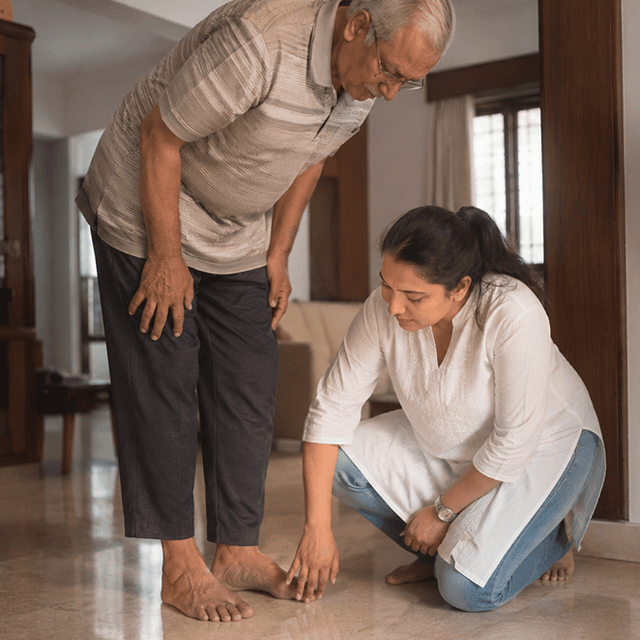
Bone health is not only about the DEXA result. Reducing the risk of falls is also important, particularly for older adults who may already have reduced bone density.
Simple changes around the home can include:
- Improving lighting throughout the home
- Removing loose rugs that can be stepped on
- Keeping walking paths free from obstructions
- Installing appropriate support bars near the bathroom
- Checking hearing and vision regularly
- Reviewing medicines with a healthcare professional where appropriate
- Monitoring blood pressure when advised by the doctor
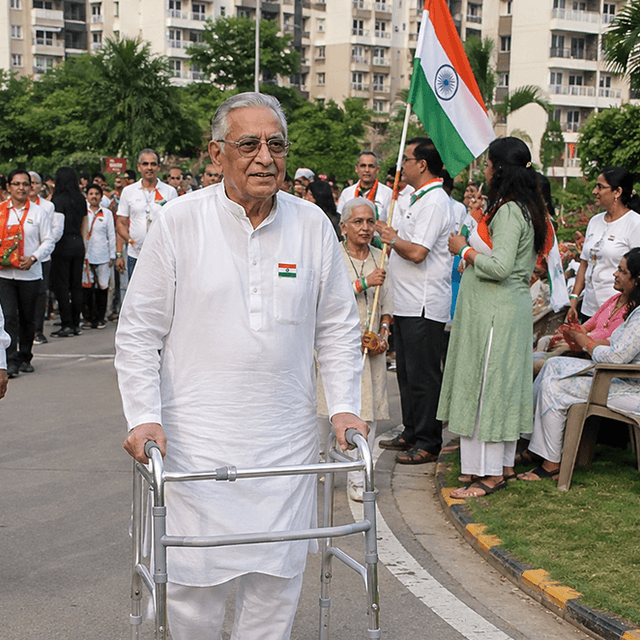
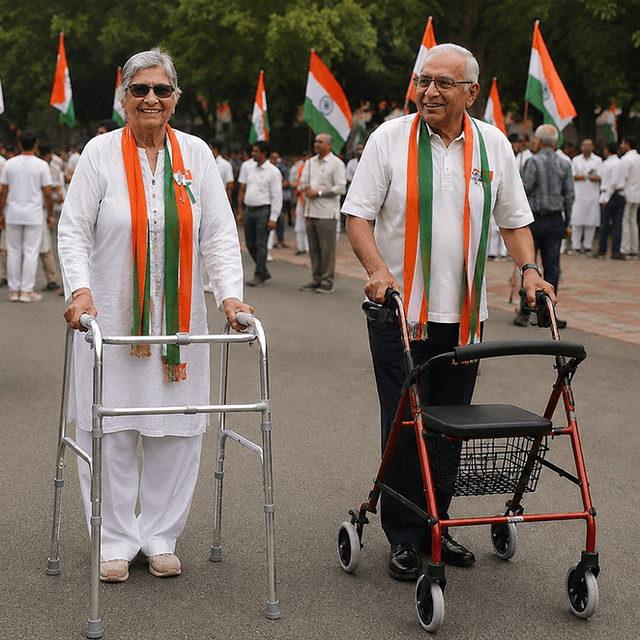
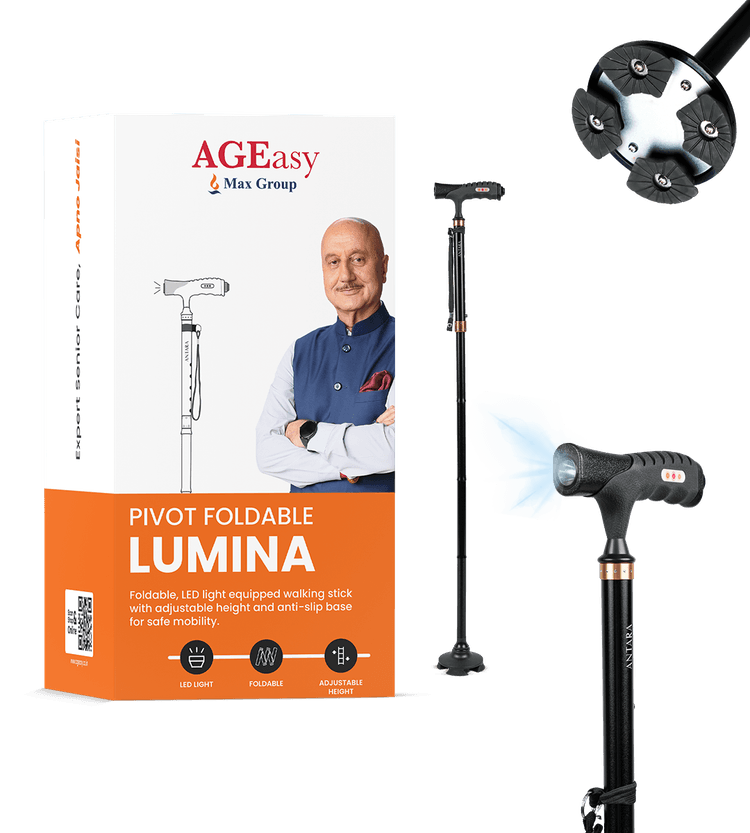
If your parent cannot stand without assistance, the AGEasy Walker Without Wheels for Seniors is one mobility aid mentioned in the source. The current AGEasy product page describes it as a foldable, height-adjustable walker designed for senior mobility.
A mobility aid should be selected according to the individual's strength, balance, and mobility needs. If your parent has recently fallen or has difficulty walking, a physiotherapist or other appropriate healthcare professional can help assess the safest mobility option.
The source also mentions the AGEasy Hinged Max Comfort Knee Cap for people experiencing discomfort when kneeling that limits mobility. It should not be presented as a treatment for low bone density, DEXA results, swelling, injury, or pain without appropriate medical advice.
When Medical Care Should Be Sought
Contact your parent's doctor if they experience a new low-impact fracture, new pain in the back or hip, loss of height, frequent falls, or a sudden inability to walk.
Seek immediate medical attention if your parent experiences severe pain following a fall or has a visibly deformed bone.
These symptoms require attention regardless of what the DEXA score says.
A Useful Plan Beats a Scary Number
A DEXA scan is only one part of the overall picture. A T-score is one number, but your parent's doctor needs to interpret it alongside the person's health, fracture history, medications, falls, and other risk factors.
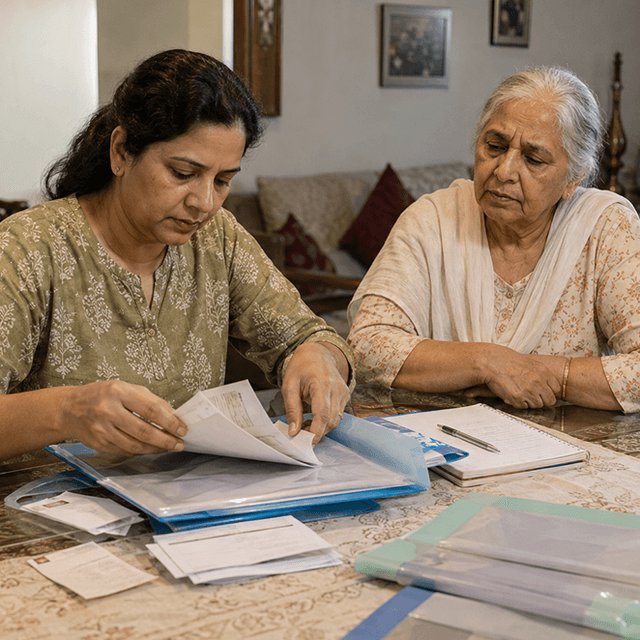
Make sure you document the T-score and the location on the scan. Ask the doctor to explain what was included in the report and what steps should be taken to reduce fall and fracture risks.
The goal of receiving a DEXA result should be to create an appropriate plan, not to panic about a single number.
Disclaimer: This article is informational and is not intended to provide a diagnosis, treatment, or personalised medical advice.