

Celebrating Raksha Bandhan With a Parent Who Is Bedridden or Uses a Wheelchair
Aug 30, 2026
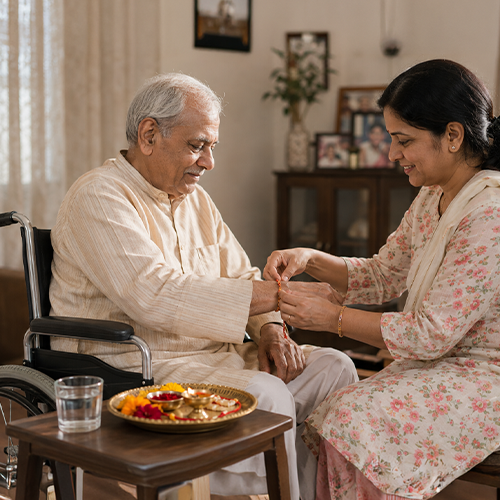
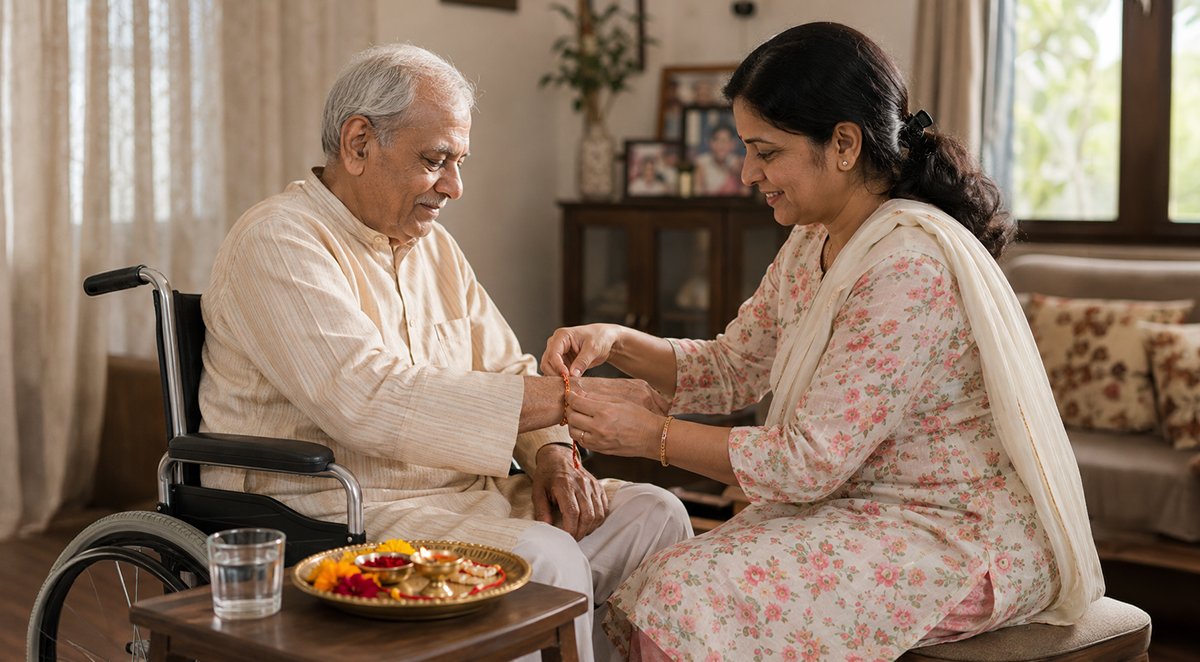
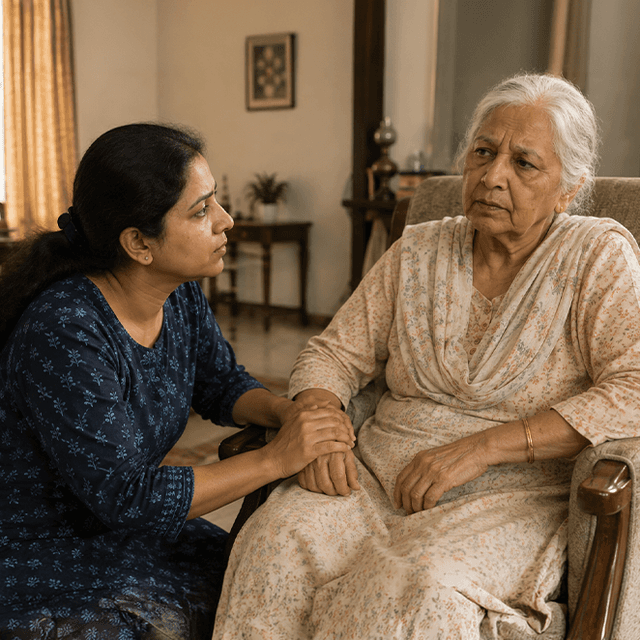
Your parent’s hand and the rakhi beside it illuminate the memories that reside in the room along with the music and voices that fill the room. Their body may have changed, but their position within the family has not.
An important part of celebrating Raksha Bandhan with a parent who is bedridden or uses a wheelchair is customizing the celebration based on their physical and emotional needs. You must consider their comfort, their needs, and their energy.
Begin With Your Parent’s Comfort
Raksha Bandhan is not about an outing or a jam-packed family function. It is about the joy, connection, and comfort that your parent receives from the celebration. It is about their participation. The most important aspect of the celebration is your parent’s comfort. This should be the starting point.
Determine your parent’s comfort based on the rhythm of their entire day. If your parent is more tired in the evenings, schedule the celebration when they usually have the most energy, while allowing time for bathing and rest.
You may also wish to plan the celebration around meals and medication times so that the ceremony does not interfere with their usual routine.
Keep the Celebration Flexible and Short
Be prepared to take a break during the celebration. Your parent should be able to rest without feeling guilty about interrupting the ceremony.
Parents may become tired during a gathering, particularly when there are several visitors. Take breaks when needed and continue the celebration later if your parent has the energy and wishes to participate.
Prepare a Safe Spot
Prepare an area with clear access all the way to the bed or wheelchair. Remove stools, rugs, cords, and other floor-level obstructions, and keep the floor free from moisture.
Ensure that the area is well lit and that there is enough accessible space for family members to celebrate around the bed or wheelchair without crowding your parent.
If your parent uses a wheelchair, double-check the following before the ceremony:
- Wheelchair brakes are engaged.
- Footrests are in position.
- The seating surface is padded.
- There is a clear path to the bathroom.
- Family members are not crowding around the wheelchair.
If your parent is bedridden, reposition pillows and supports only as part of their usual personal-care routine. Avoid changing their position without guidance from their caregiver or medical professional.
Place the rakhi, sweets, gifts, and water within their reach where it is safe and appropriate to do so.
Make the Rakhi Ceremony Inclusive
Your parent should be included in the ceremony in a way that matches their energy and movement.
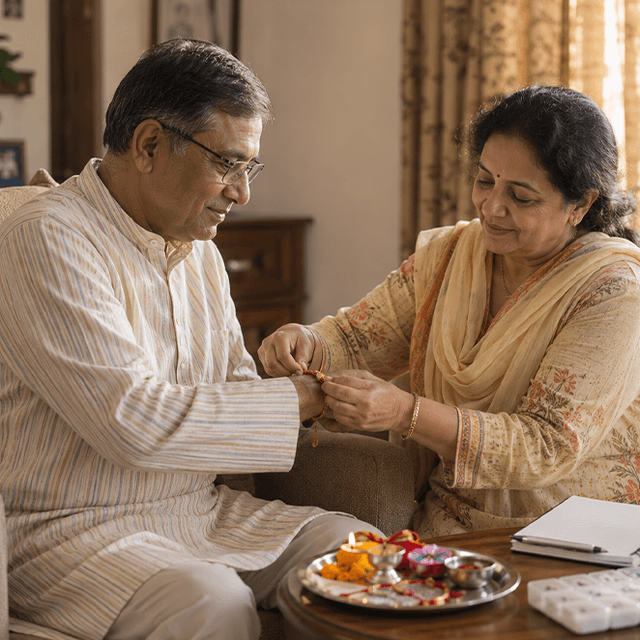
If there is limited arm or hand movement, a family member can hold the rakhi while your parent blesses their sibling. They can also choose the rakhi, say a prayer, apply the tilak, or share a memory.
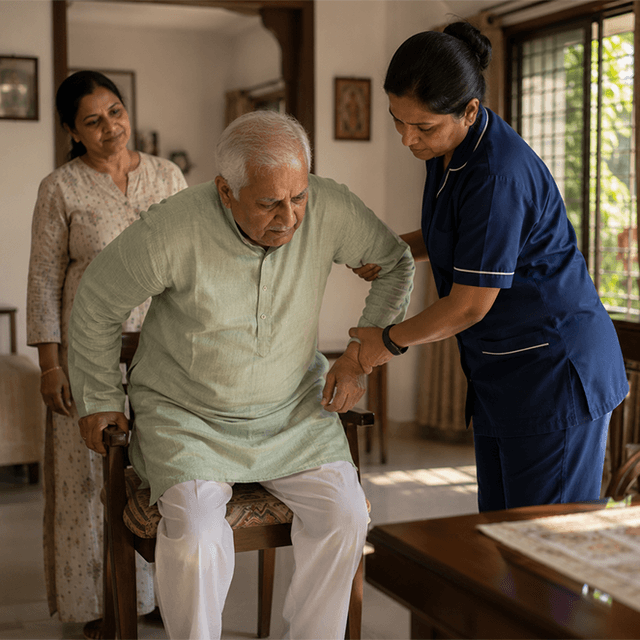
Before moving the wheelchair, touching your parent, or adjusting their clothing, ask for permission. This gives your parent a choice and respects their privacy.
Avoid placing an unstable bowl or thali on the bed. If a bowl or thali contains liquid, do not place it on the bed. Use stable bowls and lightweight items instead.
If you include a lamp, use a suitable unbreakable diya holder and keep the flame away from fabric, bedding, and curtains.
If your parent has difficulty seeing or hearing, explain each step clearly. Face them while speaking and wait for them to respond before continuing. Do not communicate as though they are not present.
Choose Clothing That Is Special and Comfortable
Clothes should feel special without coming at the cost of comfort. Choose breathable fabrics with soft textures and easy-to-fasten styles.
Avoid waistbands that are too tight, rough seams, heavy jewellery, and clothing that requires a lot of movement.
Check the Back of the Clothing During Seating
For a parent seated in a wheelchair, pay attention to what is at the back of their clothing. Avoid folds, thick borders, or objects in pockets because these can cause discomfort or pressure during prolonged sitting.
For a bedridden parent, avoid decorations or other objects beneath the back and legs because they can interfere with personal care and medical equipment.
Plan Food According to Their Needs
Food often takes centre stage during Raksha Bandhan, but your parent’s health and swallowing ability should guide food choices.
Follow the diet prescribed by your parent’s doctor or dietitian. Serve food in small quantities that are familiar to your parent.
Avoid foods that do not comply with your parent’s prescribed swallowing plan. Keep water available only when it is safe for your parent and consistent with their care plan.
If your parent has diabetes, kidney disease, or another medical condition requiring dietary restrictions, do not disregard those restrictions for holiday foods. If you are going to serve something special, keep the portion small and consistent with their prescribed diet.
Support Personal Care During Increased Festive Visits
Personal care may need additional support during festive periods because of increased visitors and longer periods of sitting.
Keep disposable supplies, wipes, gloves, and disposal bags nearby but discreetly out of sight.
AGEasy Adult Diaper Pants may be considered by some caregivers for personal-care support. Select the appropriate size and ensure the product is changed as required to maintain hygiene and comfort.
For bathroom access, keep the route clear. The AGEasy Toilet Grab Bar with Floor Support may provide an additional handhold for some users, but the caregiver should assess the parent's needs and the bathroom environment before use.
The AGEasy Commode Frame for Elders may be considered as a bedside toileting support when the caregiver and care team approve its use, particularly when the parent has weakness, poor balance, or limited mobility.
Care for Skin and Comfort
Check for damp clothing and wrinkled bedding. These may indicate that your parent has remained in one position for too long.
Check for signs of pain while repositioning your parent according to the care team's usual routine.
The AGEasy Coccyx Cushion for Tailbone Pain Relief may be used during the ceremony for sitting comfort when appropriate. Check that it fits securely and remains stable.
A coccyx cushion should not be used as a replacement for professional pressure-care advice. Avoid adding extra cushions unless you have received appropriate guidance, as additional cushions may affect posture, cause sliding, or change wheelchair balance.
Check on your parent periodically during the celebration to make sure they remain comfortable.
Include Distant Family Members
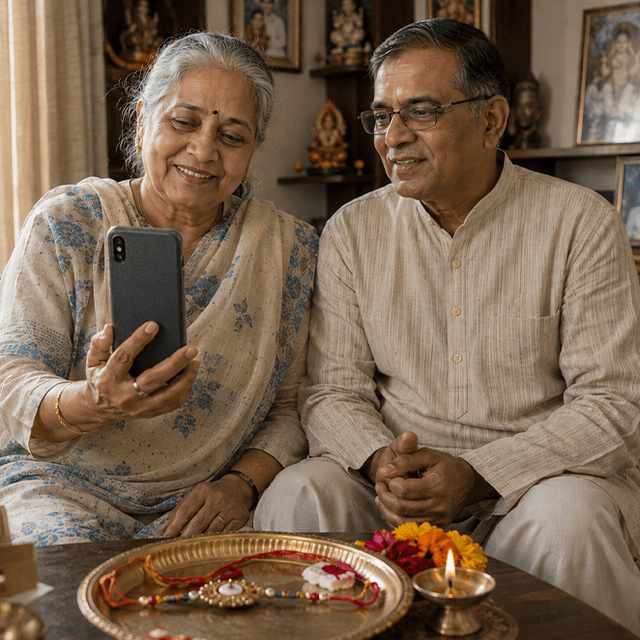
Some family members may not be able to attend in person. A video call, photographs, or short video messages from family members can help include them in the Rakhi ceremony.
Keep the call brief if your parent becomes tired.
When organising a call, encourage one family member to speak at a time. This can reduce confusion for a parent with hearing or speech difficulties or reduced cognitive function.
You can also organise a memory activity. Ask family members to share stories from their childhood, play music your parent enjoys, or display old photographs.
Activities like these can shift the focus away from physical limitations and towards family memories.
Be Thoughtful With Gift Selection
A thoughtful gift does not have to be complicated. Ultimately, the gift should be functional and useful for your parent.
Suitable ideas may include:
- Soft, uncomplicated clothing
- Easy-to-grip drinking mugs
- Books with oversized print
- A photo album
- Comfortable bedding
- A music player with simple controls
Avoid gifts that require your parent to move in an unsafe way or operate complex machines or tools.
Before buying a gift, ask your parent what they may need or enjoy. Giving them a say can make the gift more personal and meaningful.
Make the Memories of Raksha Bandhan Last
Raksha Bandhan is one special day of celebration, but what matters more is maintaining the connection throughout the year.
You can organise a weekly call or save photographs from the celebration where your parent can see them.
Parents who are bedridden or use a wheelchair deserve inclusion beyond the ceremony. Let them have a say in family discussions and involve them in family reunions whenever it is safe and comfortable to do so.
Make time for them to speak and maintain their independence wherever it is safe to do so.
The most fulfilling Raksha Bandhan is built on respect. Your parent does not need to stand up, walk, or travel to occupy the central spot in your family.
With careful planning, safe practices, and inclusion, the celebration can become a reminder of the bond you share with your parent.
Disclaimer: This article shares general information about caregiving and family celebrations. It does not replace the advice of a medical doctor, nurse, physiotherapist, occupational therapist, or other healthcare professional. For concerns involving transfers, swallowing, skin care, wheelchair positioning, toileting, diet modification, or equipment, seek professional advice. Product suitability depends on the user's specific needs, measurements, and the environment in which care is provided.