
Walker vs Walking Stick vs Rollator: Which One Gives Back More Independence?
Aug 14, 2026

The answer to finding the right balance between assistance and independence lies in understanding the needs of your parents.
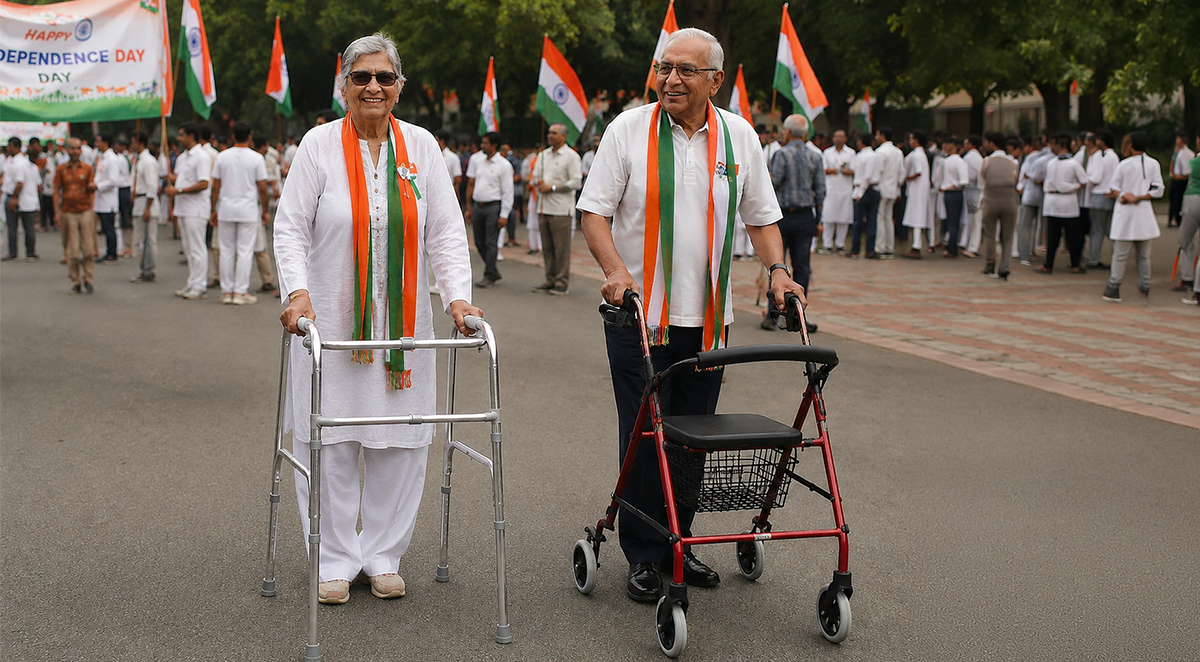
A walking stick is needed for balance. A standard walker provides stability to a user who needs more assistance. For those who need balance and assistance with stamina, a rollator is a good option.
Independent movement without the aid becoming a crutch is the aim of the right assistive walking device. One must understand the balance, stamina, and strength in addition to the user's daily routine. The objective is to provide the right balance to assist your parents in moving with confidence, without unnecessary restrictions.
The Importance of the Right Assistive Device
The right assistive walking device should enable more independent movement and ease the stress of daily tasks. The wrong assistive walking device may lead to poor posture, shortened steps, leaning, and increased risk of falls from unsafe turning. It may also reinforce a sensation that is not grounded in reality.
Age is only part of the equation. Think about your parent's:
- How comfortable do they feel standing?
- Do they have weakness on one side?
- How far do they walk in a day?
- Do they tire easily?
- What level or type of support do they require indoors, outdoors, or both?
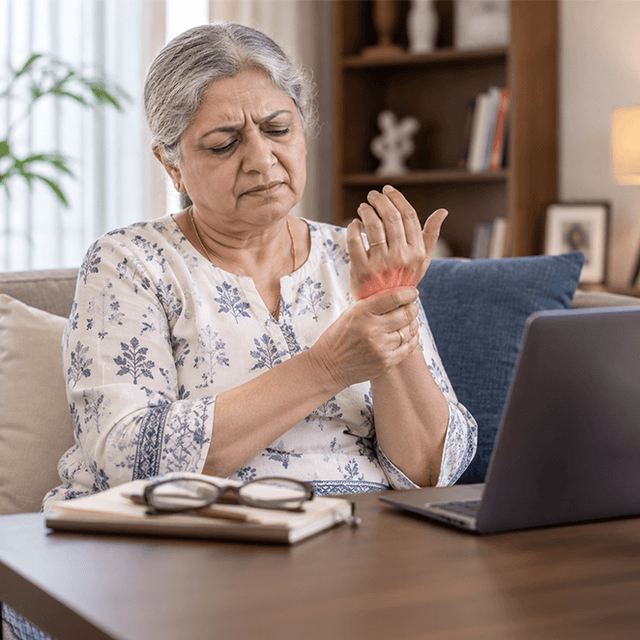
- Do they experience joint pain, dizziness, vision problems or numb feet?
- Do they typically require a break and take a seat during a long walk?
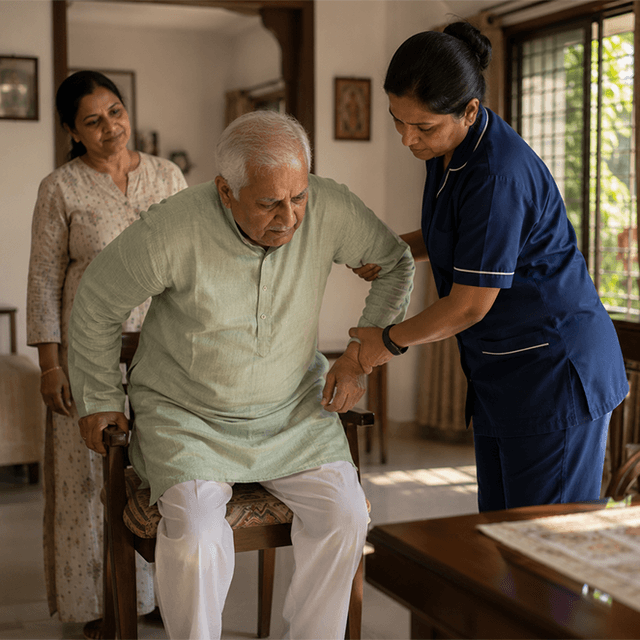
An assessment by a doctor, physio, or occupational therapist becomes necessary if they've experienced recent falls, have had surgery, an operation, or evident sudden diminished balance. They can help with height adjustment and a safe technique to assist with walking.
Walking Stick: A Walking Device with Mild Support
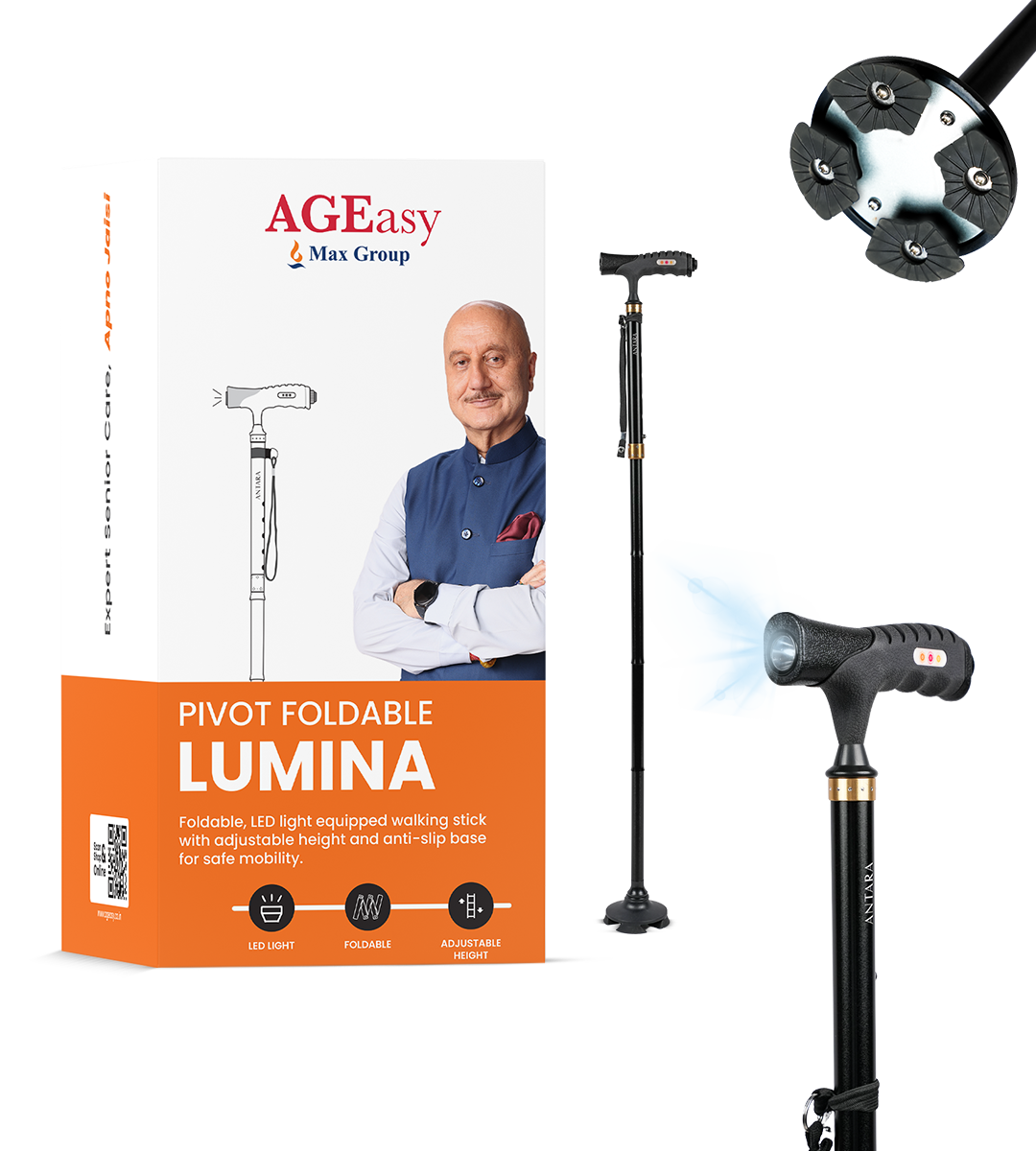
A walking stick supports one side and mildly aids in balance with minor joint pain and mild weakness or pain on one side. It is ideal if your parent can stand upright on their own and don't require furniture to hold onto with the free hand. It also is safe to use if your parent has sufficient balance to move the stick properly. AGEasy's Pivot Walking Stick has a pivot base which will allow a more natural walking motion, though your parent will still need to practice using the product outdoors.
For most walking aid devices, it is recommended to hold the aid on the side of your body opposite the affected or weaker leg. Consult a physiotherapist to confirm this positioning if the leg is experiencing an ache, is weak, or if there are balance concerns.
Standard Walker: For Maximum Stability
A standard walker provides more stability and support when compared to a walking stick, so it is better suited for those individuals who require assistance with both hands.
Walkers, without wheels, require your user to put more effort, as the frame must be positioned in front of them while they step. This type of frame offers excellent stability, although having adequate arm strength, energy, and coordination is necessary. This frame is ideal for shorter indoor trips following surgery or early rehab.
AGEasy's Walker Without Wheels for Seniors is a walking frame with a stable base support, and might be helpful for slower movement indoors around the home.
AGEasy's Step Up Walker for Elders is a 2-step walker, and offers assistance for movement in a constrained manner. This might be suitable for users who find a fixed walker to be difficult to use.
Not everyone can benefit from a standard walker. People with weak arms, poor grip, shoulder pain, lack of coordination, etc. most likely would have a hard time using a standard walker. A physiotherapist should assess whether your parent can safely use the walker frame without overcompensating and falling too forward.
Rollators: Walking and Resting
A rollator is a frame equipped with wheels, hand brakes, and a built-in seat. These are best suited for older adults that can independently walk but need assistance in balance, stamina, and/or distance.
Rollators are designed in a way that all you have to do is push it to move the entire frame forward. This was done with the outdoors and longer trips in mind so it is easier to maneuver and use in the hallway. The built-in seat can provide your parent a place to take a rest when they become fatigued.
More controls have to be learned to use a rollator compared to a fixed walker. Your parent has to learn how to use the brakes to lock the rollator before seating to ensure the rollator is kept close to them and avoid pushing the rollator too far in front or pulling the rollator to stand.
Rollators and wheelchairs are designed for different functions. AGEasy WheelEasy Foldable Wheelchair provides a lightweight, foldable wheelchair for seated transport for people who can't walk for long periods of time.
A Comparison Approach
A simple comparison approach shows us the options.
Walking stick: Appropriate for users who can walk independently but have mild balance problems or weakness on one side and do not need frequent rest breaks.
Standard walker: Appropriate for users recovering from surgery or injury who need a stable base of support for short, controlled indoor walking.
Rollator: Appropriate for users who can walk independently but need support with balance, stamina, longer distances, or regular seated rest breaks.
Your parent may require several different equipment types for different situations. For example, a fixed walker may be appropriate for the recovery stage at home, whereas a rollator may be appropriate for later outdoor use. A walking stick may be appropriate for later use when balance and strength improves.
How to Check the Fit
If the assistive device is incorrectly adjusted, it may cause back strain, shoulder strain, or awkward posture. When your parent stands erect with their arms extended to the handles, the elbows should be slightly bent, and the shoulders should be relaxed, and not elevated.
The hand grips should be approximately at the level of the wrists when the arms are relaxed at the sides. The frame should be close enough for the user to step into it without forward bending.
Check the tips and wheels regularly. Worn or loose joints, broken brakes, uneven wheels also require repair. The device should also be suited for the surfaces at home.
Practice Before Daily Use
Using the assistive device in an open, familiar space will help your parent get comfortable with the type of movement required to use the device. Have them begin standing up, turning, sitting down, and figuring out how to move through openings.
When using a rollator, brakes should be locked prior to sitting. With a fixed walker, the user should follow the technique taught by a physiotherapist, because the correct method depends on their strength, balance, and the walker design. For a walking stick, practice synchronizing the stick with the leg.
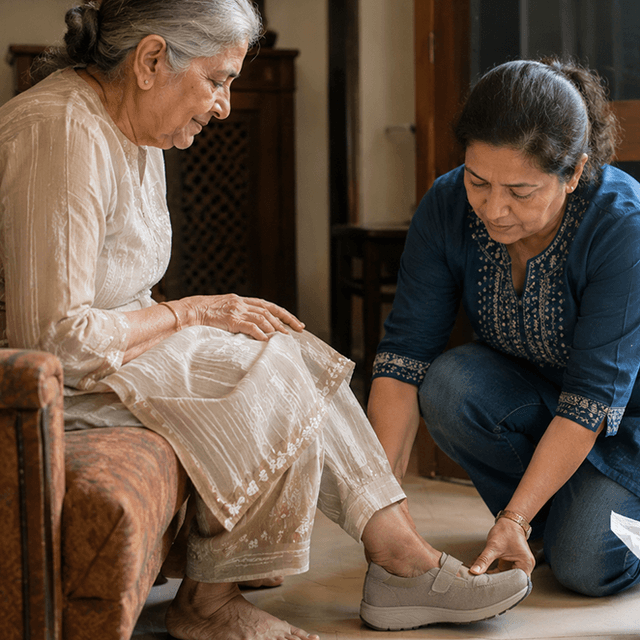
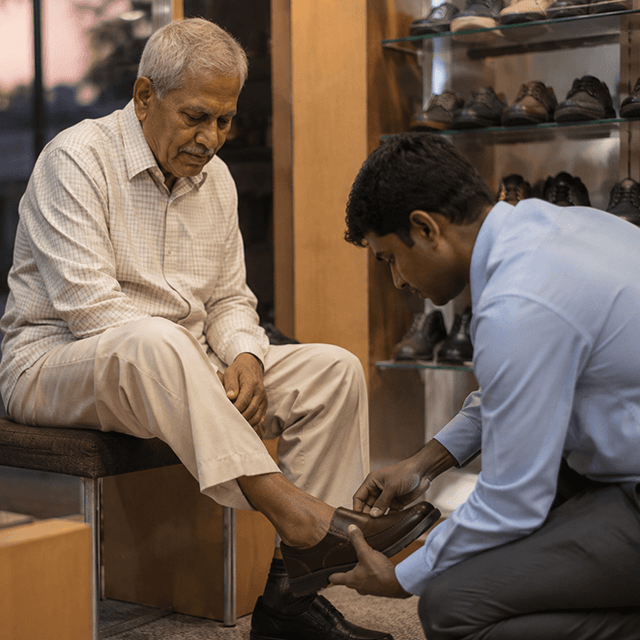
When using a walker or rollator, having a basket or pouch attached helps keep both hands free. Your parent must also wear shoes that provide support with a non-slip sole.
Consult a Professional
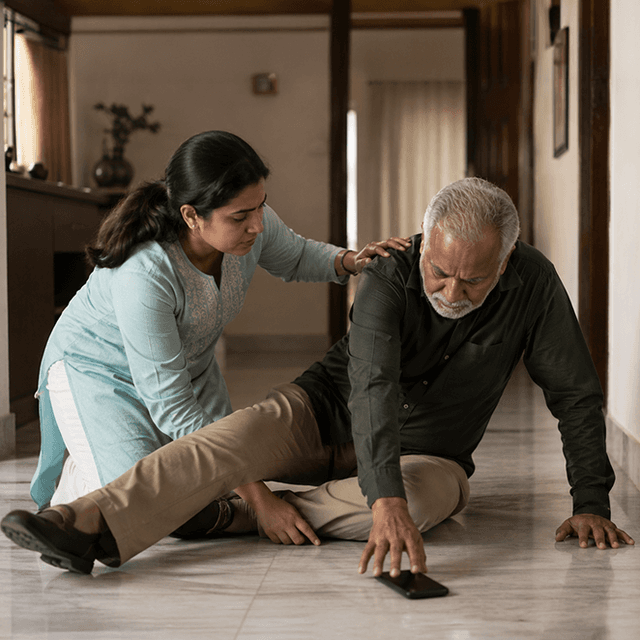
Falls, dizziness, weakness, pain, or numbness are reasons to have an assessment done by a professional. If your parent's fall has caused pain to the head, loss of consciousness, or if they were unable to put weight on either leg, those are causes for immediate medical care.
If your parent's walking is affected by dizziness or sedation, a healthcare professional should also assess the medications. Safety challenges in the home, strength training, shoes, walking aids, and vision may also need an assessment.
Ensuring that your parents feel the least restrictive while still having a safe and independent movement is the goal at the end of the day.