


Sleep Apnea and Snoring in Seniors: When Loud Nights Mean a Tired Heart
Article by: Manav
Jul 22, 2026. 6 min read
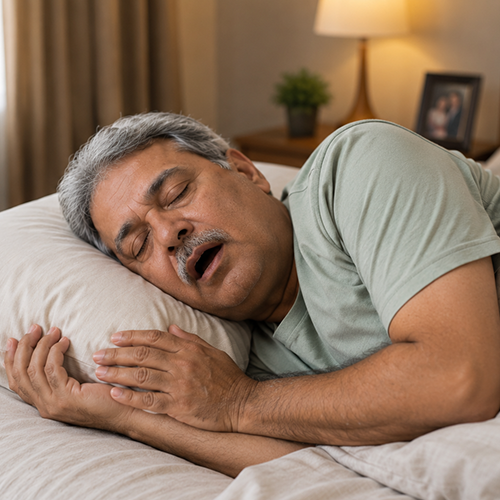
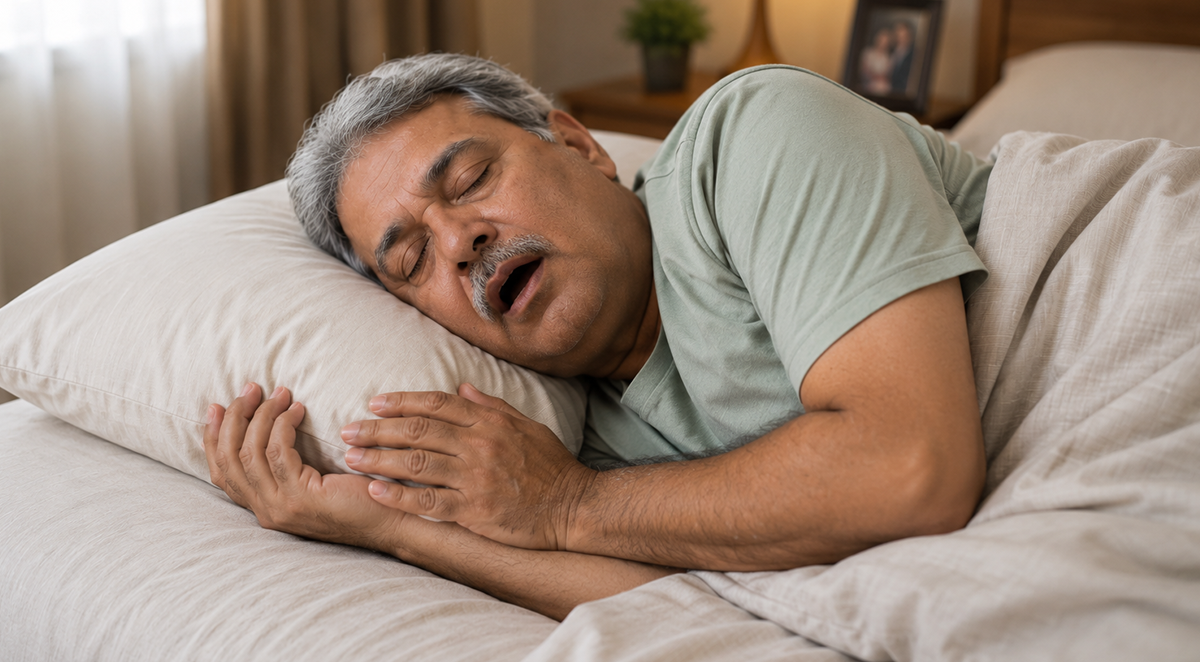
Not all heart attacks start in the heart. Some heart attacks start in the bedroom. At night, when no one is watching. And breathing stops for several seconds at a time.
This is called snoring and it is not always a harmless condition. It can also be a sign that the body is struggling to fight for every breath during sleep.
People often laugh when someone is snoring really loudly. They often blame it on old age. They think it is normal to feel tired during the day when you get old. People prefer to think that this phenomenon is something normal due to age.
Every pause in breath increases the strain on the heart. Every drop in O2 level increases the strain to the brain and body parts. Every restless night depletes the energy for the following days. Each untreated episode increases the chance of serious health problems.
This guide examines how sleep apnea and snoring impact the elderly and why loud snoring can be an indication of cardiovascular issues. Not every warning sign will be indicated.
What Happens to the Body During Sleep Apnea
Sleep apnea is more than just loud snoring. It is repeated episodes of cessation of breathing. These can occur dozens of times a night, every night. It happens when the airway is blocked or temporarily collapses and airflow is cut off for some time. The level of O2 present in the blood decreases and the body responds by waking the brain just enough to initiate the breathing, but most people do not remember this happening.
The heart has to work even harder due to the pauses since low levels of oxygen in the body require the heart to pump blood more forcefully to supply oxygen to the organs. Over time, the added strain has been shown to worsen high blood pressure, cause irregular heart rhythms, and increase chances of getting a heart attack or stroke. This added strain matters most for seniors, especially if they struggle with cardiovascular or metabolic conditions.
Why Snoring May Be More Important Than You Think
Not all snorers have sleep apnea, however loud, frequent snoring with sounds of choking or gasping can indicate the presence of the disorder. Stopping at a snore and then suddenly starting one again is also a sign.
With aging, muscles and soft tissues surrounding the throat lose their elasticity. This makes it more probable for the throat to become narrowed during sleep. This risk can also be increased by weight gain, an increased neck circumference, and certain medications or diseases like diabetes and hypothyroidism. Because of this, it is common for sleep apnea to present in older people who may have never snored in their younger years.
Commonly Missed Warning Signs
Sleep apnea can be particularly difficult to diagnose as the disorder is not very clear and identifiable. Other people may assume it is caused by something else.
- Headaches, dry mouth, fatigue, and difficulty concentrating are some problems people experience regardless of hours spent sleeping.
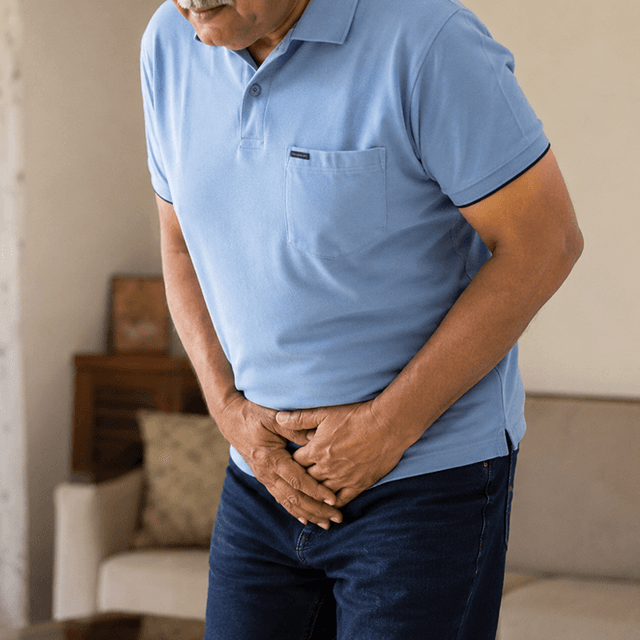
- Symptoms also include irritability, difficulty focusing and staying awake. As individuals age, hormonal shifts frequently disturb the resting hours. Moreover, sleep apnea may trigger repeated disruptions, often manifesting as a persistent urge to wake for urination during the night.
- Pauses in breathing, even if it seems minor, should always be discussed with a doctor. Snoring, gasps, and snorts are clear signs of sleep apnea that most family members and even the individual may not notice.
Sleep Disruptions
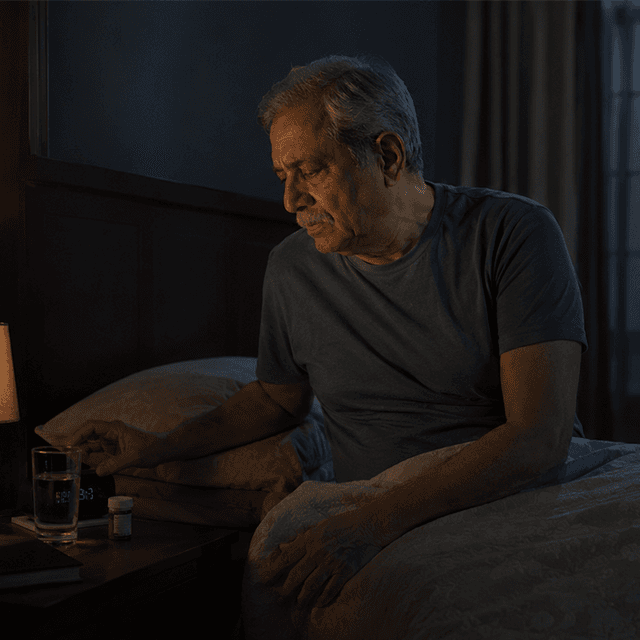
Sleep apnea occurs when a person is unconscious and most people don't realize how much their sleep has been disturbed. Keeping records prior to your appointment can greatly improve the odds of being treated.
The AGEasy Advanced Sensor Pulse Oximeter is a device that records blood oxygen levels and pulse rate. If someone has consistently low levels of oxygen saturation, this is information that should be reported to a physician given the potential risks.
Devices like the AGEasy Protec Smartwatch collect data on sleep cycles and heart rate while you sleep. While the smartwatch cannot determine if the user has sleep apnea, the watch provides useful data to a doctor to evaluate for sleep apnea by providing a record of how often the user is restless and how often there are changes in heart rate. For families that are caring for an elderly parent from a distance, the smartwatch also provides peace of mind with the SOS feature and a fall detection feature in addition to sleep monitoring.
If someone has sleep apnea it puts a strain on their cardiovascular system so it is important to watch blood pressure along with the sleep tracking. A home blood pressure monitor will make it easier to detect morning spikes in blood pressure that are commonly associated with poor sleep.
Small Changes to Help Improve Sleep
Your sleep position can make it harder to keep your airway open. Snoring and pauses in breathing often get worse by sleeping on your back as the tongue and soft tissue fall backward into the throat position.
Wedge pillows that keep the upper body elevated can help with keeping the airway open. This is a small change that some older adults will find very helpful. For side sleeping, a cervical pillow is also helpful to keep the airway open by supporting the natural curve of the neck.
Other habits that can support better sleep are: maintaining a healthy weight, reducing evening alcohol consumption, and having a consistent sleep routine. These habits do not substitute for medical treatment for diagnosed sleep apnea, however, they may help reduce sleep apnea in more mild cases.
When to Consult a Physician
Snoring occurring sporadically after a long day, or due to a cold, is often not a problem. However, if a person is snoring loudly and continuously, stops breathing for long periods, gasps for air, or experiences persistent daytime sleepiness, this all requires medical evaluation.
In such cases a physician may recommend a sleep study to evaluate how frequently breathing ceases and determine the extent of oxygen deprivation. Treatment may include lifestyle modifications, or, depending on the case, more serious interventions such as the use of a CPAP (continuous positive airway pressure) machine that is designed to keep the airway open during sleep.
Despite the fact that many people often ignore loud snoring as background noise, it may have more serious implications especially for seniors, as it may signal an overworked heart. Anyone noticing these patterns in themselves, or in relation to a parent or grandparent, should consult a physician. The only way to know what is happening during the disturbed hours of sleep is to get an appropriate diagnosis.
Recommended Blogs








You May Also Like
 No products found
Article by:

Manav
Article Category:
General Wellness