


Kegel Exercises for Seniors: The 5-Minute Routine That Reduces Leaks (Men Need It Too)
Article by: Ruchika
Jul 17, 2026. 7 min read
The first thing that people start giving up isn't self-control. It's self-confidence.
You might stop laughing as much, avoid long car trips, and start scoping out bathroom stalls every time you leave the house. And you tell yourself, "It's all just part of getting older." It isn't.
Kegel exercises are not just for women after they give birth. Kegels help women after they go through menopause. Kegels help men after they're diagnosed with prostate cancer. Kegels help everyone whose pelvic floor has been weakened over the years. Here's the secret to getting it back: it doesn't take much.
You don't need hours at the gym. You don't need any equipment. You don't need to accept leaking as your new normal.
Five minutes. A few simple contractions. One thing you do everyday. Most pelvic floor routines start and stop here. This is why, if you are suffering from sudden bladder leaks or urgency, you need this routine. This is the most important thing you can do to take care of your bladder. This is your guide to Kegels.
What Your Pelvic Floor Actually Does
Imagine a hammock of muscles being held up from the bottom of your pelvis. This is your pelvic floor. It's what holds your body up. Your pelvis, bladder, and bowel use these muscles so that you can go to the bathroom when you want to.
Like all muscles, pelvic floor muscles can weaken due to age. For women, this can happen after pregnancy, childbirth, and post-menopause due to lower estrogen levels. For men, while weakening occurs simply due to aging, post-prostate surgery is often the most common cause. When pelvic floor muscles weaken, this can lead to stress incontinence where urine leaks during laughter, coughing, sneezing, or heavy lifting. Urge incontinence occurs when one experiences a strong and sudden urge to urinate and cannot delay going.
Kegel exercises help improve the strength and coordination of pelvic floor muscles, helping them to contract and hold for longer durations to improve pelvic floor muscle control.
Why Both Men and Women Benefit
The belief that Kegel exercises are only for women leads to many men missing out on something that can really benefit them. Pelvic floor muscle training has consistently shown to improve urine leakage in women having stress and mixed incontinence.
Encouraging evidence also exists for men: after prostate surgery, directed pelvic floor muscle training has been shown to improve bladder control. The same principle applies to the pelvic floor muscles.
Ultimately, the essence is dignity. With fewer leakage incidents, less need to plan out toilet locations, and overall greater peace of mind, men and women can finally experience less interruptions and more control over their daily activities.
How to Find the Right Muscles First
The most important part of the exercise is actually finding and contracting the right muscles, as many people make the mistake of contracting the wrong muscles.
The next time you go to the bathroom, attempt to interrupt your urine flow midstream. The muscles used in doing this are your pelvic floor muscles. (Only do this to identify the muscles, not as a part of a regular exercise regimen, as stopping the flow of urine multiple times could cause bladder irritation).
Another way to think of it is to picture yourself as you are about to pass gas, and gently pull those muscles in and up. You should feel a lift rather than a push downward.
There are two things to avoid. Do not breathe in and don't tighten your buttocks, thighs, or abdomen. If any of those are tightening, you are using the incorrect muscles. A good contraction feels subtle and internal.
The Daily 5-Minute Routine
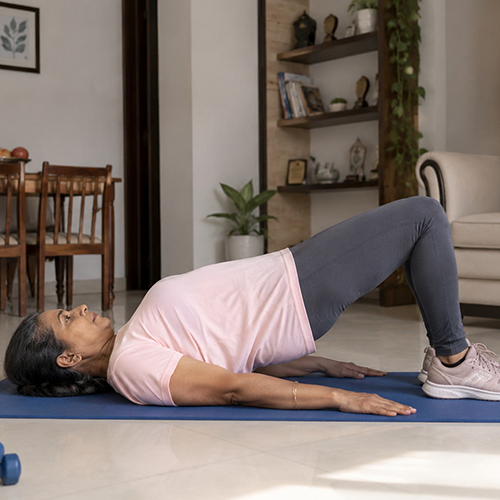
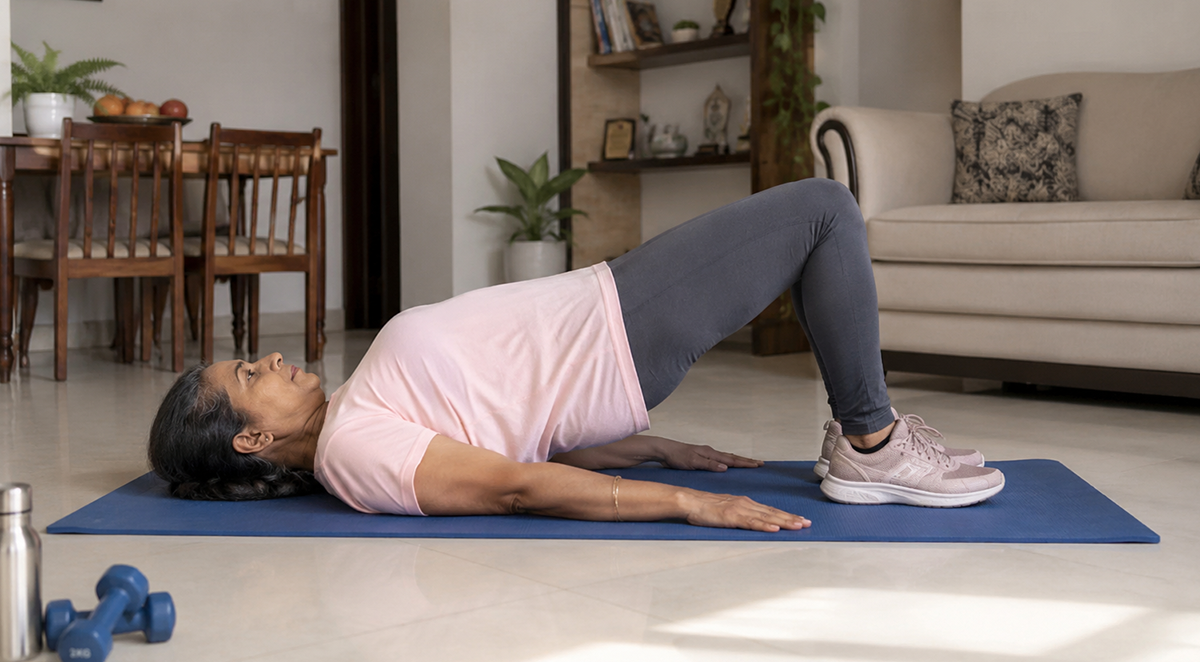
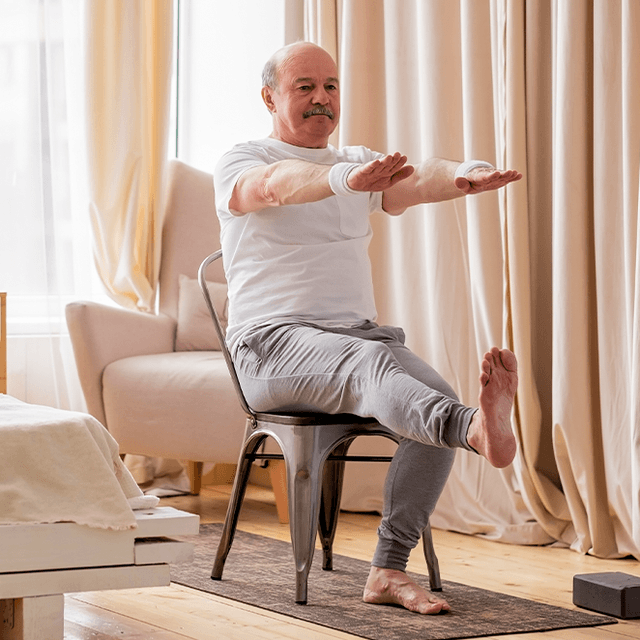
The routine is easy, and now that you've identified the correct muscles it can be performed in any position whether lying down, sitting, or standing. Beginners often find it easiest to do while lying down because of gravity.
- Minutes 1-2: Hold contraction in your pelvic floor muscles for 3-5 seconds. Then, relax your muscles for the same amount of time you held. Repeat this 8-10 times.
- Minute 3: Quickly squeeze the muscles and release as fast as you can (about 10 times). This teaches the muscles the fast reaction needed when you sneeze or cough.
- Minute 4: As you become stronger, increase the time you hold the muscles contracted to 10 seconds, and rest for 10 seconds in between. Repeat this 5 times.
- Minute 5: Try doing these contractions while doing something usual like standing at the sink as the kettle boils. Practicing while standing helps train the muscles to engage in real-life situations when leaks actually happen.
Try to aim for two to three sets a day and remember that consistency beats intensity. It will take 6 to 12 weeks to notice a change, give time to evaluate the progress. Most people do not see results immediately.
Some Habits That Help Kegels Work More
The exercises will help more if your habitual routines do not work against the Kegels. Instead of limiting your fluid intake to manage leaks, it is best to stay hydrated. Your bladder may become more sensitive and make leakage worse if you drink large amounts of fluid all at once.
Try to avoid caffeine and alcohol as they irritate your bladder. Additional pressure on the pelvic floor can be caused by extra weight around your abdomen. Make sure to avoid straining on the toilet because that will use some of the muscles you are trying to protect.
Managing Leaks While You Build Strength
There is a good chance that Kegels will work, but it will take time, so you may need to find ways to protect your clothes and your confidence while you stay active. This is important because staying active is part of the recovery process, not the opposite.
For daytime confidence, you can wear the AGEasy Unisex Adult Diaper Pants under your regular clothes so you can make a long car trip or laugh as much as you want without worrying. They look like regular underwear and are designed for men and women.
Those with limited mobility and overnight security concerns can use the AGEasy Adult Diapers Tape Style, which provides around 10 hours of absorption. Each pair comes with an evenly distributed core that keeps the skin dry, which is important because prolonged moisture often leads to skin irritation.
AGEasy Bath Wipes also allow users to stay refreshed and clean without having to wash. These products serve to allow users to maintain their daily routines while longer lasting and more effective solutions through pelvic floor exercises take effect.
When to See a Doctor
Kegel exercises are safe for almost everyone, but incontinence exists for a reason and one of those reasons may be a medical issue. If you notice any of the following, you should seek medical attention: blood in urine, pain or burning when urinating, any changes in bladder habits, or sudden leaks.
Additionally, if you have been doing exercises consistently for three months with no improvement, this is also worth a medical visit. If you have recently undergone prostate surgery, speak to a pelvic floor physiotherapist who can help you get the most out of your exercises.
The Bottom Line
Leakage of the bladder is a common side effect of aging, but it is not something that an individual should accept.
Kegel exercises take very little time and can restore the pelvic floor muscles that support continence. This applies to both men and women. Start today. Discover the muscles, establish the routine, defend your confidence for now, and allow your body the weeks it requires.
Aging does not have to involve relinquishing the activities you enjoy, or knowing the location of every toilet before you leave the house.
This article is for informational purposes only and should not be considered medical advice. For persistent or worsening symptoms, please see a qualified medical professional.
Recommended Blogs

















You May Also Like
 No products found
Article by:

Ruchika
Article Category:
General Wellness