


Chest Congestion in Older Adults: Safe Home Care and the 48-Hour Rule for Seeing a Doctor
Article by: Hina
Jul 17, 2026. 8 min read
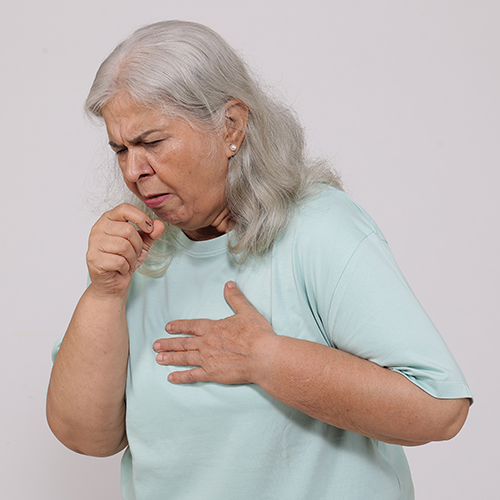
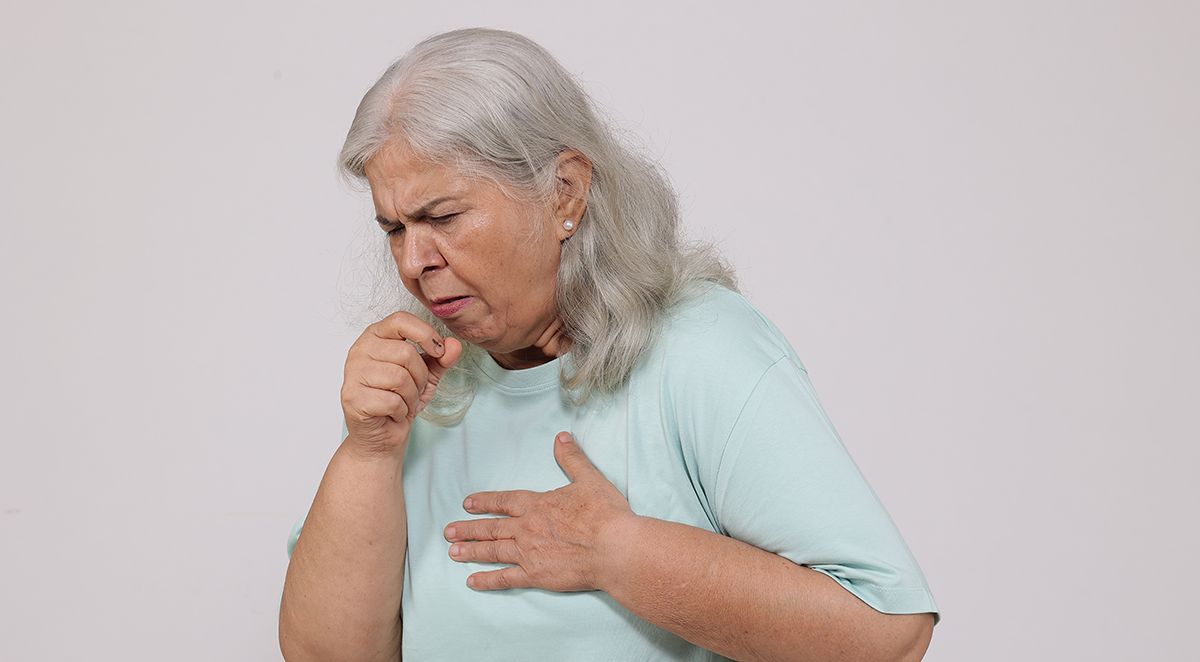
Not every cough is an emergency, but waiting for coughs to get worse could be an emergency. Just some mucus and a bit of a cough, seems harmless enough. So let's give it another day and hopefully it goes away on its own. Sometimes it is the right call. Other times, it is not.
Most families assume that it just takes time, but that is not always the case. It could be an infection, or more seriously, it could be a medical emergency. In older adults, the signs are there, but often go unnoticed. That is why the clock matters just as much as the cough.
- The first day is for considering if care needs to be taken
- The second day is to notice any changes
- Day 3? If you've been counting, it is time to see a doctor
The goal is to identify a looming issue that could worsen. The most important thing is to ensure rest and plenty of drinking fluids. Staying hydrated while monitoring any changes will help with congestion.
This handout discusses safe home care strategies for chest congestion, signs to watch for that indicate you should get in touch with a physician, and the 48-hour rule regarding when to get medical advice which can be particularly helpful whether you are caring for an aging parent or managing your own symptoms.
Why Does Chest Congestion Affect Older Adults More Significantly?
With advancing years, the body responds to infections in a different way. A younger individual suffering from a chest infection will most likely develop a high fever and will look quite ill, but the same is not true for older adults, they may not develop any fever at all. The changes could be due to increased tiredness, slightly increased rate of breathing, a decreased level of appetite, or a change in their normal behavior.
The cough reflex tends to be weaker with age which makes it more difficult to remove secretions from the airways. Additionally, lung capacity declines with aging. Countless older adults have chronic underlying medical conditions including cardiac disease, diabetes mellitus, chronic obstructive pulmonary disease or immunosuppression, which increases the likelihood of a cold progressing to a chest infection. Thus, watchful waiting in older adults needs to be more careful.
Home Care for the First 48 Hours
If there are no red flag symptoms accompanying chest congestion then home care, especially during the first 48 hours is important.
- Keep your fluids up: Warm water, clear soups, herbal tea, and broth help thin mucus to make it easier to cough up. Congestion thickens when you are dehydrated, so gentle, steady sipping through the day is more helpful than one large drink.
- Rest, but do not lie completely flat: Your immune system needs to be able to work while you sleep and rest. Using an extra pillow to prop your head and upper body may help you to breathe more easily and reduce the heavy pooling feeling in your chest.
- Use steam to loosen mucus: One of the gentlest and oldest ways to ease congestion is to breathe in warm, moist air. Steaming is a good way to open your nasal passages and soothe irritated airways. A device like the AGEasy steamer is safer and more effective than leaning over a stove to steam, especially for older adults with slower reflexes, but be careful to keep the steam away from your face and do not keep it on for long.
- Keep your airways moist and open at night: Laying down can make congestion and your cough feel worse so, if you use cotton drug-free nasal strips, they may help open your nasal passages to help you breathe more comfortably through the night.
- Once the worst has passed, ease your breathing using gentle exercises: During the recovery phase, assume the worst is over, so gentle congestion exercises are appropriate to re-expand your lungs by clearing up any leftover mucus. Remaining recuperative lung strength can be achieved using a breathing trainer, but only after the acute illness phase has passed.
- Maintain a clean environment: Avoid smoke, strong odors, and dust. If air quality is bad, windows can be kept closed to minimize air flow to the room which may provide some relief to already inflamed airways.
Please take caution, commercially available cough suppressants and expectorants may not always be appropriate for seniors, particularly if they are taking medications for hypertension or have a history of cardiac issues. Consult with your physician or a pharmacist prior to starting any new medications.
What to Watch For and the Importance of a Pulse Oximeter
Home care is most effective when it is complemented by real-time monitoring. Instead of depending on a gut feeling of "better" or "worse," try to document the following criteria over the next two days. Observe the respiratory rate, is it quicker or more difficult than it was yesterday? The appearance and volume of sputum may also be relevant. The levels of energy, appetite, and alertness should also be monitored. For seniors, sudden disorientation or excessive lethargy can indicate a change for the worse, often before distressing breathing becomes apparent.
Among the most valuable things to measure at home is the level of oxygen in the blood. A pulse oximeter provides a rapid and painless method to measure blood oxygen levels by clipping to the end of a finger and displaying the saturation of oxygen (SpO₂) within a few seconds. The pulse oximeter measures the percentage of blood that is saturated with oxygen. A range of 95% to 100% is considered to be within the normal limits for most healthy individuals. If the pulse oximeter reading is below this range or it continues to decrease, this is a clear indicator for concern as it suggests that the lungs are not functioning optimally. In this case, it would be best to contact a physician rather than wait. This device is especially important for seniors as it can help identify chest infections that may gradually and quietly decrease blood oxygen levels even in the absence of breathlessness.
The 48-Hour Rule: When to Stop Waiting
The 48-hour rule can be summarized as follows: If chest congestion has not worsened over the course of two days, then reasonable follow ups would be justified. On the other hand, if chest congestion is worsening, or if any red flags appear, then seek medical attention, regardless of time.
If you observe any of the following, do not wait for the full 48 hours, and seek medical assistance.
- Difficulty breathing, shortness of breath at rest, or rapid/shallow breathing
- Pulse oximeter readings falling or dropping below 94%
- Blue coloration of the lips, fingers, or face
- Chest tightness or pain
- Unresponsiveness, extreme drowsiness, or new confusion
- Extreme chills or a high fever
- Coughing up blood, or producing green, brown, or rust-colored mucus
- Worsening congestion that has not responded to usual care (especially in those with COPD, asthma, heart failure, or a weakened immune system)
If you see any of these, then the problem has progressed beyond the scope of home care. In these cases, medical attention is the best and sometimes the only option. If none of these symptoms are present, and things are genuinely improving, then home care is definitely working. Recovery can take one to two weeks and a mild cough after the worst has passed is often normal.
When Is Nebulization Appropriate?
Some older adult patients, particularly those who have asthma or COPD, may have a prescription from their doctor for medication to be delivered via nebulization. Portable nebulizers use a liquid medicine and turn it into a mist to be inhaled into the lungs. Many find this to be easier than using an inhaler. It is important to remember, nebulization should be performed with the medicine, dose, and frequency that your doctor prescribes. It is not an alternative to medical evaluation when there are red flags.
Takeaways
Chest congestion in older adults should be taken seriously, but it is often the case that the first line of treatment or intervention should be non-invasive and include the wider use of rest, the inclusion of supportive fluids, steam, and careful monitoring. The 48-hour rule gives a framework for determining when to take action: observe and record over the course of one day; if you notice changes, wait another day, and act at the end of the second day if there has been no change.
This article does not replace the need for professional medical assistance, and therefore, a visit to the doctor or local emergency services is warranted.
Recommended Blogs



















You May Also Like
 No products found
Article by:

Hina
Article Category:
General Wellness