
Freedom from the Fear of Leaks: Best Incontinence Aids for Seniors
Aug 17, 2026
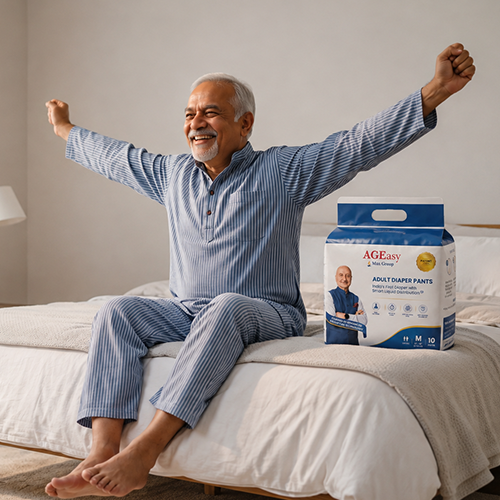
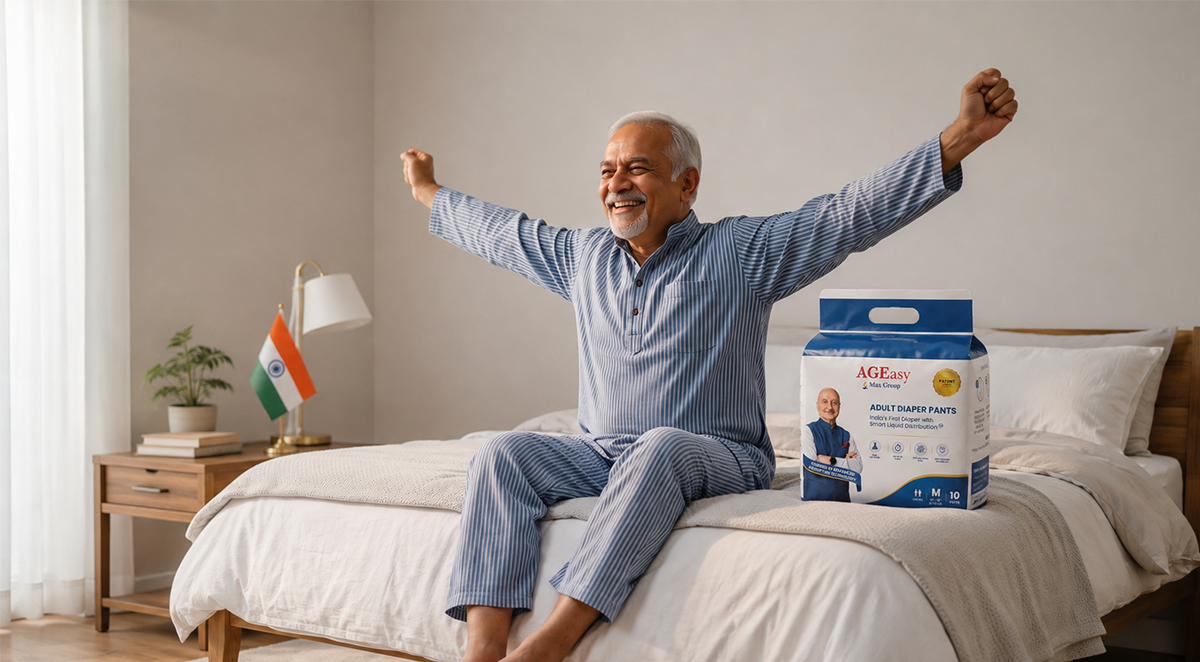
A major inconvenience associated with incontinence is the psychosocial aspect rather than the leak itself. This includes people limiting their activities. Some examples include avoiding social events, walking in the morning, selecting a restroom-adjacent seat, evaluating their attire prior to leaving the house, and planning their entire day around the potential of having an accident.
Most consider incontinence to be a matter of the bladder. However, for older adults, incontinence can actually be a matter of loss of freedom. It can mean being fearful of being far from a restroom and having the anxiety of someone detecting the incontinence.
It can require extensive planning on how to manage bathroom visits, along with selecting the proper attire and ensuring restroom proximity. Little by little, a person may say no to the things they once enjoyed.
Incontinence aids should not be considered a marker of incontinence. More appropriately, they should be considered a means for providing greater independence.
Thoughtful selection and use of protection for incontinence can provide the confidence a person needs to enjoy greater levels of independence. The proper level of protection can restore a person's ability to travel and get around with greater confidence.
Inconsistencies in a routine can unnecessarily cause a person to focus on each and every second of the day and be concerned about leaking. The ultimate aim is to allow a person to be free from feeling embarrassed and the need to hide.
Today’s incontinence products adapt to different styles and lifestyles. Protection is no longer dictated by incontinence. This guide is designed to help those responsible for purchasing incontinence products to better identify the needs of the senior and help restore their confidence to live an active and fulfilling life by purchasing the appropriate product.
Understanding Incontinence in Older Adults
Incontinence is the involuntary leakage of urine or stool. While urinary incontinence is more common, bowel incontinence can also cause problems. Leakage during physical activity or the inability to reach the bathroom in time can occur for some, but is more common for others.
Incontinence does not have to be a part of aging. It can be caused by diabetes, constipation, urinary tract infections, prostate problems, pelvic floor muscles weakened by childbirth, neurological and other medical problems, certain medications, surgery, or a prolonged illness.
An assessment of the cause is very important, as treating the root of the incontinence can improve the condition overall.
Choosing the Right Type of Incontinence Aid
The most appropriate product is determined by the level of leakage, mobility, body type, and the extent to which one is able to take care of themselves, as well as by comfort, fit, and absorbency.
Pull-on absorbent wear is best suited for individuals who are able to stand and walk, control elimination, and manage their own changes. They feel more like normal underwear and give a greater feeling of control. Pull-on garments can also be more easily concealed.
The AGEasy pull-on products include the AGEasy Adult Diaper Pants with Smart Liquid Distribution and the AGEasy Unisex Adult Diaper Pants Style. These can be used by (semi-) mobile, senior adults who require daily or nighttime protection.
Tape-style garments are more appropriate for those who require assistance with changes and/or do not have safe standing abilities. Side tabs allow for changing and fastening while lying down. This is a more convenient option for those with very limited mobility.
Assisted-change tape-style diapers by AGEasy are designed for this level of care. It is important to make sure that the product is not too tight, as this causes discomfort and rubbing, as well as leakage of the product.
How to Select the Appropriate Absorbency
The level of absorbency determines how bulky the product is. Discomfort is potentially caused by bulkiness. It is important to consider the level of leakage and how often it occurs.
For infrequent leaks, lighter protection is more appropriate. For more frequent leaks, protection of a greater level is needed. This would be applicable for larger leaks and/or leaks that occur during the night. If a person experiences significant leakage when moving, they may require a different product compared to a person who experiences small leaks due to coughing.
Change the product immediately after it has been soiled or wet. Letting users wear a wet product for too long allows it to form a barrier between the skin and the air, thus increasing the moisture level against the skin and potentially causing irritation. Be sure to always follow the product guidelines and think about the user's comfort.
Fit Over Appearance
If a product is too loose, it may leak urine around the leg and waist areas. A product that is too tight will rub against the skin, cause discomfort, and restrict movement. Make sure to check the size chart provided by the manufacturer and follow the measurement instructions for the waist and hip areas.
The user should be able to walk, sit, and lie down comfortably. Adjust the product to ensure even pressure across the inner thighs and waist.
Providing options to older adults helps them feel like their situation and needs are being addressed. Pull-on pant products that require less assistance to put on will help provide older adults with more independence. During necessary clothing changes, move the adult to a private space and explain each step of the process to retain the user's dignity.
If left unprotected, the skin becomes irritated from moisture, friction, and contact with urine or stool. Older adults have a greater risk of skin irritation because their skin is more sensitive.
Regularly change the product to avoid the need for vigorous cleansing. Scrubbing the area can damage fragile skin. If it is safe to do so, allow the area to dry before reapplying the product. For some individuals, barrier creams are helpful, but advice from a healthcare professional is needed to avoid further complicating broken or infected skin.
Persistent pain, itching, and swelling of a particular area, as well as blisters, open wounds, and discharge of fluid, may require further medical evaluation. These should not be covered repeatedly without a medical exam.
Skin-related problems require the care of a dermatologist for the best outcomes. Managing incontinence requires multiple decisions beyond choosing absorbent products. This includes keeping the bathroom routine consistent, adding products that can help people with limited mobility, to reach the toilet safely. Remove obstructions, improve lighting, install grab bars, and use a raised toilet seat.
Standing and walking pose a risk if a person has low mobility. The type of aid a person needs is based on the individual's strength and requirements, and is best determined by a professional.
AGEasy Bath Wipes are useful for the daily partial bathing of at-risk patients. But it doesn't eliminate the need for regular bathing. It's just helpful in case a person has gone through a serious surgery or illness.
Protection for mattresses and linens is also important for users who will spend extended periods on or in bed. AGEasy Disposable Under Sheets add protection to the bed to help with easy changes for caregivers.
Dignity When Managing Incontinence
Some older adults resist incontinence products since they perceive product use as a sign of dependence. Hence, how one frames it becomes important. Product use should be positioned as a way to increase independence, for example, using it will make outings and sleeping much easier.
Products should be used and changed privately (e.g., no product should be changed in public). Product use and changing should be performed at a consistent time to affirm that caregivers are there to provide support, while allowing the user to assume control as much as possible.
When Should You Seek Medical Advice?
It is of paramount importance that you seek medical advice for incontinence that occurs suddenly, is severe, or occurs with pain, fever, blood in the urine or stool (or vomit), burning while urinating, severe constipation, worsening confusion, weight loss, weakness, or any other sudden change in behavior.
It's also needed when there is a need to rule out a more serious health condition. The doctor may review the medications being taken, assess the symptoms, check for an infection, and provide medical care. Even with available treatments, the root cause of incontinence may not always be completely resolved. Incontinence aids and treatments should only be used after a healthcare assessment by a qualified professional.
The right product can give a person confidence while they travel, exercise, visit friends, and even while they sleep. Perhaps more importantly, it can let them make the choices that allow them to feel normal in everyday life.