
The 1947 Generation - What Their Care Needs to Look Like Now
Aug 14, 2026
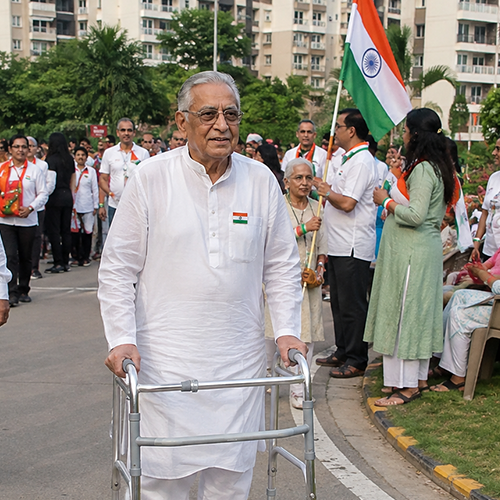
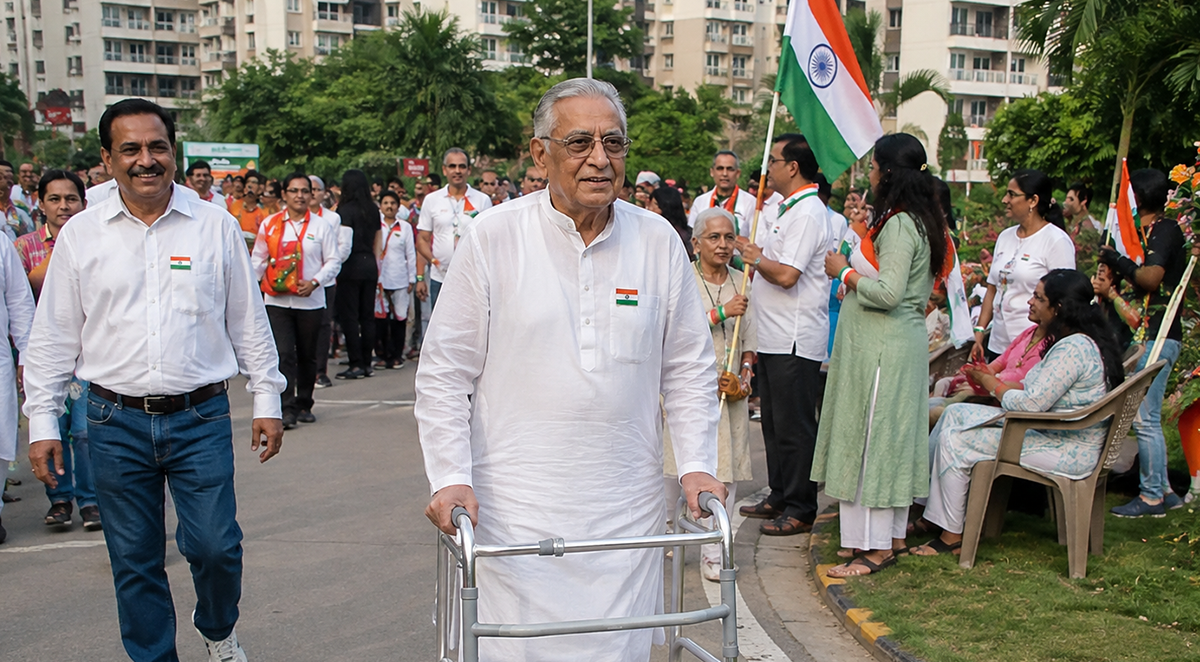
India's 79-plus population is growing. Based on data from sources such as NCAER and NSO, this generation offers an important insight into how the country's elder care needs are changing. They also represent the people who helped build the India we live in today.
Now, we must work out how to mobilize elder care for them. They lived before smart technologies and before there was even a discussion about retirement. They lived and worked through the societal and economic changes to raise families. They watched India change and transform from 1947 to 2026.
Mostly, family members think care begins when someone needs help from others. But care starts before that. Care begins when problems due to aging are introduced into the family. This includes issues concerning mobility, nutrition, falls, safety, vision, social connection, and loneliness. A 79-year-old today will have different care needs than when their parents were 79. This generation asks the question, are our families, homes, health care, and communities ready to meet the needs of this generation? The 1947 generation reflects more than a demographic shift. This generation reflects elder care, family, and the health care systems. It reflects the India we are building.
If you're caring for an elderly parent, planning for your own old age, or understanding the new dimensions of India's rapidly shifting old age demographics, this article examines what the 79-year-old generation requires and what challenges caregivers, healthcare professionals, and society face in the ageing years.
Understanding What Ageing Looks Like Today
People in their late seventies and early eighties do not all have the same needs. Some are still independent and active. Some may manage diabetes, high blood pressure, or arthritis, while others might experience sensory impairments or navigate the aftermath of a stroke. Age alone is not a determinant for the type of care a person needs. The caregiver must understand the person's daily routine, the current health condition, health complaints of the past, environment, finances, and person's wishes. The first step is to ask relevant questions.
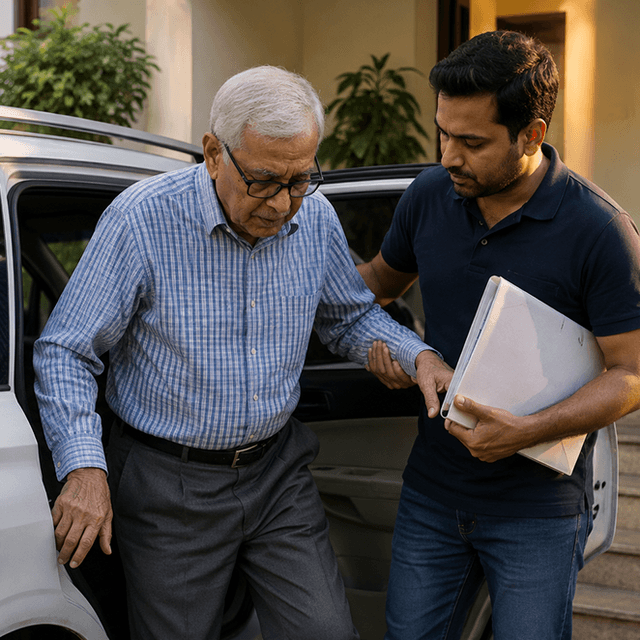
Are they starting to need help bathing or dressing? Are they eating without prompting and with an eye towards nutrition? Can they get to the bathroom? Do they remember to take their meds? Can they go to the doctor? Do they have visitors? Answering these questions provides a good description of a person's level of care before an emergency happens.
Mobility Must Be a Priority
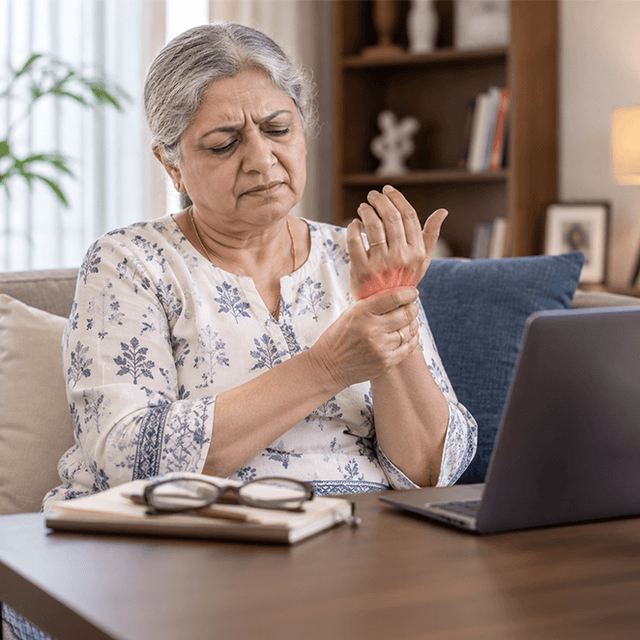
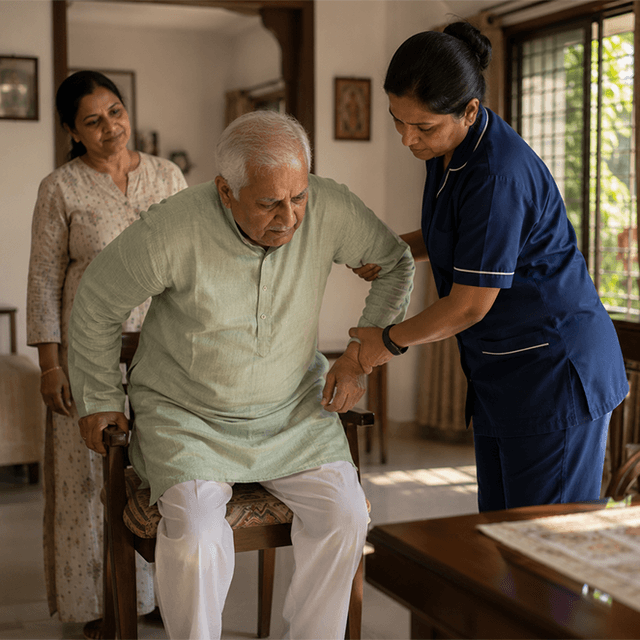
It is a normal and expected part of aging to be slower. There are, however, some situations where a decline in mobility is a concern. Possible causes may be from loss of muscle mass, joint pain, bad sight, side effects of medication, and other conditions.
There are a number of consequences of decreased mobility, and one of those is diminished social interaction. Consequently, older adults may begin avoiding social visits, skipping medical appointments, spending more time in bed, and relying heavily on family members.
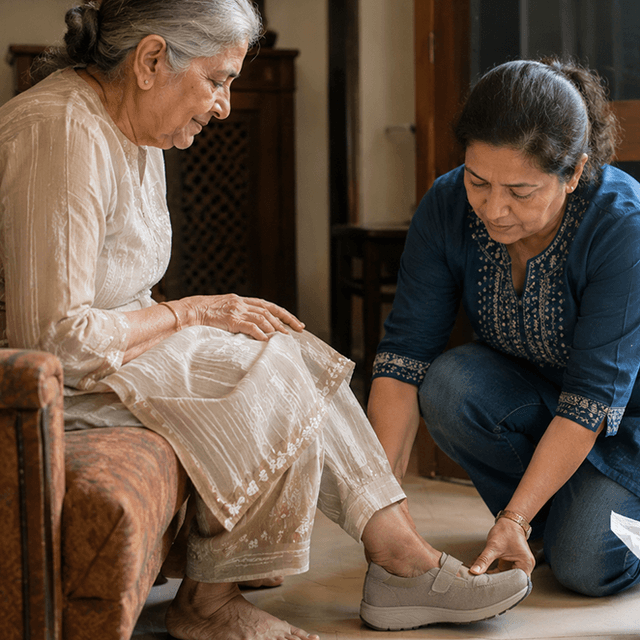
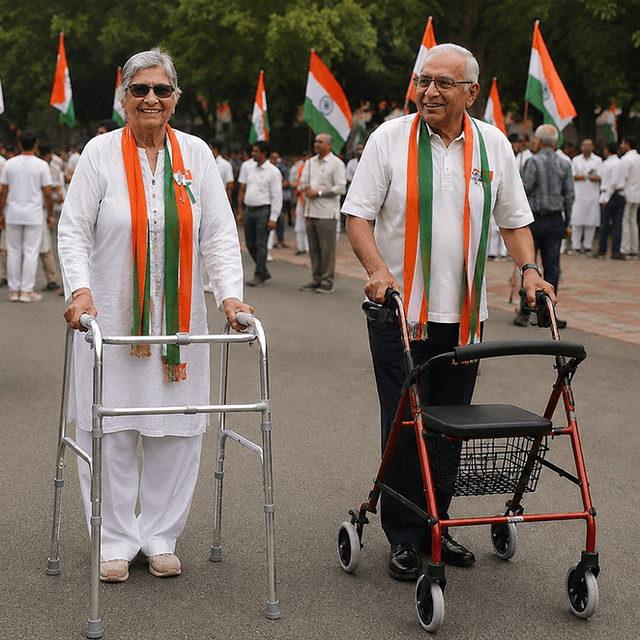
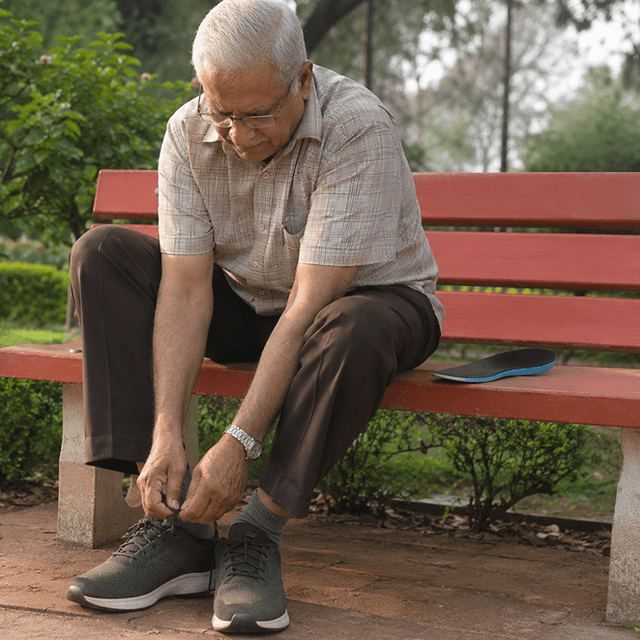
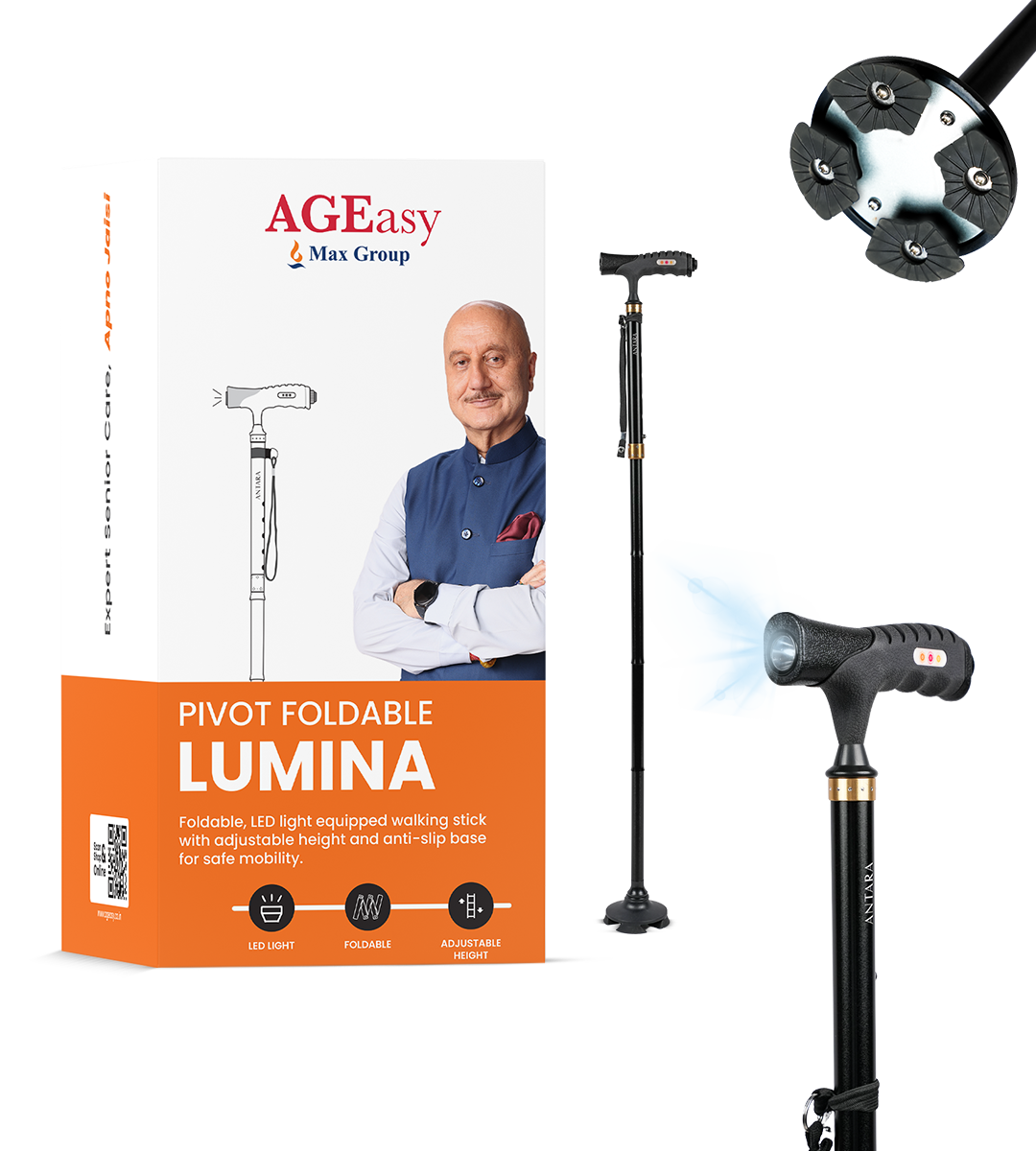
A doctor or physiotherapist can help identify the reason for the change and recommend suitable exercises or mobility support. The right aid depends on balance, strength, gait, and independence.
A Rollator with Seat such as the one offered by AGEasy for Seniors is a good option for someone who can walk a bit but may get tired. For someone who can't walk at all, a wheelchair with help is the only option.
When choosing products such as a walker, the ability and comfort of the user must be taken into consideration. Convenience and cost should not be the deciding factors when choosing a mobility aid. It should fit a user properly and be used according to advice from professionals. Depending on the user's specific needs, AGEasy offers both standard and step walkers.
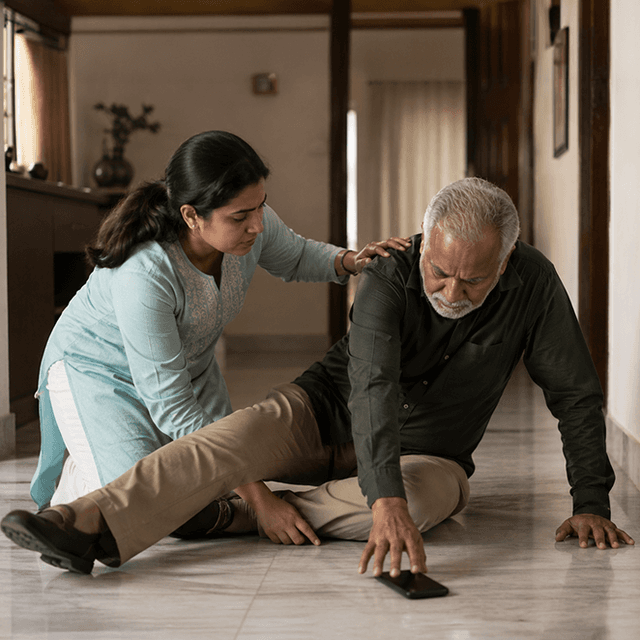
The home must be modified for safe movement too. Rugs should be secured, lighting should be improved, necessary items should be placed where they are easy to reach, and grab bars should be installed. Falls in the bathroom and on the stairs can cause a lot of harm, so those areas must be prioritized.
Managing Chronic Conditions at Home
More and more older adults spend their days living with chronic conditions, which means there is a greater need for frequent checks and good communication between the patient, their relatives, and the care providers. Blood pressure readings from home can show a doctor how blood pressure may be different based on the activities that day. Reliable digital monitors, like AGEasy's arm and wrist models, are excellent options for families that have been told to monitor blood pressure at home.
A monitor should not be a substitute for a medical appointment. Readings can be altered by various things. The family should adhere to the instructions provided, and also record the readings. If the readings consistently fall outside the accepted range, the doctor should be contacted.
Urgent medical evaluation is needed for symptoms such as chest pain, difficulty breathing, confusion, weakness on one side, loss of consciousness, severe spikes or drops in blood glucose levels, or sudden respiratory distress. Home devices can support observation for symptom changes, but home devices should not be used to make changes to medications, diagnoses, or other treatments.
Nutrition, Hydration, and Oral Health
Change of appetite, digestion, thirst, and chewing ability, and changes in ability to taste, can affect older adults, especially when older adults live alone and find cooking difficult. This reduces appetite and increases the risk of weight loss, weakness, constipation, and dehydration.
Meals should be prepared in accordance with the health conditions and preference of an older adult. All adults should consume protein, high fiber, and plenty of fluids. The amount and types of food that older adults should consume depends on their health conditions. These may include conditions such as diabetes, kidney disease, swallowing problems, digestion disorders, and others. Furthermore, often-overlooked oral health problems and poorly fitting dentures can cause older adults to avoid eating altogether. The best way to ensure nutrition and eating comfort is to have dental care on a regular basis.
Personal Care and Dignity
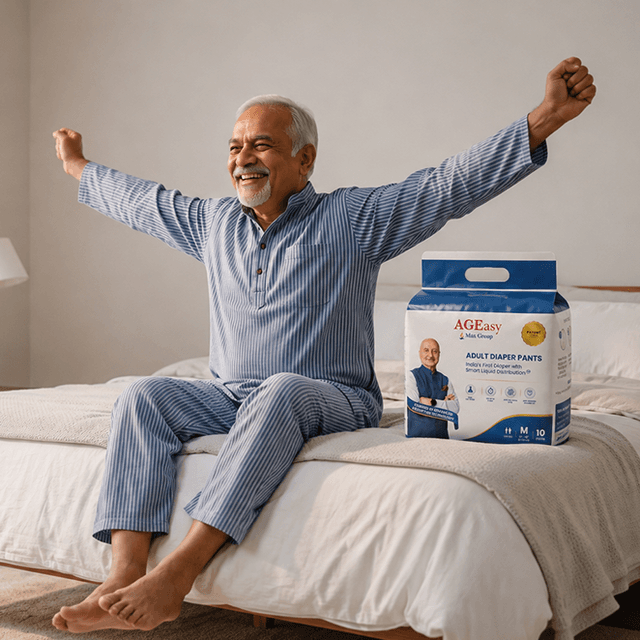
Incontinence may have a physical and emotional impact on older adults. It can also make older adults feel that they are losing their independence and becoming a burden. It is important to focus on the comfort and hygiene of older adults rather than the burden. The product that meets the incontinence needs may depend on the level of incontinence, the size of the person, and if they are able to change the product on their own.
AGEasy offers products, including Adult Diaper Pants, to help individuals who use pull-on products. However, Adult Diapers Tape Style is likely more effective for people who are unable to move and are bed bound. During the bedside changing of products, the skin needs to stay dry and clean and should be changed regularly. If there are persistent issues such as pain, rashes, sores, or skin inflammation, then a conversation with a practitioner is essential.
Incontinence can also be caused by urinary tract infections, medication, constipation, other lower urinary tract diseases, and prostate disorders. Efforts to keep skin clean and dry can be assisted by AGEasy Bath Wipes. While they work to relieve some of the burden, there should be no mistaking them for actual medical care, and regular bathing should continue.
Sleep, Pain, and Recovery
Poor sleep is not always an inevitable part of ageing. Pain, anxiety, breathing problems, frequent urination, medicines, and sleeping position can all affect rest.
Supportive products may improve comfort, but they should not be treated as cures. Ergonomic support products, such as AGEasy's cervical and back wedge pillows, can provide a comfortable, elevated resting position when sitting or sleeping. Anyone recovering from surgery, reflux, or respiratory issues should ask their doctor about elevation and the positioning procedures.
Loneliness Is Also a Care Need
Feeling lonely can be as significant a health concern as feeling physically ill. Health concerns for older adults are exacerbated by loss of a spouse, moving away from friends, retirement, or less mobility. Even if children are present, older adults may feel lonely if their care is done without their involvement. Meals with families, visits from families, religious or community activities, phone calls, and opportunities for safe movement should be provided. When making plans for their care, older adults should be included.
Planning for the Next Decade
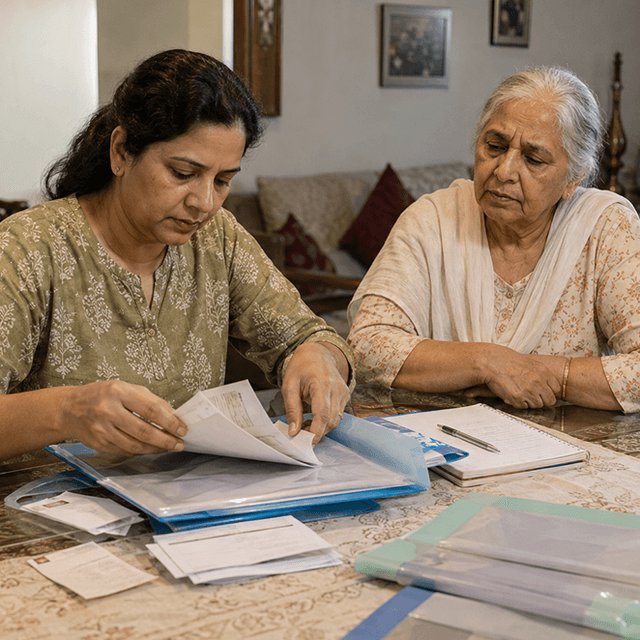
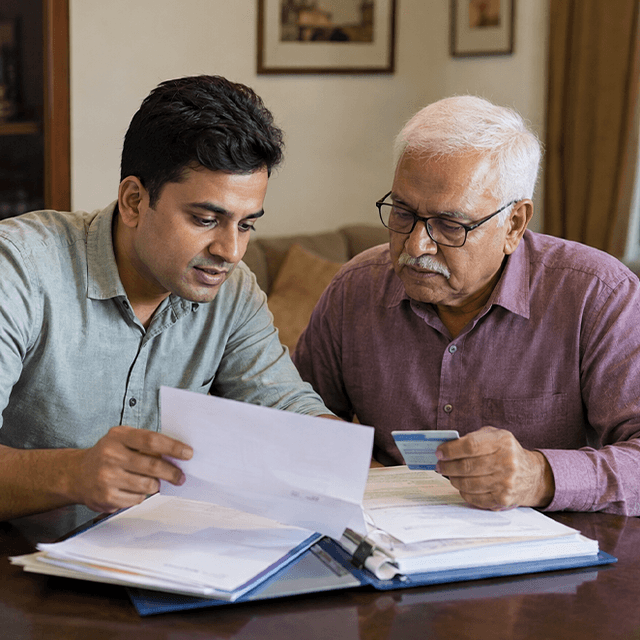
Organized in advance of a crisis, this form of planning usually involves documenting names and contact information of physicians, detailing medication, listing allergies and emergency instructions, and capturing insurance information.
It is important to consider who will help with appointments, household chores, finances, and personal care. A care plan has to be flexible as situations and health needs change. The end goal is to help the individual maintain as much independence as he or she wants.
The population over 79 years of age in India is not a homogenous population requiring the same type of support. Some of these people may need assistance periodically, while others will likely need continuous support or even full time professional support. What is common among this population is the need to be supported in a way that allows them to make their own choices.
The journey of the care plan should start with an open dialogue to determine a person's needs, safety, health, emotional well being and mobility. Prior to any plan being made to provide treatment, rehabilitation or long-term care, families should meet with a healthcare professional that is experienced in the areas of rehabilitation and treatment to perform an assessment.