
Attending a Flag Hoisting at 75+: A Practical Safety Guide
Aug 14, 2026
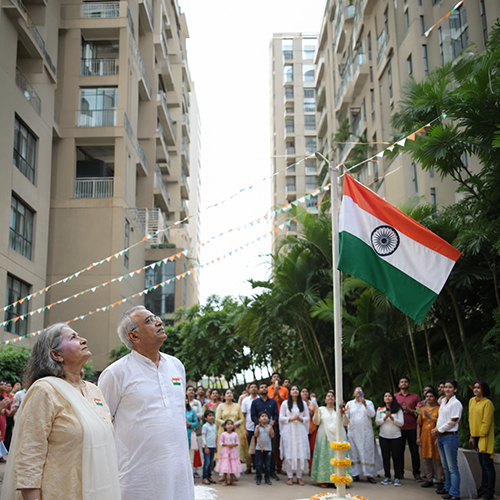
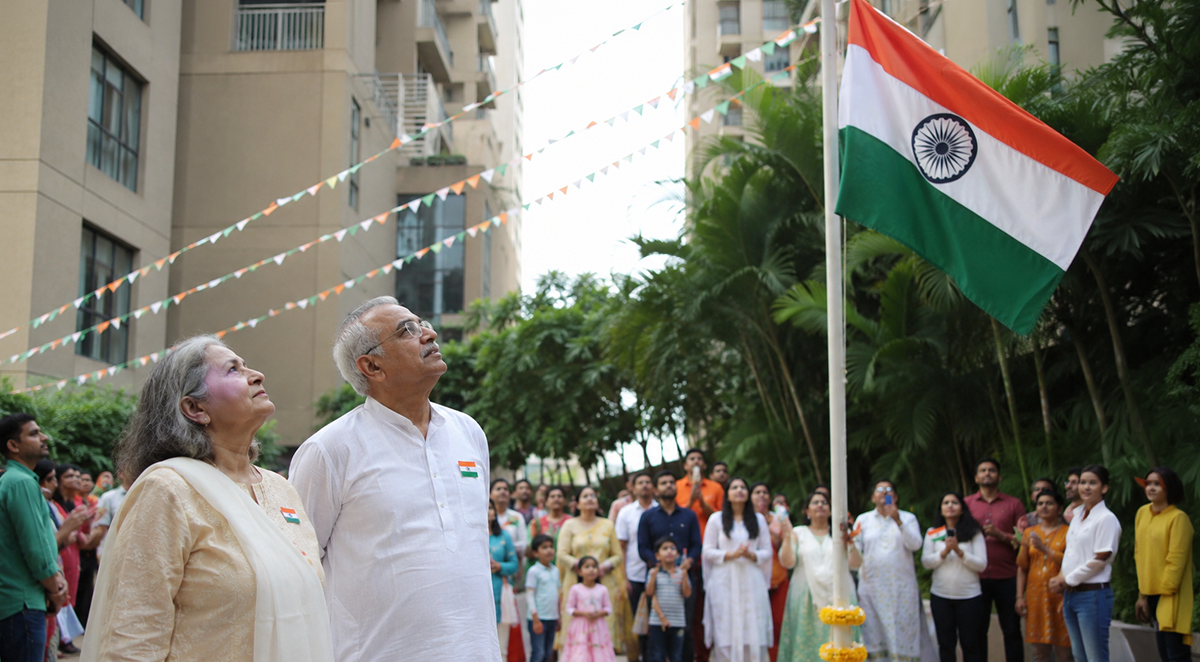
For your parent, attending a flag hoisting ceremony means something beyond just a beautiful day out. It means meeting up with friends and neighbors and having a chance to engage with community activities.
At the age of 75 and beyond, you need to pay attention to the finer details.
Standing for long periods of time, being in a large crowd, dealing with hot dry weather, and not having enough water leads to a lot of discomfort and may lead to health issues. Dehydration, dizziness, falling, and heat illnesses are just some of the issues that will affect your parent. There are many medications that may affect this as well.
With a little bit of planning, your parent will not have to miss the flag hoisting. You need to arrange for transportation and determine the time and route, bring shade, seating, water, and medications, and observe for early signs of fatigue and dizziness. Tell your parent to please take a break or just go home if that is what is needed.
Simply put, your parent should be able to participate in the ceremony in a way that provides them with comfort, confidence, and safety.
Plan the Timing of the Ceremony
71% of flag hoisting ceremonies begin early in the morning. The remaining ceremonies begin between 9:00 AM and 11:00 AM. It is also important to know the weather. It could be gentle and pleasant in the morning and sweltering by late morning.
With hot and humid weather, plan on arriving early to claim a shaded spot before the ceremony begins.
Plan on having the whole family ready in plenty of time to avoid the common issues of time pressure leading to a missed medication or poor hydration.
Before the event, speak with the organizers. Learn the location of seating, shade, and toilets. Ask how crowded the event is anticipated to be and how far the parking is from the ceremony. Knowing these things will help you plan the visit with the most regard for the comfort of your parents.
Plan the Route and Transport
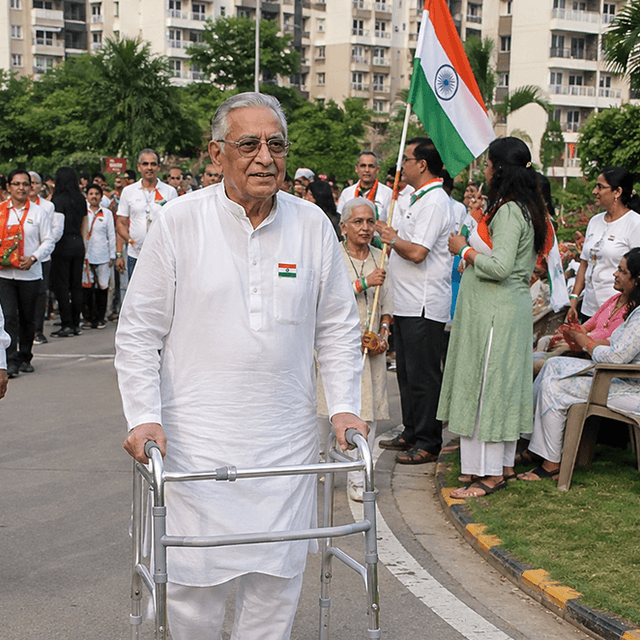
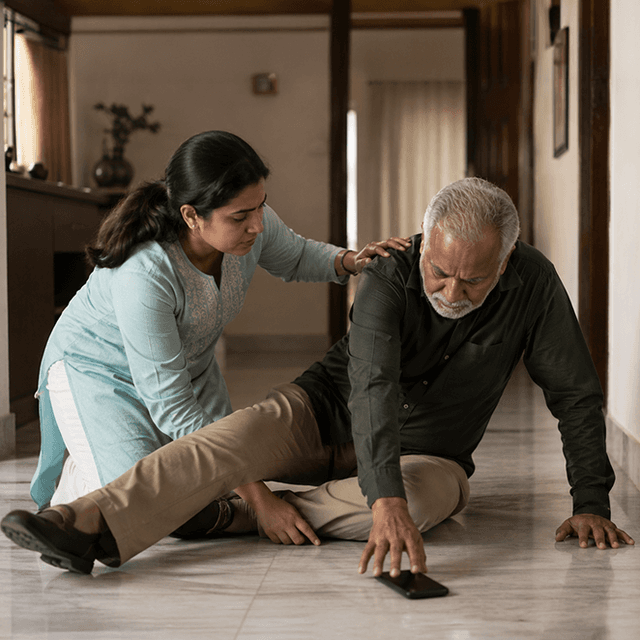
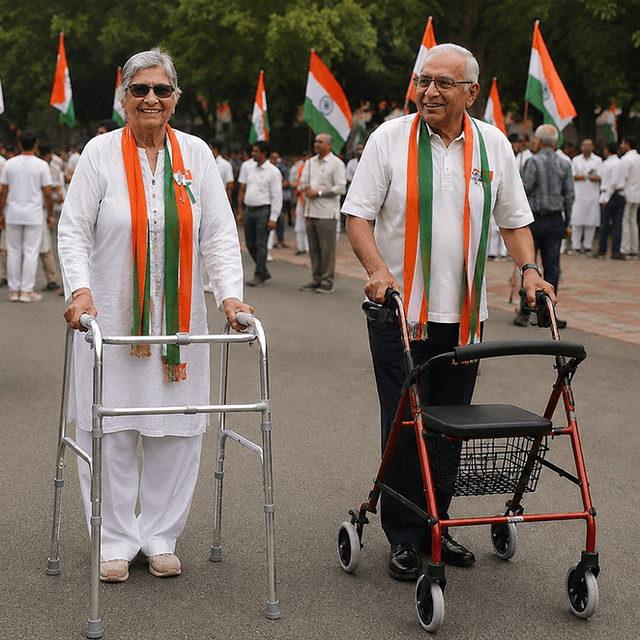
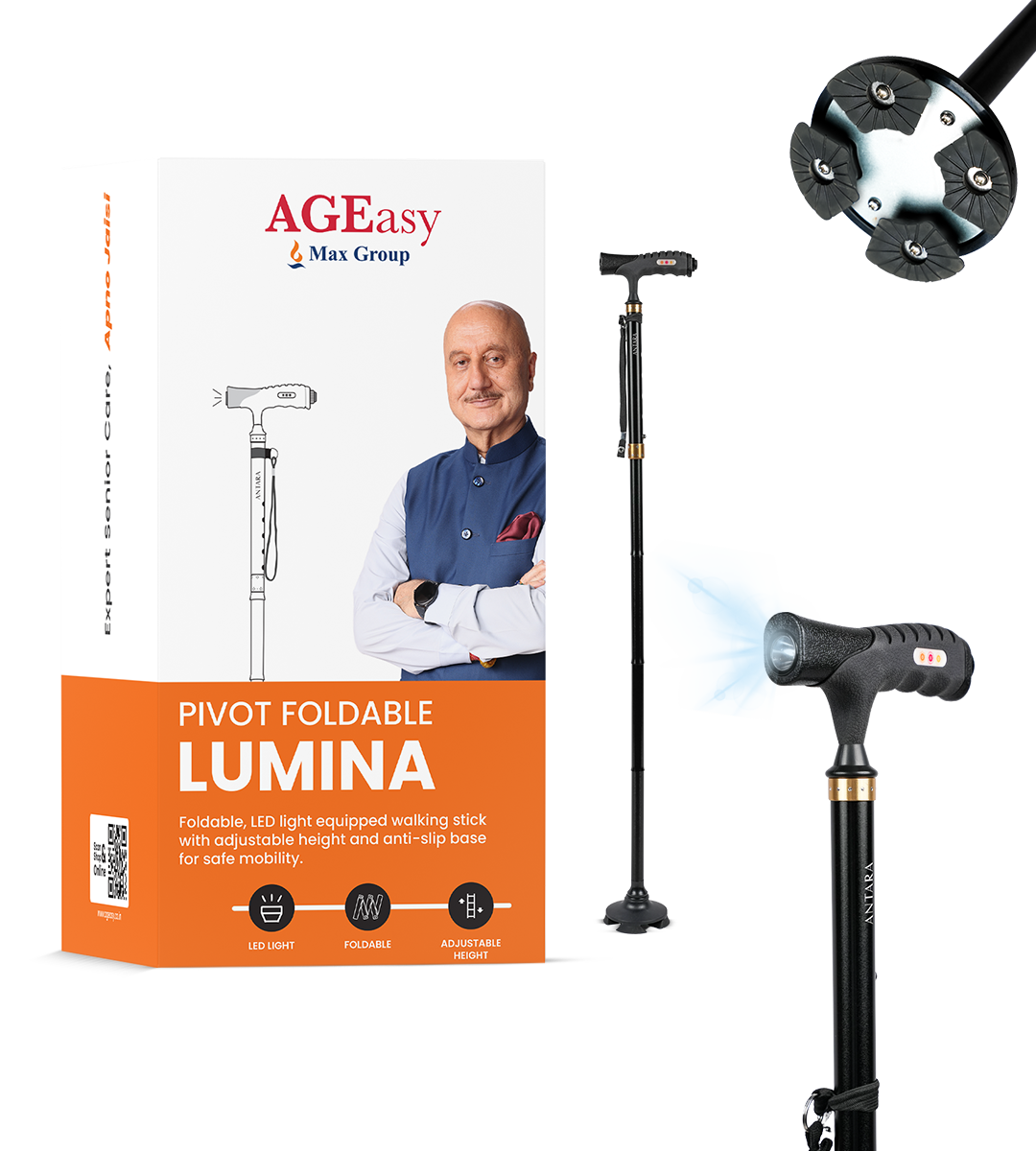
Consider the ease with which your parent will be able to navigate the route you choose. Make sure it is step free, has smooth surfaces and ample seating. If you are unsure about how your parent will manage the route, consider the risk of slips and falls from uneven surfaces, narrow passageways, loose mats and wet floors. Finding out if the venue has ramps and space to help your parent navigate the outdoors is of utmost importance. Always choose a mobility aid based on the person's height, strength, balance, and occupational or physiotherapy advice and support.
Be sure to practice with a new or unfamiliar aid before leaving for the event. Always check moving parts for wear and tear before leaving.
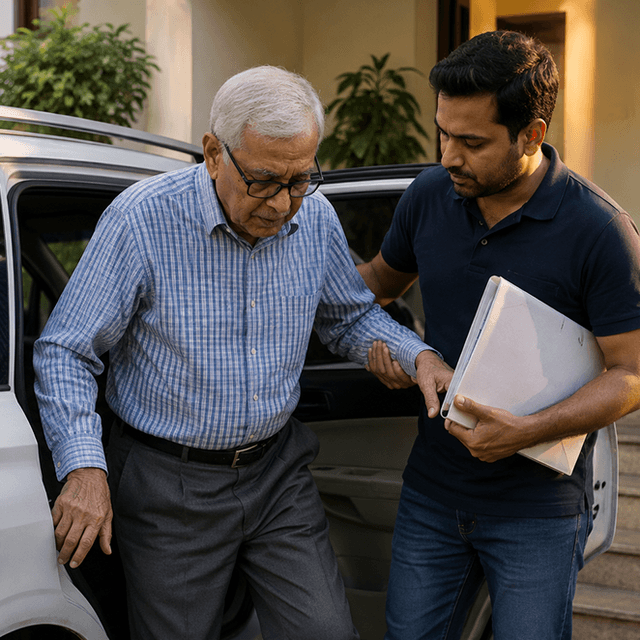
If traveling by car, do not leave the vehicle unattended and parked far away. Drop your parent off as close to the entrance as possible. Take the essentials and lots of water. It is important to stay hydrated to prevent dry mouth, fatigue, and headaches, especially for older adults who may have a decreased sense of thirst.
Carry Water, Medicines, and Essentials
Keep a filled water bottle handy and make sure your parent is drinking water before leaving for and during the ceremony. Do not use tea or coffee as your main source of hydration. If your parent has fluid restrictions due to a heart or kidney condition, follow the medical advice.
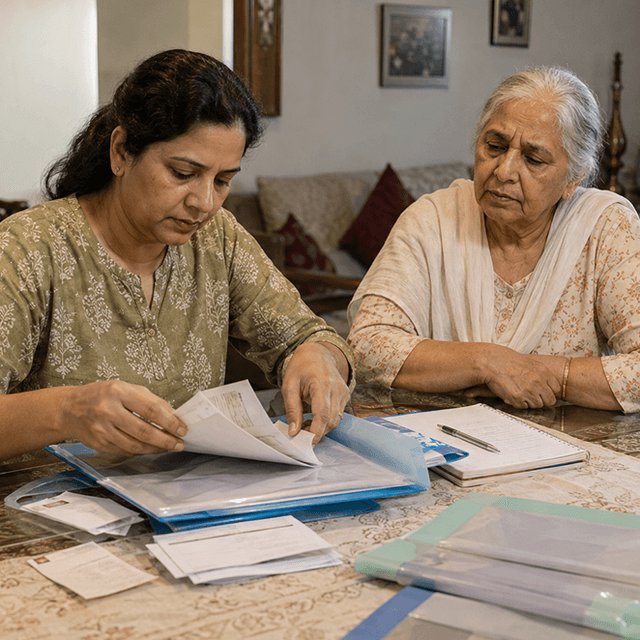
Bring all necessary medications with you in either the original containers or a labeled pill organizer. Write down all medications, known allergies, health conditions, and contacts for emergencies and keep them on your person. If your parent feels unwell, focus on their overall condition rather than checking blood pressure repeatedly.
Bring hand sanitiser, a small snack, tissues, light clothing and other supplies. If your parent is diabetic, follow their usual schedule for meals and medications. Keep prescribed fast acting glucose or diabetes supplies as per your parent's health care team instructions.
Provide Seating and Shade
It will not be necessary to stand for the entire ceremony. Bring your parent a chair to the ceremony to provide them with seating. Standard foldable chairs may provide better support for standing and sitting.
Choose a seating area that avoids a large crowd. Your parent should have space to stretch their feet and use a walking aid if needed. Make sure the chair is on a flat surface and check its stability before use.
Sun exposure can increase heat stress. Seek shade under a covered area, building, tree, or use an umbrella. If the venue doesn't have proper seating, consider shortening your visit or observing part of the ceremony from an open area.
A supportive cushion from the AGEasy's Cushions and Pillows range can make seating more comfortable when required to sit for longer periods. Choose one for the particular chair, and consider your parent's posture. A cushion should not compromise seating stability or elevate the seating.
Be Observant of the Signs of Heat Stress or Fatigue
Be observant of any changes in your parent's movement or behavior. Strain can manifest as a number of symptoms including tiredness, weakness, headache, nausea, dizziness, or confusion. It can be accompanied by the individual moving more slowly, and increased sweating.
When symptoms are present, place your parent in a shaded area, loosen restrictive clothing, and provide water as needed. Allow your parent to rest and advise them to avoid standing in order to not miss the program.
Fainting, pain in the chest, difficulty breathing, severe and sudden confusion, weakness or numbness that is one sided, slurred speech, and falls with injuries to the head should all be treated as emergencies. Symptoms of heat stroke, including high body temperature with hot and dry skin along with sudden and severe confusion should also be treated as emergencies.
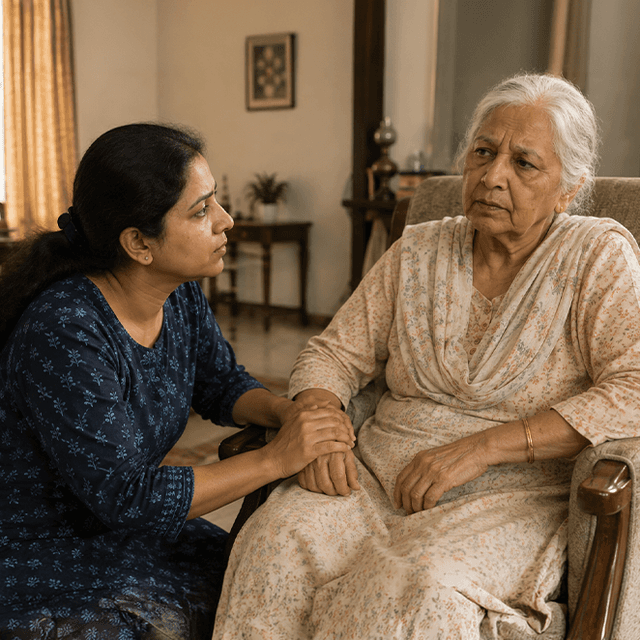
Agree upon a signal for discomfort or fatigue. Some older adults do not feel comfortable interrupting or asking for assistance. Make sure to reassure your parent that you are there for their comfort and safety first.
Keep phones charged. Share the venue address and keep the phone numbers of your emergency contacts handy. If your parent has hearing or vision issues, make sure to stand directly in front of them when you speak, and provide short and direct instructions.
Plan Restroom Access
As soon as you arrive at the venue, locate the nearest restroom. Avoid long walks that are made even more difficult with a crowded venue and can be especially uncomfortable for parents with limited mobility or with a bladder condition.
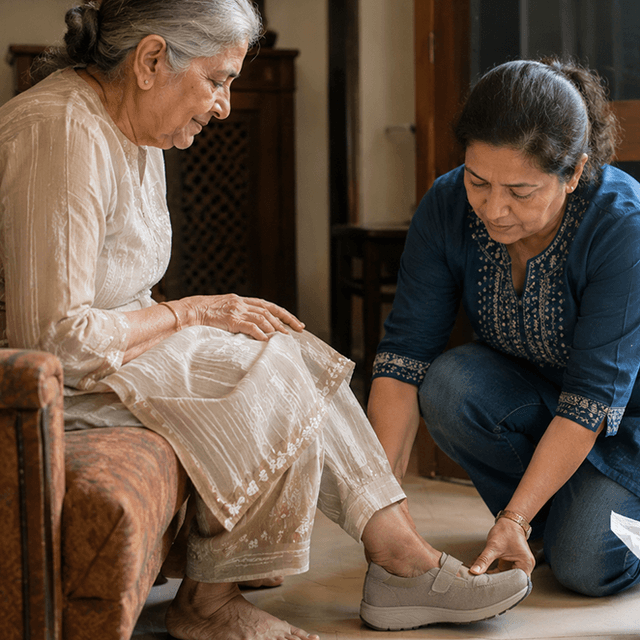
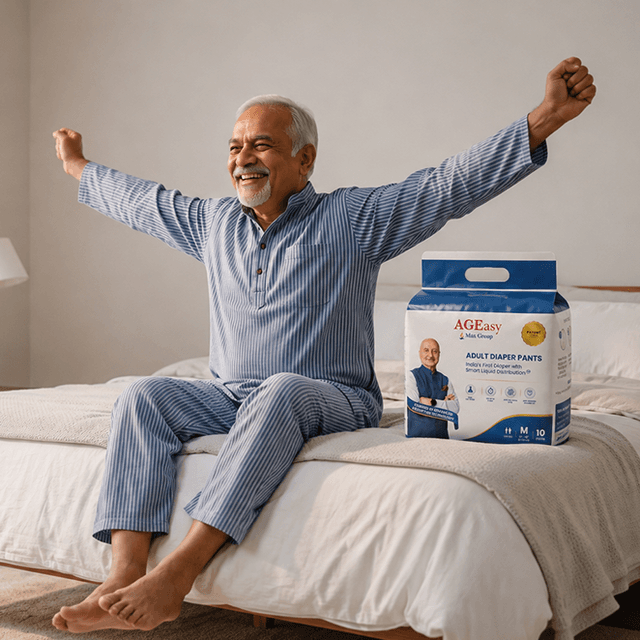
AGEasy provides hygiene essentials including adult diapers that can support seniors that are worried about convenient access to restrooms for longer trips. Make sure to carry different product options for different absorbency levels along with wipes and a change of clothing. These products can help support comfort and dignity, but regular restroom breaks and medical care are necessary.
Know When to Leave
Your parent does not have to stay for the final speech or group photo for it to be a successful trip. Leave if your parent looks uncomfortable, unsteady, overheated, or especially if they appear fatigued.
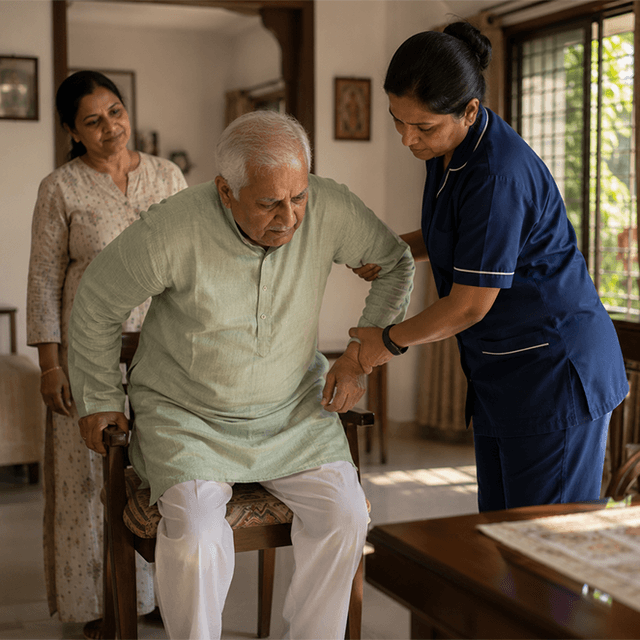
Leave to avoid the crowd and be considerate while walking slowly. Move any large obstacles that may impede your parent. Providing support and giving instructions while avoiding pulling your parent is especially important for traversing doorways and steps.
When your parent returns home, help them as directed with rest and hydration, and if the doctor approves, with something light to eat. Observe pain, swelling, increased weakness, or dizziness. If any of these persist or new symptoms develop, call their doctor.
Offer Comfort with Dignity
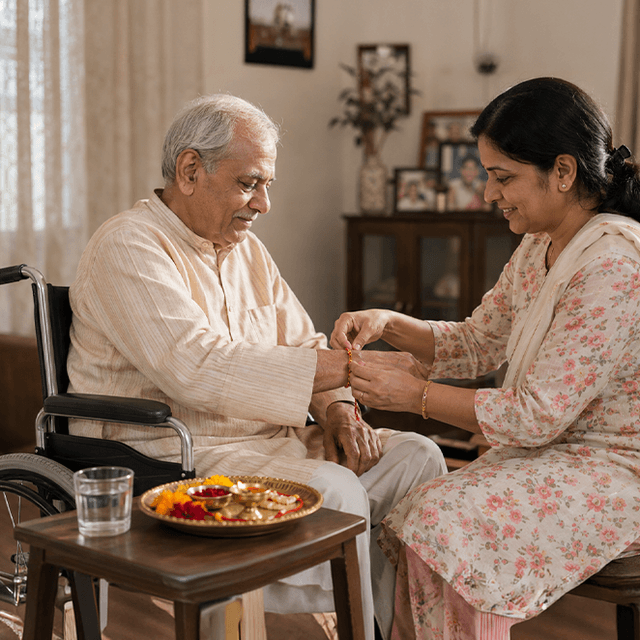
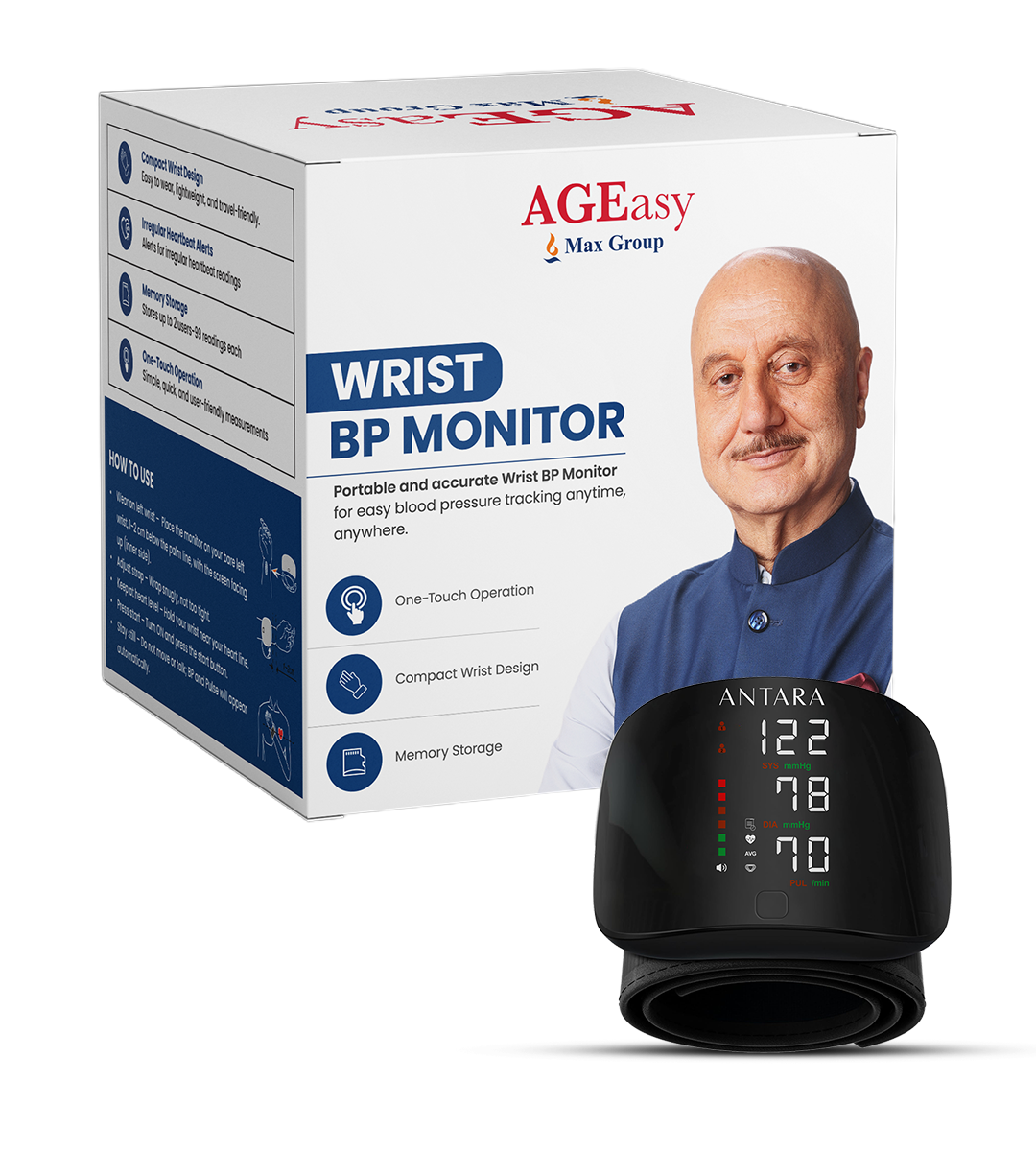
Due to both personal and cultural reasons, older individuals have special connections to flag hoisting ceremonies. If you plan appropriately, this won't be physically limiting for your parent. Your parent's comfort and safety will be the priority. This includes planning appropriately for the transport, seating, shade, hydration, and any meds your parent may require as well as support for their mobility and a plan for them to leave easily. The AGEasy line of products may help your parent, including walking sticks, walkers, blood pressure monitors, cushions and personal hygiene items.
Include their doctor in any conversations about your parent's health before the ceremony. This will allow the ceremony to be a comfortable social activity and not an exhausting chore with the correct preparations and support.