
A Home Medical Records File for Your Parent: What to Keep, How to Organise It, What to Carry to Every Appointment
Aug 17, 2026
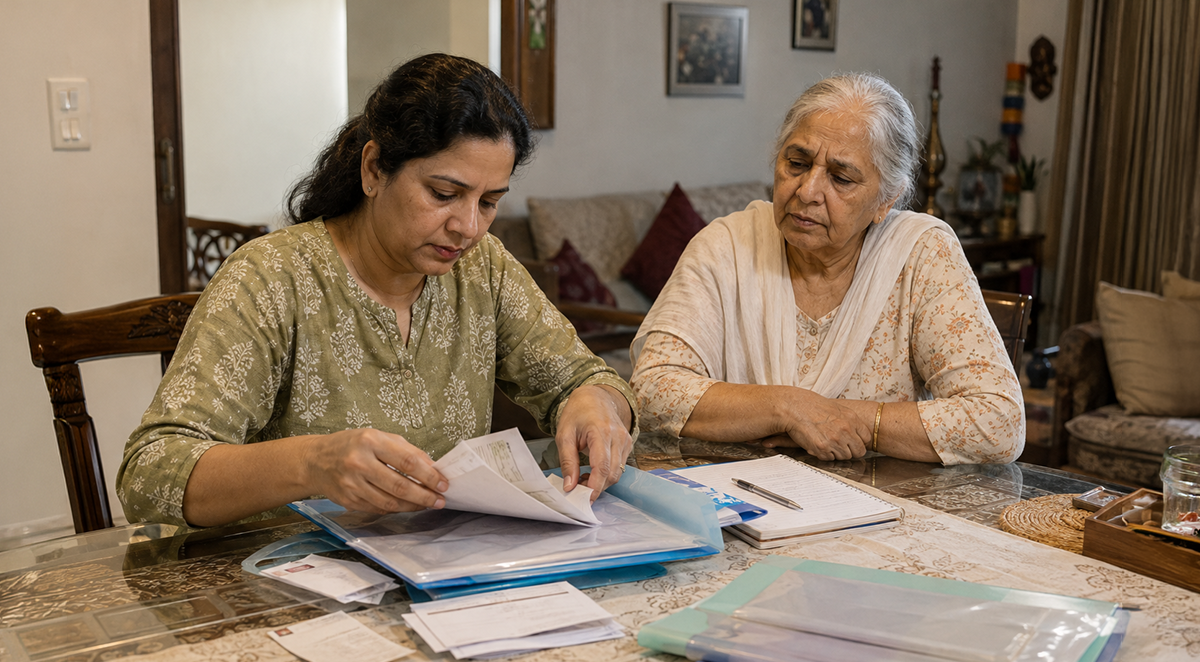
Most doctors' appointments are the same. They ask what medication your parent is taking, when the last blood test was done, when they last saw the doctor, if you have the discharge summary and if you have any copies of their imaging studies. Meanwhile you may find yourself digging through a folder trying to find the information while everyone else in the office waits.
Your parent's medical information is all over the place. It is spread across their prescription slips, hospital folders, lab reports from several different labs, pharmacy receipts, multiple photos on two different phones, and a WhatsApp thread with your sibling. The problem is multiplied if multiple doctors are involved. Information is missed and tests get repeated because no one has the old results. Changes to medications become impossible to track.
Most of these problems can be solved with a home medical records system.
For example, knowing what documents you have to take with you to the appointment and what documents you can leave at home.
Your parents will appreciate the time and effort you put into this system.
Start with a Single Sheet of Paper
Don't bother sorting any reports before you do this. What this sheet does is answer all of the questions that are asked by the doctors first. This single sheet does more work than the other 100 reports in this system.
Please include the following information in your documents:
- Full name, date of birth, blood group, height, and weight.
- Any known allergies, especially drug allergies, should be in capital letters at the top.
- Current diagnosis, including the year the diagnosis was made — for example, write "diabetes since 2011, hypertension since 2016".
- Approximate dates of any previous surgeries, as well as any previous hospitalizations.
- Current medications, including the name of the medication, strength, dosage, timing, and the name of the prescribing doctor.
- Treating physicians, with their specialties and phone numbers.
- Insurance policy number, TPA helpline, and ID/UHID numbers from the hospital.
- Emergency contacts, in order of priority.
Please limit the information to one page and print two copies; one stays in the file, the other stays in the bag to be taken to the appointments.
You are asked to update the document the same evening that any changes to medications occur. Write the date of the most recent update in a corner so that everyone will see how updated it is.
Organizing the Required Portions of a File
A box with envelopes of specific sections can be divided accordingly. The first system should be something physical, as that is more practical than anything digital. In most Indian hospitals, the first system is the one that works best. Majority of the parents also prefer this method for their own convenience. The six sections for organizing the files are mentioned below:
Section 1: Summary and Identity — The one pager constituting copies of Aadhaar, insurance card, and senior citizen ID.
Section 2: Prescriptions — Most recent should be at the top. Attach the pharmacy bill at the back of the prescriptions, as long as it contains the names of the medicines as bills often clarify what was actually dispensed.
Section 3: Lab Reports — Organized according by the type of test, not by date. All HbA1c results enclosed together, all lipid profiles together, all thyroid panels together. Grouping them altogether shows trends at a glance.
Section 4: Imaging and Procedures — X-rays, ultrasounds, CT and MRI reports, ECGs, echo reports, endoscopies. Keep the report, even if the film or CD is stored elsewhere. Make a note on the report as to where the film is at home.
Section 5: Hospital Admissions — Discharge summaries, operation notes, and any consent or claim-related paperwork. Discharge summaries are the utmost important single document to have in a file. They summarize an entire health history into 2 pages that a new doctor can read in an instant.
Section 6: Home Readings — Blood pressure logs, blood glucose logs, body weights, oxygen saturation, sleep notes, etc.
What to Keep, What to Let Go
Keep permanently: Discharge summaries, operation notes, biopsy and pathology reports, images, records of treatment for cancer, vaccination records, and prescriptions of the last three years.
Keep for a defined period: Routine lab reports for 3 to 5 years.
Can be discarded: Pharmacy bills older than a year with no claims attached, duplicate copies, appointment cards, and packaging inserts. Shred anything with an ID number rather than binning it.
Home Readings Belong in the File Too
Your parent's home readings can indicate the stories that clinical readings miss. A single blood pressure reading in a doctor's examination room captures only one data point, perhaps taken under stress. Two weeks of readings in the morning and evening respectively captures more evidence.
Capture the details in a small notebook or in a phone note application, but make sure to record the date, time, reading, and something notable surrounding the reading. Bring the logs at each appointment in every visit.
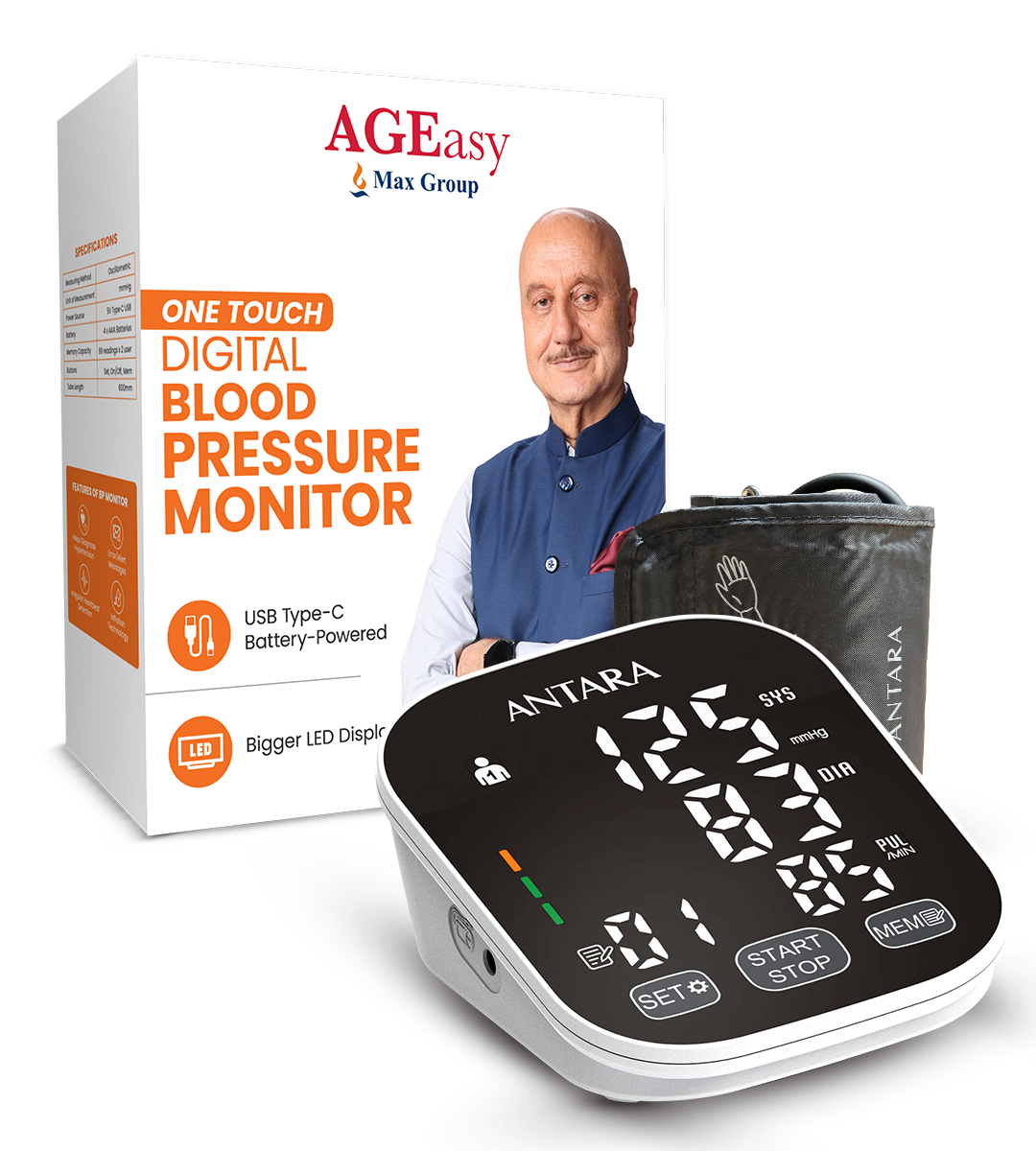
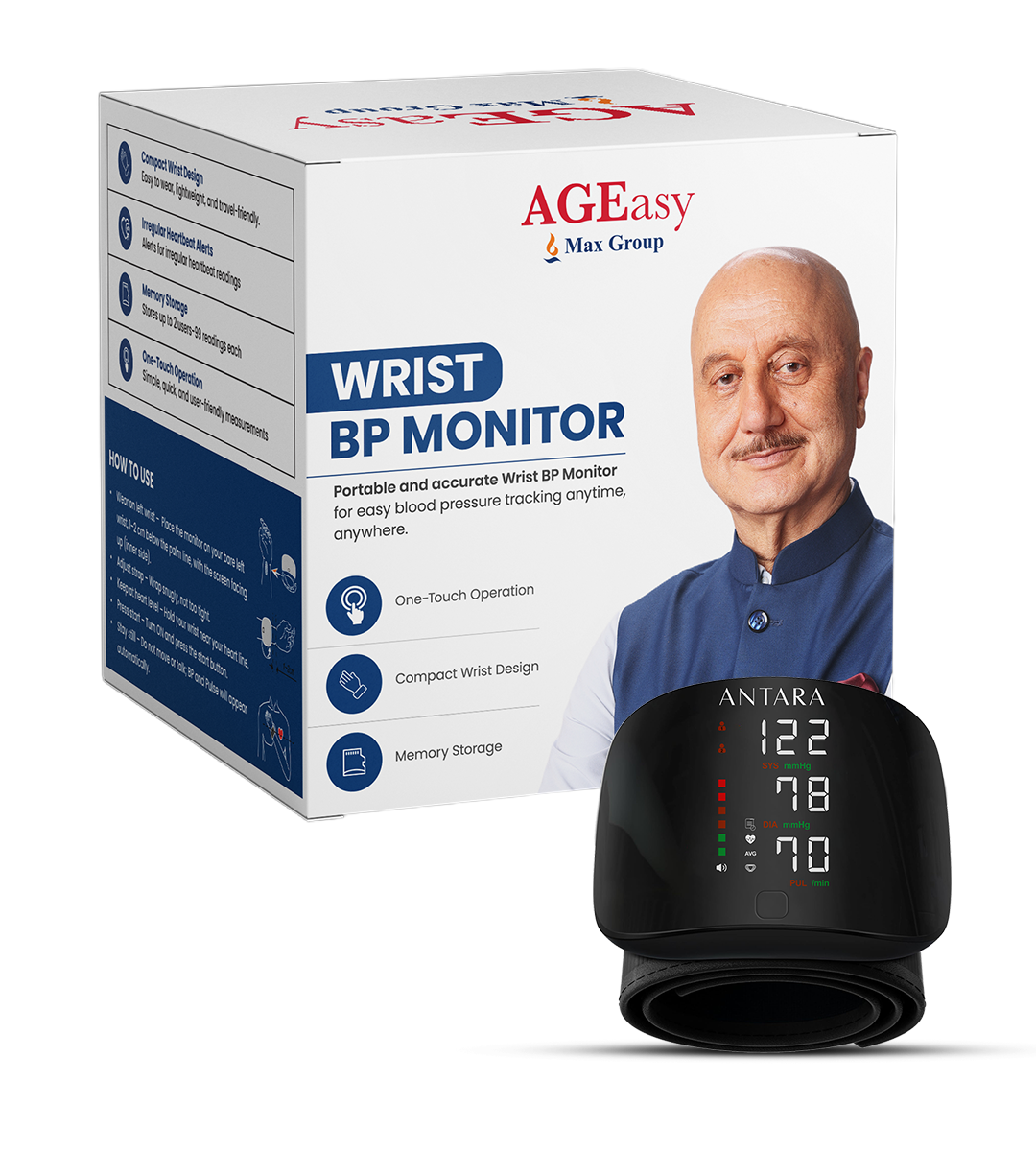
For this to work, devices used at home should be simple and easy to use independently so that your parents can operate it by themselves. For efficient accuracy, upper arm monitors are suggested. AGEasy carries a number of devices designed for senior use, including the One Touch Digital BP Monitor, which has large display readings, along with a wrist BP monitor for parents who are arm-cuffed.
If your parent has heart or lung issues, log the oxygen saturation as well. A fingertip pulse oximeter takes five seconds to provide a reading and gives the pulmonologist an understanding of the saturation levels at home instead of a hallway.
The readings from finger prick testing for diabetes shows where sugar levels sit at that given moment. For the most accurate measurement of overnight lows and post-meal spikes that a logbook can never capture, a Continuous Glucose Monitor (CGM) that can be downloaded will give you a report to provide ahead of time before an endocrinology appointment. Check with the treating physician prior to purchasing to see if continuous glucose monitoring is appropriate for your parent.
The Appointment Bag
Do not bring the whole binder. Bring a slim folder with just:
- Your updated one-page summary
- Your current list of medications or, better yet, photographs of all the strips and bottles currently in use.
- Reports relevant to this specialty from the last six months
- The last note this same doctor recorded from a prior consultation.
- The log for home readings
- Your insurance card and hospital ID
- A blank page and a pen to take notes on what the doctor says
Everything else must stay home. Thin folders get read. Fat folders get ignored.
Keep a Digital Backup
Capture a photo of every document the moment you file it. Store those photos in a single dated folder on your phone and also in your cloud storage. Share access to it with one sibling or relative. Name your files like this — 2026-03-14-HbA1c.jpg. In case a hospital needs a report urgently, you won't have to drive home.
For privacy, protect the folder with a password or an app lock. Medical documents, like bank information, should be treated as sensitive data.
Preserve It with a Monthly Habit of Ten Minutes
Choose a particular date each month to do it. File loose documents, take new photos of documents, and update your summary sheet. You should also check whether any medication has been stopped or changed. It takes a month to earn people's trust, if you take time off in the middle it just ends up looking like a mess.
You're also encouraged to tell the parents where you store the file, and also suggest any other family member. A perfectly organized file that nobody else knows about doesn't help anyone in an emergency.
This article contains general information for caregivers and is not intended to provide medical advice. Your parent's treating physician should be consulted regarding any decisions about medications, tests, monitoring devices, or treatments, as they are familiar with the complete clinical history.