


How Much Namak Is Too Much? A Realistic Salt Guide for Indian Kitchens
Article by: Lakhbir
Jul 15, 2026. 7 min read
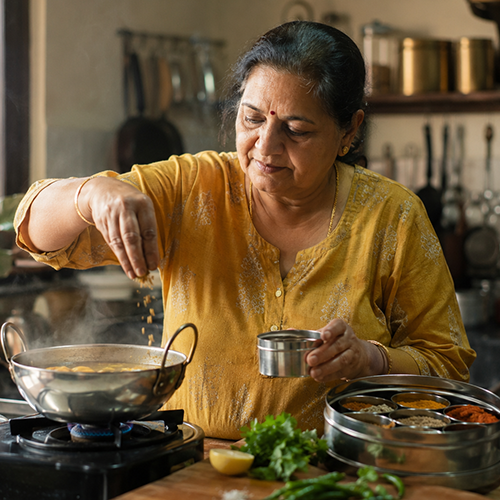
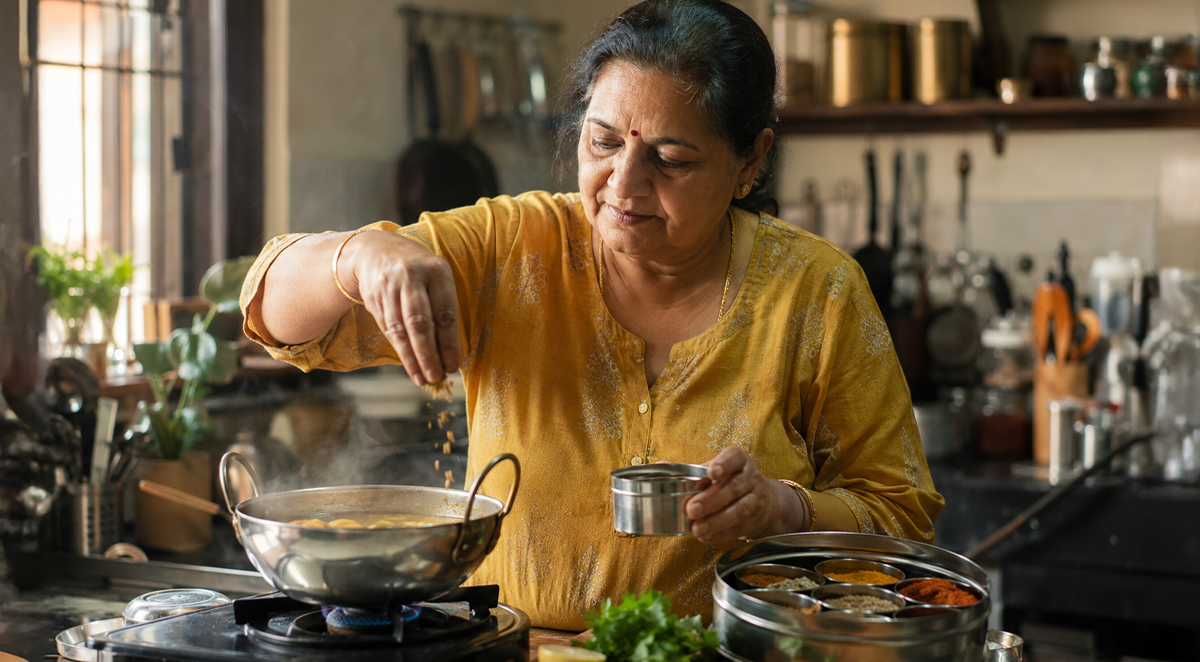
It's probably not the salt you sprinkle on that's the problem. It's the salt you never even notice.
A pinch in the dal. A little extra in the sabzi. A spoonful of pickle on the side. A packet of namkeen with evening chai. None of it feels like much on its own but it adds up faster than most of us realize.
Here's the thing most Indian households get wrong: we assume we only eat as much salt as we can taste, but we don't. There is salt in the food we cook, salt in the snacks we eat mindlessly, salt in the sauces, papads, pickles, and packaged foods that have become such a normal part of our meals that we have stopped even noticing them. And a lot of it comes down to habits we've had for years, ones we've never actually measured.
This is exactly why simply putting the salt shaker away doesn't really solve the problem.
This is not about depriving you of delicious food or eating bland food. It is about learning how much salt your body actually needs and the source of the sodium in your diet. Sometimes it just takes a little awareness, smart substitutions, new habits in the kitchen, and other changes to protect your heart while keeping the flavor in your meals.
This guide is designed to help you make meals for yourself, your parents, or your whole family. It discusses the amount of namak that's considered "too much," what adults really need, and practical tips for reducing salt in an Indian kitchen without compromising the taste of your food.
Why This Matters More As We Age
As we get older, we become more sensitive to salt. Our blood vessels become less flexible, and our kidneys are worse at getting rid of excess sodium. What may not have an effect at 35 may raise blood pressure at 60 and 70. If seniors are already dealing with hypertension, diabetes, or kidney issues, excess salt can make the difference between a stable blood pressure and one that is rising steadily.
The World Health Organization states that adults should consume less than 2 grams of sodium per day. This is about a teaspoon of salt when considering everything together — cooking, condiments, snacks, packaged food, etc. Most Indian diets, especially those centered around pickles, papad, and store-bought namkeen snacks, exceed this limit without anyone trying to overdo it.
Hidden Sources of Salt in Indian Kitchens
If you ask families about how much salt they actually consume every day, most would answer by pointing to the table salt shaker. While they use salt shakers as the main source of pouring salt in their meals, it is rarely the primary source of sodium in their diet.
- Pickles and papad. Achaar (pickles) can contain about a gram of sodium, and papad (crisped lentil wafers) also adds a significant amount of sodium. When both are included in a meal, they can use up to half the recommended sodium limit.
- Packaged snacks and foods. Store-bought namkeen (spicy snacks) and chips that are eaten with tea have high sodium content, which can be more than enough on their own, in addition to an entire home-cooked meal. Sauces, ketchups, and instant noodle masala packets also contain processed sodium that can quickly add up.
- "Healthy" packaged foods. People are often surprised to find sodium in cheese, bread, and even some namkeen that is marketed as light and healthy.
- Restaurant food. Meals made outside of the home are typically saltier and more fried than home-cooked meals, as commercial food is cooked in bulk to enhance flavor and is often loaded with salt.
None of these should be removed from your kitchen completely. But knowing which foods have a higher sodium content can guide your decisions on cutting back.
How Much Salt Do Adults Really Need
Some sodium is necessary for the body. It helps with the regulation of fluid balance, supports nerve function, as well as the proper functioning of the muscles, including the heart. The problem is not the salt, but how much we consume.
For most adults, aiming for the WHO-recommended level of under 2 grams of sodium (about 5 grams of salt) is a good goal. For older adults with high blood pressure, doctors often recommend an even lower number, closer to 1.5 grams of sodium a day. This number is simple to read and understand but difficult to monitor without assistance, which is where routine checks can help. With a home blood pressure monitor, such as an AGEasy BP Monitor, tracking your blood pressure becomes much simpler and people can see if their eating habits are effective instead of just guessing.
Practical Kitchen Swaps That Really Work
- Cook with less salt and season at the end. Instead of seasoning with salt at the start, add most of it toward the end of cooking. When salt is added at the end of cooking, it sits on the surface of the food and tastes stronger, so you actually end up using less salt to achieve the same flavor.
- Use spices instead of salt. Spices like cumin, asafetida (hing), and carom seeds (ajwain) along with a splash of lime juice can make your dal or sabzi taste complete even with less salt. Indian spice blends have such a variety of flavors that salt doesn't have to be the main ingredient.
- Redefine your portions of pickles and papads. Instead of eliminating them, consider them an occasional side instead of an everyday occurrence. A small piece of pickle twice a week is very different from a spoonful of pickle with every meal.
- Check the labels on packaged food. The amount of sodium is usually listed per 100 grams on the label. When looking at two similar products — for example, two different brands of namkeen — the difference in sodium content can be significant, and it is often an overlooked detail.
- Make your own chutneys and pastes. Homemade fresh coriander or mint chutney has much less sodium than bottled versions and it also lacks preservatives.
- Think about the entire day, not just the meal. If your lunch contains a pickle or papad, make your dinner simpler. Thinking about salt across the entire day instead of meal by meal makes it much easier to manage.
Watching for the Signs
For seniors with hypertension, minor dietary adjustments can precede changes in blood pressure readings before showing physical symptoms. This is why at-home blood pressure monitoring is so important. It makes tracking changes after "just eat a little less salt" easier. Family members can use the device to capture changes in blood pressure outside of doctor's appointments, and create a causal link between dietary habits and blood pressure readings, in line with their doctor's guidance.
In addition, it's important to remember that reducing salt intake in a person's diet should occur under the guidance of a healthcare professional. Those on blood pressure medication should be careful with dietary changes and talk to their doctor. Medications can affect a person's sodium and potassium levels in ways that can go unnoticed.
The Bigger Picture
Reducing salt in Indian cooking is not about sacrificing flavor. It's about making a shift to using spice and other techniques. Too often people focus on the perceived flavor enhancement of using a lot of salt when cooking. Increasing awareness about sodium, developing healthy tracking habits, and maintaining consistency is more valuable than making one single change to your diet.
Namak has always been part of cooking in India and it always will be. The focus should be on keeping it as a seasoning and not something you consume with every meal.
Recommended Blogs











You May Also Like
 No products found
Article by:

Lakhbir
Article Category:
General Wellness