

Monsoon-Proofing a Senior's Home: Slippery Floors, Joint Flares, Mosquito Illness and Damp Lungs
Aug 23, 2026
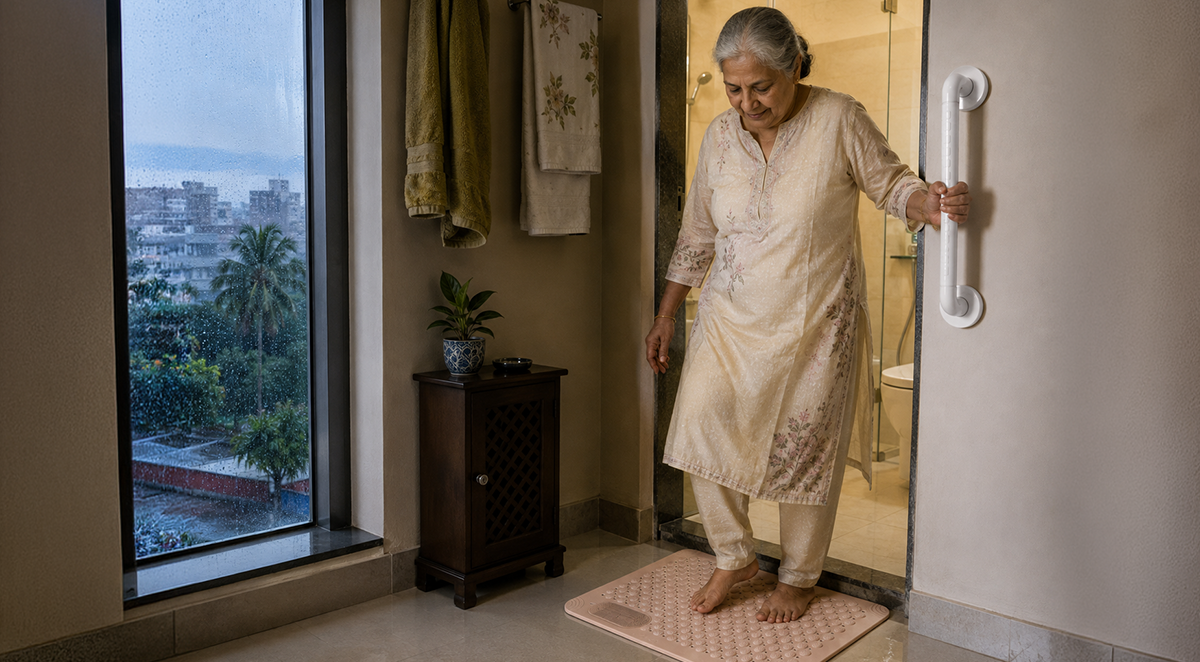
Monsoons have the potential to affect older adults in ways most of us never consider.
A wet bathroom floor, a damp patch near a window, breeding mosquitos after every downpour, all effects of monsoon that cause added challenges for safety to older adults. The symptoms of joint pain, stiffness, and a lingering cough are often considered to be part and parcel of this season for most, but for seniors, they may worsen and complicate normal activities.
Most people view a damp bathroom as an annoyance and a flat roof as a breeding ground for mosquitoes. For older adults, these can become safety challenges.
For most families, monsoon defenses translate to umbrellas and leak repairs. In fact, it is more comprehensive than that.
It includes preventing falls from slippery floors; helping older adults stay mobile and active while joint stiffness worsened due to damp weather; controlling exposure to mosquitoes and standing water; and ensuring indoor air is changed to the removal of dampness that exacerbates respiratory issues.
Preparing a senior's home for the monsoons cannot be compared to other forms of housekeeping.
Safety of older adults, prevention of illness, and maintenance of independence while addressing the challenges posed by the changing monsoon environment is the priority.
While you cannot achieve all these priorities before the first monsoon drop, increments can be aimed at reducing slip hazards, more walking aid safety assurance, mosquito elimination, enhanced air circulation, and modified joint support.
Whether you're caring for an aging parent or providing a senior with the means to live safely and independently in their home, this guide highlights monsoon concerns associated with slippery floors, joint stiffness, mosquito-borne illnesses, damp air, and other related problems, and provides suggestions to help make the monsoon season safer and easier to manage.
Begin with the Bathroom
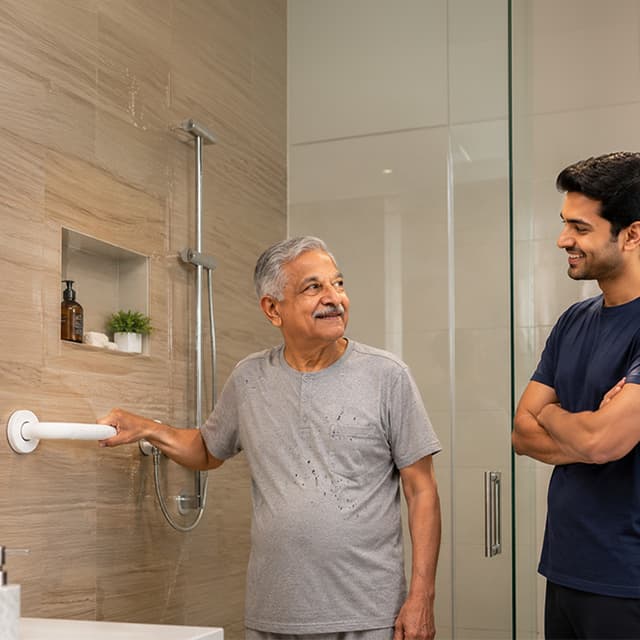
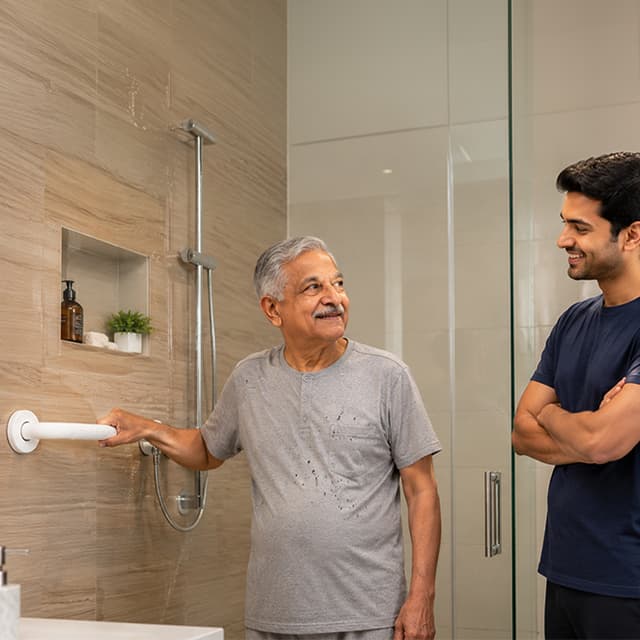
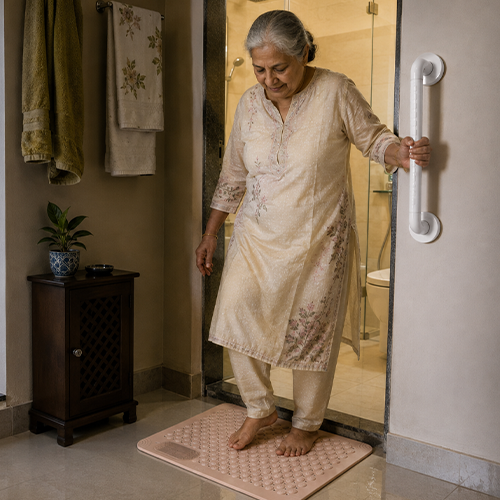
Monsoons can turn bathrooms into a slippery hazard. Wet floors can cause slips as can standing water and soap with residue. On wet floors, older adults can lose balance or fall because of slower reactions, weaker balance, and difficulty in getting up.
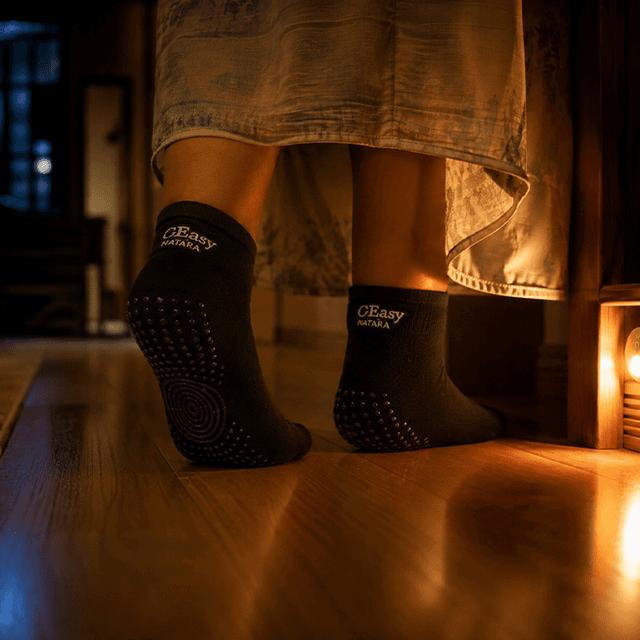
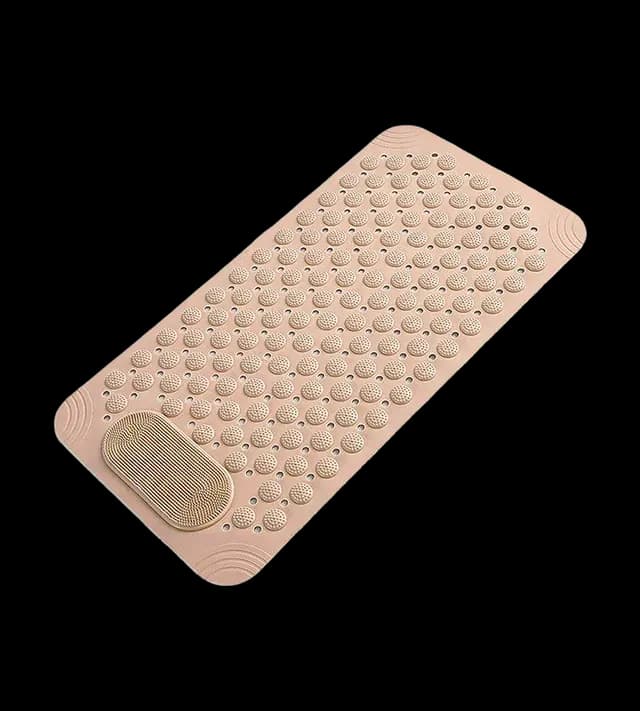
The first step to make the bathroom monsoon ready is to ensure the floor is as dry as possible. Anti-slip mats should be placed in the right spot, standing water should be removed as quickly as possible, and footwear should have a good grip. You should not place a loose mat; instead, use a firm mat.
Anti-slip mats with foot scrubbers are excellent additions to a bathroom safety range. A shower chair can help an individual avoid standing for a long time. A sturdy shower chair for fall prevention can be used by a person who is unsteady on their feet. Shower chairs should always be used in accordance with the provided instructions, and the shower chair should be placed on a firm, stable surface. Products like the AGEasy Anti Slip Mat with Foot Scrubber and the AGEasy Shower Chair for Seniors Fall Prevention are excellent additions to a bathroom safety setup.
Secure hold grab bars and toilet grab bars with floor support should provide the required safety support in a bathroom. Grab bars should be installed properly by securely anchoring them into wall studs, and suction-cup grab bars should be avoided, since poor installations can lead to a false sense of security. The AGEasy Secure Hold Grab Bar or Toilet Grab Bar are among the good options in this category.
A commode seat raiser may make toilet transfers easier if your parent is having difficulty standing up or sitting down. You should consider more extensive bathroom modifications under the guidance of an occupational therapist or physiotherapist, if the situation allows.
Safety in Walking Routes
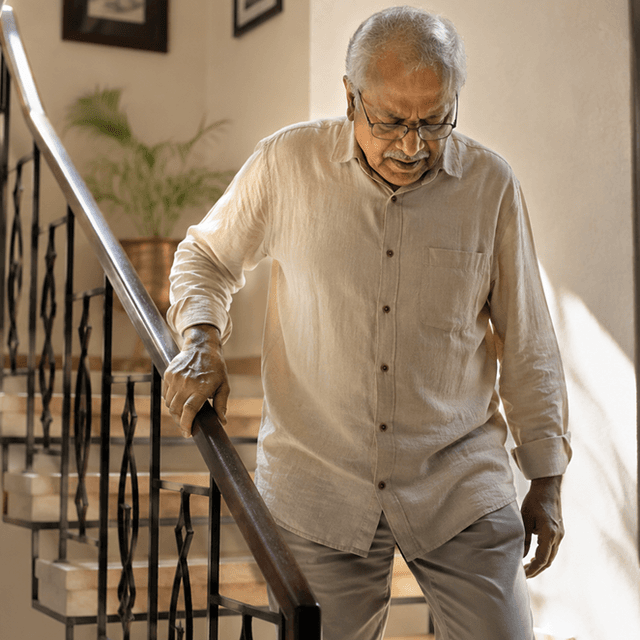
There are a variety of factors that make monsoon season dangerous for seniors in the home such as: wet entrance surfaces, high moisture levels in floors, insufficient lighting, and accumulation of umbrellas, footwear, and raincoats.
It is important to have a clear route between the bedroom, toilet, kitchen, and the main entrance of the home. Wet shoes should be placed in a location that allows them to dry without becoming an obstruction. Pathway lighting should be improved and a motion sensor light should be placed to improve lighting for nighttime movements.
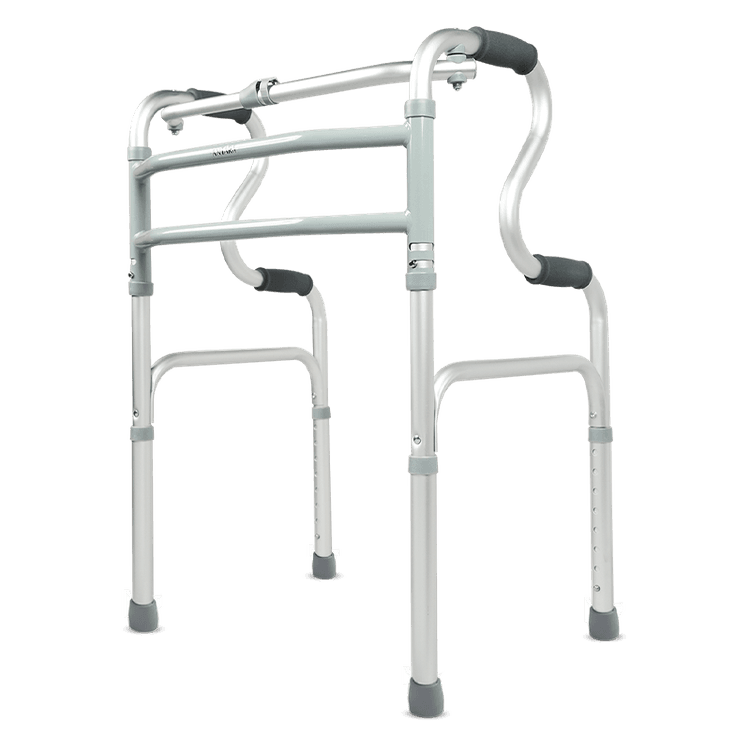
Rubber tips should be checked frequently in the aid of your parents that use a walking frame. Wet surfaces reduce traction and when rubber tips are worn this is especially the case. All walking sticks should be placed on the side if assisting.
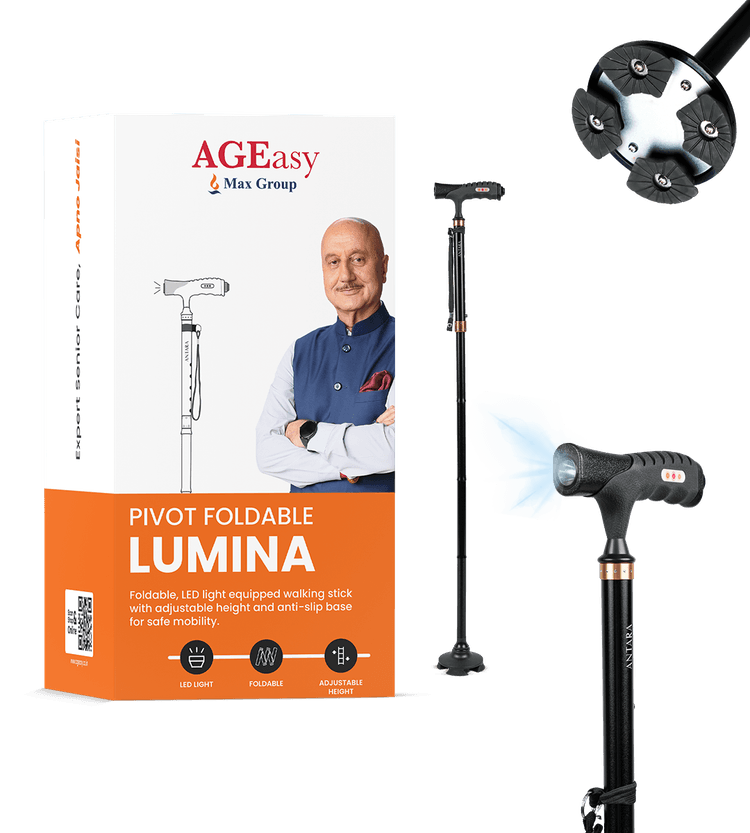
There are a variety of safe walking sticks and aids available, such as a four-leg walking stick, a foldable walking stick, or a walking stick with a torch. A safe walking aid should be used based on the person's balance, walking strength, and walking pattern. Reliable aids like the AGEasy Four Leg Walking Stick or the AGEasy Pivot Lumina Foldable Walking Stick can help improve traction, but a physiotherapist should assess which aid is best for the user's specific walking pattern.
Managing Joint Stiffness
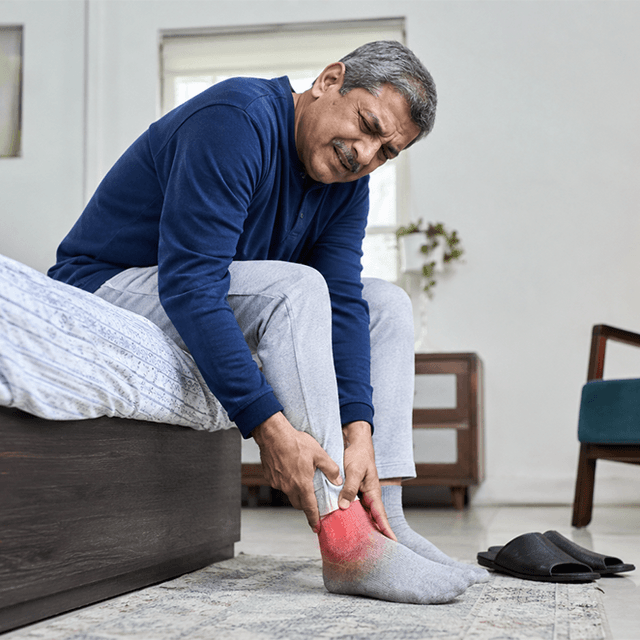
Many older adults experience joint stiffness in their knees, back, or even their hands that seems to be more noticeable with damp or rainy weather. Just because rainy weather causes stiff joints or joint pain, it does not mean the weather causes joint damage. However, for a person that suffers from arthritis or any sort of joint pain, stiffness that is caused by the inactivity of a more sedentary lifestyle will become more apparent.
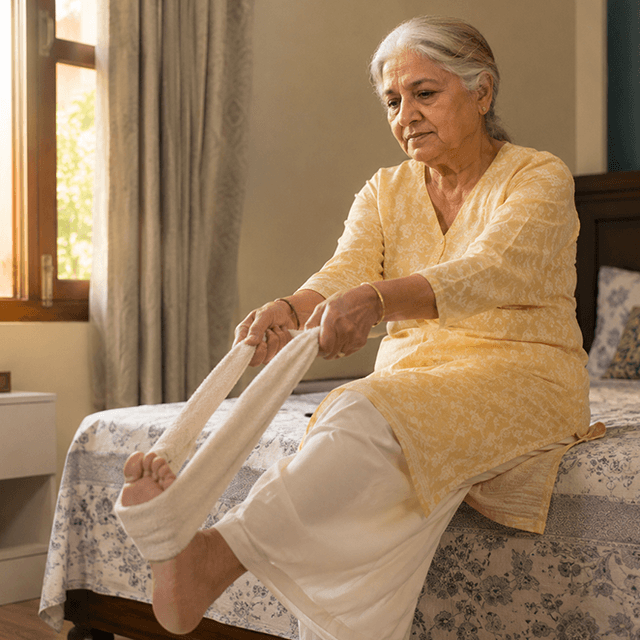
The best practice for managing stiff joints is promoting movement. Short indoor walks, at-home gym sessions to stretch and promote flexibility, and pain-free rest periods all promote joint health. Be sure to pre-warm the individual and keep them dry to promote comfort and avoid rapid exercise after prolonged periods of sitting.
For daily support of joint activities, a comfort knee sleeve provides comfort for the knees and a lumbo-sacral belt provides back support. These products should not be used for pain that is serious or unexplained. A swollen, red knee that is warm to the touch, or sudden weakness after a fall, is a medical emergency and must be examined immediately by a medical professional. Products like the AGEasy Comfort Knee Sleeve or the AGEasy Lumbo Sacral Belt can provide helpful compression and comfort.
Older adults should not apply heat directly to numb skin or use heating devices when they are sleeping. This demographic suffers from a lack of sensation that renders them incapable of feeling a burn.
Reduce Mosquito Exposure
Stagnant rainwater that collects in trash, garden, and guttering, as well as discarded containers, are the resulting sites for the development and breeding of mosquitos. Infections caused by mosquito bites become more dangerous to older adults (especially those with existing health conditions) and more deteriorating to their health with symptoms such as fever, aches, weakness, etc.
Empty standing water at least once a week and scrub containers to prevent mosquito eggs from sticking to the sides. Keep the water tanks covered and ensure drains are not blocked. Use window screens if possible and follow the local public health recommendations on repellents.
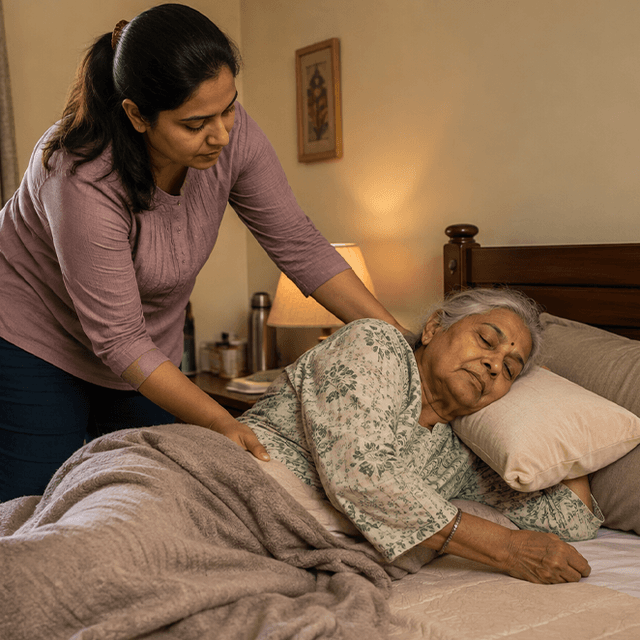
Mosquito nets are useful at nighttime and especially if you spend most of your time in bed. Avoid using repellents on irritated skin and always follow instructions on the product.
If a senior starts showing symptoms like fever, extreme weakness, confusion, difficulty in breathing, bleeding, persistent vomiting, signs of dehydration, seek medical care immediately. Do not ignore a fever just because you are sure it is caused by the monsoon.
Keep Indoor Air Dry and Well Ventilated
If you have poor ventilation, water vapor combined with standing water and mold will start to grow. Mold and dust add to the symptoms of people who already have respiratory illnesses like asthma and COPD.
To control mold growth, repair leaks and remove damp surfaces. Keep your windows open when the weather permits and use bathroom and kitchen exhaust fans. Avoid drying a large number of clothes in a confined space.
Watch for the symptoms of a new, worsening cough, chest tightness, breathlessness, and wheezing. A nebulizer should only be used with medication and a prescription given by a healthcare professional. Portable mesh nebulizers with displays and compressor nebulizers are examples of home-based respiratory devices. The AGEasy Portable Mesh Nebulizer or Compressor Nebulizer in this category can help manage worsening symptoms.
Clean and dry the nebulizer according to the instructions. Sharing masks or tubes can spread infectious diseases.
Protect Food, Water, and Medicines
Moisture from the monsoon can spoil stored food and increase the risk of food contamination. Store grains and medicine in tightly sealed containers. Check the expiration dates. Discard food that smells, has mold, or makes contact with dirty rain water.
Drinking water should be clean. If there is doubt about the water's purity, follow the local recommendations for water boiling or water purification. Fluid intake is important, especially for the elderly, and may be overlooked. It is okay to offer fluids unless otherwise instructed to limit fluids by a doctor.
Medicines should be kept away from damp areas. Any unexplained dizziness, weakness, and confusion should be reviewed by a doctor. This may increase the chance of falling and needs to be assessed.
Prepare for Power Cuts and Emergencies
Expect the unexpected with heavy monsoon rain. Power outages, blocked roads and slow or no access to medical personnel can happen. Keep all essential supplies, charged equipment, and contact numbers close by along with a stock of basic first aid supplies.
If your parents use any powered equipment, consult their doctor on how to be prepared. Do not use lighting around oxygen and flammable objects.
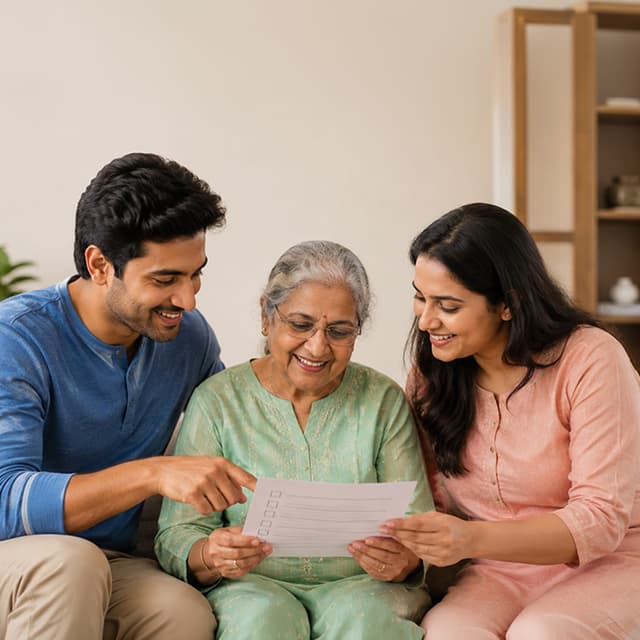
Keep a list of all emergency numbers, their medical conditions, and allergies. Also, give a list to a neighbor or relative that can check on your parents or guardian through the monsoon.
A Safer Monsoon Begins With Small Changes
Paying attention to issues that are potential hazards to seniors is important, primarily to prevent injuries that could lead to a hospital visit.
Keep floors dry, increase lighting, remove obstructions, address water stagnation, accommodate damp environments, and design pathways to be safe and simple to traverse. Assess mobility aids and bathroom safety aids frequently. Monitor changes in cough, fever, pain, balance, appetite, and alertness.
If a senior citizen falls, develops sudden onset breathing issues, has a fever that won't break, becomes confused, or weak, call for help. See your primary care professional or physical therapist and assess your home safety according to your present health condition.
Manageable solutions can be created for the monsoon season to help reduce the negative effects of this seasonal change on the independence of seniors.