

Bed Sore Mattress: Alternating Pressure vs Static Foam vs Gel - Which Stage Needs What
Aug 24, 2026


Pressure sores begin as a small patch on the skin that is warm to the touch or has a red mark or pain when the elderly parent changes their position. The mattress that your parent lies on becomes a major barrier to the parent's comfort and the protection of the parent’s skin while the parent sleeps and during day-to-day caregiving.
The right mattress is not a cure for a pressure injury, but rather is part of a multiple-care approach that includes repositioning, skin checks, hygiene, nutrition, mobility and medical intervention.
Different stages of pressure sores have different presentations, and what is a good prevention mattress might not be appropriate for an existing pressure sore. A mattress that feels soft may sink too much. A firm surface may make transfers easier but may cause pressure on the hips and heels.
What Is a Pressure Injury?
A pressure injury is also known as a bedsore or pressure ulcer. It occurs when pressure on a specific surface cuts off blood flow to the skin and muscle tissues and starts to break down. Regular movements, keeping the body hydrated and nourished, and staying clean and having sensitivity to the surrounding environment reduce the risk of pressure injuries.
Pressure injuries are commonly found on the tailbone, buttocks, elbows, shoulders, heels, ankles, and back of the head.
Stage 1: The affected skin is discolored and has persistent redness or feels warm to the touch that may also be painful. The area feels different, firmer, or softer to the touch than the adjacent skin.
Stage 2: This includes partial-thickness skin loss and presents as an open shallow wound or a blister.
Stage 3: This includes dermis and subcutaneous tissue and includes fat within the wound presentation.
Stage 4: This includes larger tissue loss and may include muscle, tendon, or bone.
Unstageable wounds: These include slough or dead tissue and may be deep red, purple, or maroon and may obscure the true depth of the injury.
It is recommended that an assessment be performed by a clinician, wound nurse or other specialised healthcare professional if there is evidence of progression of Stage 2 skin changes, exudate or discharge, fever, increasing pain, or evidence of skin breakdown with a foul smell.
Alternating-Pressure Mattress
An alternating-pressure mattress (APM) contains a series of inflatable air cells that redistribute pressure by sequentially inflating and deflating. This provides relief to high-pressure areas.
It is appropriate for immobile clients who spend a considerable amount of time in bed and those who are at a high risk of pressure injury. It may also be used for Stage 2 and Stage 3 pressure injuries, and for Stage 4 pressure injuries when deemed appropriate by an occupational therapist and according to the specifications of the mattress.
The caregiver should understand the cell and pump design, the level of noise the pump may emit, power backup features, cover materials and, most importantly, whether it is appropriate for the person’s wound. The bed frame should also be secured for the mattress. The pump should be set correctly and remain fully engaged.
There are potential issues related to pump noise, power outages, incorrect pressure settings, and transfers being problematic. A mattress set too soft may make getting out of bed and turning problematic. A mattress set too firm may decrease the level of pressure relief.
Static-Foam Mattress
There is no associated pump for static-foam mattresses. Layers of foam of different densities are used to allow even distribution of body weight and pressure relief. Some designs may include memory foam, high-resilience foam, and special surfaces designed for pressure relief.
Static foam is best suited to clients who move with minimal or moderate assistance. It is suitable for lower-risk clients and some older clients with skin changes as it offers ease of maintenance compared to air systems. It is also stable for caregivers.
A static-foam mattress may be a better option when electricity is not available or when a simpler support surface is required.
A pressure-distributing foam surface may initially be used as part of a plan for a Stage 1 pressure injury. The carer must also attempt to relieve pressure from the affected area as per the clinician's repositioning instructions.
A foam surface will not necessarily help a deeper level of pressure injury. A standard memory-foam mattress may not give adequate pressure relief to somebody with a Stage 3 or Stage 4 injury. Get it assessed by a professional before use.
Gel Mattress or Gel Overlay
Gel mattresses and gel overlays distribute and dissipate pressure and lessen heat build-up in the selected area by use of gel pods, gel layers, or gel-infused materials. Some products incorporate gel with foam or air.
Gel surfaces tend to be appropriate for ambulatory or non-ambulatory individuals with reduced pain and skin vulnerability. They tend to provide additional cushioning to pressure areas while being able to maintain a stable sleeping surface.
Gel surfaces tend to be inappropriate for people who are at high risk for surface compression, as pressure relief will be lost. These surfaces can also make transfers and repositioning difficult as the patient will compress the gel layer.
The gel surface will also need frequent assessment for damage, distortion, and/or loss of support.
For pressure injuries, product selection for the area should be based on assessment of the individual and the wound. A gel cushion or overlay might help one area of the body; however, it will not protect the other areas of the body.
Which Mattress Is Best for Different Stages?
Stage 1
For Stage 1, the primary concern is pressure relief with the prevention of progression. An appropriate solution for this person may be a static pressure-redistributing foam mattress, gel overlay, or alternating-pressure system, assuming the risk and mobility are considered.
Pressure must be consistently relieved on the affected area. Follow the prescribed schedule for turning. Avoid massaging the discolored or red skin.
Inspect the skin at least once per day, especially the heels, hips, tailbone, and skin under medical equipment.
Stage 2
For a Stage 2 wound, some level of wound care is necessary. An alternating-pressure mattress is often used for patients with limited mobility and several risk factors.
A specialized foam or gel surface may be appropriate as a stable surface for transfer for a more mobile person.
Follow the healthcare professional’s instructions regarding the dressing. Ensure the wound is not in contact with urine, stool, sweat, or any other source of friction.
Report any increase in swelling, redness, drainage, pain, or fever.
Stage 3 and Stage 4
A full pressure-management plan is necessary for Stage 3 and Stage 4 wounds. An alternating-pressure mattress is commonly part of the plan, but the final choice is based on body weight, moisture, posture, care setting, and depth of the wound.
A standard foam or gel mattress is not enough protection for these stages.
Do not place soft cushions, folded blankets, household pillows, or any extra padding or cushions underneath the wound unless directed by a professional. Incorrect support will increase pressure and may allow the person to slide.
Unstageable Wounds or Suspected Deep Tissue Injury
Purple discoloration and rapid changes in the skin should be evaluated by a clinician before mattress selection. Blisters, dark discoloration and rapid changes in the skin should also be evaluated before mattress selection.
Do not wait for the wound to open to seek guidance.
The Mattress Is One Part of the Care Plan
A pressure-relieving mattress is only part of the care plan. The care plan must also include a routine for the person and their family determined by a healthcare professional.
Heel protectors may also be used to help with the care routine. Rest with the support surface in a low-sloped position to prevent sliding during the rest period.
Carry out safe transfer techniques when repositioning the person and avoid pulling the person to a different position across the sheet.
Check whether the cover of the support surface has moisture, leaks, tears and wrinkles. Wash the cover following the manufacturer's instructions. If the support surface loses its shape, replace it.
Support for adequate food and fluid intake also depends on the person’s systemic medical problems. If the person has diabetes, kidney disease, swallowing problems or poor appetite, then a Registered Dietitian should guide nutrition.
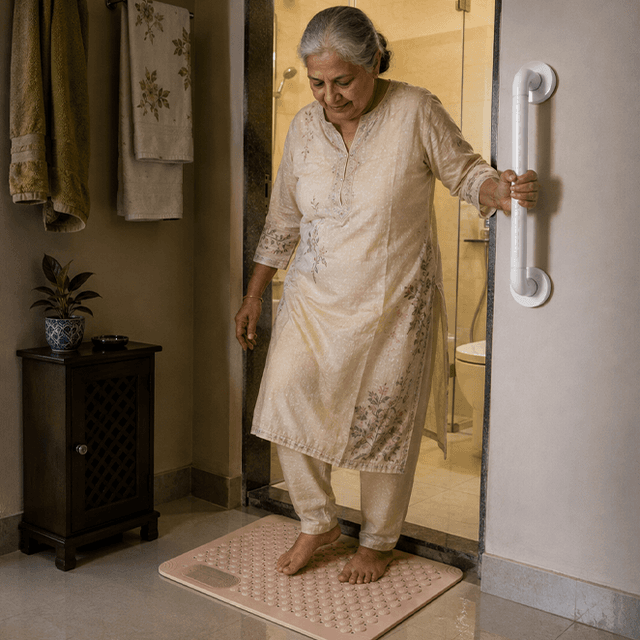
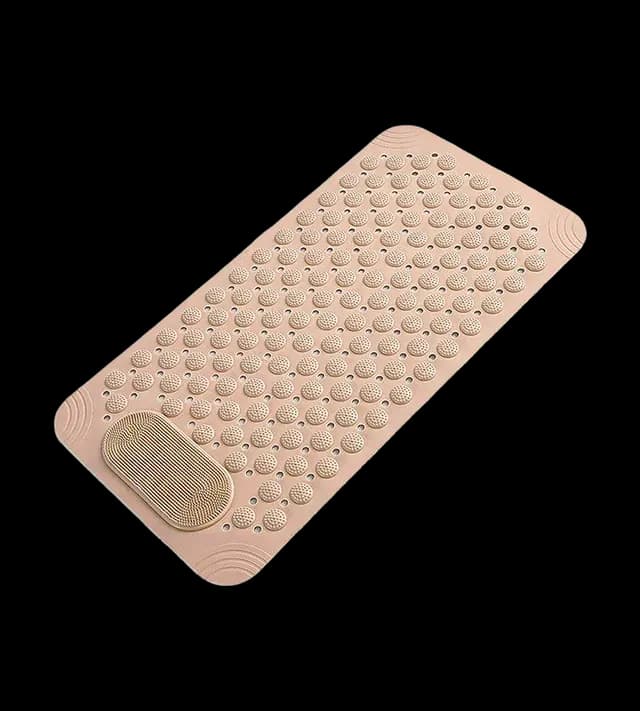
Slips and sudden sliding during transfers to a bathroom can be lessened by stable footwear and a clear path. AGEasy Anti-Slip Socks and the AGEasy Anti-Slip Mat with Foot Scrubber might support movement around the home and fall prevention. These products may assist in the setup of a bathroom, but do not treat a pressure injury.
Things to Consider Before Buying
These questions need to be answered before purchasing a bed sore mattress:
- What is the current pressure injury stage?
- How many hours per day does the person spend in bed?
- Can the person turn by themselves?
- What is the weight limit?
- Will the mattress make transfers difficult?
- Does the mattress need electricity?
- What happens when the electricity goes out?
- Is the cover washable?
- Are the covers breathable and water resistant?
- Do you know of a wound nurse or clinician who recommends this surface?
- How long can the mattress be used?
An item being less expensive does not mean that it is of poor quality, nor does an item with a higher price guarantee that it is clinically suitable. Match the surface to the individual's risk, stage of the wound, activity level, and care plan.
The 'best' mattress is one that cushions the body and provides safety for movement and care efficiency. For an early risk, consider a static foam or gel that provides stability. Higher risk or deeper wounds may benefit from a mattress that uses an alternating-pressure system, with professional guidance, of course.
Assess the choice as the person's wound, mobility, weight, and care requirements alter.
Disclaimer: This article provides general information and should not replace assessment, diagnosis, treatment, or individualized advice from a qualified healthcare professional.