
Bathing a Parent With Dementia: Fear of Water, Refusals and a Calmer Routine
Oct 26, 2026
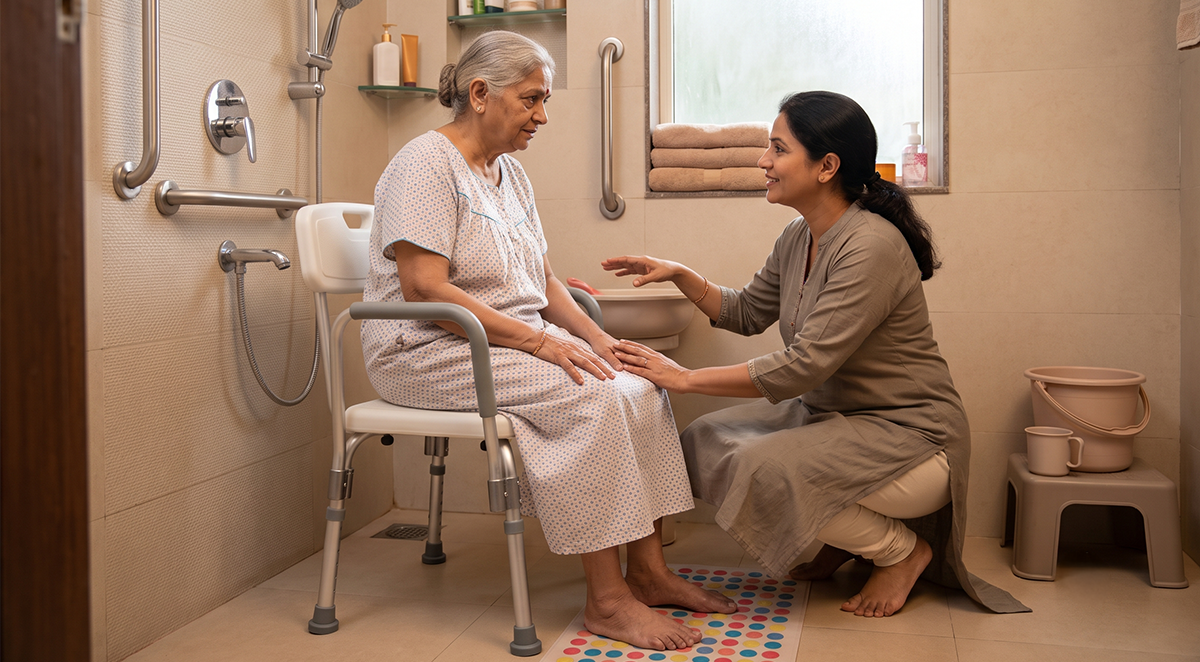
Bathing a Parent With Dementia: Fear of Water, Refusals and a Calmer Routine
An older adult with dementia may refuse to enter the bathroom, become anxious when asked to undress, or insist they have already bathed.
Bath time can become frightening when the bathroom no longer feels familiar. It is easy to interpret the refusal as stubbornness.
But dementia can change how a person experiences familiar routines. The bathroom might feel confusing. Running water might feel threatening. Being undressed might feel uncomfortable or exposing. Instructions that once seemed simple might become difficult to follow.
The goal is not to force someone into the bath. It is to make the routine feel calmer, more familiar, and easier to follow.
This article explains how caregivers can handle fear and refusal at bath time, create a calmer bathing routine, and make the experience more comfortable for a person with dementia.
Why bathing becomes frightening
We live in the world of science, and in that world, we categorize sensory information. While your parent might remember basic facts, with dementia, they probably won’t remember why you are asking them to undress themselves. They might view the spray from the shower as an assault, misinterpret their reflection as a stranger, and be unsure how to navigate in a large open space.
There are a number of sensory experiences that can rigger distress. Often they will be combined.
- The water is the wrong temperature, either too cold, too hot, too loud or too strong.
- Harsh lights coupled with slippery surfaces are a recipe for dangerous falls with no cushioning to help break the fall.
- The person feels exposed, rushed, or touched without warning.
- Arthritis, injury, constipation, or a urinary issue may cause pain when the person is moved.
- The bathroom has been made unsafe from a previous fall.
- The person needs to use the toilet, is hungry, or is tired.
- The caregiver, product, towel, or method of bathing used is all new to the person.
Refusal is often a sign of pain, fear, confusion, or a desire for some sort of control. Refusal should not always be interpreted as deliberate defiance.
First check physical comfort and health
A change in bathing behavior may warrant further consideration. Be aware of pain, fever, a new rash, bruising, constipation, dehydration, dizziness, hearing difficulty, or vision changes.
The person may be in pain in the hip, back, shoulder, or feet and may cry out whenever moved.
Report these changes to the doctor if the change is sudden, severe, or has occurred together with confusion, weakness, fever, a fall, or new medication. Ask for advice if your parent has a wound, incontinence-related skin damage, or bathing issues.
Do not leave a person unsupported in the bathroom if they may fall. If you are having issues supporting transfers, seek a physiotherapist, occupational therapist, or trained home-care professional to help you with adaptations.
Prepare the room ahead of time
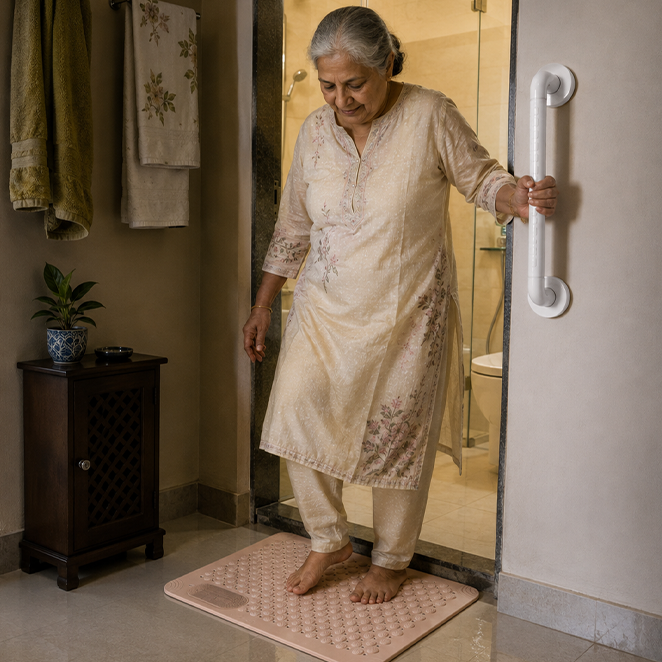
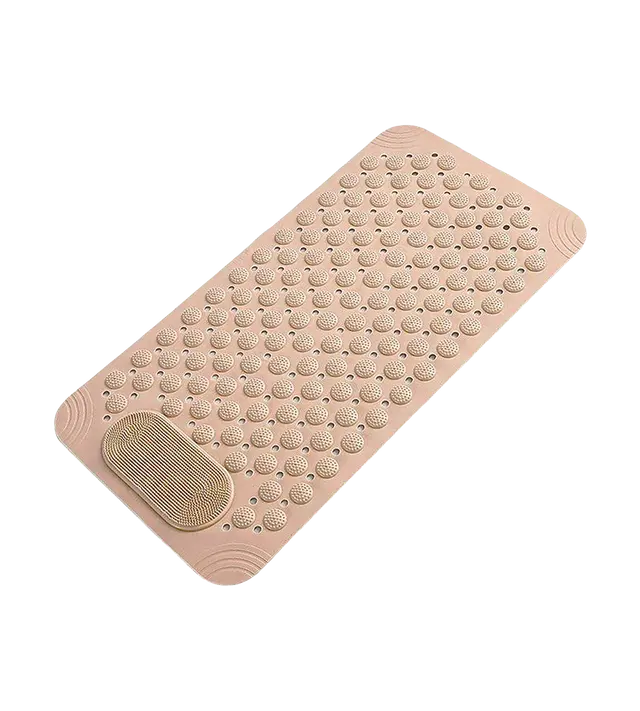
Remove any decisions your parent has to make. Warm the room, and put clothes out and put other supplies within reach. Close the door and put soap, towels, and continence supplies out. Check the temperature yourself. Use a bath thermometer if you need to adjust it. Remove loose mats and keep the floor dry.
Use a calm voice and give one step at a time directions. Saying “We will wash your hands first” is a better way to give directions rather than saying a bunch at once. Give your parent just two options ‘Would you like the blue towel or the white towel?’ and don’t give them a ton of bathing options to choose from.
A setup that gives stable support lessens the fear feeling. For your parent’s bathroom, a toilet grab bar with floor support by AGEasy is a good example of a stable support. When using a grab bar, do not use it as a substitute for supervision or an assessment. Check the bar before using it to ensure that it is in the right place, safe, and strong enough to support your parent.
Make entry and sitting less stressful
People with dementia usually fear stepping over the tub edge or sitting on a wet surface. Describe the steps of the movement. Get right by their side and keep your body level with them. Do not pull them by the arm. Encourage them to use a stable support and follow the suggested transfer plan by a professional.
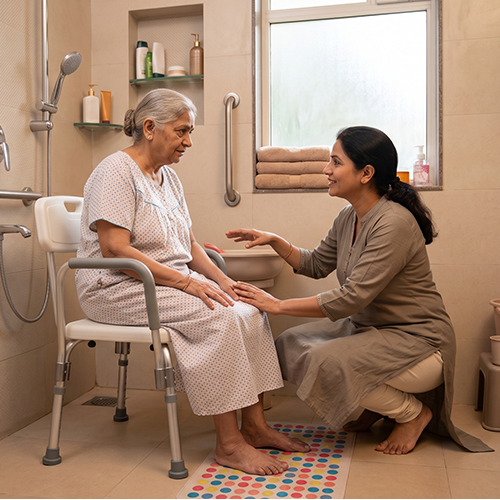
Parents who become anxious when standing under a shower should try starting with seated washes using hand-held showers or warm flannels. To make it easier to sit, they can use the Shower Chair by AGEasy which is a stable and comfort-focused chair for showers designed to make bathing safer, easier, and more dignified for seniors.
Set incremental goals
Achieving a full bath is just one part of quality care. On particularly bad days, try to wash the face, hands, underarms, groin and feet and change the underwear and incontinence pads. Gently clean and dry folds of skin. Offer to do a full wash later when the parent is less exhausted.
Maintain a routine
If possible, do the wash in the same order each time. This could be washing the face, arms, chest, back and legs and then finishing with private areas after your parent has agreed to that. Wash one area of the body and cover it with a towel while you wait for permission to wash the next. Keeping calm and using simple phrases will help you notice the rising anxiety.
Stay calm and present when resistance is met
If your parents say no, stop. Be calm. Avoid a back and forth about the necessity of the bath. Do not shame your parent and do not remind them about the earlier agreement. Say, “You feel unsure. Let us pause.” Offer a short break.
Try this again after you’ve had some food, taken a break, listened to some music, or engaged in a familiar conversation. Analyze your parent’s care records for patterns. Your parent may accept a bath in the morning but refuse in the evening. Your parent may prefer a daughter, son, or caregiver of a specific gender. Your parent may accept a flannel bath wash over a traditional bath and shower.
Preserving Dignity
Dementia doesn’t remove your parent’s need for privacy. It’s important to remain respectful, explain your presence, and knock before entering a room. Cover the parent’s body and expose one body part at a time. Also, avoid talking about the parent’s hygiene in front of others.
Familiar Products & Routines
Whenever possible, use familiar products and routines. Consider labeling drawers and/or cupboards with simple, text or picture labels. Keep consistent placement of towels and reduce the glare of mirrors and the noise of fans. Playing a familiar song may be calming, but be sure it doesn’t add excessive noise.
Team Routine
Building a routine helps slow the process of dementia. Create a care routine for yourself as well as the rest of the care team. This routine will help your parent remain safe while keeping them comfortable and dignified.
Ease caregiver burden with a shared approach to each task. Coordinate a bathing order, communicate helpful bath phrases, document preferred temperature, signs of distress, and safe methods for transfer. Capture what worked and what made the situation worse.
Revise routine to adapt to new challenges as your parent’s dementia, mobility, and/or continence changes.
Bottomline
Occupational therapists cannot stress enough the importance of reassessing the bathroom if falls are occurring, near misses or other difficulties are encountered, or if your parent has begun to refuse to bathe. The positioning of the caregiver, seating, bathroom lighting, and even the method water is distributed can have more of an impact on the length of time it takes to give a bath than any other factor.
The most important part of any routine is the level of comfort your parent has and the trust you have established. Create opportunities for your parent to feel in control and protected to the greatest extent possible from the situation. If you maintain the hope of trust over everything, you will be able to provide care tomorrow, too.
Disclaimer
The purpose of this article is to aid caregivers with basic caregiver information and does not intend to provide a medical diagnosis or a substitute to medical care, formal assessment, or provided care plan specifically.