
Plantar Fasciitis and Heel Pain After 60: Why the First Step in the Morning Hurts Most
Aug 17, 2026
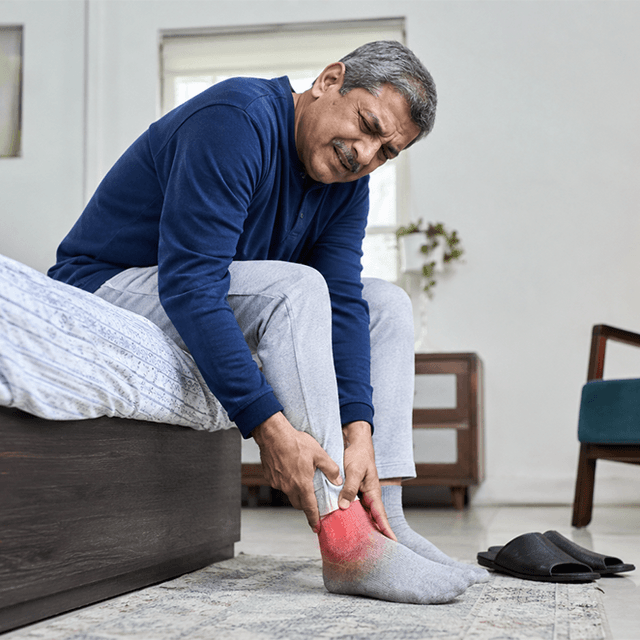
Older adults shouldn’t have to experience pain with the first step of the day, which sadly is the case for many. Heel pain is caused by a number of issues that don’t necessarily have anything to do with aging. There’s no reason to believe the pain is caused by normal wear and tear, especially when you see signs like these:
- Heel pain after the first step of the day
- Pain that comes after a long period of sitting
- Parent starts avoiding the daily morning walk
The first step of the day isn't painful by chance. There are a number of potential reasons for the pain, with plantar fasciitis being the most common.
Without the proper treatment and adjustments, the condition can progress to the point where your parent will stop walking. They will grow less active and change their daily gait so as to protect their heel. This can then make the issue much worse.
The more you know about the problem and the potential reasons for the pain, the better you can address it. It will help you direct your parent to heel pain relief shoes when necessary, along with the steps you can take to protect the healing heel and minimize packing it. You learn to discern when the pain needs to be addressed by a healthcare professional.
This guide explains why taking those first few morning steps can be excruciating because of plantar fasciitis pain. It explains why heel pain seems to affect older people more, what you can do at home, and when it is time to take your parent to the doctor.
Why the First Step Hurts the Most
The plantar fascia is a connective tissue fibre that separates the heel from the toes and supports the foot. It also helps absorb the impact of each step. As the foot rests unloaded during sleep, the fascia tissues slightly shorten. As your parent stands up, the band stretches from the heel due to the weight of the body. This causes the fibres in the plantar fascia to pull on their attachment points, resulting in the pain caused by the first steps. Because of the effects of loss of flexibility in the tissue, the pain diminishes with movement. This also results in older people feeling better after a few steps.
Why Heel Pain Becomes More Common After 60
There are several ways the foot changes with age, and each of these changes increases the likelihood of heel pain.
Natural padding under the heel begins to deteriorate with age. As this padding disappears, the direct impact from each step begins to affect the heel bone. This causes the plantar fascia to become less elastic and less tolerant to being stretched, which in turn leads to the fascia developing small tears.
Slowly declining natural arch in the foot increases the tension on the fascia. All of these factors become more pronounced with weight, age and lifestyle related issues, such as diabetes or arthritis. As well, years of walking on hard surfaces in poorly padded shoes or no shoes at all advances all of these conditions.
The aging of the foot over the years does not mean the foot becomes painful. It means the foot now requires more support than it did when the person was age forty.
Other Common Causes of Heel Pain
The 40% of all heel related issues, which are not attributed to plantar fasciitis, are caused by heel spurs, which are rarely diagnosed.
Heel spurs are caused by prolonged pulling on the fascia. Tendinitis in the Achilles tendon does produce pain in the back of the heel, not the bottom of the foot. Heel pain is also caused by stress fractures, trapped nerves and inflammatory conditions of the joints.
This is why pain of this nature needs an investigation to rule out all possible causes, rather than guesswork. The natural healing process of plantar fasciitis begins with home remedies, which helps in the majority of cases, after which if the pain still persists, a visit to a physician is advised to eliminate all other possibilities.
What You Can Do at Home
1. Start Your Mornings with Gentle Stretches
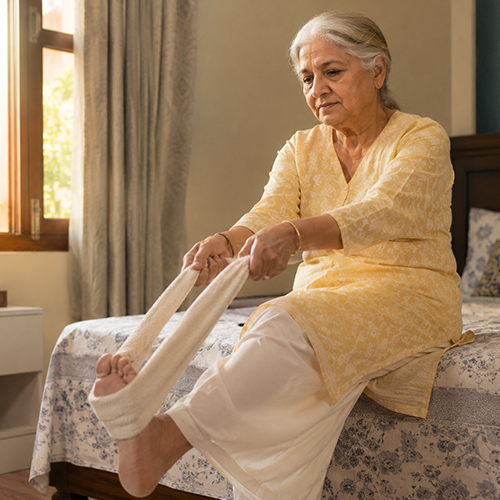
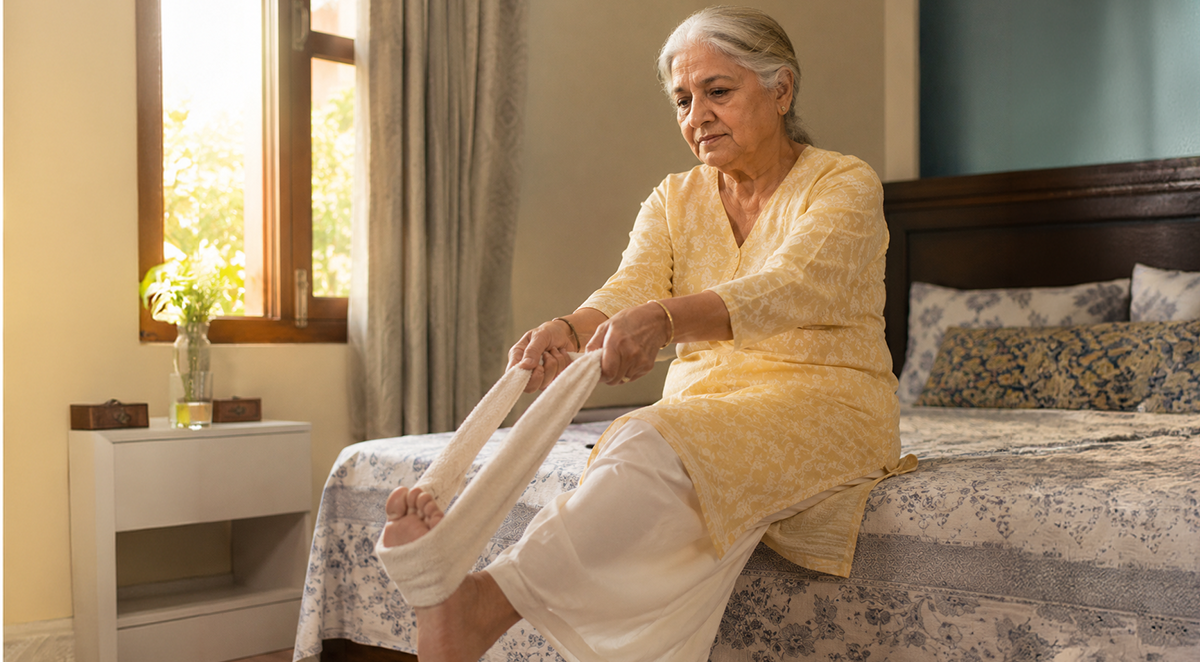
Create a routine before your parents begin their day. Have them loop a bath towel around the ball of their foot and pull the toes back towards the shin and hold this position for thirty seconds while still seated. Gentle foot rolling with a water bottle for about a minute helps too. Warning the fascia before standing or walking lessens pain in the first steps and many people report this after practicing for a week or two.
2. Wearing Proper Footwear
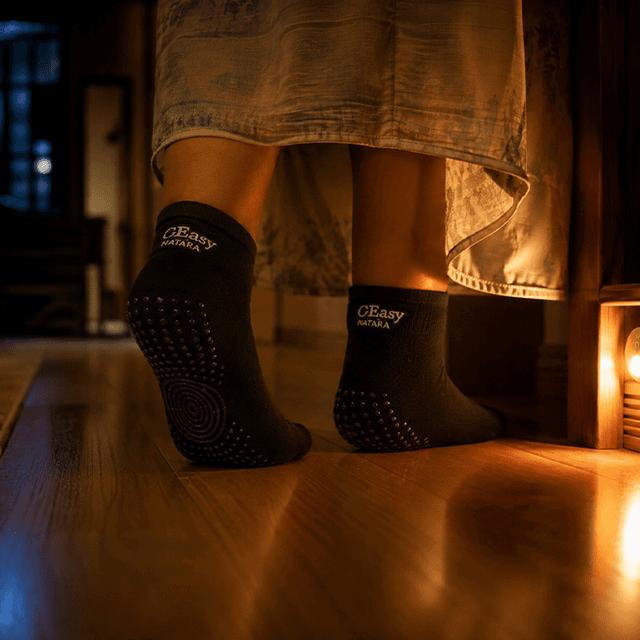
In India, we are used to walking barefoot or in slippers with very little support. Choose shoes with supportive footbeds and heels, and revolve a pair of supportive sandals for indoor use so your parents never walk barefoot on slippery terraces.
3. For a Quick Fix, Add an Arch Support Insole to Your Shoes
The AGEasy ArchPro Insoles from ageasy.co.in are a good choice since they support the foot arch, distribute weight across the foot evenly, and lessen the load on the foot. Being lightweight and breathable, these insoles will be welcomed by seniors. They are easy to install in all shoes.
4. Use Cold to Relieve the Pain
After standing or walking for a long period, apply a cold pack to your heel for 15 to 20 minutes. Pain from standing or walking can be soothed by massaging the foot over a cold, rolled bottle of water. Following these simple steps will reduce pain and soreness and be a great habit to have at night.
5. Heel and Arch Brace Options
For pain caused by standing and walking that persists even after changes in shoes, a brace for plantar fasciitis offers support and can be worn throughout the day. The Aircast AirHeel Arch & Heel Pain Relief Brace from Aircast, available on ageasy.co.in, provides gentle compression to the heel and the arch of the foot and supports the fascias during the walking motion. The braces on ageasy.co.in are designed for seniors and slip on easily so they can be worn without fuss. For some people, night splints are beneficial. These stretch the foot when worn at night and relieve pain in the morning.
6. Balance Modifications of Activities
Rest and muscle inactivity of the lower leg and foot will cause tendon damage. Avoid total rest and modify your activity. A great substitute is short walks on a soft surface rather than a long walk on pavement, of course.
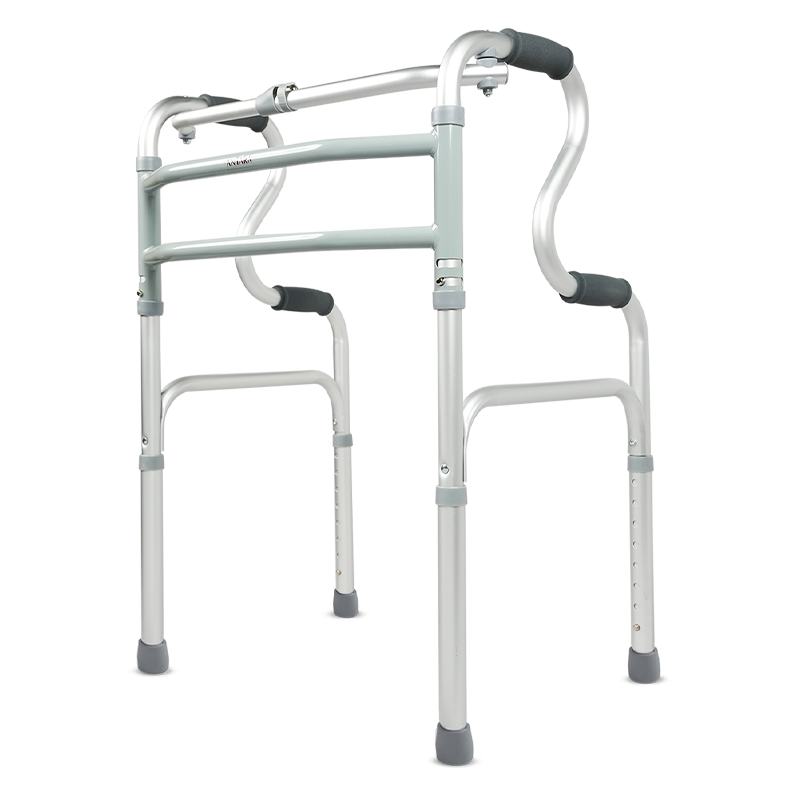
To avoid unsteady feeling from pain related ancillary affects like altered gait, an adjustable walking stick is a great addition from the fall prevention section of AGEasy .
7. Watch Weight and Foot Care
Each step carries more weight and stress on the fascia with every pound above your ideal body weight. Mild weight loss improves heel pain significantly. Consider your parent’s cerebrovascular accident (CVA), foot pain and diabetes. Red, swollen, or changing foot skin may be an issue. Foot care includes toenail trimming to reduce the gait length.
When to See a Doctor
You should get an evaluation done if:
- The pain persists after 6 weeks.
- The pain is getting worse during the home remedy treatment.
- The pain occurred in both feet.
- There are signs of swelling, warmth, redness, or numbness.
Call immediately for diabetic parent foot pain, if an injury occurred, and if there is severe pain and inability for the parent to walk. An exam is recommended to check if a fracture occurred or if a ruptured tendon is present.
Plantar fasciitis is often diagnosed through a physical examination. An X-ray or ultrasound may be conducted. Treatments include therapy, inserting special shoes (orthotics), and for stubborn cases, injection or other treatments. Most patients heal fully, but healing takes time. Slow healing is to be expected.
Heel Pain After 60
Heel pain after 60 responds great to early consistent care. The ‘foot wince’ in the morning is asking for help. Caring for your parent to help them walk in a confident and independent manner is accomplished by prescription shoes, simple foot stretching, and day cushions designed for seniors.
Get medical help for persisting pain. Daily help for a parent’s feet is needed each day.
Disclaimer: This article contains general information and is not a substitute for medical advice. For diagnosis and treatment specific to your parent’s health, you should consult a doctor.