

Diabetic Socks: Why Regular Socks Create Foot Problems for Your Parent
Aug 26, 2026
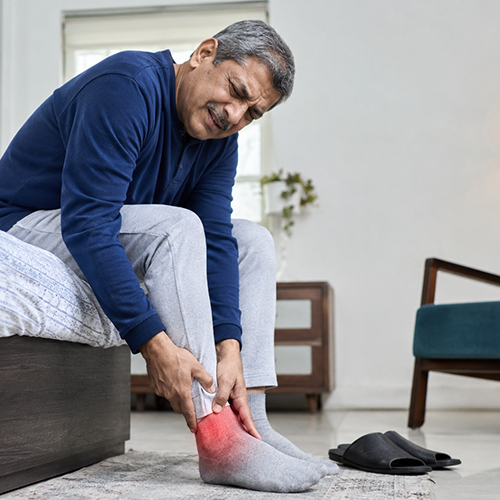
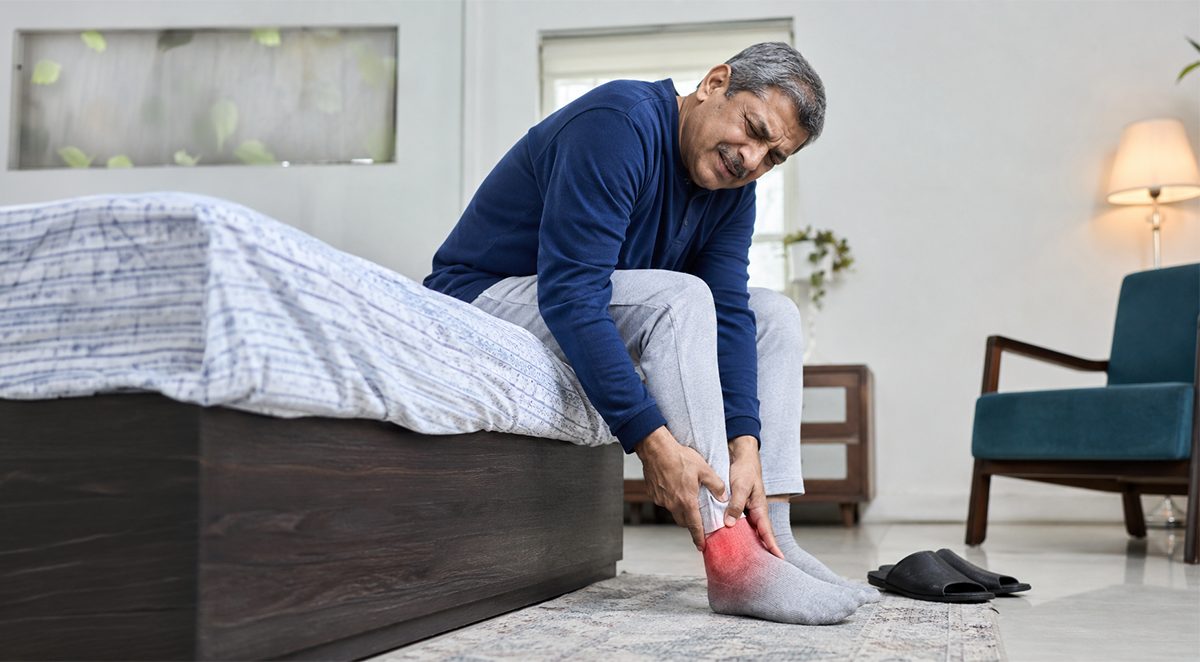
An unassuming blister in a sock can easily escalate into a foot problem for your parent. Decreased sensitivity in the feet due to diabetes means your parent will most likely not perceive the irritation caused by socks that are too tight, or the rubbing or cutting caused by seams, rough fabric, folds, and moisture.
Diabetic foot care means taking a proactive approach to decreasing pressure on the feet, monitoring the skin, and acting quickly to address issues. Your parent must have a foot check in the morning. The socks and shoes must also be examined every evening. A small injury must be addressed immediately to avoid complications.
Why Regular Socks Are a Risk
There are two primary ways that diabetes affects the feet. First, damage to nerves due to high blood sugar levels can cause your parent to lose the ability to perceive pain, heat, pressure, or injury, due to diabetic neuropathy.
The other way that diabetes impacts the feet is poor blood circulation. Sluggish circulation means that your parent will have poor healing ability to small cuts, blisters, and wounds, and a high risk of infection.
Regular socks can cause friction and pressure on the feet. Loose leg bands can squeeze surrounding leg skin. Indentations are common with socks made from material that is aligned too tightly. Over time, friction can damage your toes as well.
Socks can bunch in shoes to create pressure on the toes or heels. Socks become more abrasive and increase friction when they are moist. Dark socks can also make blood or discharge on your toes harder to notice.
These problems should not be treated as a risk concern for every day sock use. The problem lies with using socks that do not fit well and are not made with the right material for your parent who might have low foot feeling.
What Makes Diabetic Socks Different?
Diabetic socks have design features intended to provide comfort to those with low foot feeling. The features may vary, so it is important to check the label as the sock name alone is not a guarantee of comfort.
Some socks have the following features:
- An elastic top that is non-binding
- A deep cuff that can be worn without causing marks
- A flat toe seam for extra toe comfort
- Stretch that covers the heel
- An overall more comfortable fit that lies flat
Look for Breathable Fabric
Friction increases when sweat rubs against the skin. Choose socks based on your parent’s climate and their daily activities. You should also replace or wash the socks when they become damp or if your parent begins to sweat.
Choose Light-Colored Socks
Socks in light colors like white provide better contrast and can make blood, fluids, or stains easier for a caregiver to notice.
Consider Padded Areas, If Applicable
Certain types of socks have extra cushioning and padding, most commonly in the soles. The padding and cushioning should not compromise fit, and the shoes your parent wears should accommodate the socks comfortably.
Diabetic socks offer some protective padding for the feet, but they do not treat diabetes or nerve problems caused by diabetes. They do not take the place of routine and prescribed care.
How to Choose Socks for Your Parent
The most important thing to consider is where your parent’s feet and toes are at. Pay attention to any numbness, presence of sores, foot deformities, and ulcers. Diabetic socks and shoe choices should be decided by a medical professional or podiatrist.
Make sure to measure each foot separately, as they may not be the same size, and choose the larger foot’s size. Check for moisture, slipping, bunching, red marks, and discomfort after a few hours of wearing the socks.
Neuropathy can reduce the ability to notice discomfort. Check for red marks and inspect their feet after you have removed the socks.
Trim your toenails, clean between your toes, and use socks without stretched areas or holes. Wash and dry your socks completely before wearing them again.
Anti-Slip Socks for Safer Home Movement
Older adults with diabetes have an increased risk of falling at home. Falling risk can be further elevated by poor balance, numb feet, and nighttime bathroom walks.
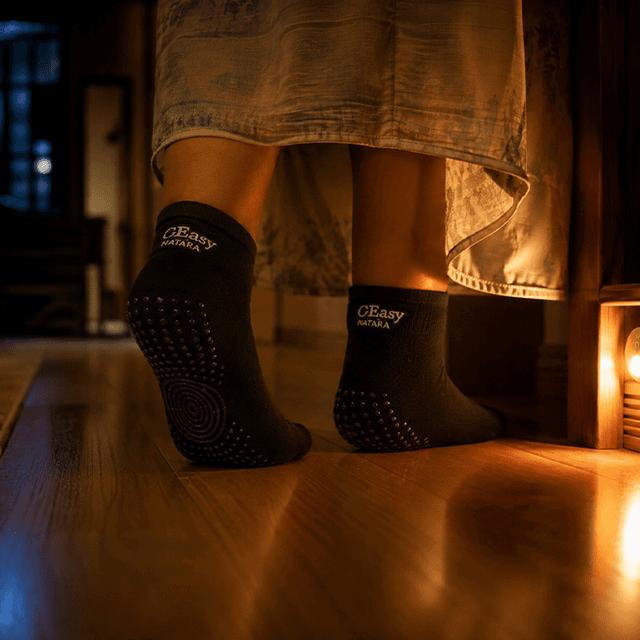
AGEasy Anti-Slip Socks are designed with a slip-resistant grip sole to provide traction on smooth indoor floors. They are intended for seniors and indoor home activities where additional grip may be useful.
However, AGEasy Anti-Slip Socks should not automatically be considered diabetic socks. They should only be used for diabetic foot care if the product itself meets the required features, such as a non-binding cuff, smooth toe seam, and appropriate construction for diabetic feet.
Ensure the fit is correct before wearing. The grip should be in contact with the floor and the socks should not be worn inside shoes. Avoid wearing these as a replacement for proper shoes when going outdoors.
If your parent has a foot injury or condition that is bulky or swollen, severe numbness, is receiving treatment for a foot condition, or has an open wound on the foot, consult with the treating clinician before changing footwear.
A Daily Foot Check for Caregivers
Doing this simple foot check each day will help you spot early changes. Checking your parent's feet is best done at a consistent time each day.
Inspect the tops, soles, heels, and every space in between the toes. Use a mirror or ask someone to help if your parent can’t see.
Look for:
- Darkened or reddish skin
- Blisters, peeling, cracking, or cut skin
- Bleeding, draining fluid, or pus
- Swelling
- Changes in nail shape or color
- Dry, deeply cracked skin
- New, foul-smelling odors from socks or wounds
Compare both feet. If you are looking at one foot, changes on the other are less noticeable.
Wash feet with lukewarm water and clean well, especially between the toes. If your parent doesn't feel pain sensations, test the water temperature first with your hand.
Apply moisturizer to dry skin, but avoid moisturizing in between the toes unless a healthcare professional advises otherwise. Moisturizer between the toes can create warmth and promote fungal growth.
Use caution when applying heat pads or hot water bottles near feet. Corn or callus removal should be done by a healthcare professional only.
When to Worry
Inspect your parent's feet daily. Contact the foot doctor or general practitioner if a wound doesn't heal, or if you notice swelling, redness, heating, discharging fluid, or pain.
Ignoring reduced pain sensation doesn't make these warnings less important. It makes self-foot examination even more important.
Seek medical care for spreading redness, fever, a deep cut, black or blue skin, a sudden change in foot temperature, a smelly wound, footwear injuries, infected toenails, or foot ulcers.
Good Socks Are Only One Part of Diabetic Foot Care
Good socks may help relieve rubbing and pressure, but they are just one part of diabetic foot care.
Your parent requires good-fitting shoes, routine health checks, blood sugar management from the care team, and daily skin checks.
Daily foot care takes just a few minutes each day to maintain good foot health, and it can help improve comfort, prevent foot problems, and maintain good foot health.
Disclaimer: This article provides general information and should not replace individualized medical advice, diagnosis, or treatment from a qualified healthcare professional.