

Why Seniors Resist Bathroom Safety Equipment (And How to Bring It Up)
Jul 13, 2026
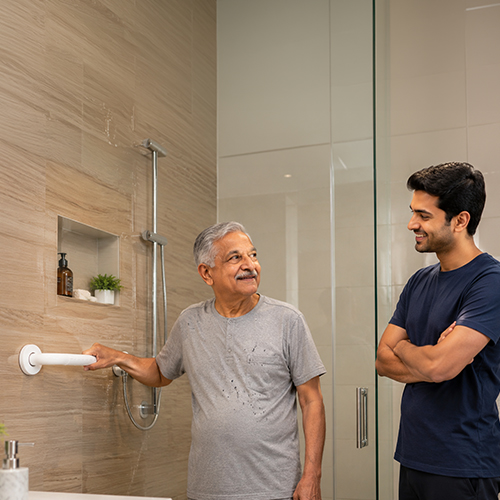
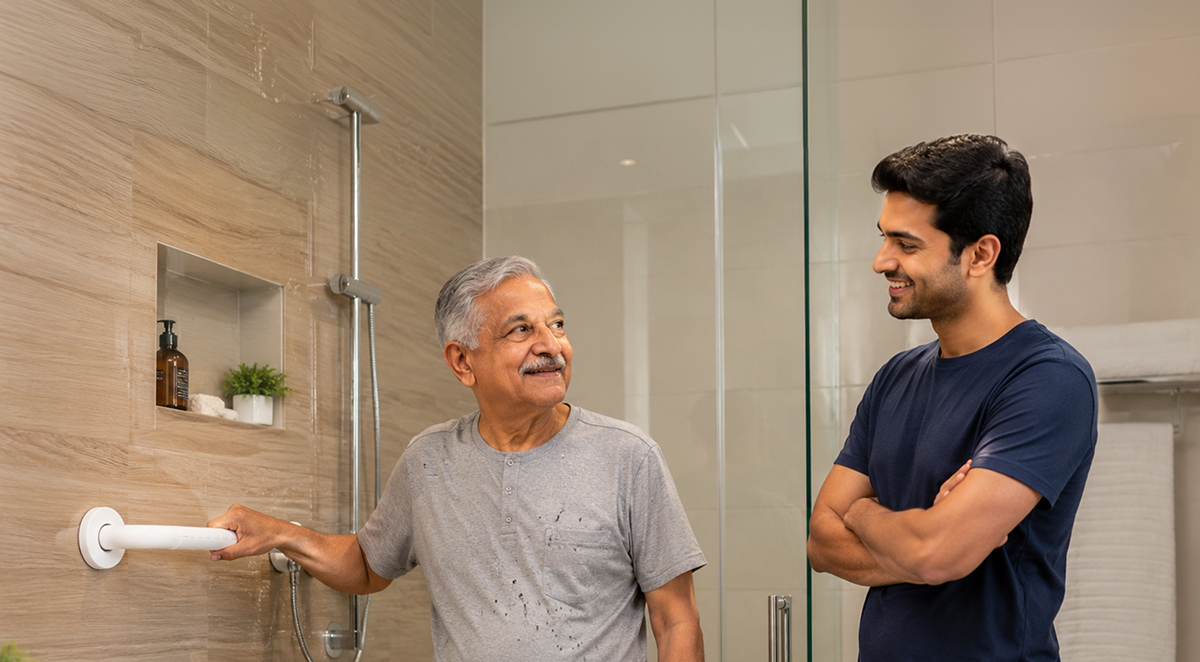
Your parents are not refusing a grab bar. They are refusing what it represents to them.
To you it is a safety upgrade. To them, it is a sign of aging. It is a loss of independence. It is a piece of "special equipment" only for people who need help.
The biggest mistake families make is talking about bathroom safety in terms of preventing falls. For many older adults, the concern is about lost dignity, not risk.
Do not start a conversation like:
- "You need this."
- "It's for your own good."
- "The doctor told us to buy it."
- "Everyone your age uses one."
These statements are ageist and focus on decline. Instead, lead with what will matter most to their parents: remaining independent; being able to bathe without help; feeling confident in the home; and keeping the daily routine on their own terms.
Very few people resist safety. Most people resist the feeling of losing control over their life.
The more you try to control this situation the more you can expect your parent to have defiant responses. They may refuse the equipment. They may shut down about the bathroom and any of their concerns. They may see every suggestion as proof that they are losing their independence. They may wait until a fall to make any changes, and in the meantime, put off as many changes as possible.
Changing how you talk to your parent changes what they say. Rather than viewing safety gear as a sign of dependence, your parent sees it as a means to maintain their independence. The decisions are collaborative. Your parent is respected, and, as a result, they stay safe without losing dignity.
This guide explains the reasoning behind the reluctance of older adults to use safety equipment in the bathroom, the psychology that explains that reasoning, and how to discuss these topics in order to empower your parent, demonstrate your respect for them, and let them control the decisions to enhance their safety.
Understanding the Resistance
A parent's refusal to have a grab bar or shower seat installed in their home is a refusal to accept a whole story about their identity and worth. There aren't many places in the house that are as private as the bathroom. Unlike jobs that involve some form of driving or grocery shopping, many people need assistance washing, toileting, or dressing; and just about everyone wants to do those things independently. Most adults have been doing those things by themselves for as long as they can remember.
New equipment in private spaces is often seen as new regulations or rules being imposed. Your parent hears "safety improvement" and just feels "proof that I'm declining."
This is the main reason for the resistance in family conversations about the installation of safety equipment.
Unpacking the Pushback
Several emotions are commonly expressed in this type of conversation.
The biggest concern is often the loss and threat of independence. Older adults associate their identities with being able to do things on their own. The installation of a shower grab bar can be the first step to having to be managed by someone else.
The fear of being judged, for having the independence to do things unassisted, is further compounded by the visible presence of these supportive devices and equipment. As children, family, and visitors comment on their presence, older adults begin to feel like their home has turned into a hospital.
No one names it, but feeling grief in the loss of independence is real and plays a role in these situations. Accepting support is more than about loss of independence; it's often about loss of agency and chronic illness.
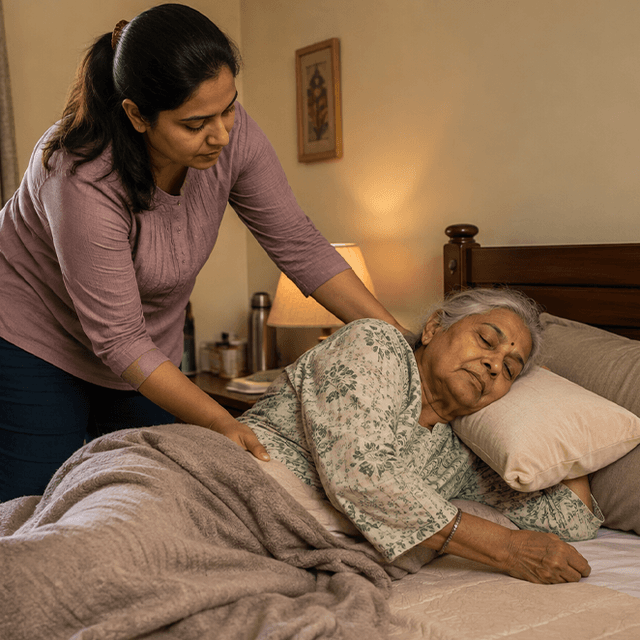
Parents who fear being "handled" often sense that the conversation was started without them. Managing conversations without their input or agency is a common family instinct, but no one wants to feel managed by their children.
Safety concerns are real, but that doesn't mean they should drive the entire conversation. Concerns that feel urgent to the family may feel like an overreaction to the parent, and in many cases the two perspectives have little relevance to one another.
How to begin this type of interaction is the most important part, while staying calm frames the current moment as a collaborative one rather than an intervention. Building trust with older adults is a protective measure, and safe-feeling spaces create pathways for these ongoing conversations.
Begin by asking questions instead of making statements: "How has the shower been feeling lately? Any areas where you feel less steady?" This allows the parent to talk rather than instructs a choice to be made.
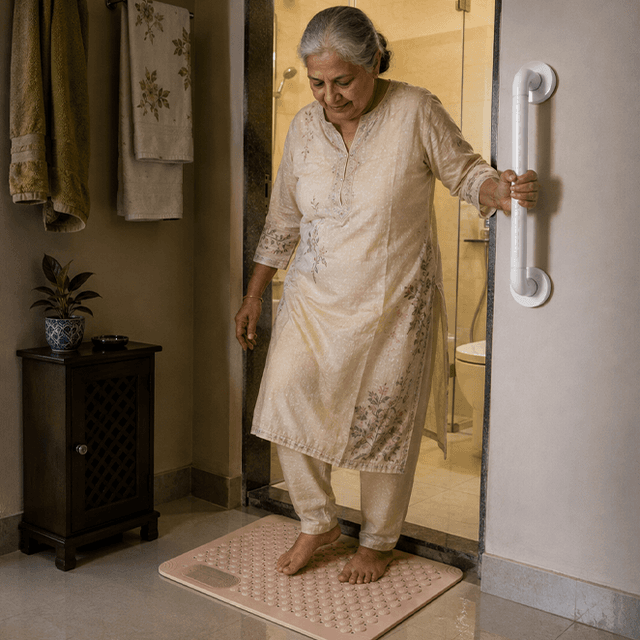
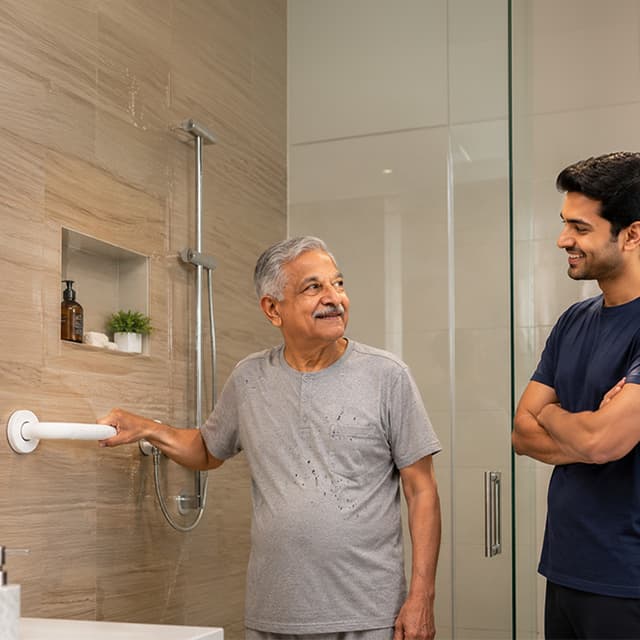
Equipment should be framed as an upgrade rather than a repair. A grab bar placed beside or in front of the shower or toilet will enable the parent to maintain the independence they want to preserve. The AGEasy Secure Hold Grab Bar and the AGEasy Toilet Grab Bar with Floor Support have been designed to complement home bathrooms rather than be an eyesore.
Decisions create buy-in. Offer your parent choices. Let them decide where and how the grab bar should be placed, what color supports will be best, and whether an optional toilet holder fits their routine best. For older people with joint pain when sitting or standing, supports that are easy to grip cause less strain than ones that require gripping tightly out of a fear of slipping.
If a doctor or physiotherapist recommended equipment after a procedure, mention it's one data point, not the reason for the entire discussion.
The Mental Load of Clinical Design
Your parents want to feel safe and supported but also want to avoid anything that would point to them being frail. They appreciate having their preferences and needs taken into account, as it also lessens the emotional burden.
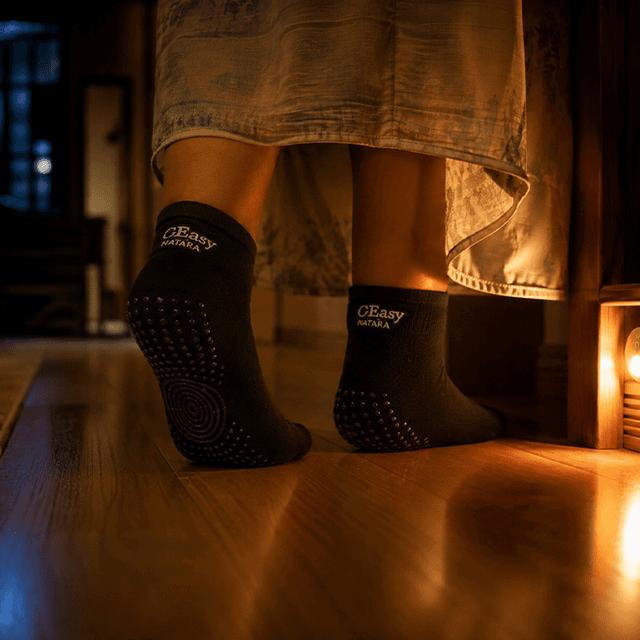
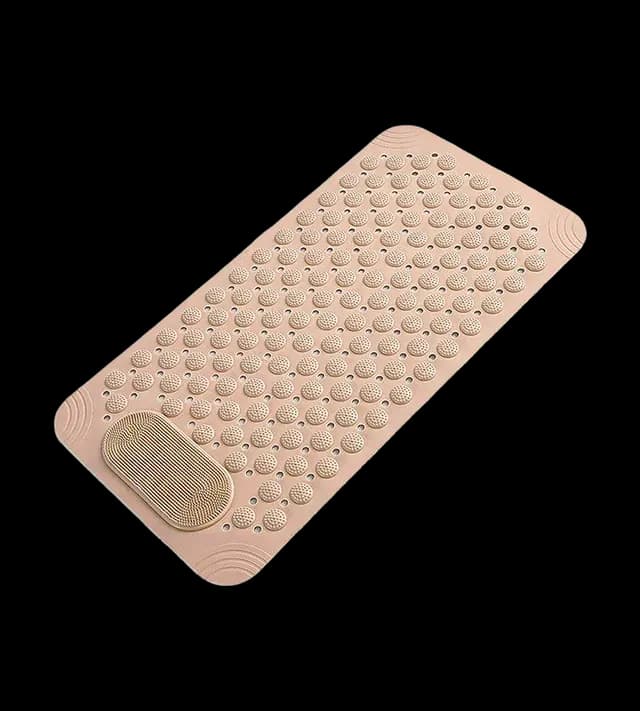
Tucking away a fold-up support grab bar helps parents eliminate some of the anxiety that comes with toilet grab bars becoming a permanent bathroom fixture, and a visible sign of elderly care. Parents can use anti-slip mats and grip tape to add protection without the room looking any different. That kind of protective measure can be the first step for a parent who isn't looking to have anything more visible.
Letting parents test a product that can be adjusted, or returned, allows them to see that the purchase is a collaborative decision instead of a directive.
What To Do If They Still Say No
It can be easier for parents to change their mind a little after the first conversation, especially once they understand the change is about protective equipment, and once they see other people making similar changes. Avoid repeating the same pitch or pushing harder each time. Give the idea room to settle so your parent can observe others making similar changes in their own time.
Doctor recommendations can help shift the conversation from a family decision into a clinical suggestion, which often feels less controlling to a parent. Give it time. Parents will often come around once they see that the equipment doesn't change how family and friends treat them day to day.
When to See a Doctor
Consult the physician and/or physiotherapist of your parent after any incident involving a fall, surgery, or any new condition that could impair their balance or mobility so that you can make informed decisions regarding assistive devices.
A professional can assess an individual's grip strength and balance, pinpoint particular concerns, and offer advice on the best support combinations for your parent's at-home and daily activities.
There is equipment for these situations, but if there are ongoing complaints of dizziness, arthritis, or repeated fall episodes, then those concerns should be discussed with a medical practitioner.