
Thyroid After 60: The Symptoms You Blame on "Just Getting Old"
Aug 22, 2026
Sometimes it's your thyroid, and not just aging.
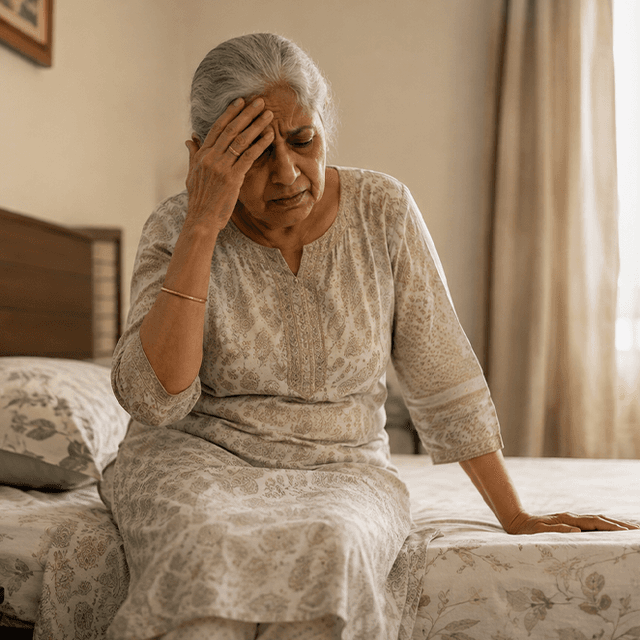
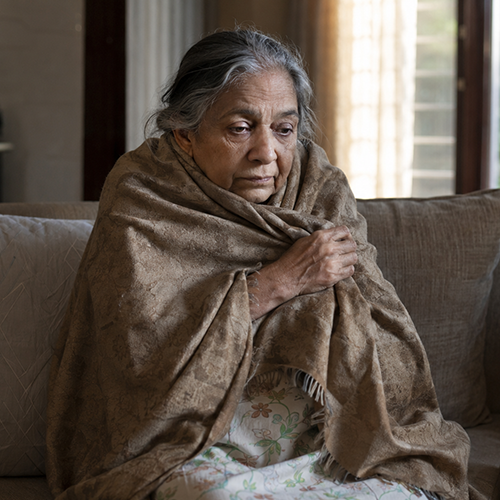
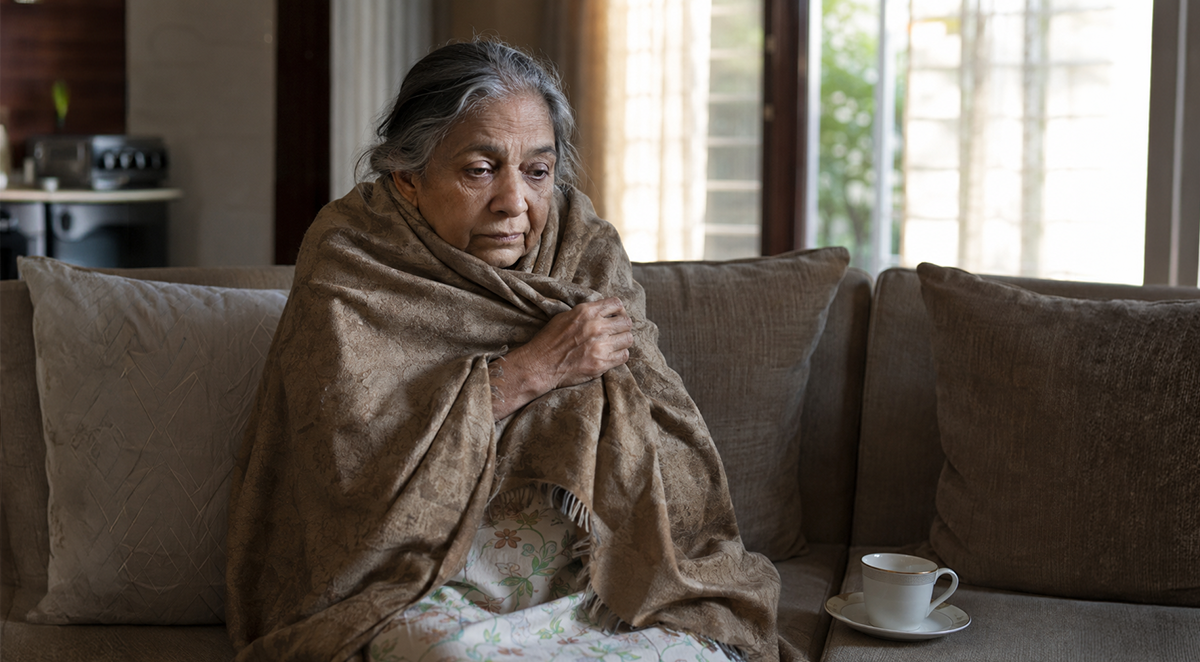
You're always tired. You feel cold when others are warm. Gradual changes in your weight happen with no change in diet. You lose focus, struggle with your memory, and daydream about where your energy went. More sleep, less movement, wondering about your old energy. Someone points out,
"You're old, that's just the way it goes."
Sometimes it is, and sometimes it isn't.
The issue for many people is that thyroid problems don't come with one clear symptom. More commonly, thyroid symptoms are exhaustion, gaining or losing weight, constipation, coldness, dry skin, and feeling weak. Thyroid issues show up as aging symptoms and are often the last guess being checked.
Which brings us to the point. This isn't about listing symptoms. This is about changes.
How sudden they are.
How much all those little symptoms amount to.
Patterns are a big deal.
Noticing signs of "getting old" should mean a second look... not a shrug.
The good news is that most thyroid disorders are treatable, and the first step is usually a simple blood test to confirm whether or not your thyroid issues are causing your symptoms. An accurate diagnosis allows you to receive real treatment as opposed to masking symptoms and coming to terms with feeling like a duller version of yourself.
This article covers some of the symptoms of thyroid issues after 60, symptoms that are frequently ignored, as well as when it's appropriate to see a doctor and why the thyroid is often overlooked at this age.
Why the Thyroid Goes Unnoticed After 60
The thyroid gland may be small, butterfly-shaped, and located at the base of the neck, but it produces the hormones that regulate the body's metabolism, temperature, heart rate, and digestion, and it can impact your mood. When hormone production of the thyroid slows down (hypothyroidism) or increases (hyperthyroidism), all of these systems can be disrupted.
Thyroid symptoms and symptoms of normal aging overlap so much that many doctors, family members of patients, and older adults themselves simply assume that the symptoms are just a part of the aging process. We are talking about symptoms such as fatigue, changes in weight, aching muscles, and dry skin that are listed in almost every article on signs of aging.
In addition, 60 is a threshold for the prevalence of thyroid disorders (especially in women). This creates a situation where an obviously treatable thyroid condition is often mistaken as something that is irreversible. This common misdiagnosis leads to a scenario where thyroid disorders are often under-diagnosed, and patients are left to suffer for months, sometimes years.
The Symptoms That Resemble 'Just Getting Older'
Thyroid disorders are insidious. They come on gradually and are easily overlooked. Some of the most common symptoms include:
- Fatigue that is not relieved by sleep
- Unexplained weight gain (associated with an underactive thyroid) or weight loss (associated with an overactive thyroid)
- Cold intolerance
- Chronic constipation
- Weak muscles and joint pain (often confused with arthritis)
- 'Foggy brain' and memory lapses (often confused with early-stage dementia)
- Changes in mood, anxiety, or irritability (depression)
- A rapidly beating heart, a slow heart rate, or an irregular heartbeat may be a sign of an imbalance in the thyroid gland rather than just "getting old."
The symptoms of thyroid dysfunction are similar to the symptoms you would expect from the aging process, which likely explains why so many physicians overlook the possibility of thyroid diseases.
None of these symptoms on their own should be concerning. However, they should be taken into consideration if more than one appears at a time, or if they have progressively become more severe over a few months as opposed to years.
Why It's About the Pattern Rather Than the Symptom
There are muddled signals that can't be deciphered with a single symptom. The focus should be on the pattern instead:
- Did fatigue, weight change, or a mood shift occur gradually over several years? Or did they occur suddenly during the past few months?
- Have several symptoms presented at once? Or have several complaints presented one at a time?
- Has the way this individual feels changed compared to a year ago? Each symptom may be insignificant on its own, but something may be wrong.
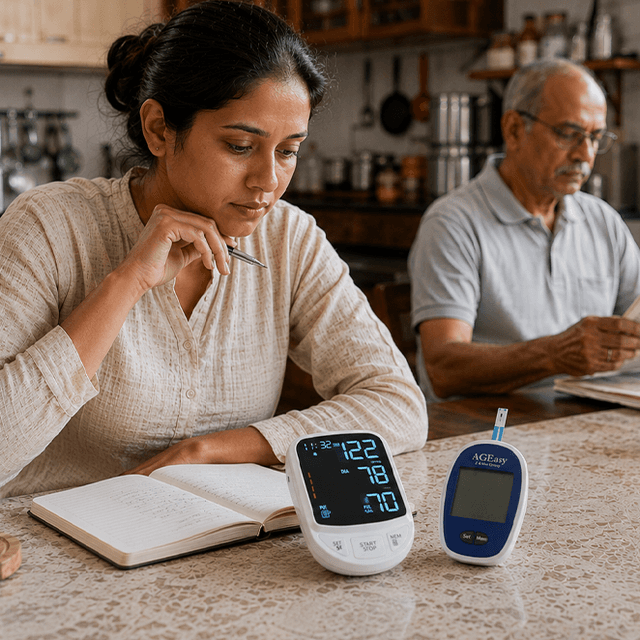
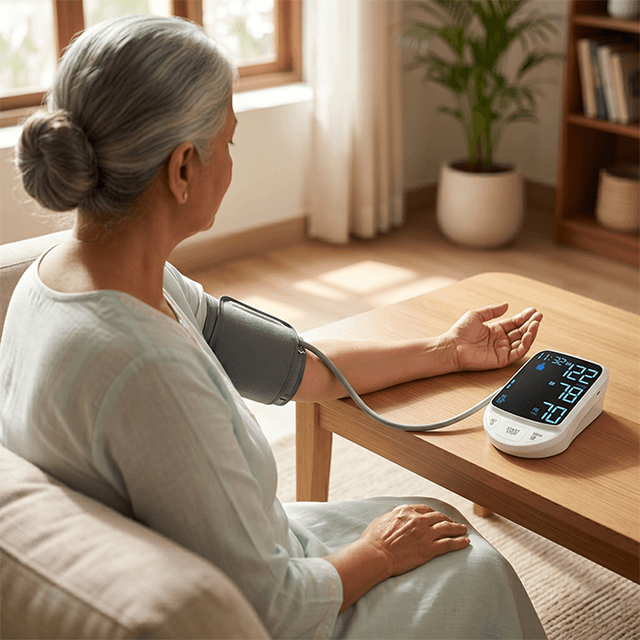
Record keeping, even if it is an attempt to remember when the symptoms first occurred, can be helpful, especially for adult children attempting to monitor their parents' health from afar. Tracking resting heart rate, weight, mood, or feelings throughout the day for a few weeks could help identify the vague feeling of being "off" as something that could be discussed with the doctor.
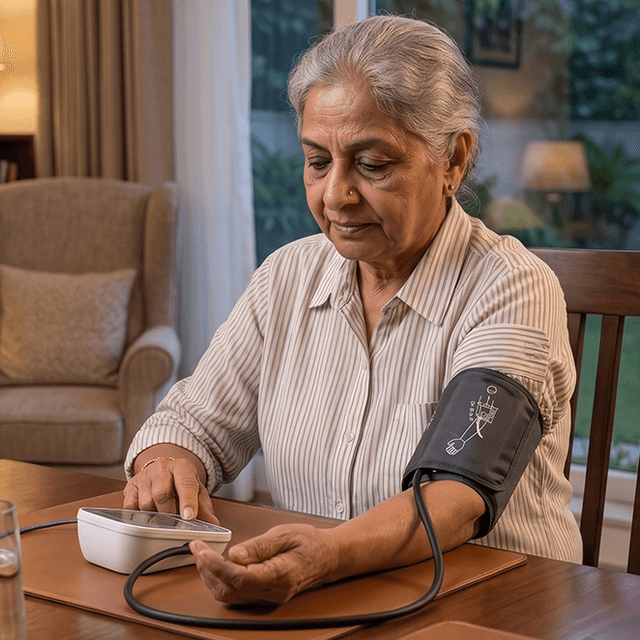
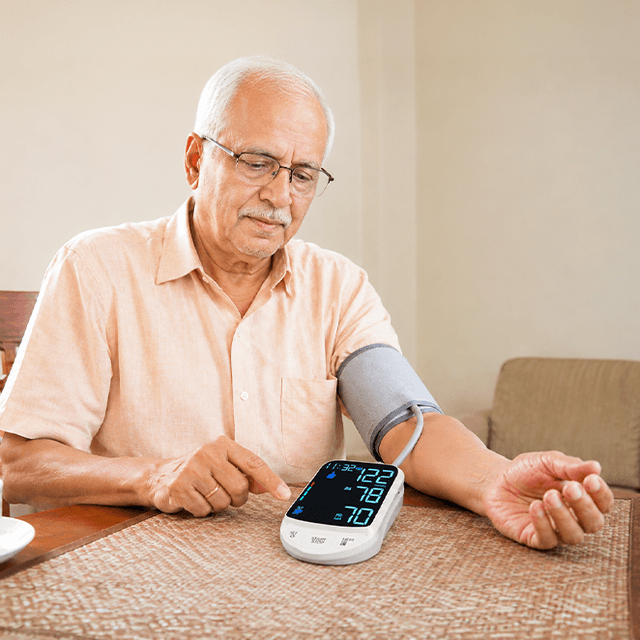
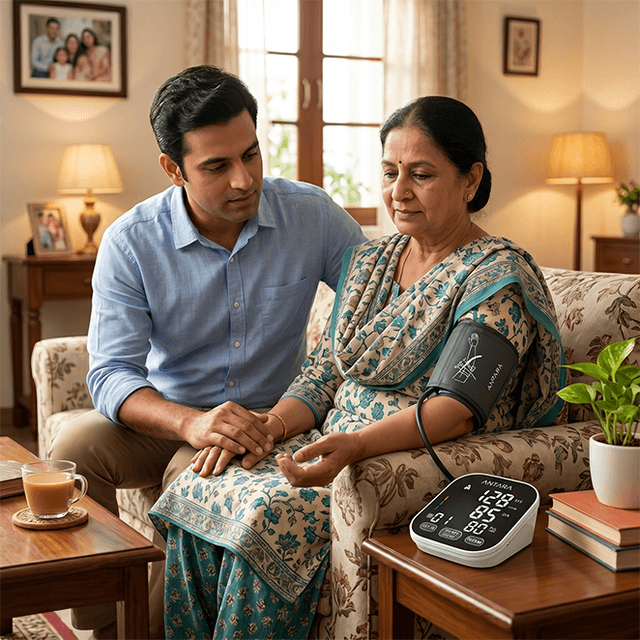
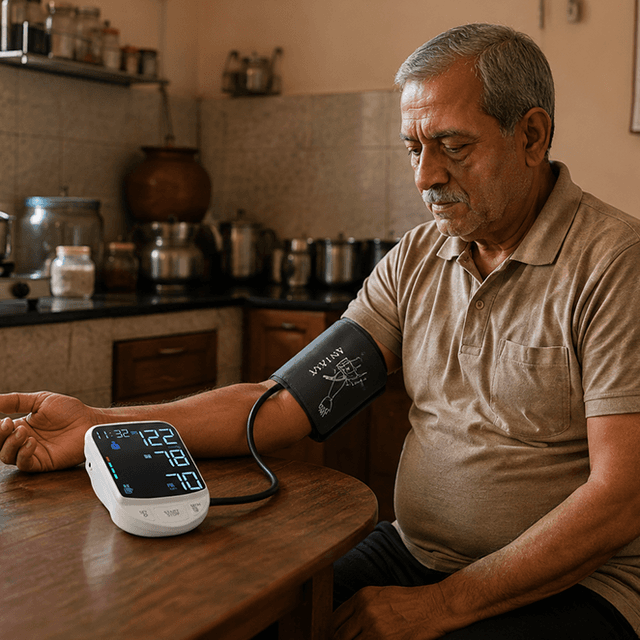
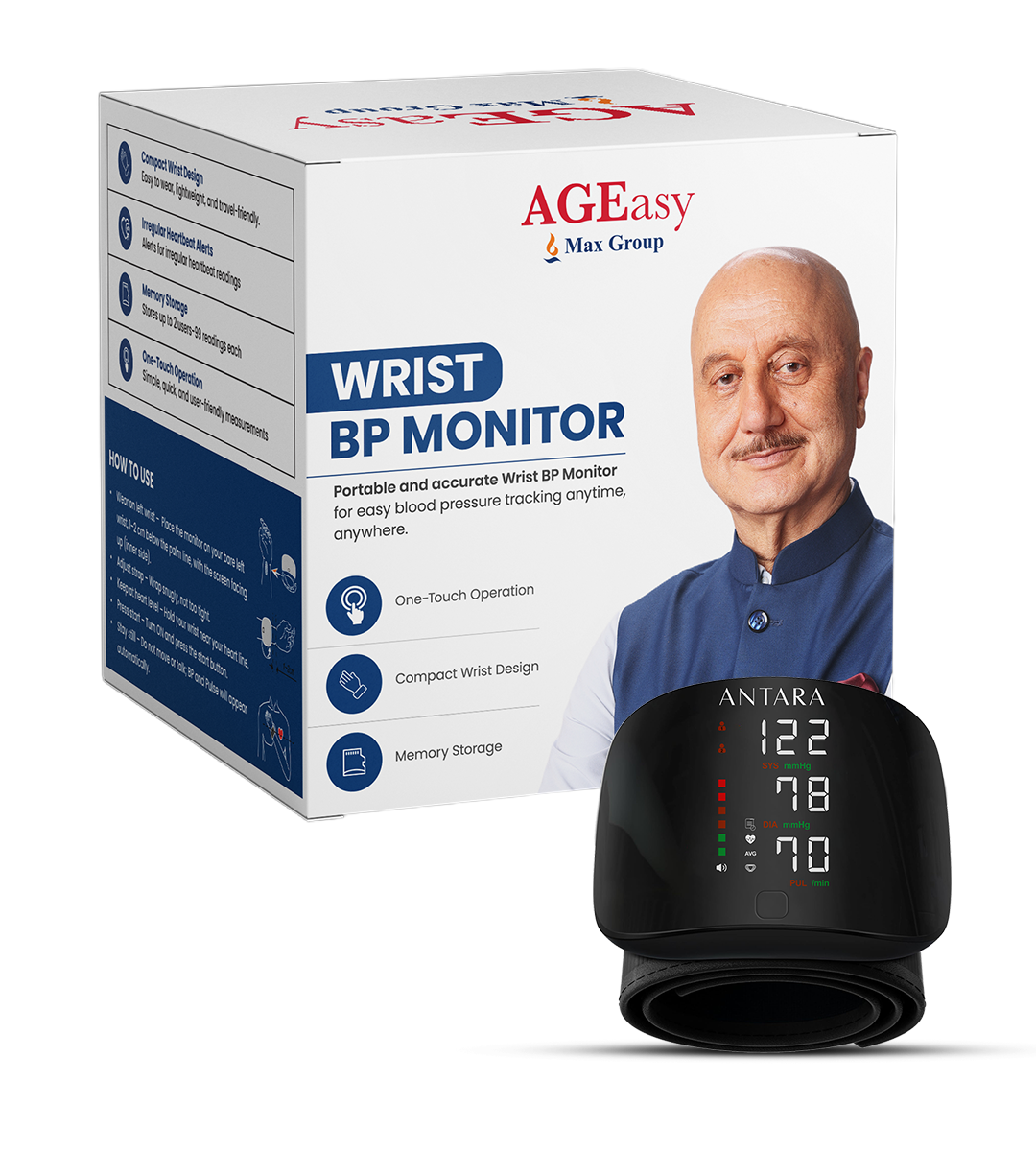
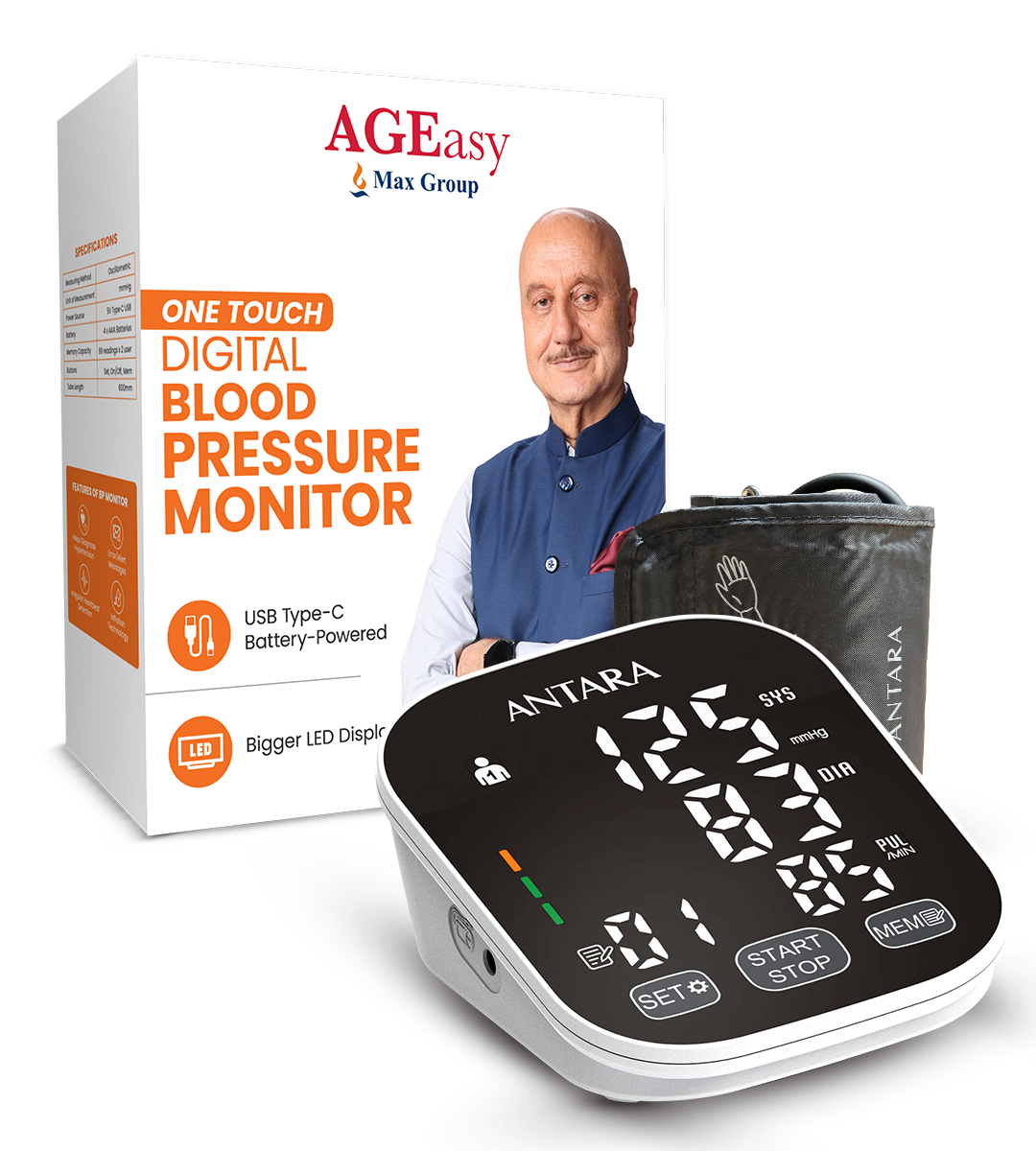
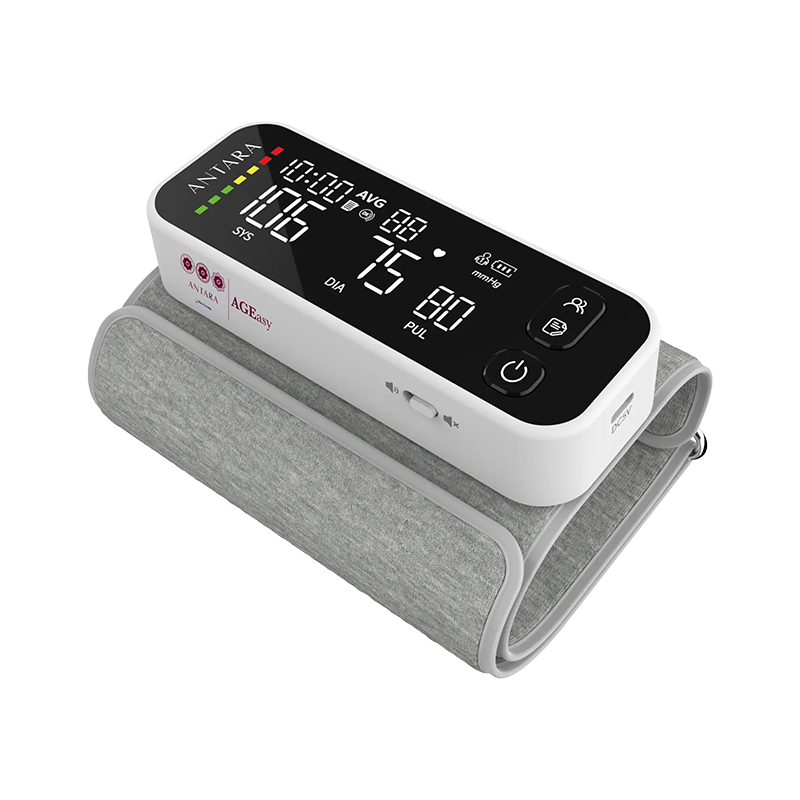
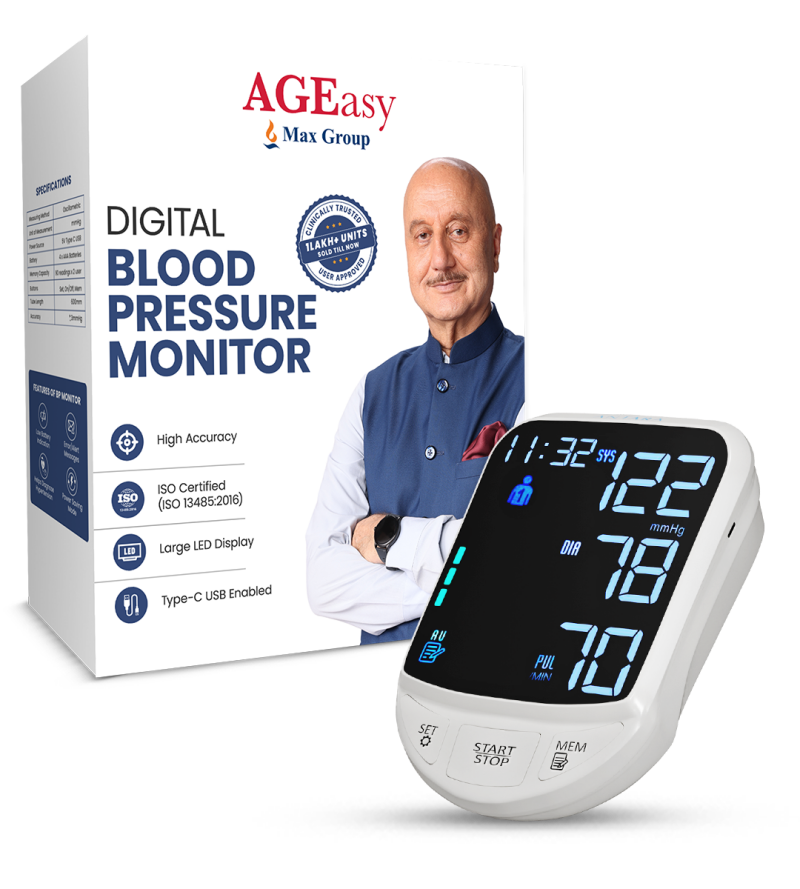
A home health monitoring system that includes a basic blood pressure machine could help with this. It has the ability to track the symptoms of a potentially imbalanced thyroid because they affect the heart and blood pressure alongside more visible symptoms. AGEasy's health monitoring devices include BP machines that are easy to use at home, and families use them to monitor their hearts and establish a baseline.
Getting Tested: What to Expect
There is a lot of reassurance in the simplicity of thyroid testing. A thyroid panel typically includes a blood test for thyroid-stimulating hormone (TSH), along with levels for T3 and/or T4. This is a quick blood draw with minimal discomfort and no special preparation required, and the results will be available the next day.
Unless you have been prompted by your doctor to have a thyroid test, it is always advised to prompt them yourself. If you are seeing the symptoms described above, you should ask your doctor for a thyroid test. The thyroid function test is almost never part of a routine senior checkup, and you are entitled to ask your doctor to perform the test for you.
The majority of thyroid conditions can be easily determined and treated. Hypothyroidism is closely managed through a daily supply of thyroid hormone, and most patients notice an improvement within a couple of weeks on the optimal dose. There are many options for treatment for hyperthyroidism, depending on the reason for the condition, but it is equally as manageable through the right medical care.
When to See a Doctor
It is time to see a doctor if:
- Changes have been noticed in the past few months that include being unusually fatigued, gaining or losing weight, or feeling colder than normal.
- Multiple symptoms listed above occur simultaneously.
- A close relative of yours has thyroid disease.
- An aging parent exhibits some changes that are hard to identify, even though nothing seems to be too problematic.
- New changes in memory and/or mood do not have a valid explanation.
None of these cases replace a medical evaluation; only a doctor is able to diagnose a thyroid condition. "List-checking" is not a diagnosis. It is meant to show why it is important to ask questions instead of believing it is just a normal part of the aging process.
The Bottom Line
Real, normal changes resulting from aging are expected. However, not all changes that occur after the age of sixty are normal aging changes. One of the most common and easily fixed causes of feeling "not like yourself" later in life is related to thyroid issues. A simple blood test will help settle this. This is especially important to test if the changes are being attributed to aging. It is a much better and easier solution than dealing with undiagnosed symptoms.
If you are monitoring symptoms at home, the notes you take at the beginning could help doctors, too. Keeping track of weight, symptoms, and vitals is an easy way to help yourself notice a symptom pattern while also preparing you for the first appointment you schedule with the doctor. Sometimes the easiest way for a doctor to view the symptom pattern is for the patient to start writing it down.