
What's Actually a "Normal" BP for Women After 60? Why the Textbook Numbers Mislead
Jul 14, 2026


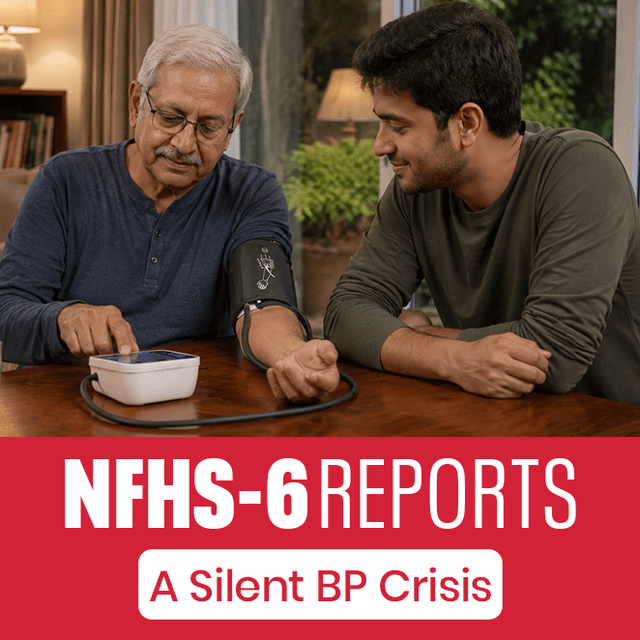
The most dangerous blood pressure reading is usually the one nobody knew about.
You feel fine. You go about your day like always. You tell yourself you'll get it checked next week because really, nothing feels wrong.
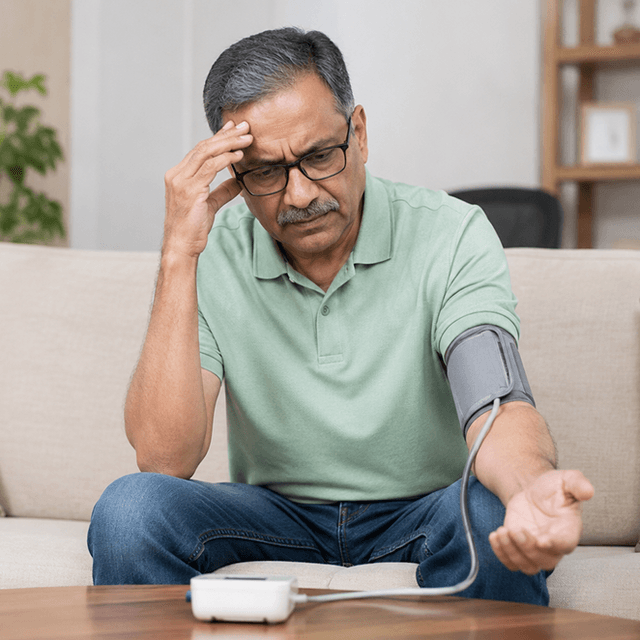
That is the dangerous part of the situation. High blood pressure does not self-identify. Most families think they will know when something is wrong. Most of the time they think nothing is wrong. It is called a silent condition for a reason. It can take years to develop symptoms.
That is why having just a blood pressure monitor will not help. What families need to know is what the numbers mean. What is considered to be normal in your 40s? What should you keep an eye on in your 50s? What is common, but not necessarily healthy in your 60s, 70s, and beyond?
One measurement is not enough to tell you everything, rather it is the habit of checking it regularly.
This guide outlines the information doctors are looking for to assess your blood pressure as you age. Along with the easy to read chart, you'll provide the doctor with all necessary information.
Interpreting the Numbers
Each blood pressure reading is made up of two components. The first one, systolic pressure, measures blood flow in your arteries while the heart beats. The second number, diastolic pressure, measures blood flow in the arteries in between heartbeats. On average, a reading of 120/80 mmHg is considered normal for a healthy adult according to local and global guidelines for cardiology.
However, "normal" is subjective and depends on several factors. Things like age, weight, family history, stress, and the presence of medical conditions like diabetes influence blood pressure readings. This is why charts are helpful. Not as rules, but as guides.
Blood Pressure Chart by Age (For Indian Adults)
These blood pressure readings are averages for the population at large. They are not conclusive, and should probably be used as a starting point for a discussion with a physician.
| Age Group | Typically Accepted Range |
|---|---|
| 40s | Around 120/80 mmHg, up to 129/84 mmHg |
| 50s | Up to 130/85 mmHg |
| 60s | 135–140/85–90 mmHg |
| 70s and 80s | Slightly elevated readings often tolerated; medical evaluation needed if readings repeatedly cross 150/90 mmHg |
In your 40s: Most people are normal if they have blood pressure readings around 120/80 mmHg. Some people may have blood pressure readings up to 129/84 mmHg. This is the age where there is a higher risk of having increasing blood pressure as a result of weight gain, increased hours of work, sedentary lifestyles, and increased consumption of salt in food.
In your 50s: Most people are still normal if they have blood pressure readings up to 130/85 mmHg. Readings above this amount increase the risk of cardiovascular disease and are examined closely by doctors.
In your 60s: blood pressure is slightly adjusted, with 135-140/85-90 mmHg seen as acceptable, as some elasticity is lost with age. In fact, regular blood pressure checking becomes even more important in this age range.
In your 70s and 80s, slightly elevated blood pressure is common, and in fact high blood pressure is often tolerated by clinicians if patients have certain comorbidities. That said, if blood pressure readings cross the 150/90 mmHg threshold repeatedly then medical evaluation is warranted and should not be ignored.
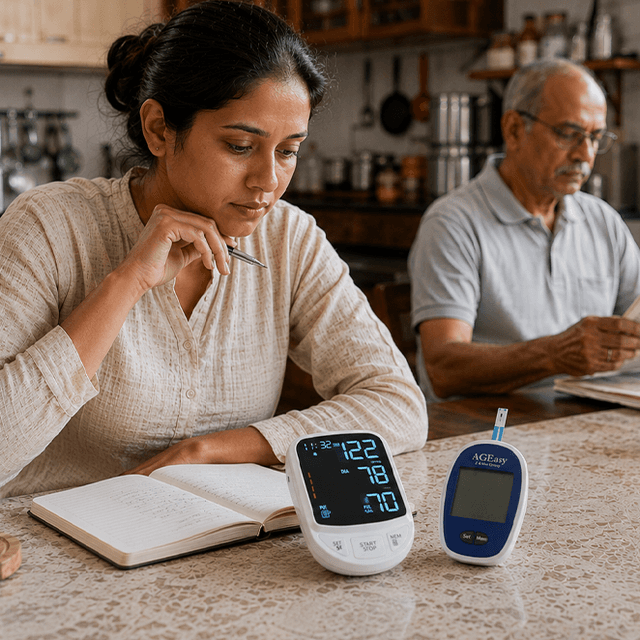
Looking at blood pressure readings across all ages, the most important aspect of each reading is consistency. Just one high reading does not mean much. An elevated reading on a stressful day does not indicate troublesome blood pressure. Consistent readings above the threshold over a few weeks is what is concerning.
Many people ignore the risk of high blood pressure simply because they feel healthy and experience no immediate symptoms. This silent nature is one of the most underestimated risks by families. High blood pressure can go unnoticed for a long time without producing many obvious symptoms like headaches, dizziness, or discomfort. By the time these symptoms present themselves the body would have suffered for many months or years as the blood pressure silently does damage to the heart, blood vessels, and kidneys.
This is particularly true for many Indian families. There is a unique combination of high-risk factors present, given the cardiometabolic risk associated with high levels of dietary sodium, work-related stress, and the genetic propensities for cardiovascular disease, leading to accelerated elevation of blood pressure. It is part of the reason physicians in India are often required to provide prescriptions for blood pressure monitoring much earlier than standard guidelines recommended for other regions.
Establishing a Basic Home Monitoring Routine
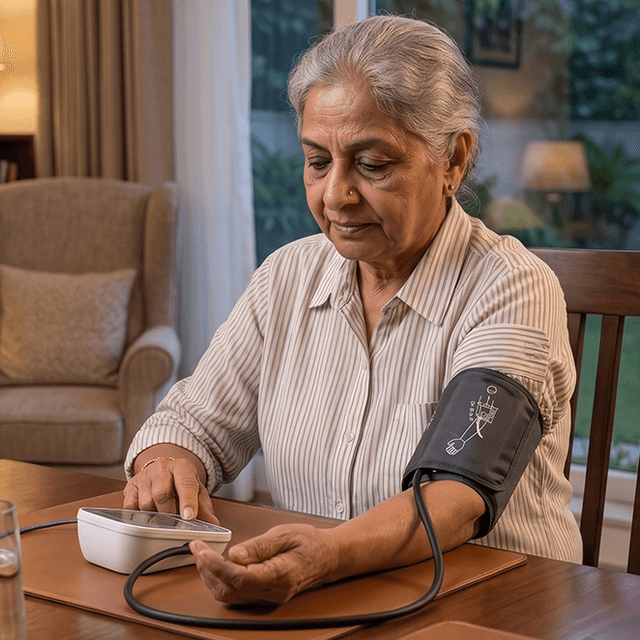
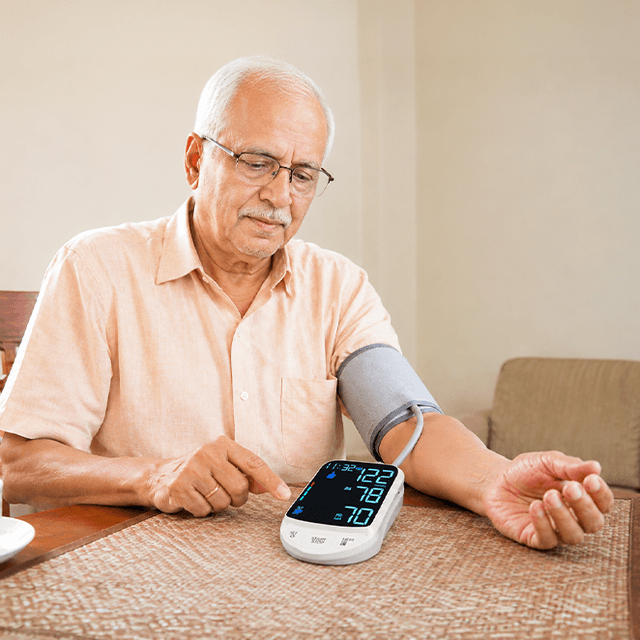
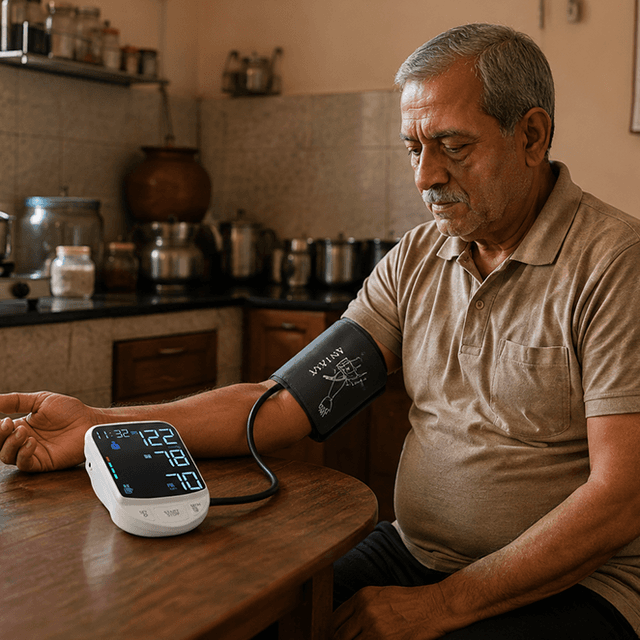
A simple yet effective habit families can maintain involves using a home blood pressure monitor to check their numbers twice a week.
In the interest of accuracy, there are a few basic tips to keeping blood pressure recordings as precise as possible:
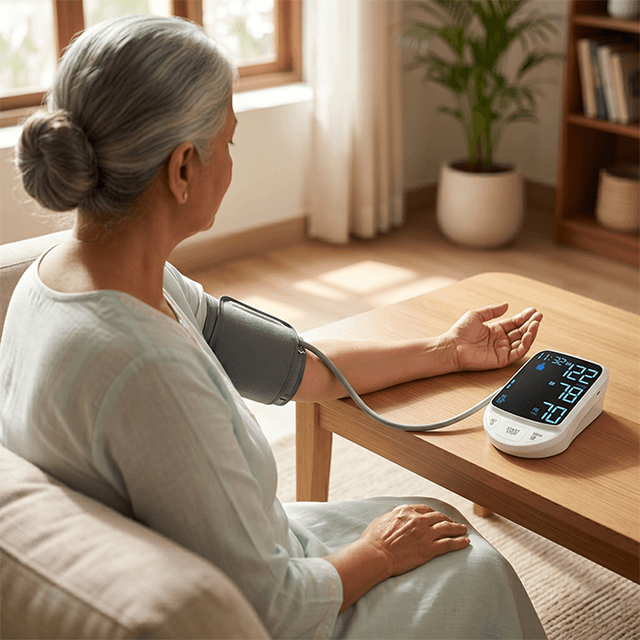
- Before taking a reading, sit down and rest for 5 minutes.
- Position your arm at heart level, whether using a cuff on your arm or a wrist device.
- Avoid caffeine, smoking, or exercise for 30 minutes prior to the reading.
- Take readings at approximately the same time each day so that patterns are easier to identify.
- Instead of basing your reading off of one number, take two or three readings a few minutes apart and note the average.
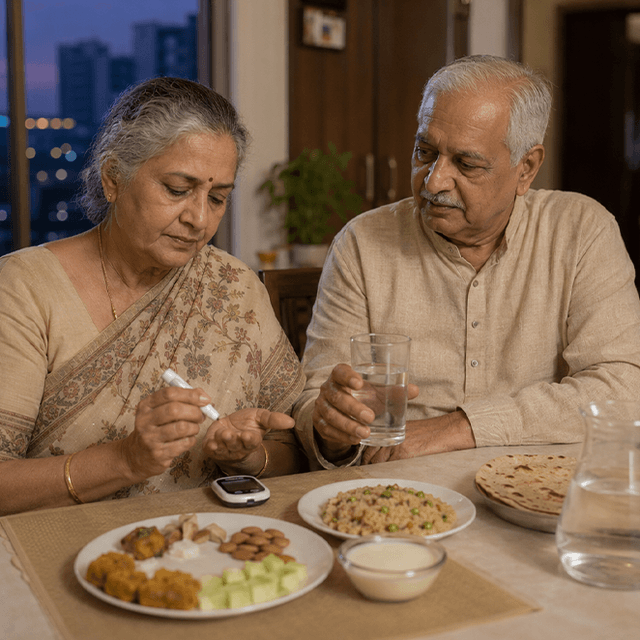
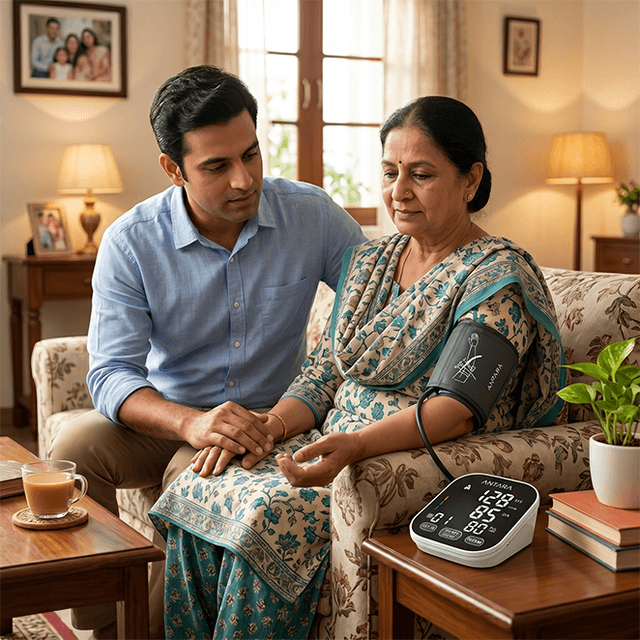
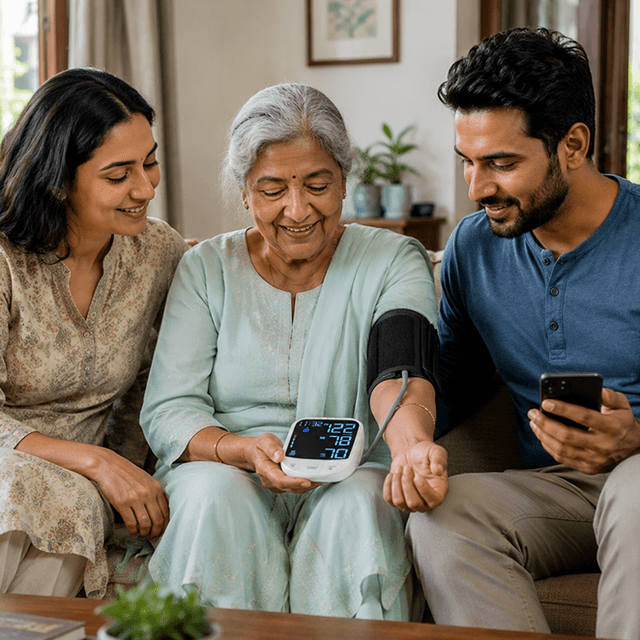
For families managing this across generations, checking their own numbers while also keeping an eye on ageing parents, having the right home BP monitoring device is more useful than most people expect.
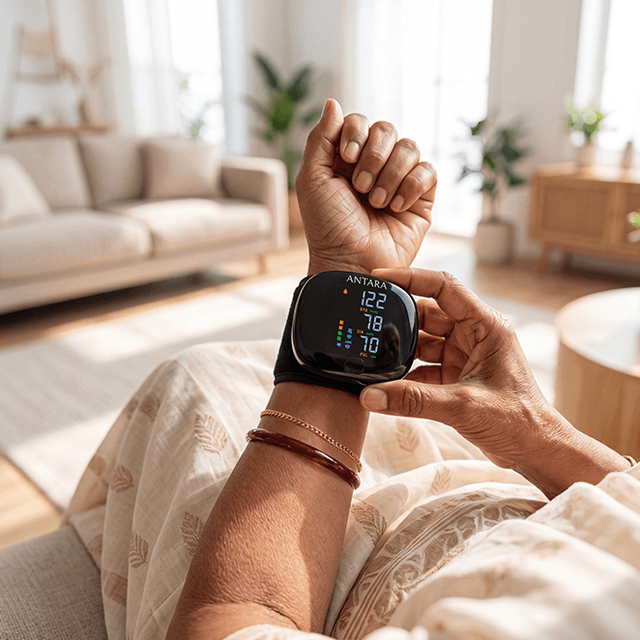
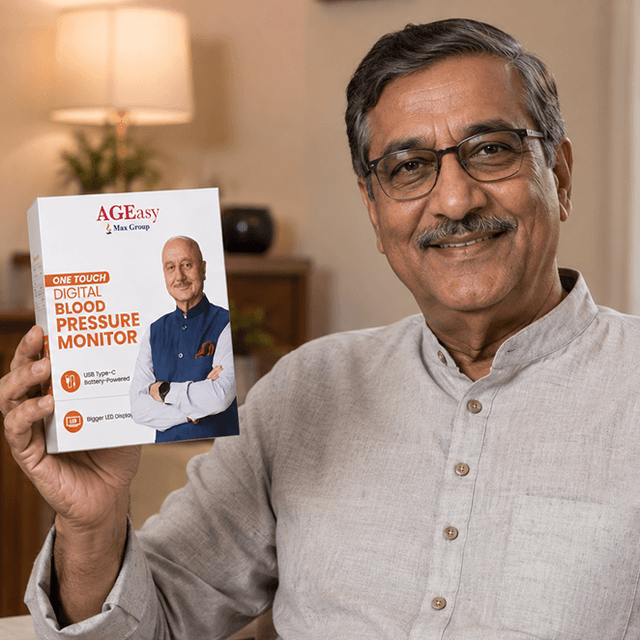
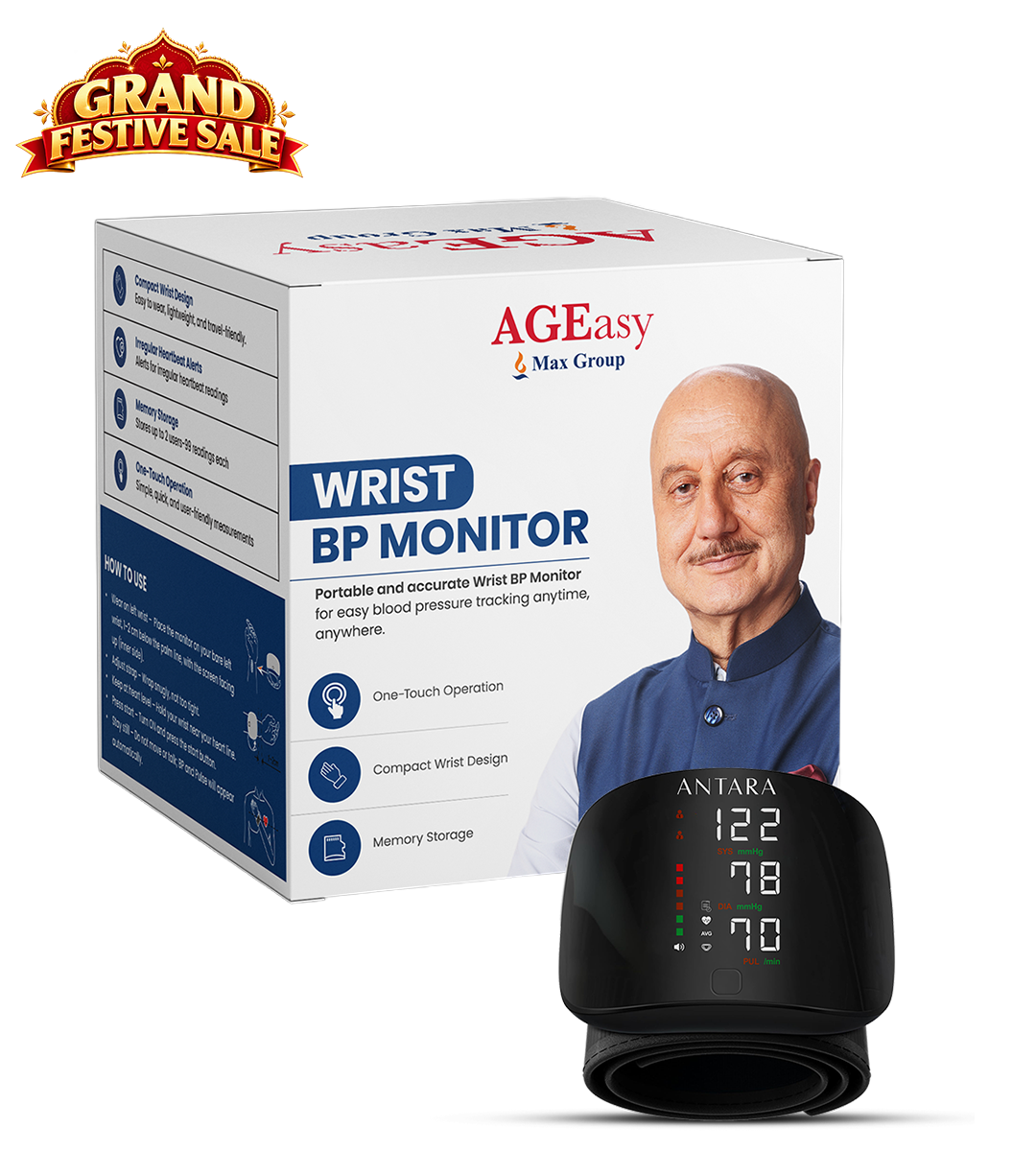
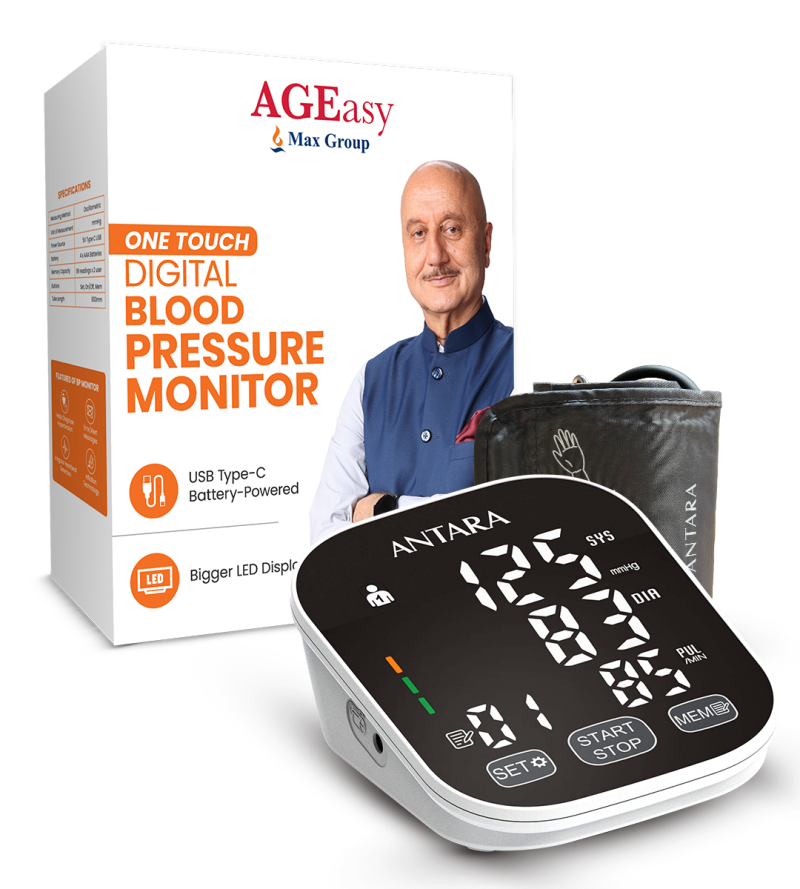
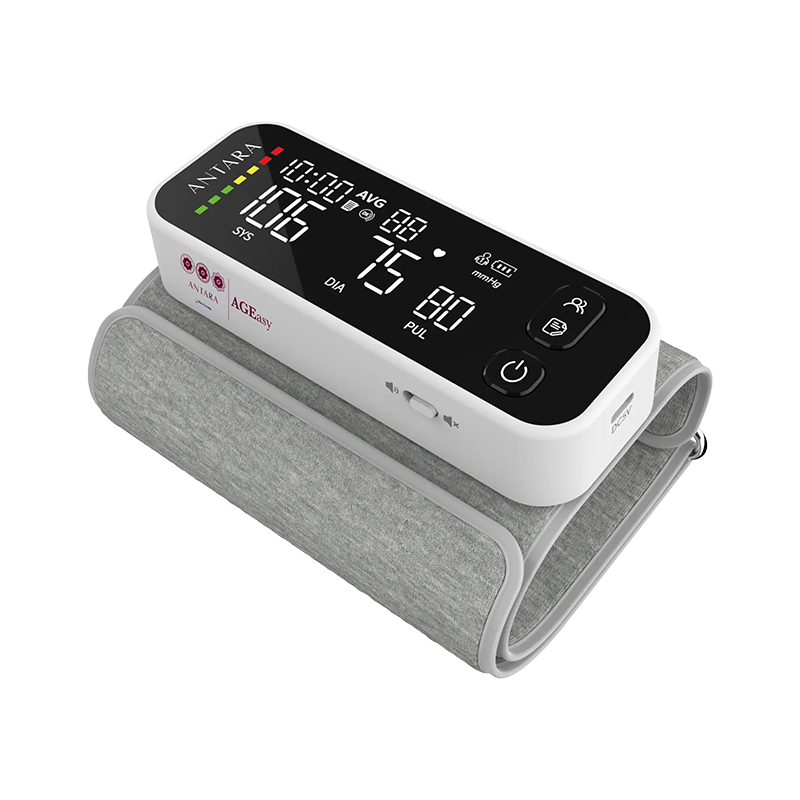
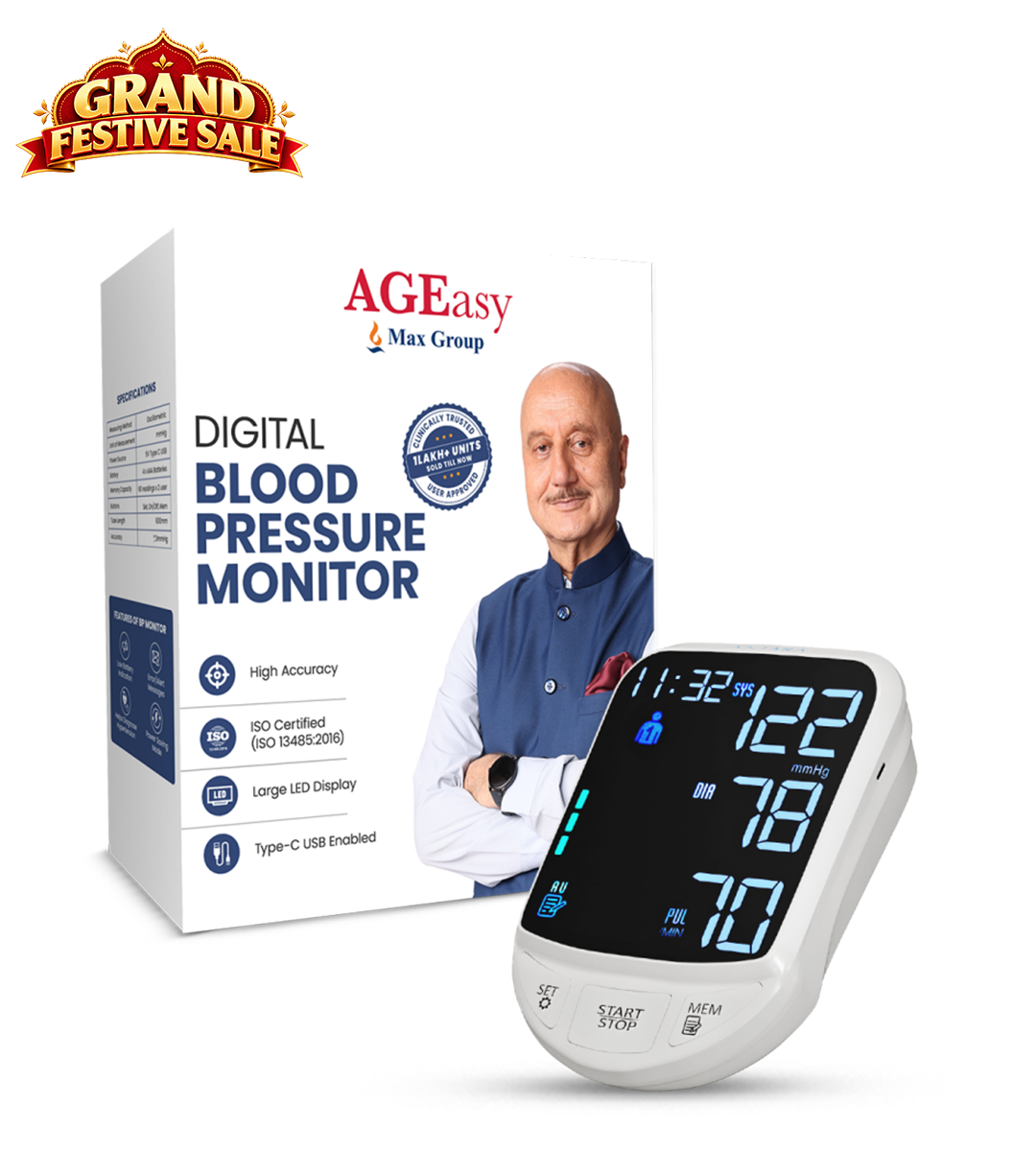
The AGEasy Arm BP Monitor, for example, offers a talking function that verbally reports blood pressure results. Elderly patients do not need assistance to conduct their measurements. For users who prefer portable devices, the AGEasy Wrist BP Monitor includes a built-in hypertension indicator and stores readings for two users (which is helpful for detecting trends versus a singular measurement). The One Touch Digital BP Monitor is suitable for families with several members since it has a large readable display that allows vision impaired individuals to view their blood pressure readings and monitor it.
While these devices do not replace an actual doctor, they create a simpler, more accessible process for checking blood pressure frequently.
When to Simply Monitor, When to Act, When to Call a Doctor
It is best to think of blood pressure control in three tiers.
Monitor: Blood pressure readings are within a range that is expected for people belonging to the same age group with slight variations. In this case, the best course of action would be to continue checking blood pressure two to three times a week and keep track of consistent upward movements.
Consult a doctor: If blood pressure readings are approaching the upper end of normal for the age group, or if there is a family history of hypertension, diabetes, or heart disease, look at lifestyle factors like sodium intake, exercise, sleep, and stress. Even without symptoms, consult a doctor.
Seek immediate care: If blood pressure readings exceed 180/120 mmHg, or if you have symptoms such as chest pain, shortness of breath, severe headaches, or vision changes, seek medical attention. This situation is a medical emergency and should not be monitored at home.
Building a system of habit and routine is the most important takeaway from this. Building a chart on your fridge is a great place to start. Even though these repeated blood pressure checks may not seem important, they are one of the most important things a family can do to manage blood pressure risk over the long haul.
Get to know your blood pressure readings, and do not just look at one reading for a course of action. It is the patterns that should be addressed.
This article is for general informational purposes and does not replace professional medical advice. Please consult a qualified doctor for any concerns about your blood pressure or overall health.