
How to Lower Blood Pressure Naturally After 60: What the Evidence Shows (and WhatsApp Myths)
Jul 15, 2026
Not all blood pressure remedies belong in your kitchen. Some should go straight to the family WhatsApp group, and nowhere else.
Drink this first thing in the morning. Avoid that after sundown. Mix these two ingredients together. An uncle swore by it. The advice never really stops, does it?
The reality is, the fact that a home remedy gets forwarded a hundred times means nothing. Just because something is repeated doesn't make it true.
There is an overwhelming amount of circulating tips that are not evidence-based to help manage blood pressure levels. It is important to understand what really helps your heart.
The best, most unexciting tips actually end up providing the best outcome. Move more. Eat smarter. Sleep better. Watch your numbers. There are no big reveals in that statement, but small changes made consistently over long periods of time usually outlast the tips that are meant to provide overnight change.
This guide is for people over 60. It is for people managing their blood pressure and helping a parent do the same. It is about natural strategies to help keep blood pressure levels down and myth-busting, evidence-based strategies.
Why Does Blood Pressure Behave Differently After 60?
With age, arteries lose their ability to stretch and contract. This is one important reason why systolic blood pressure (the top number) increases over time, even in patients who have never had a weight or lifestyle problem. This is not a personal failing, it's how our body works. However, it does mean that blood pressure after age 60 is even more of a concern, not less. Some things in medicine just get more concerning with age, and blood pressure and its complications should not go on the "wait and see" list.
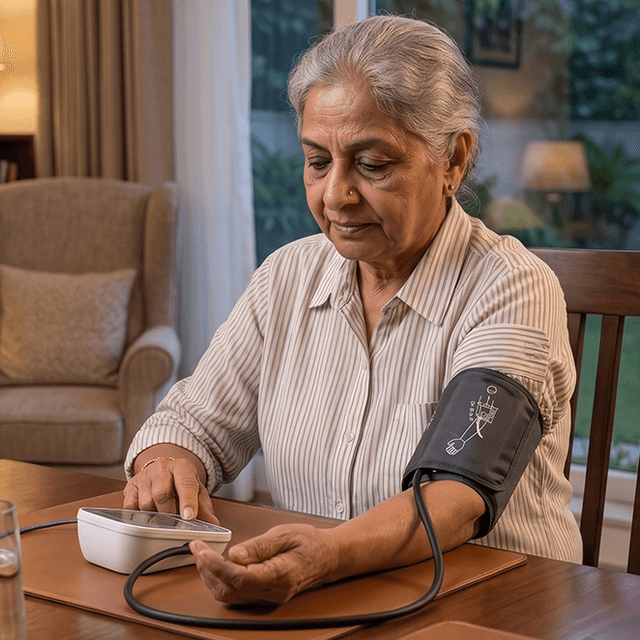
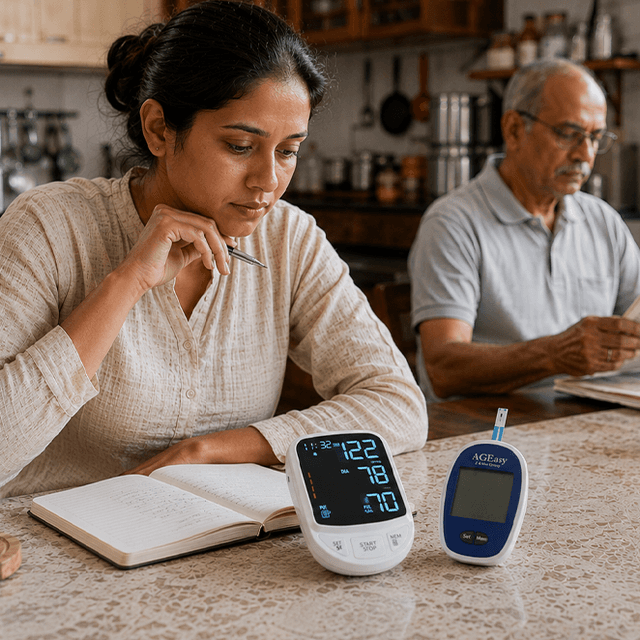
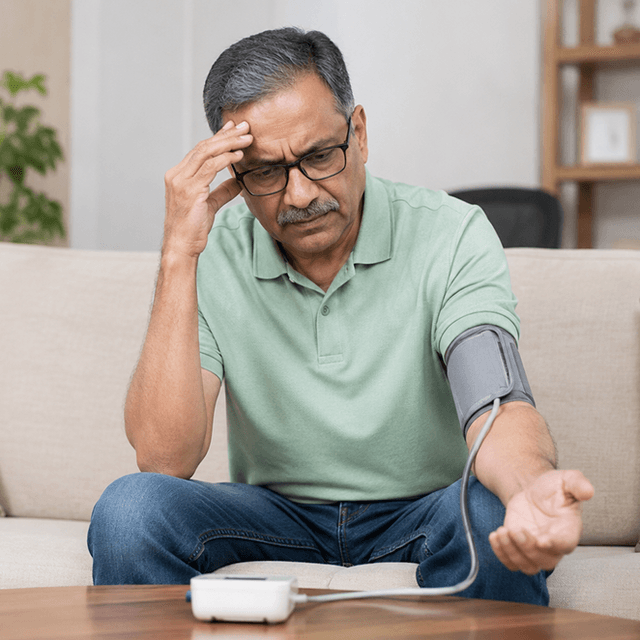
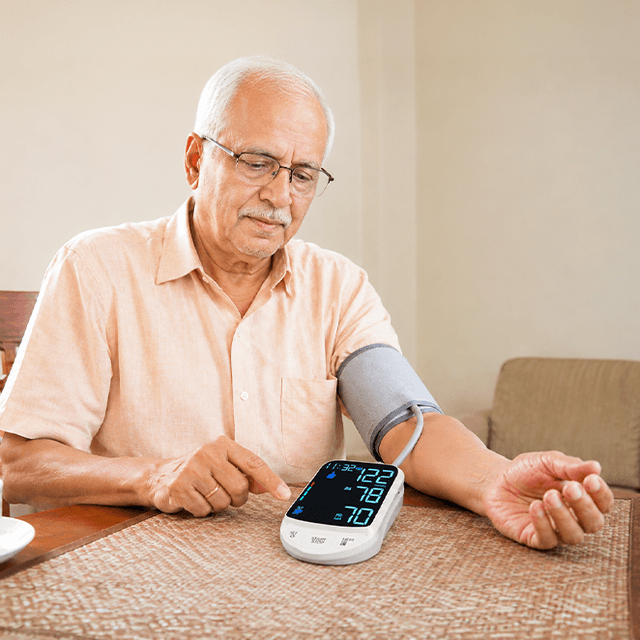
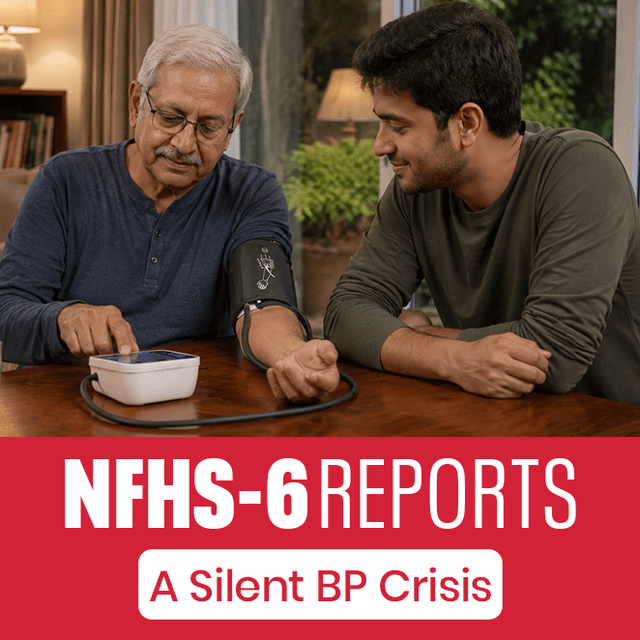
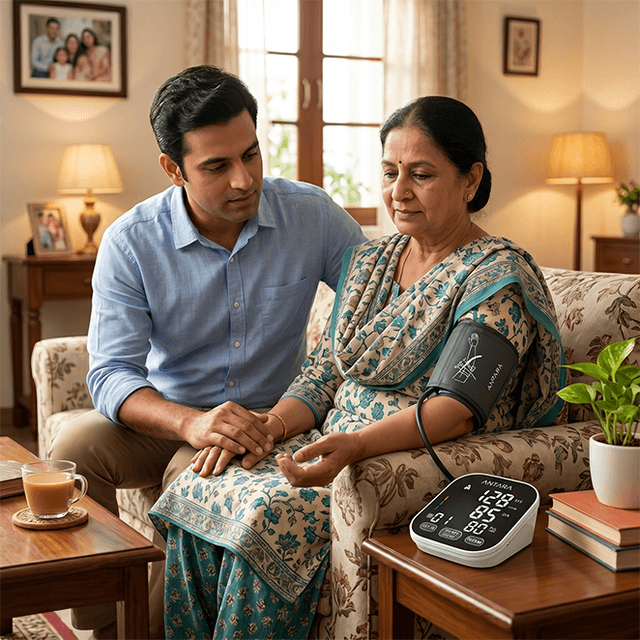
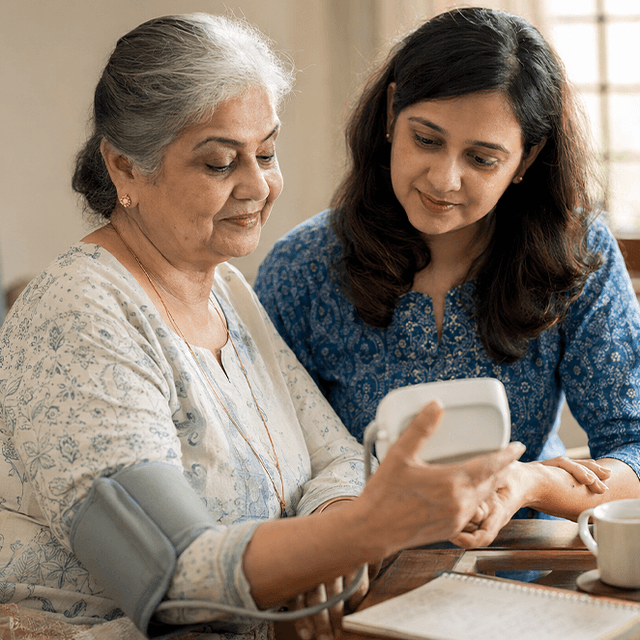
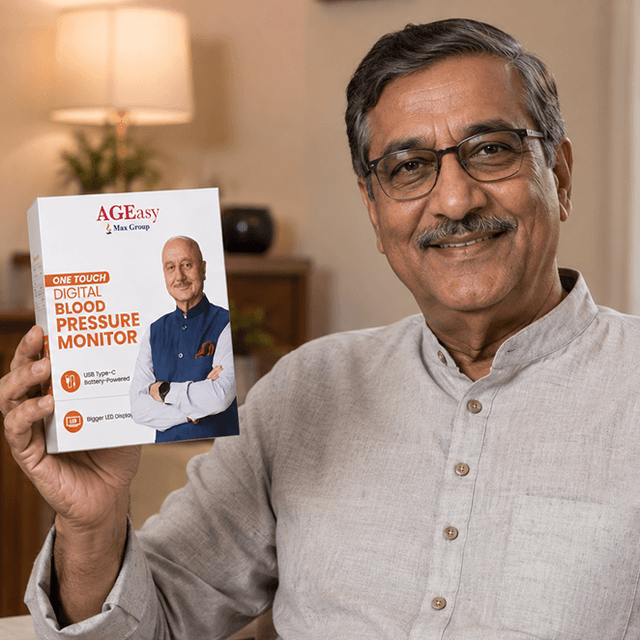
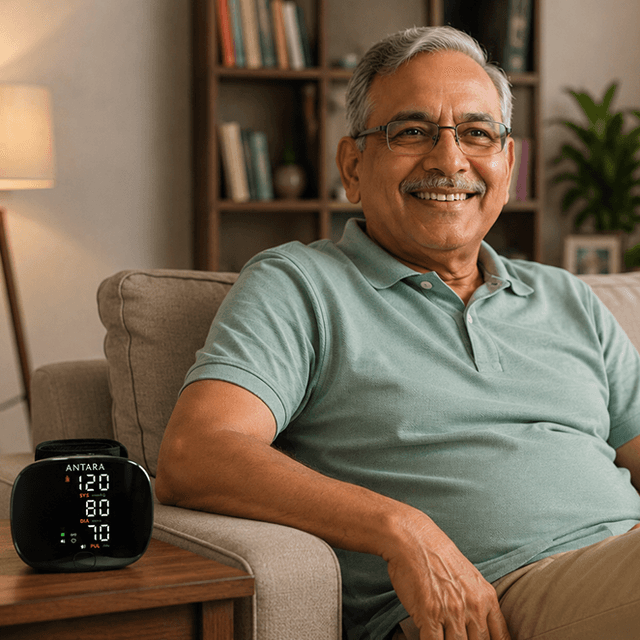
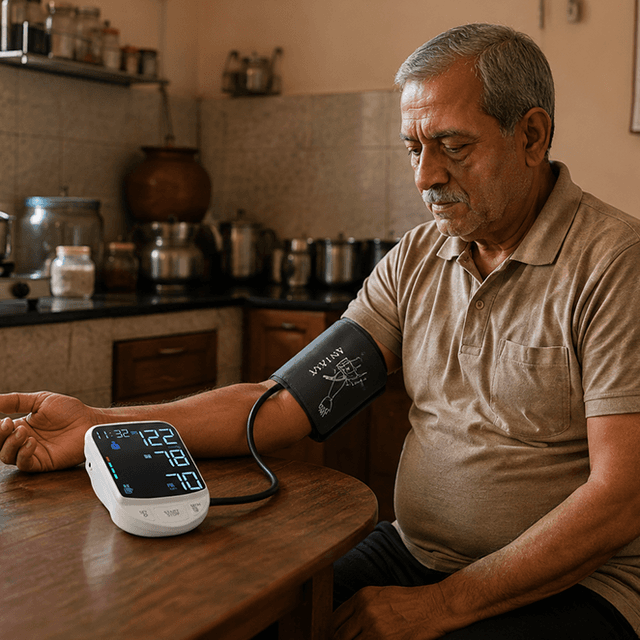
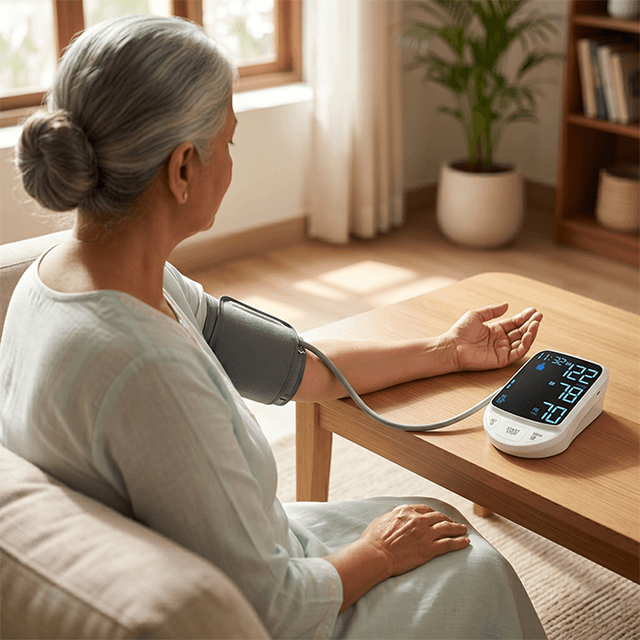
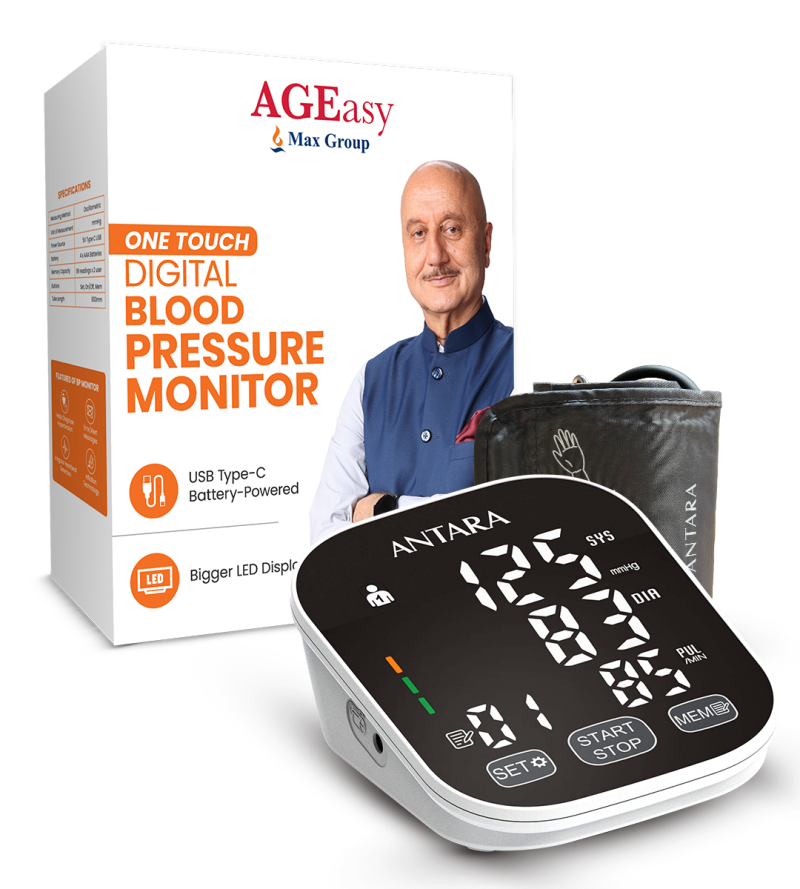
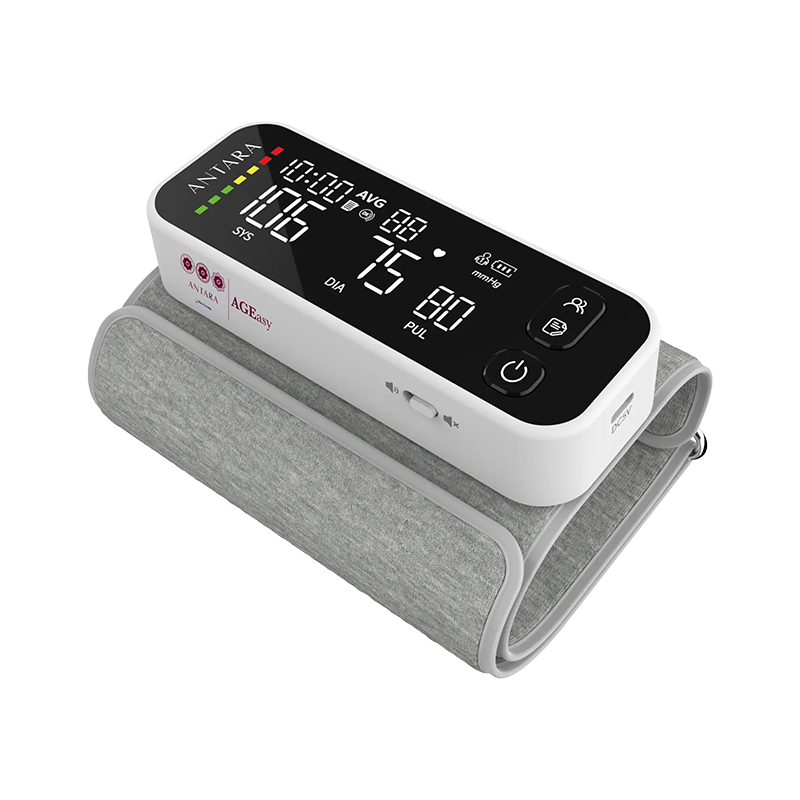
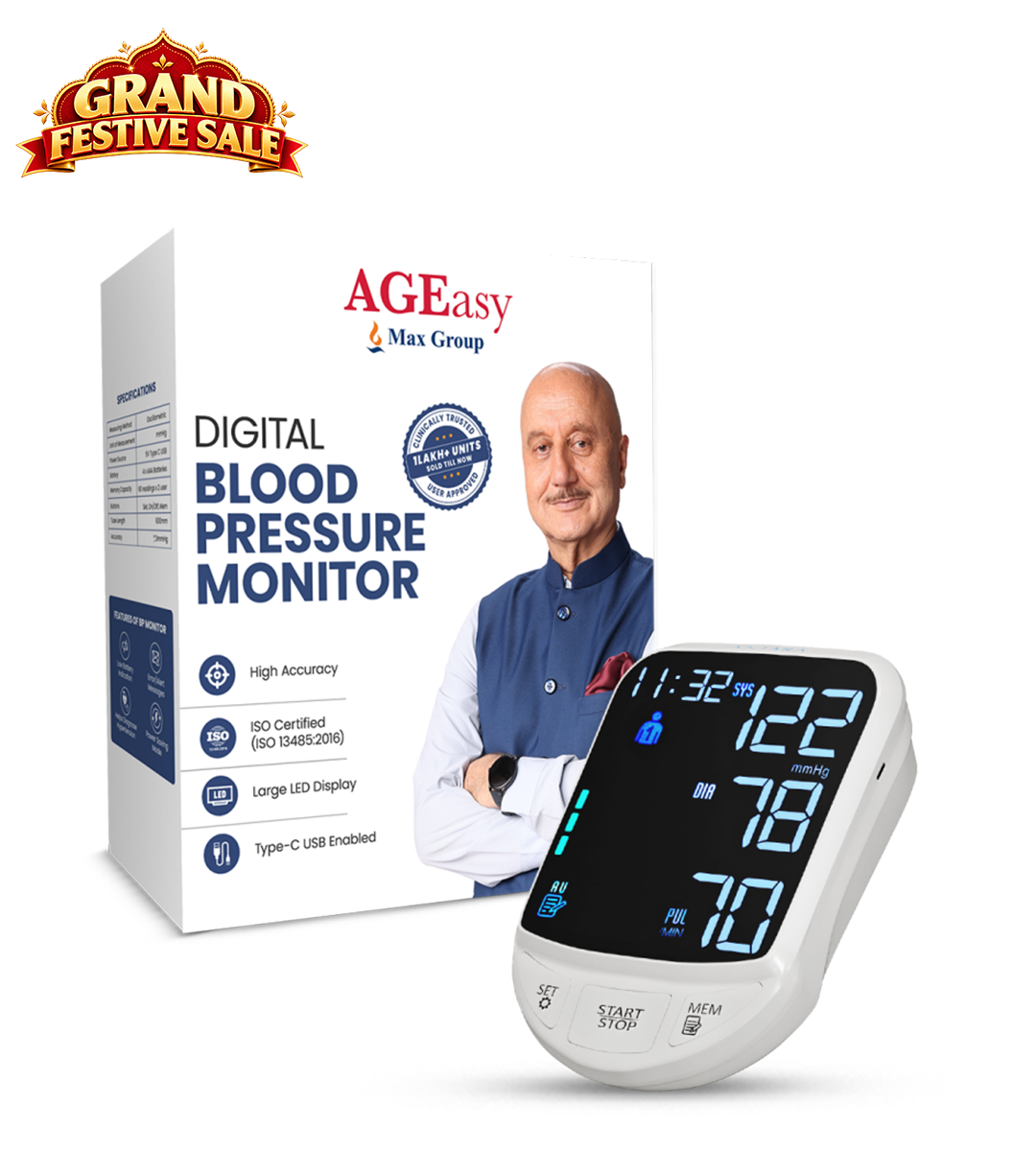
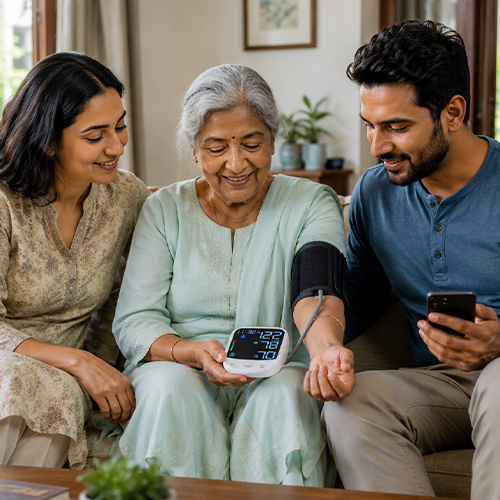
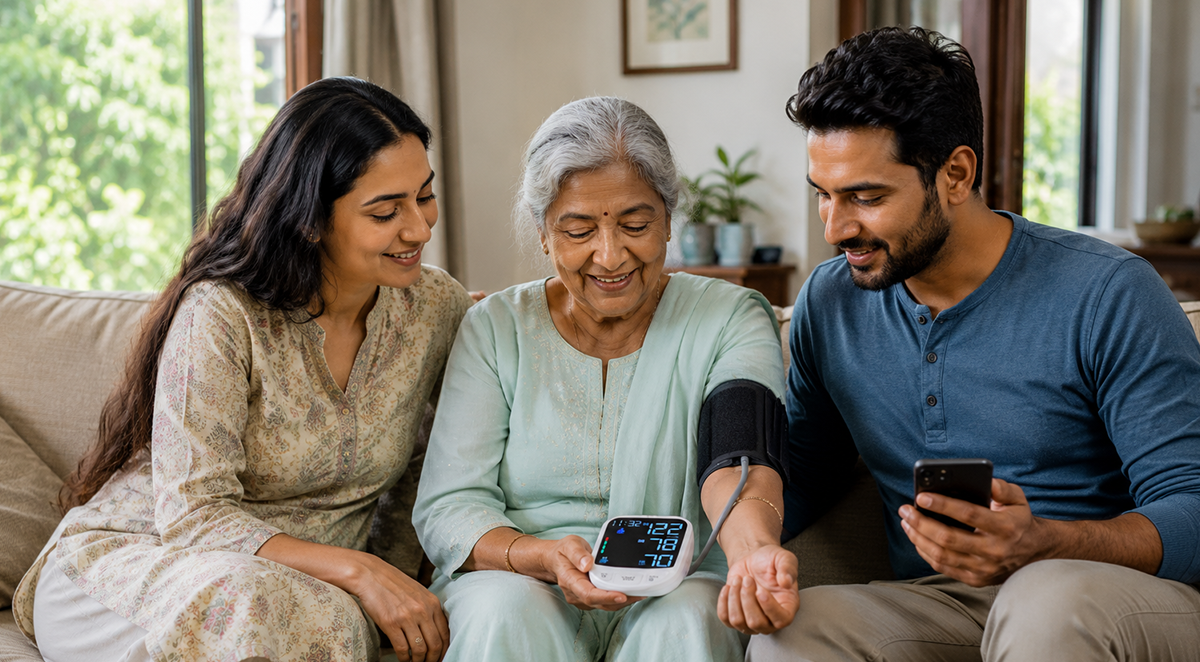
This age is also when consistent tracking of blood pressure starts becoming more important than just sporadic spot-checks at the clinic. If blood pressure is measured in the doctor's office during an appointment for some other reason, you might get a much different measurement the next day when you check it on your own without the added stress. Having a home blood pressure monitor (for example, the AGEasy Arm BP Monitor or the One Touch Digital BP Monitor) is one way to do this, as it can be placed on your kitchen counter, or beside your bed on your nightstand. This also makes it easier for you to measure blood pressure at the same time each day and make sure that you and your physician have a true representation of your blood pressure readings over time, and not just a single reading.
What Evidence Actually Supports Blood Pressure Control?
Just move a little more: Training for a marathon is not necessary. Studies have shown that even sedentary people who do mild-intensity exercise such as brisk walking, light cycling, swimming, or even organizing a house have significant improvements in their blood pressure (both systolic and diastolic). While the common goal for this is at least thirty minutes of exercise on most days, it is not necessary to do thirty minutes at one time. Three ten-minute walks are sufficient as well.
Reduce sodium while keeping taste: Dietary sodium contributes to hypertension, yet swapping your sodium-heavy packaged snacks, pickles, and papads for fresh foods seasoned with herbs, citrus, and spices can help with sodium retention while keeping taste.
Eat more potassium-rich foods: Foods such as bananas, beans, sweet potatoes, and spinach help the body manage sodium more effectively. This is one of the few pieces of dietary advice that tells you to truly eat more of something.
You must get enough sleep: Sleep apnea and poor sleeping patterns can lead to stubborn hypertension. If you're snoring, gasping, or experiencing daytime fatigue, you should not just power through it.
There is a direct relationship between blood pressure and alcohol consumption: Even moderate drinking can lead to higher blood pressure. The best advice is to cut back on drinking, even if it means not completely eliminating it.
Stress management has proven beneficial effects: There are modest effects on blood pressure from stress management practices, slow breathing, meditation, and relaxation. The effect of these practices is better if done daily for a few minutes.
Monitoring of Any Kind Is Classified as an Intervention
This step is often overlooked for the more "exciting" alternatives. Studies monitoring home blood pressure show that patients who actively engage in home monitoring tend to discover complications earlier, improve compliance with the treatment plan, and achieve overall better sustained results.
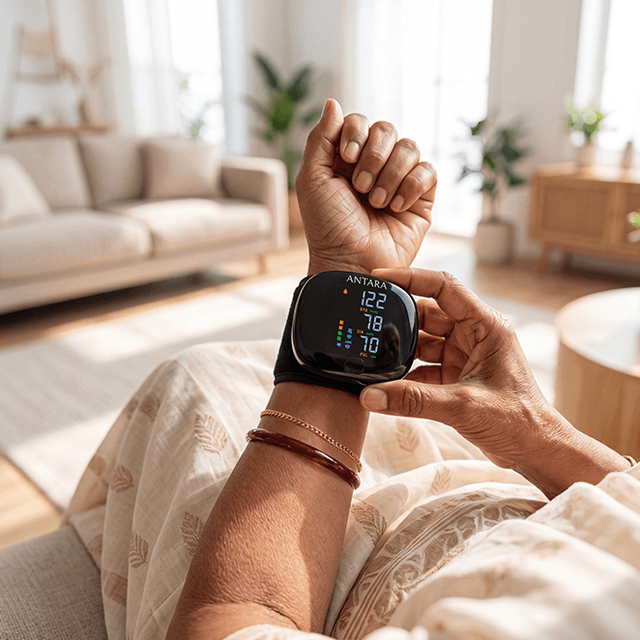
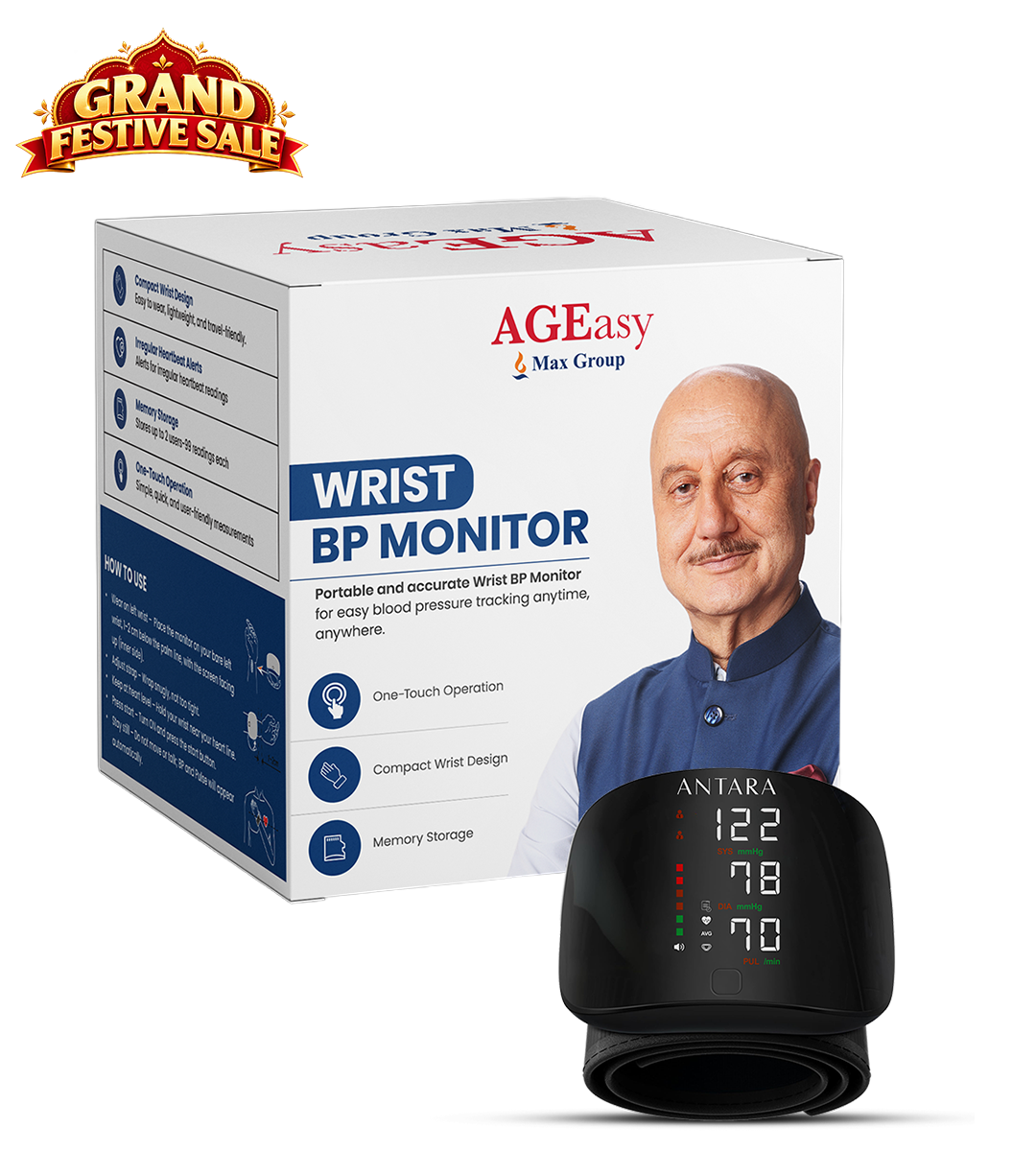
An example of a device that is designed specifically with home monitoring in mind is the AGEasy Wrist BP Monitor. It has an incredibly simple one-touch operation and a voice feature to guide you through the process of monitoring your blood pressure if you find small screens and complex settings to be frustrating. This will help turn monitoring from a chore into a five-minute habit.
What Is Mostly WhatsApp Wisdom
Here's what is not likely to be effective.
- "Drink X on an empty stomach and your BP will normalise": While some foods have been documented in small studies to have a very short-term effect on blood pressure (garlic, hibiscus tea, beetroot juice), they will not replace medications, lifestyle changes, or work as a "fix" on their own.
- Extremely strict fasting or detox diets: These can be especially dangerous for older people, especially if they are on blood pressure medication, as they can cause dangerous drops or spikes in blood pressure due to rapid changes in fluid and salt intake.
- "Natural" supplements that are unregulated and have no consistent dosing: These can interact with blood pressure medications, so anything beyond a normal diet should be discussed with your doctor before taking.
- A single good blood pressure reading means you are fine: Blood pressure is a very dynamic measure and varies throughout the day, so one low reading because you happened to go for a walk cannot compensate for a series of high readings. That is why it is the trend that matters, not any single measurement.
Creating a Manageable Schedule
None of this needs a complete overhaul. A realistic weekly schedule after 60 might be:
- A brief walk each morning
- A home-cooked meal each week with less sodium
- A daily blood pressure check at the same time every day, logged somewhere
- A nightly routine to unwind without screens, and some breathing exercises
- Instead of reacting to every number, a review of monthly readings with a doctor
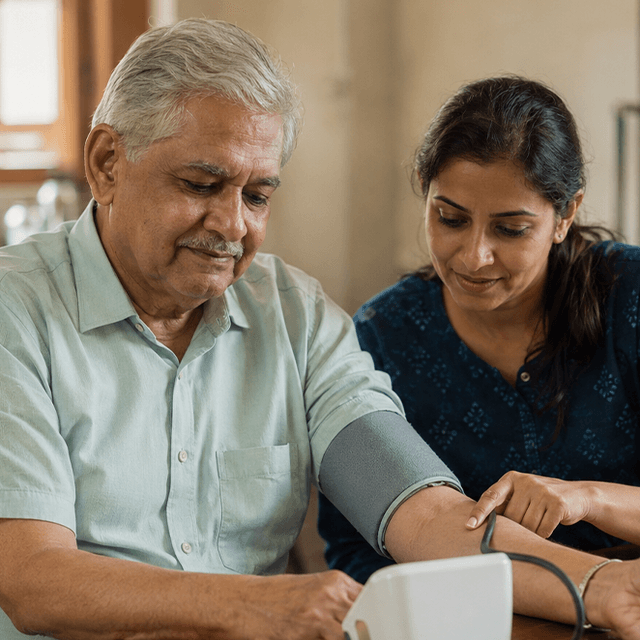
For families managing this for an ageing parent, the biggest lever is often just making monitoring easier. A device with a large display, one-touch operation, and audio readout, like those built into AGEasy's BP monitor range, removes the friction that causes people to stop checking. For households managing fall risk and cardiovascular health, the AGEasy Protec Smartwatch with SOS and fall detection provides an everyday safety solution without the burden of intensive health management.
Summary
If you want to reduce high blood pressure naturally and you're over 60, the solution is not to remain on the lookout for natural remedies. It's about forming a handful of healthy and, admittedly, boring habits that will eventually become second nature and will be much less of a hassle to you in the coming years.
It's possible you will continue to receive misleading health advice through WhatsApp and Facebook forwards. Some are harmless and a few are risky. Either way, none will be as effective as consistent walking, a healthier diet, proper rest, and regular blood pressure checks.