
What to Eat and Avoid for Acidity: An Indian Plate That Doesn't Trigger Reflux
Oct 21, 2026
What to Eat and Avoid for Acidity: An Indian Plate That Doesn't Trigger Reflux
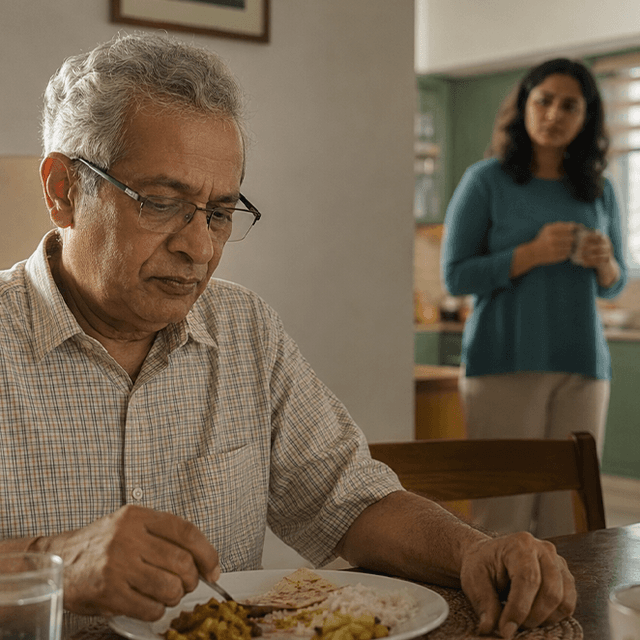
The burning sensation after meals can be distressing for your parent and may mean an underlying digestive issue. It often reflects a balance between the meal itself, personal digestion triggers, medications, and overall nutrition.
It is not always the case that the Indian meal must lose all spices and grains. More often than not, it is the size of the meal, the timing and the method of cooking, and perhaps a few personal triggers that require attention.
A good Indian meal has the potential to help ease digestive discomfort and taste great too. A better routine of meal preparation has the potential to support digestion without giving medicinal value to the meal. A great caregiving plan allows for your parent’s digestive preferences and the foods your parent finds easier to tolerate.
Acidity and Reflux
The term acidity refers to the burning sensation in the upper abdomen/chest that is accompanied by sour burps, bloating, and an unpleasant taste in the mouth. Reflux, on the other hand, refers to the movement of stomach contents in the upward direction to the food pipe. Various reasons such as medicines, a physically inactive lifestyle, constipation, dental issues, and eating close to bedtime tend to impact older adults the most.
Each individual has distinct food triggers. A tomato-based curry may cause symptoms in one person, while another person may digest this curry without any problem. What you are required to do is maintain a food diary and a symptom diary for a week or two. You will need to include details such as the meal, the size of the meal, the time you ate the meal, the symptoms that you experienced, the medicines that you took, and the time that you went to bed. The diary will show you patterns that will help you determine what foods to eliminate from your parent’s diet without removing any foods that are important from your parent’s diet.
Build a Reflux-Friendly Indian Meal
You don't have to resort to bland dishes or expensive meals for a reflux-friendly meal. Moderation is key. Pick your carbohydrates carefully, go for smaller portions of meals, cook gently, and avoid large back-to-back meals.
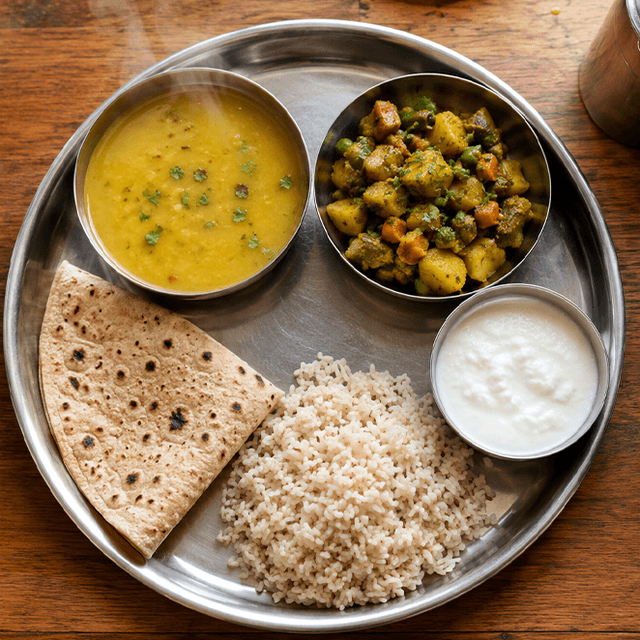
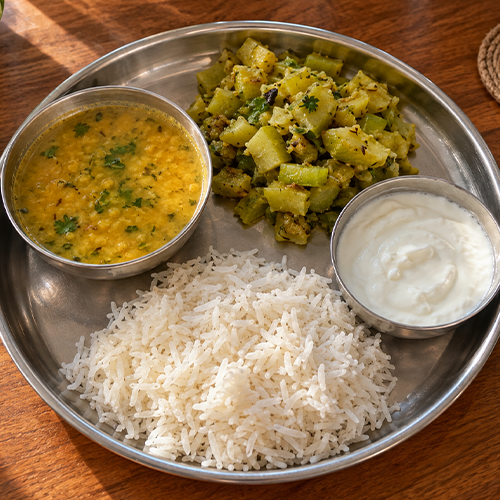
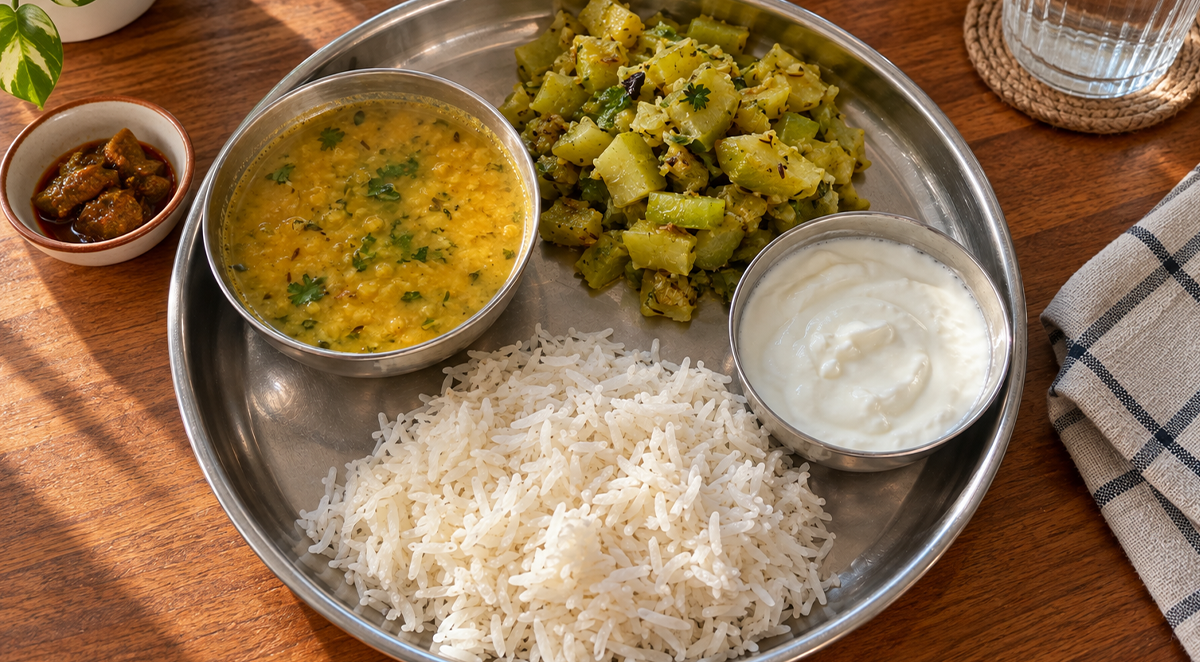
Your best options here are soft-textured carbs like rice, dalia, oats, phulka, and poha. Soft-textured millets are good options too. While those fried rice dishes are delicious, and the aroma from these can be a tease for folks suffering from acidity, still try to stick to steamed basmati rice with cooked vegetables and dal to keep it digestion-friendly.
The best options here are small portions during flare-ups of symptoms. Although khichdi with limited spices, oil, and vegetables can be a go-to meal, try to stick to the dietary recommendations from their dietitian if your parent has other conditions like diabetes.
Other Protein Options
Boiled and steamed moong dal, masoor dal, soft paneer, curd, eggs, fish, and chicken without skin would be some good protein sources. Again, stick to the limit with fatty proteins.
Some folks feel bloated with large portions of dal, chana, rajma, and beans. So again, be cautious about the serving and monitor your symptoms.
You can add some cooked spinach or beans. Starch-based veggies like pumpkin, lauki, tori, and carrot would be good options with the meal. The rest should be starch-free, like spinach.
Raw salads contain a lot of acid and, therefore, do not help when dealing with indigestion or bloating. Start with some cooked vegetables. You can try some raw cucumber or carrot if your parent feels comfortable.
Be Careful When Choosing Fruit
Banana, pear, melon, apple, and even some pears generally work well in a meal. Fruit should be eaten as a separate snack and not as a large side serving after dinner. Citrus fruits such as oranges, lemons, and even some grapefruits can all cause symptoms, so be mindful.
Low-Fat Dairy Is Fine
If your parent tolerates it, add a bit of low-fat curd or buttermilk to their meals, especially during lunch. It should be eaten plain. Milk, cream, paneer, and milkshakes should be avoided. Lactose intolerance may also worsen symptoms, so pay attention to how your parent feels.
Limit These Foods
Spicy, Oily Foods
Fried samosas, pakoras, puris, bhatura, and kachoris all contain a lot of fat. Replace these with steamed dhokla, poha, or even a small bowl of dalia.
Tomatoes and Sour Foods
Tomato, tamarind, vinegar, lemons, and other sour foods cause reflux. These should be avoided during a flare-up of symptoms. If they are tolerated, some curry leaves, cumin, coriander, and fennel may be added along with a pinch of turmeric.
Tea, Coffee, and Carbonated Drinks
Symptoms can be worsened by tea, coffee, cola, other cold drinks, and energy drinks. Caffeine disrupts sleep, which makes managing symptoms of reflux and other digestive complaints more difficult. Consider offering water, warm water, or non-caffeinated beverages within your parents’ permitted range of choices for their health.
Chocolate, Mint, and Rich Desserts
Some individuals experience an increase in cases of acid reflux as a result of chocolate and mint, which relax the valve that is meant to direct food from the stomach into the digestive system. Rich desserts, cream, and chocolate-based desserts contain fat and sugar. Take small servings and avoid a dessert that is close to bedtime.
Large Portions and Late Dinners
A large meal stretches the stomach opening and worsens acid reflux. It is better to have smaller meals at frequent intervals. Eat slowly and chew food properly. You should leave a gap of at least 2 to 3 hours before bed after a meal. If your parent has diabetes or any other condition that requires them to eat at night, consult their doctor on the best course of action.
Simple Daily Habits for Older Adults
Food choice and daily routines are complementary. Encourage your parent to remain seated during meals and for at least an hour after. Regular movement is best supported by short post-lunch/dinner walks. Keep clothing around the midsection from being too tight, as it may restrict movement.
Nighttime reflux calls for raising the head of the bed. However, extra pillows under the head cause the body to flex at the waist and provide little to no support. Consult a doctor for the best advice if your parent has any restrictive condition or recent surgery.
Review medications with a clinician or pharmacist. Some medications can aggravate stomach pain or reflux. Do not discontinue or change any treatment without medical advice. Contact your clinic for advice regarding your parent if they use pain medications, blood thinners, diabetes medications, or multiple daily medications.
Where AGEasy Acidity Calm Fits
AGEasy Acidity Calm, is a liquid nutraceutical for seniors and adults who need support for acidity and reflux on a daily basis.
Treat it as an adjuvant wellness product and not as a substitute for a medical assessment, treatment, or reflux diet. Consult your parent’s prescriber and/or pharmacist, especially if your parent has multiple medications, chronic kidney and liver disease, dysphagia, or a restricted diet.
When to Seek Medical Care
Arrange a medical assessment if your parent experiences acidity that is persistent, occurs frequently, or returns despite treatment, or acidity that occurs at night or during the day and disturbs your parent. Also, arrange a medical assessment if your parent experiences chest pressure, chest discomfort, difficulty swallowing, or painful swallowing.
Get medical care if your parent has fainting spells; blood in vomit; unexplained weight loss; loss of appetite; black stools; repeated vomiting; chest pressure or discomfort; or sweating.
Chest discomfort in any adult older than 55 years old requires special attention. A burning sensation in the chest is not always related to acidity, especially if there is discomfort in the jaw, arm, back, or shoulder.
A Simple Example of an Indian Meal Plan
Breakfast: Soft poha (beaten rice) or oats with 1 small sliced banana, if tolerated.
Snack: One papaya or one pear with a glass of water.
Lunch: Rice / 2 small phulkas, moong dal, lauki / pumpkin, and plain curd, if tolerated.
Evening: Dalia or a small portion of roasted makhana, or as recommended by the care team.
Dinner: Moong dal khichdi, cooked vegetables, served 2 to 3 hours before bed.
Adjust diet according to appetite, and adhere to the advice of the diabetic and kidney care team and the medical advice you've received. The goal is not a list of forbidden foods. The goal is to provide a calm and nourishing daily routine based on your parent's personal preferences and symptoms.
Note
This article does not provide medical advice and should not be used in place of medical advice, diagnosis, or treatment. Symptoms of heartburn and reflux vary from person to person. If you experience severe, persistent, or unusual symptoms, or if you wish to change any of your medications or begin taking any supplements, consult your doctor.