
Bloating After Every Meal? What's Actually Going On
Jul 13, 2026
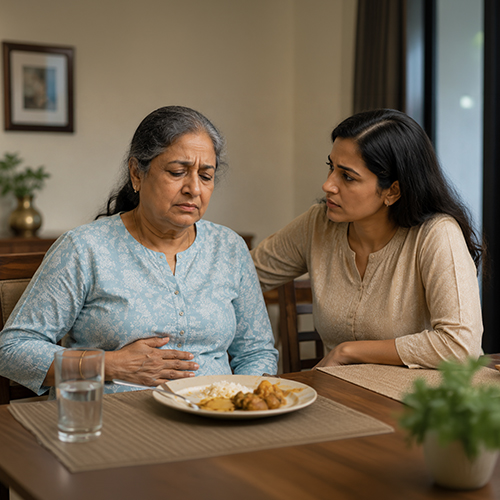
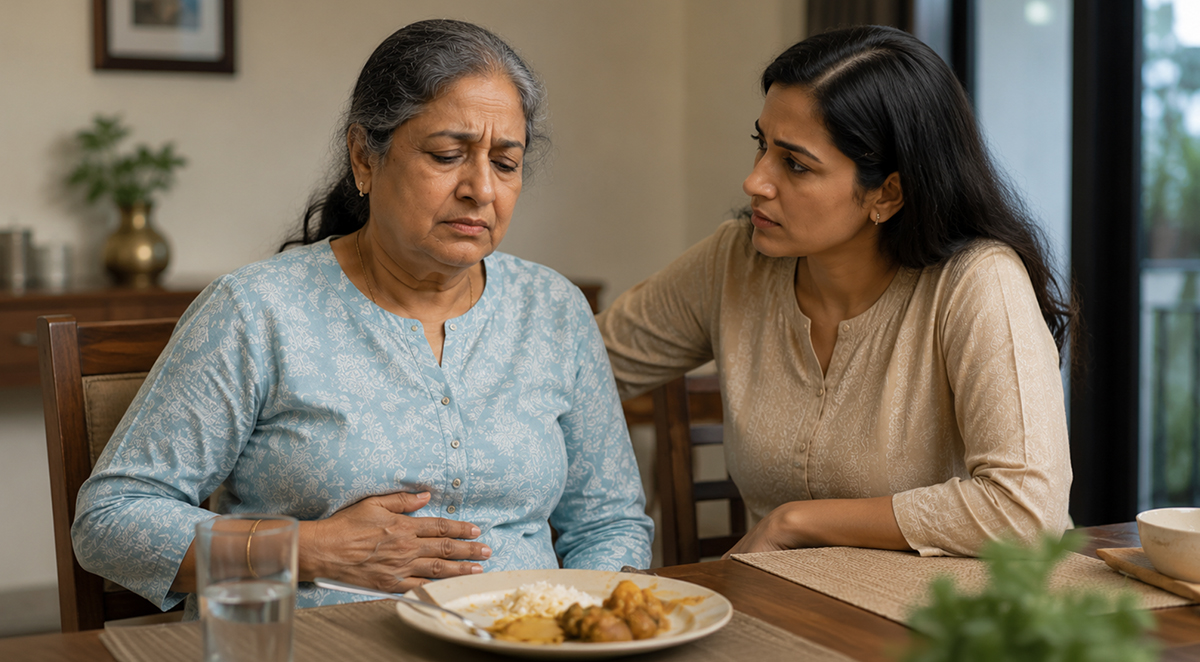
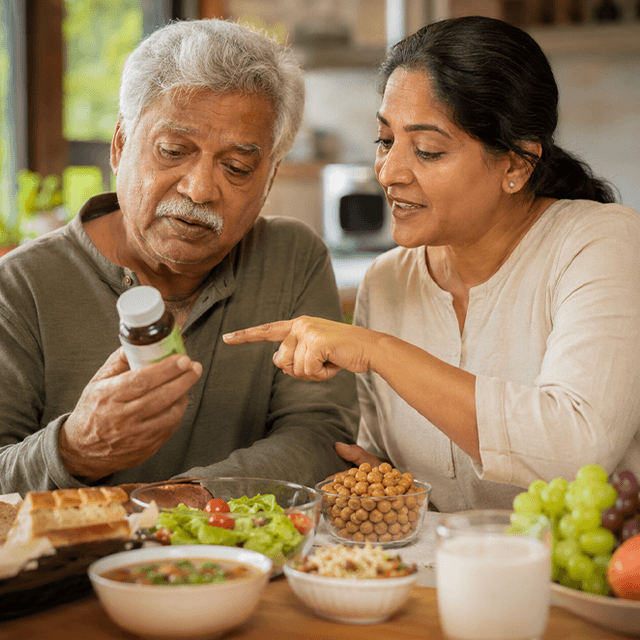
Your parent might be eating less for a reason that isn't age related. It could be due to the discomfort they feel after each meal.
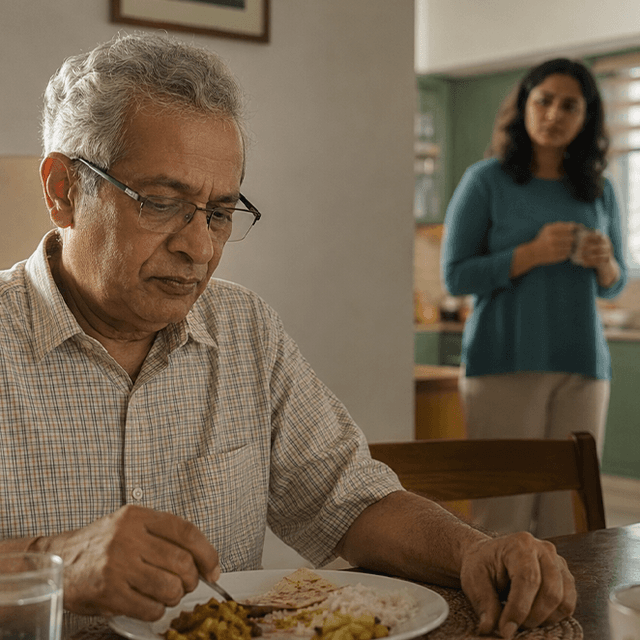
The change is gradual. They may stop having second helpings. Food will be left in the container. They will start to make complaints about being too full all the time. Eating will become something that they tolerate rather than something they enjoy.
Many families assume bloating after meals is a normal part of ageing. It is not.
Watch for signs like bloating after every meal, constant burping or gas, a tight stomach long after eating, and avoiding favorite foods because they do not sit well.
These symptoms are issues with digestion that affect how the body processes food.
Ignoring the pattern leads to parents eating less than what they need, which will cause them to lose weight and strength over time. People often accept discomfort as a normal part of life.
Once you understand the cause, you can identify the behaviors that are making bloating worse. You can also help your parent improve their digestion, alleviate some symptoms, and help them enjoy their meals again.
This guide covers common causes of bloating after meals in older adults, warning signs families should not ignore, and steps to improve comfort, nutrition, and digestive health.
Why Digestion Slows Down With Age
The procedure of digestion evolves because of the body's age. Muscles of the stomach begin to work more slowly, which means that food is retained longer, and post-digestion food moves more slowly to the intestine.
Additionally, the production of digestive enzymes decreases, making it increasingly difficult to break down proteins and fats. Furthermore, a shift occurs in the gut microbiome, which is a change in the good bacteria that helps process food and is usually weakened.
This is why a digestive system is working with less resources. It does not mean that it is because of an individual's willpower or appetite. It means that it is the system that does not function fully.
Common Causes of Bloating After Meals
The feeling of bloating many older adults experience after eating can be attributed to many reasons, which often work simultaneously.
- Motility of the gut is slower — When the process of digestion is prolonged, food becomes fermented, and gas production occurs. This is the reason for the tightness many older adults experience when describing the problem.
- There is a low production of acids in the stomach — Many people believe that stomach bloating is caused by too much acid; in fact, the opposite is true. Food that is not broken down sits in the stomach, which produces gas and discomfort.
- Side Effects of Medication — Common medications for depression, blood pressure, or pain have the effects of slowing digestion. If your parent has started taking a new medication at the same time that he/she started experiencing bloating, inform the doctor of the parent.
- There is a reduced production of digestive enzymes — Age slows the production of enzymes in the pancreas, which makes it more difficult to break down sugars, proteins, and fats.
- Eating habits — Eating too quickly, talking while eating, and eating large quantities are habits that place additional stress on the already slower digestive system.
- Medical conditions — Conditions such as acid reflux, irritable bowel syndrome, and food intolerances are common as we age, and tend to show up first as bloating.
Warning Signs Families Should Not Ignore
It is common to experience bloating after eating a big meal, but if the bloating occurs after every meal then there is a problem.
If your parent is experiencing persistent bloating for an extended period of time, unexplained weight loss, blood in stool, difficulty swallowing, severe or worsening pain in the abdomen, and bloating that leads to vomiting, these are signs that they need to see a doctor.
While it's common and most of the time manageable, when bloating is along with these signs, it is more of a concern that should get addressed by a doctor rather than getting a home remedy.
Simple Things That Can Help with Bloating After Meals
Making small changes can greatly improve how comfortable your parents are after eating.
- Eating smaller meals more frequently. Instead of 3 big meals, try to eat 5 or 6 smaller meals throughout the day to lessen the stress on the digestive system.
- Eating at a slower pace. Eating fast puts more air into the digestive system which will lead to more gas and bloating. It's a good idea to encourage your parent to eat at a slower pace without distractions.
- It is important to sit upright both while eating and after eating. Lying down too soon after a meal will make digestion take longer and increase the chances of stomach acid flowing back into the esophagus. Try to encourage your parents to stay upright for thirty minutes after eating. It might also help to use a wedge pillow. Wedge pillows allow people to recline while keeping their upper bodies elevated. AGEasy wedge pillows offer this position as well as reduce the backward flow of stomach acid that causes increased bloating and heartburn.
- Another thing to consider is analyzing your parent's diet for foods that may be exacerbating their bloating. These "trigger foods" include soda, fried foods, dairy, and cruciferous foods, such as cabbage and broccoli. While this may seem easy, it often requires a two-week food diary to determine.
- Additional fluids should be consumed as well. Low fluid intake also causes digestion and bloating problems to worsen and increases constipation. Digestion is smoother when water is consumed between meals, and not large amounts during meals.
- Gentle movement is also important. While this may sound trivial, a short walk after eating can significantly improve digestion and relieve the feeling of pressure that is caused by bloating. AGEasy's Bloat Calm is especially beneficial for those struggling with excessive bloating as it contains digestible enzymes that help break down complex carbohydrates, proteins, and fats. This, in turn, helps relieve bloating.
- Acidity Calm is also recommended for those who suffer from excess stomach acid as it provides relief without the negative side effects often found in antacids. Another product that supports and increases gut health is the AGEasy Gut Balance, which is a high-quality pre and probiotic. Because of its high-quality ingredients, it can provide support for several days of gut imbalances and even chronic digestive issues. This product contains gentle digestive aids that help your body adjust to regular use. Since this is a product to help support your body, it is most effective when used in combination with the daily habits listed.
When to Get Medical Help
If you have made adjustments to your daily routine and diet, and have tried to manage bloating for more than two weeks, it is recommended that you see a physician. It is possible that the bloating is caused by an issue beyond the ability to manage it yourself, such as a gallbladder problem, ulcers, or other digestive intolerances that will need to be tested.
If your parents are feeling bloated after meals, it is possible that their medication for other health concerns is contributing, and a physician may be able to help with this.
Taking your parent's discomfort seriously can help to alleviate the concerns that come with mealtime. This can be especially true when medical professionals combine their care with the support of quality nutritional science.