
Antibiotics and Gut Damage in Older Adults: How to Rebuild Flora After a Course
Oct 21, 2026
Antibiotics and Gut Damage in Older Adults: How to Rebuild Flora After a Course
One course of antibiotics can ruin the digestive health of an elderly parent for several weeks. Older parents experience digestive issues, such as watery stools, abdominal bloating, poor appetite, and weakness, long after the infection has resolved. This is because antibiotics kill the bad bacteria, but also the good bacteria that normally inhabit the digestive system.
The gut does a lot more than just break down food. It is responsible for the formation and evacuation of stool, as well as the optimal absorption of nutrients. Included in these functions is the defense of the body against a variety of microorganisms that cause harm. The challenge is differentiating the symptoms of a short recovery from the symptoms that warrant medical intervention.
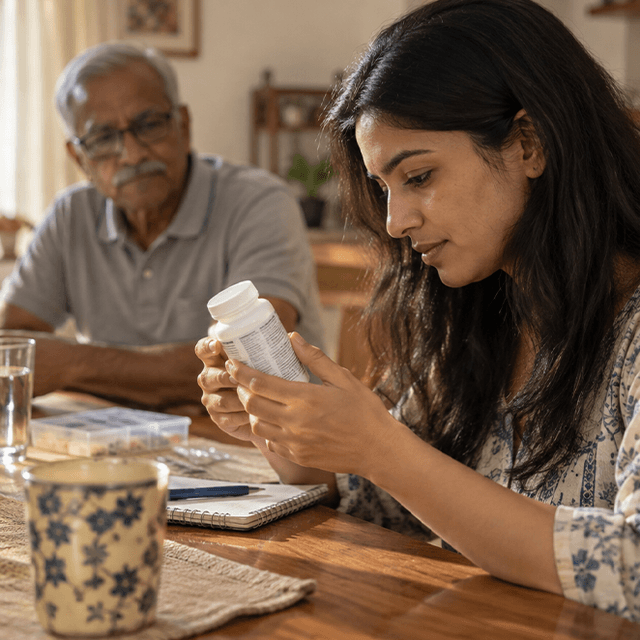
After taking antibiotics, a parent needs a gentle recovery plan. This includes careful timing in the administration of food, fluids, and other medications. A supplement taken to aid recovery needs the same care and attention as other health products.
This article is designed to help caregivers restore the gut while they monitor for antibiotic-associated diarrhea and other complications.
What antibiotics do to the gut
Of course antibiotics target bacteria causing infection; however, during treatment, they also change the balance of microbes inhabiting the digestive system. While this imbalance is generally reversible, the time to recover may differ on an individual basis. In the case of an older adult, the recovery may depend on the antibiotic, the length of treatment, the presence of other illnesses, hospital stays, other medications, age, and most of all diet.
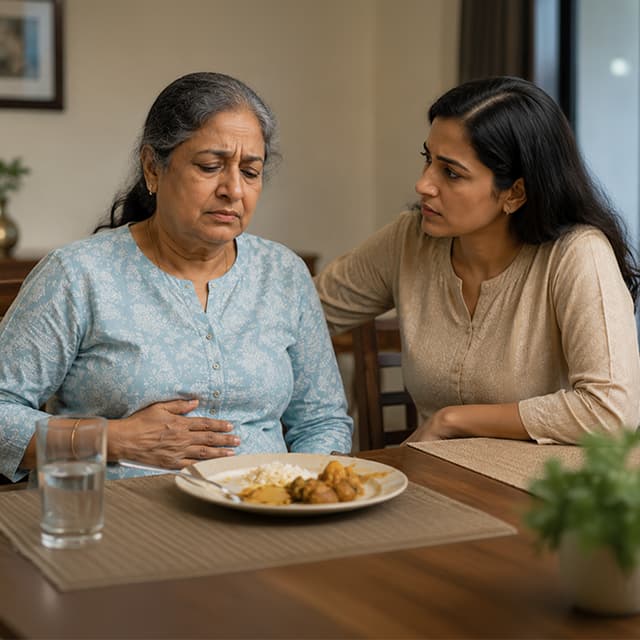
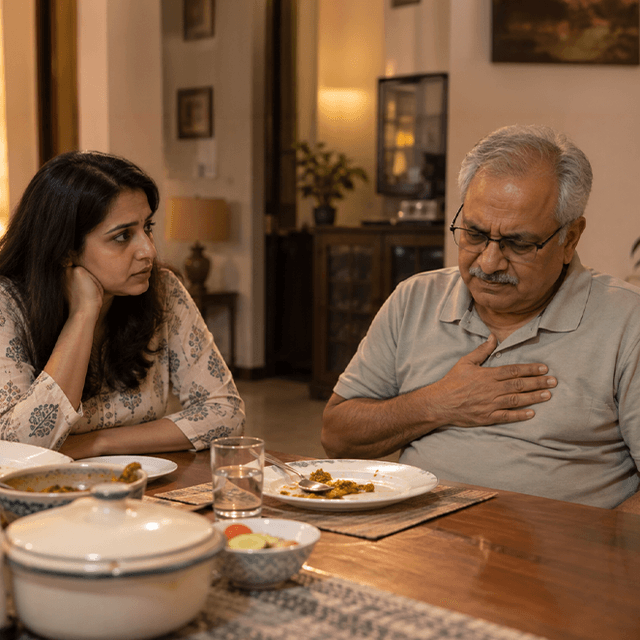
Most people experience some changes to the frequency of their bowel movements and gastrointestinal symptoms following antibiotic treatment. These changes may include softer bowel movements, mild diarrhea, abdominal pain, flatulence, and a lack of appetite. As a general rule, these symptoms subside on their own and do not require any intervention. For an older adult, diarrhea is a bigger issue because it can lead to dehydration, with resulting greater weakness and increased risk for falling. This would also disrupt the patient's normal routine for taking his/her medication.
It is not advisable to stop taking antibiotics on your own so if you feel better you should inform your health care provider as stopping treatment on your own may result in the continued growth of antibiotic resistant bacteria. You should contact your health care provider to report the symptoms while taking the antibiotic including the number of loose stools, stool color, pain, and the presence of vomiting or fever. You should also report the fluids taken and sick contact.
Go to the emergency room if you experience any of the following symptoms: black or bloody stool, severe abdominal pain, vomiting, increased temperature, confusion, fainting, excessive sleeping, signs of dehydration, etc., even if you have diarrhea from antibiotics.
One of the most obvious signs of dehydration is a dry mouth, but people feel dizzy, have a fast heartbeat, dark urine, and have to urinate less frequently. If you notice any of these symptoms, go to the hospital.
Because of the antibiotics you take, there is a high chance you will get an infection from a bacterium called Clostridioides difficile. This inflammation of the bowel and diarrhea can cause severe and persistent symptoms of diarrhea. An intake of leftover antibiotics and over the counter medications can be dangerous since these medications should only be used for mild diarrhea. It is best to go to the doctor if you think your symptoms are severe.
Start with simple steps for diarrhea
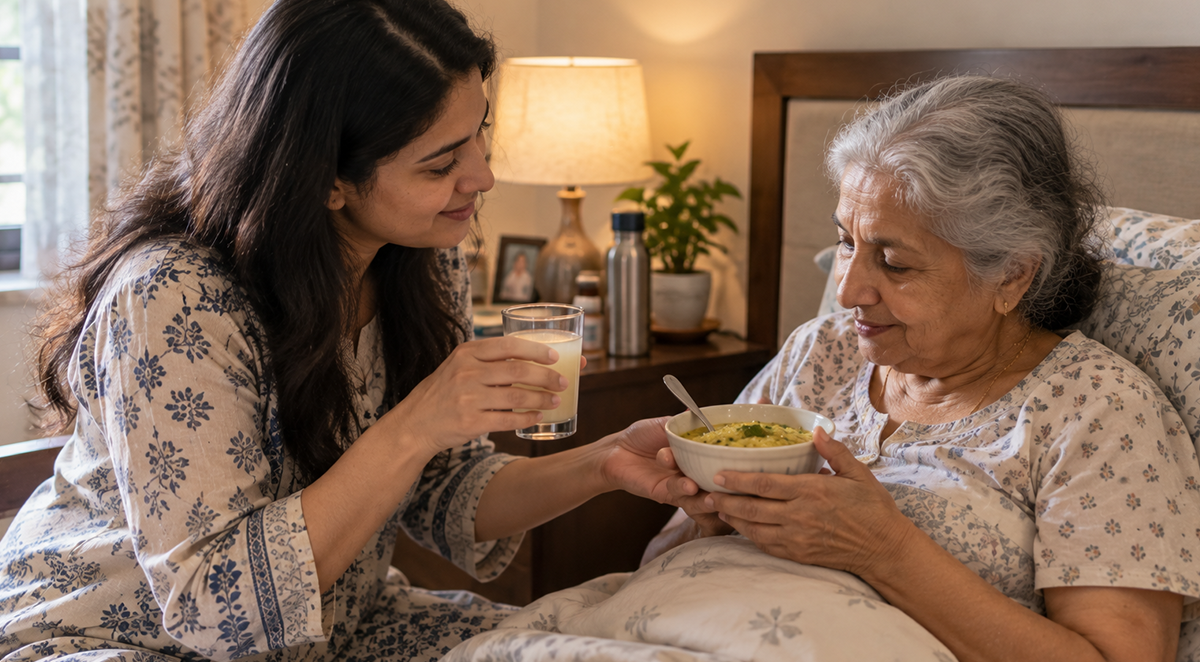
The doctor should be consulted about the amount of fluids your parent should consume. Large quantities of fluids may be difficult to consume. Routine and small amounts of fluids, soups, or an oral rehydration solution may be recommended. Fluid restrictions require a special plan.
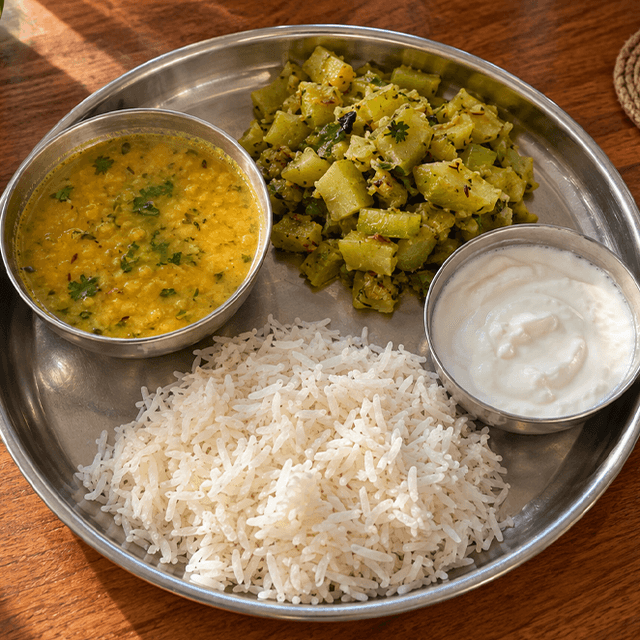
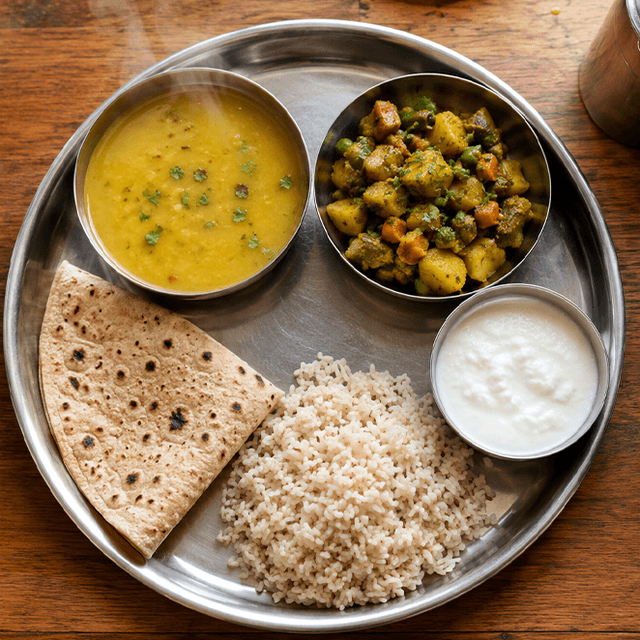
Allow small, frequent meals. Eat foods that your parent can already tolerate. Simple salts, bananas, steamed vegetables, rice-based foods, eggs, toast, curd, and khichdi are foods that may be beneficial during the recovery process. Food tolerances vary. Avoid overly rigid diets. A food diary after a few days may indicate if the symptoms are triggered by sugar-free sweets or fried, spicy foods, milk, large portions, or if they are triggered by a lack of food.
After appetite returns, introduce varied foods. This includes vegetables and fruits, pulses, grains, nuts and seeds, along with fermented foods. A gradual increase in fiber may prevent discomfort and diarrhea.
Consider probiotics with physician advice
Probiotics contain live microorganisms. Different products contain different strains, doses, and combinations. For preventing or lessening antibiotic-associated diarrhea, product- and patient-dependent evidence varies. Probiotics cannot be substituted for antibiotics, diagnosis, stool testing, or treatment of C. difficile.
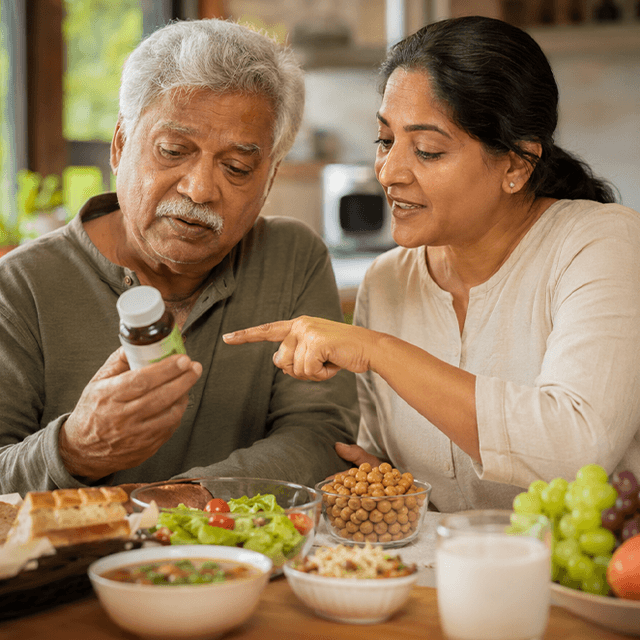
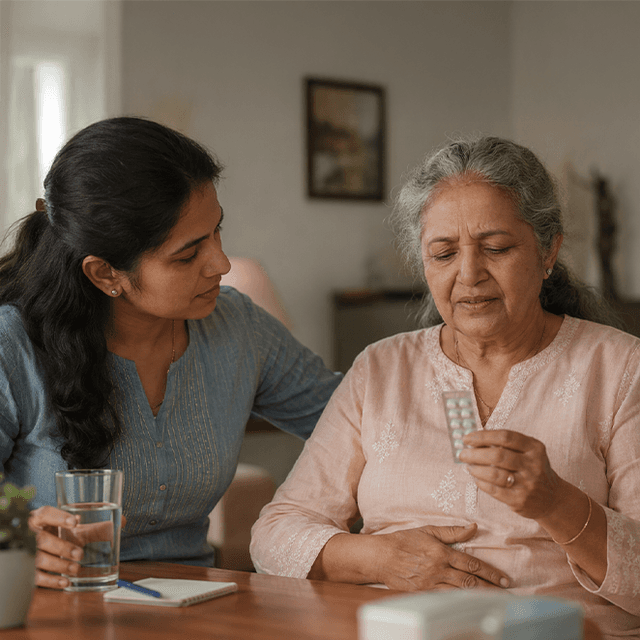
If the parent has an immune deficiency, central venous catheter, severe illness, recent surgery, or a complicated medical history, consult your doctor or pharmacist prior to use. Learn how to time the use so that the probiotic doesn’t overlap with the antibiotics.
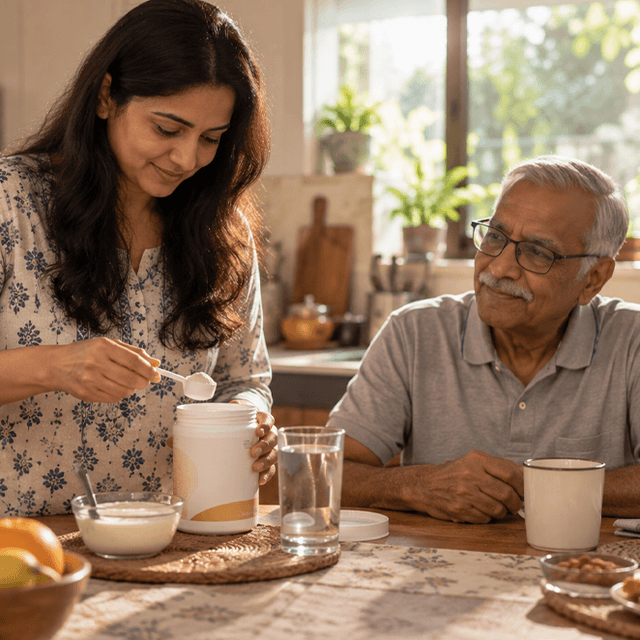
AGEasy Gut Balance could be one of the options your parent’s caregiver could review along with a healthcare provider after taking an antibiotic. Do not expect it to cure an infection or restore gut health. Record the date of use and document the changes in your parent’s stools, appetite, bloating, and level of comfort.
Protect nutrition during recovery
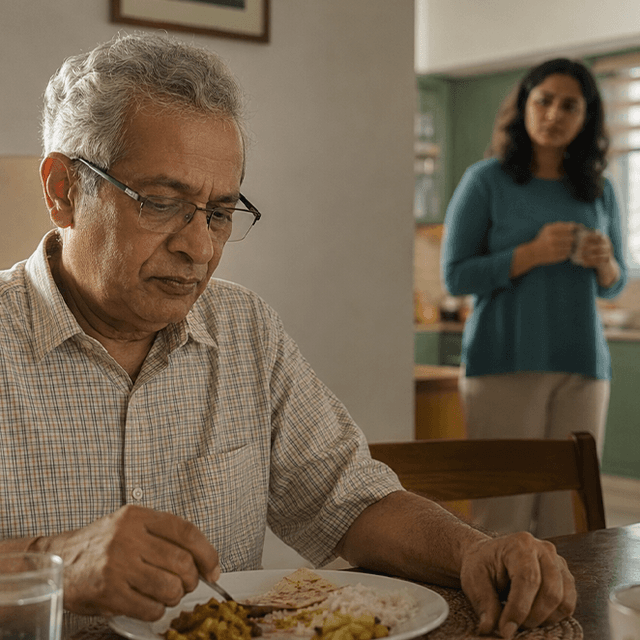
Many older adults battle a loss of muscle and strength during an infection. Poor appetite after antibiotic treatment often extends this. Offer dietary protein many times a day from curd, paneer, eggs, fish, chicken, tofu, or dal. Many other foods would be tolerated. A dietitian would be very helpful for thinness, trouble swallowing, kidney disease, or diabetes in combination with eating difficulties.
Examine oral health, constipation, nausea, dentures, and pain. These conditions tend not to cause much concern when decreasing food and fluid intake. Ensure the food you serve is at a temperature your parent prefers. Meal times should not be rigid. Replace some or all of your parent’s meals if they are living alone, with food delivery services while planning to have your family check in and help them with grocery shopping for a few days.
Review each medicine
There are many medicines brought together with antibiotics for blood pressure, diabetes, pain, acidity, sleep, or constipation. Some medicines can lead to diarrhea, reduced food intake, and dehydration.
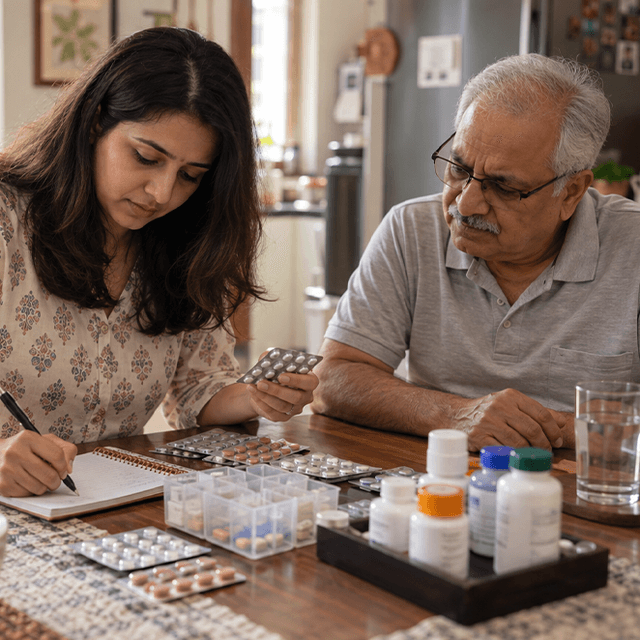
Do not take multiple GI products at once. Side effects are easier to identify with one GI product at a time. List the antibiotics, dates, changes in stool, fever, fluids taken, and any supplements used. This list is useful for the clinician in case the symptoms continue.
Gradually resume activities
Post infection, weakness makes people more prone to accidents, including falls. Bed rest should be avoided until the physician clears any movement. It is much easier to build strength gradually, and it is safe to do some easy strength training at home as well as go on very short walks to nature. Movement aids should be placed at the necessary locations, fluids should be placed on the bedside, and walking surfaces should be cleared. They can improve your confidence and help you stay safe during movement.
If your appetite, weight, bowel habits, and energy levels do not improve, you should set up your own follow-up with your clinician. They may consider the original infection, related dehydration, and nutrition in their examination. Repeated antibiotics may be considered again as the reason for repeated infections, treatments, and prevention may need to be reviewed to address the reason for repeated infections.
What caregivers should remember
It is common for some elders to have gradual gut recovery following antibiotics. Focus on administration of fluids as per their health status, small healthy meals, gradual increase in fibre, careful review of medications, and clear tracking of symptoms. It is important to carefully evaluate the candidacy for probiotics and supplements such as AGEasy Gut Balance, especially amongst elders who are sick and immunocompromised.
We do not focus on optimal recovery of the microbiome, but focus on alleviating symptoms such as dehydration and malnutrition and managing discomfort while the gut and digestive system recover. Please contact your health care provider if symptoms do not improve or if new/worsening symptoms do not fall within the healing pattern.
Disclaimer
The information provided in this article does not provide health care services or health care advice. More specifically, this article should not lead you to administer health care to yourself or others.