
Hyperacidity vs GERD vs Gastritis: 3 Different Problems, 3 Different Fixes
Oct 21, 2026


Hyperacidity vs GERD vs Gastritis: 3 Different Problems, 3 Different Fixes
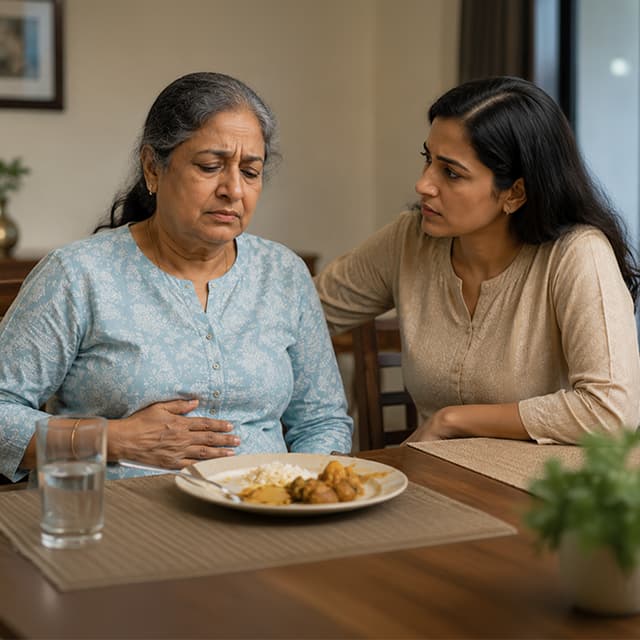
If an older parent presses on their chest after dinner, you’re likely to feel concerned even before you know the cause.
A burning sensation after meals may seem like a minor stomach issue. However, symptomatic problems start affecting the family’s meals and sleep, and they start taking medicines regularly. Burning sensation, acid irritation, and inflammation in the stomach need distinct attention.
Further, reflux and gastritis need an entirely separate medical evaluation. Distinguishing the symptoms and causes helps you ease the concerns of your parents and helps you decide on appropriate home remedies.
Why These Conditions Get Confused
The term “acidity” is generally used to describe a host of problems with the upper digestive system. “Hyperacidity” is used to describe the burning sensation in the stomach brought about by the presence of excess acid. Gastroesophageal Reflux Disease (GERD) is a chronic condition in which the contents of the stomach are repeatedly regurgitated into the esophagus, causing symptoms and damage to the tissue. Gastritis is the inflammation of the stomach lining.
These conditions might overlap, but they are not the same. A person might have GERD and not have gastritis. A person might have gastritis and not have acid regurgitation or heartburn. A meal that is heavy and results in burping and a minor case of indigestion does not prove any of the conditions.
Hyperacidity: Symptoms and Not a Diagnosis
Hyperacidity refers to various symptoms such as burning in the upper abdomen, burping, bloating, and discomfort after eating large, spicy, or oily meals. Symptoms are aggravated by irregular eating, stress, smoking, certain medicines, lying down after a meal, and consumption of alcohol.
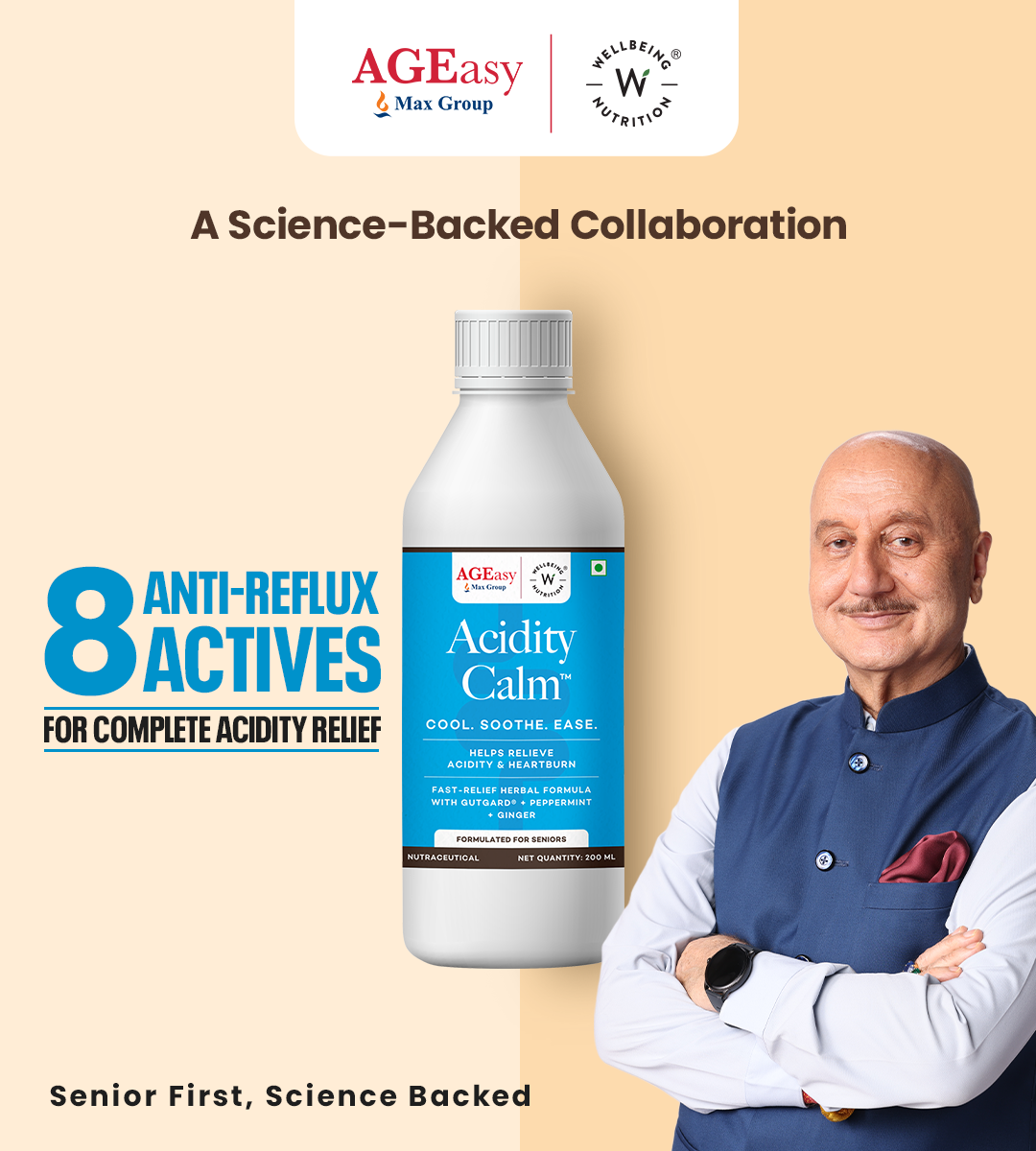
Symptoms usually subside once the trigger is removed. For caregivers, the key is to track patterns. This means noting the time of onset, the food eaten, medicines, bowel movements, sleep patterns, and the measures that help relieve the symptoms. To manage your parent’s symptoms, a higher frequency of smaller meals is recommended, along with slower eating, keeping well hydrated, and leaving sufficient time after supper before bedtime. Consideration for limiting peppermint tea, alcohol, coffee, and large spicy meals is warranted, along with ‘AGEasy Acidity Calm’, a liquid nutraceutical for seniors.
AGEasy Acidity Calm is designed for seniors and adults requiring daily support for acidity and reflux. Reviewing this product with your parent’s doctor or pharmacist is warranted, especially for your parent with multiple medicines, kidney disease, or liver disease and on a restricted diet. This product is meant as an aid in care, not a substitute for an assessment of frequent or severe symptoms.
GERD: A Longer-Term Condition Involving Repeated Reflux That Can Cause Damage
When stomach contents flow back into the food pipe enough to cause symptoms or injury, GERD is present. Typical symptoms are burning behind the breastbone, sour regurgitation, discomfort after eating, coughing, trouble sleeping, hoarseness, and chronic throat clearing instead of the classic heartburn.
There are many reasons for seeking medical advice. A patient should regard symptoms that recurrently disturb sleep and do not resolve with treatment as a reason for seeking medical advice. The doctor diagnoses the nature of the problem and, based on the patient's condition and symptoms, prescribes treatment in a stepwise manner. Antacids, histamine (H2) blockers, and proton pump inhibitors are some of the treatment options. Avoid self-medication beyond the defined duration. If symptoms recur, it is important to seek further medical advice.
The periodicity of meal intake and eating smaller meals is important. Encourage your parent to remain in an upright position for at least thirty minutes after meal consumption. If symptoms of gastroesophageal reflux disease occur during nighttime, ensure that the head of the bed is propped up by additional pillows. Use of pillows to maintain an upright position is not recommended, as this can reduce the effectiveness of pillows. It is also important to lose weight, quit smoking, and avoid foods that may trigger symptoms.
Be cautious when changing your medication. Some medicines such as ibuprofen, naproxen, aspirin, medicines used to control blood pressure, and some medicines used to treat bones and other conditions may worsen the symptoms of GERD. Your pharmacist can check the other medicines that you use at home.
Gastritis
Gastritis refers to stomach inflammation. This condition may be caused by infection with Helicobacter pylori, excessive intake of alcohol, certain pain relievers, or severe physical stress. Many who suffer from this also do not manifest any symptoms. Others have upper abdominal pain, nausea, and vomiting. Vomiting blood also occurs in some who suffer from this.
Knowing the cause of gastritis is important. An H. pylori test and a combination of medications from an attending provider is appropriate if the infection is present. Treatment may involve controlling or withdrawing an observed irritant to the stomach under the supervision of the attending provider. Gastritis is treated with certain acid-reducing medications, but the choice of medication depends on the cause and health status of the patient.
The caregiver should look out for poor feeding, dehydration, weight loss, weakness, and repeated vomiting. Simple meals of small amounts can be offered if the patient is able to take food, but food should not be forced on the patient if the patient has severe nausea. Alcohol and unprescribed painkillers should be avoided. Refraining from the use of leftover antibiotics and giving other patients' stomach medicines are advisable, as these practices can delay correct treatment and conceal important symptoms.
Although the clues provided are not a substitute for a diagnosis, the location and timing of the symptoms may help provide some insight. Symptoms of heartburn, a sour mouth, and reflux are more likely to present after lying down. Gastritis is more likely to be present with pain in the center of the abdomen, nausea, early satiation, and symptoms that are likely to be prompted by the use of painkillers. A short burning sensation after a particular meal is more likely to be caused by hyperacidity.
Hyperacidity vs. GERD vs. Gastritis
| Feature | Hyperacidity | GERD | Gastritis |
|---|---|---|---|
| What it refers to | Various symptoms related to acid irritation or excess acid | Repeated flow of stomach contents back into the food pipe, causing symptoms or injury | Inflammation of the stomach lining |
| Common symptoms | Burning in the upper abdomen, burping, bloating, discomfort after meals | Burning behind the breastbone, sour regurgitation, coughing, hoarseness, throat clearing | Upper abdominal pain, nausea, vomiting |
| Common triggers or causes | Large, spicy, or oily meals, irregular eating, stress, smoking, certain medicines, alcohol | Repeated reflux of stomach contents | H. pylori infection, alcohol, certain pain relievers, severe physical stress |
| Typical timing | Often after particular meals | Often after eating or when lying down | May be associated with pain, nausea, or painkiller use |
| Medical evaluation | May be needed if symptoms are frequent or severe | Needed for recurrent or persistent symptoms | Important to identify the underlying cause |
| Main approach | Track triggers and manage meal and lifestyle patterns | Longer-term management and medical treatment when required | Treatment depends on the underlying cause |
Symptoms of gastritis may overlap with symptoms of GERD or other painful conditions. Heart symptoms may also be similar to signs of indigestion, especially in the elderly and those with diabetes.
New onset of chest pressure, shortness of breath, sweating, faintness, pain that radiates to the arm, jaw, neck, or shoulder, and abrupt weakness are causes for concern and warrant a call to emergency services.
When Your Parent Is Exhibiting Symptoms That Indicate a Doctor’s Visit Is Required
Symptoms that would warrant a doctor's visit include frequent symptoms that last longer than a couple of days, symptoms that keep your parent up at night, symptoms that cause your parent discomfort when swallowing, symptoms that cause your parent to lose weight for unknown reasons, symptoms that cause your parent to vomit repeatedly, symptoms of anemia, symptoms of loss of appetite, and symptoms that occur after your parent takes a new medication.
Keep your doctor’s appointment. It really helps to have a list of the medications and supplements that your parent takes, and a list of your parent’s allergies, medical conditions, and the results of the last tests done. Tell your doctor the pattern of your parent’s symptoms and use of over-the-counter products. This can help your doctor tell the difference between stomach inflammation and just reflux.
Practical Advice for Caregivers
Simply treat the symptom of ‘acidity’ and not the underlying cause. Often hyperacidity is just a temporary condition. GERD stands for Gastroesophageal Reflux Disease, whereas gastritis is inflammation of the stomach, and both of these conditions would require a more long-term approach.
To help your parent take their medication on time, take your parent for routine checkups, remind your parent to keep a log of all the symptoms, and guide your parent to maintain a healthy food routine. If your parent is single, then help your parent ensure that the food routine, habits, and choices that cause them discomfort are improved, but also help your parent achieve food independence and its related choices.
Disclaimer
This article does not replace a diagnosis or treatment. The symptoms and signs of hyperacidity, GERD, and gastritis overlap with those of heart, gallbladder, ulcer, and other similar conditions. Please do not attempt to self-diagnose or self-medicate. Always consult your doctor before making any changes to your medicine or supplement regimen.