

Is It Just Age, or Is Your Gut Trying to Tell You Something?
Jul 14, 2026
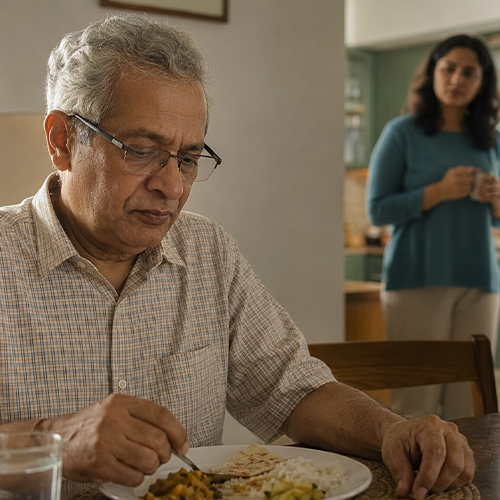
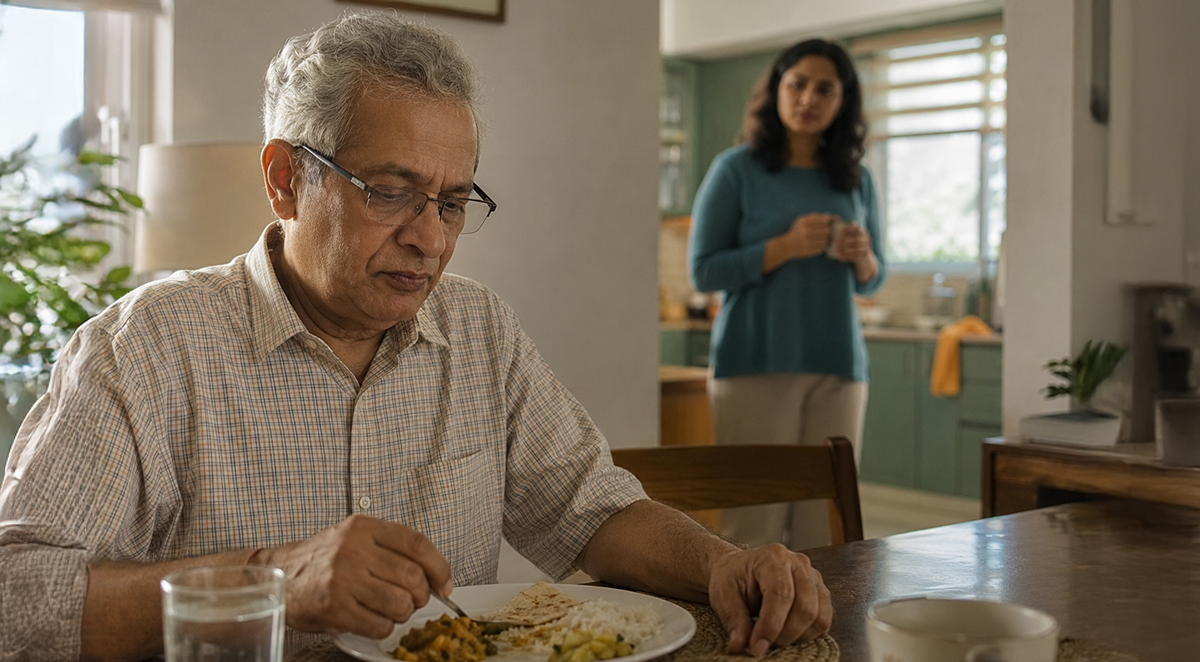
"It's just age."
These 3 words show why so many older adults endure digestive issues for months or even years. Bloating? Constipation? Loss of appetite? Who cares? It is part of getting older. Families tend to do the same.
It is easy to attribute every digestive problem to old age. However, age is not always the big culprit. Many changes are due to other issues.
Do not ignore a parent who suddenly starts eating less. Constipation that is becoming more frequent. Unexplained bloating after meals. Changes in bowel movements that weren't present a few months ago.
These issues are not just signs of aging. They are your parent's body signaling something important.
This may be a simple dietary or medication change. However, it may also indicate an underlying problem that requires medical evaluation.
Ignoring these signals can cause your parent to endure the discomfort when they don't have to. Less food intake leads to greater weakness. Treatment for underlying issues could get postponed. Poor digestive health is often considered the new normal.
Being attentive allows you to fix issues before they turn serious. Helping digestion is also more comfortable for your parent. You are the one helping them remain independent and active.
This guide describes the changes to digestion that can be expected as part of the normal aging process, the changes that are not normal, and the warning signs every family should know before assuming, "It's just age."
What Happens to Digestion as Your Parent Ages
With age, the digestive system undergoes a gradual decline. Muscle contractions in the gut weaken, and food moves at an increasingly slow pace through the intestines. Additionally, there is a decrease in saliva production, as well as a decrease in the production of stomach acid which affects the body's ability to break down food and absorb nutrients.
Because of these natural shifts, older adults will often describe feeling full sooner and changes in their bowel habits, and they may even note that they pass gas more frequently after certain meals. In isolation, these changes do not usually indicate a problem.
The difference that matters is the frequency and severity of the changes. Occasional bloating after a large meal is part of normal digestion. Persistent bloating is not.
Digestive Changes That Are a Normal Part of Ageing
Your parent will naturally experience a number of changes as they age. It is expected that they will eat smaller portions and feel satisfied sooner. There will be longer intervals between their meals before digestion is complete, and they may experience a slight decrease in the frequency of bowel movements, although they should remain regular. Mild gas may occur after consumption of certain foods including beans or dairy.
These changes should not cause alarm. They suggest a need for increased attention to dietary and hydration needs, as well as to regular physical activity, rather than providing justification for a visit to the doctor.
The family should be aware of these warning signs.
Changes occur that are more than normal aging. If appetite drops and does not improve after one week, that is a warning sign. If constipation lasts several days, or keeps returning, that is another warning sign. If bloating occurs after every meal, that shows another warning sign. Blood in the stool, unexplained weight loss, unexplained abdominal pain, or a sudden shift between constipation and diarrhea are also warning signs.
These warning signs could mean your body is not adequately digesting food, due to something like medication you are taking, or if you have a nutrient deficiency, or something more chronic, like a thyroid disorder or irritable bowel syndrome. Early diagnosis through your doctor's office will give you the best chance of effective treatment.
Every person experiences digestive problems, but in the elderly these problems may be caused by everyday things. Less fluid consumption leads to constipation. If there is less fiber in a meal, it may also create constipation. If there is less activity in a day, the digestive process as a whole can be slowed. Some medications (e.g. blood pressure medications, pain medications, or depression medications) can cause constipation or bloating as a side effect. Additionally, the ability to chew weakens as one gets older, which can lead to digestive problems due to larger food particles.
Finding the root cause in your parent's case will tell if the solution is a dietary change, a conversation with their doctor about medication, or a small daily habit.
How to Support Better Digestion at Home
A few of these small habits will likely make a measurable difference in your digestive system.
- It's important to keep track of how much water your family is drinking. Dehydration can also lead to constipation, particularly for older adults. Keeping a water bottle nearby and setting an alarm every hour or so can help.
- Whole grains, fruits, veggies and other foods rich in fiber help keep your bowel movements regular. Make sure to add fiber to your loved ones diet slowly though, a sudden change can cause an increase in gas.
- Even a short walk after a meal can help digestion by aiding the movement of food through the digestive tract. Parents that have limited mobility can also benefit from using a walking aid from AGEasy's mobility supplies to make daily exercise easier and more effective. This also helps strengthen the digestive system.
AGEasy provides supplements that have been made for older digestive systems to cover the gaps in nutrition caused by age. AGEasy Bloat Calm contains digestive enzymes, along with prebiotic fiber, to help reduce bloating, gas and overall discomfort after meals. Consti Calm by AGEasy uses a special blend of prebiotic fiber and a few select herbal active ingredients. This blend supports digestion and leads to more predictable and regular bowel movements over time. Both of these supplements have been made to be safe for long-term use, with no risks associated with daily consumption.
Positioning for sleep can affect digestion as well, especially for older parents who have acid reflux. Lying down increases the chance of stomach acid coming back up into the esophagus which disrupts sleep and increases discomfort. The AGEasy Wedge Pillow is specially designed to keep your upper body elevated and this improves acid reflux and sleeping comfort.
Keeping a simple notebook to keep track of your loved ones meals and align this with records of discomfort can help identify some of the patterns of diet and digestion. This is of particular interest to doctors in the case of constipation due to medication or bloating due to eating dairy. Keeping this record will aid the diagnosis.
When to See a Doctor
Make a call to the doctor if any of the mentioned warning signs last longer than a week, if your parent is experiencing unexplained weight loss, if there are any accompanying pains to the change in digestion, or if there is blood present in the stool. A doctor will assess the symptoms and evaluate them in the context of your parent's complete medical history and the list of medications which a family member cannot do at home. Prior to the symptoms presenting, in the context of previous medical history, the physician will use this information to classify the concerns in order to construct a diagnosis and a treatment plan.
Colorectal issues and thyroid imbalances are examples of issues that can worsen if left unchecked; routine check-ups can identify these concerns before the condition progresses. Regular check-ups will monitor blood pressure and glucose levels, and will also assess the health of your parent's digestive system to develop a more complete picture of your parent's overall health.
Increased Focus Equals Increased Comfort
The digestive system is not something that your parents should just live with. Once the warning signs are visible, the parent can improve by adapting small daily habits and the right support tools.
Immediately see a doctor if there are any signs that could indicate a serious issue like unexplained weight loss, the presence of blood in the stool, or extreme pain that accompanies the symptoms. Make sure to consult with your doctor as early diagnosis will help to ease the symptoms and your parent's discomfort.