


What to Keep at Home After a Knee or Hip Surgery
Article by: Aaryan
Jul 10, 2026. 8 min read
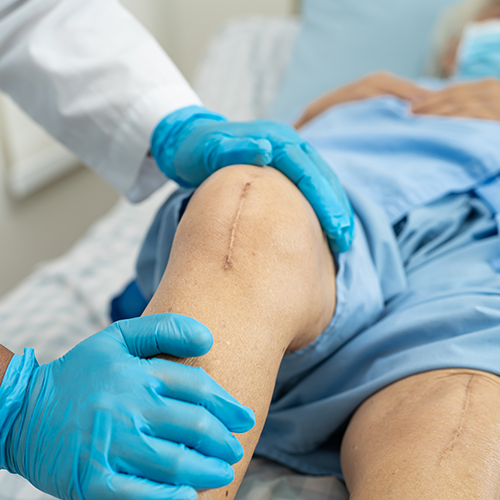
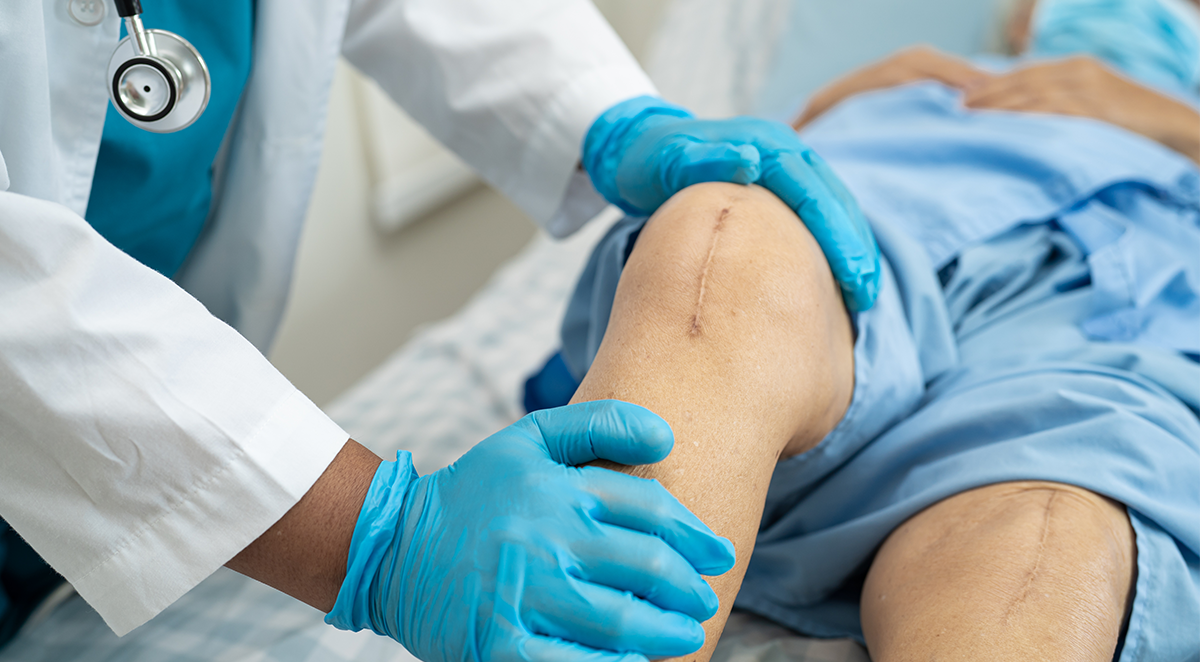
While the surgery could last for only a couple of hours, your parent's recovery begins as soon as he or she steps through the front door, and many families overlook this. They concentrate on the hospital stay, the paperwork, the discharge instructions, the transport home, and then they arrive home to find that their house has not been arranged for someone who will be post-operative.
The biggest mistake is waiting until your parent comes home to plan what he or she will require. Each missing item creates an obstruction.
Moving around the house is only one of the issues. Your parent will also need support to sit, get up and down, and sleep comfortably, and for this he or she will need aids to do these tasks, such as hand rails.
Just as important as the success of the surgery is the safety of your parent in the weeks following the procedure. Basic tasks such as getting up, using the toilet, or walking to the dining room are going to be all but impossible to do and will become very painful, and in certain situations very dangerous.
To free your parent from pain and frustration, get your home ready. Your parent will be able to recover with much more confidence, and the risk of falling will be much lower. He or she will also be able to regain independence incrementally, and he or she will be able to do more and more each day.
This guide will help you understand the importance of what items to keep at home after knee or hip surgery and how to create a more safe and comfortable recovery environment for your parent.
Starting With The Bathroom
The bathroom is the most dangerous place for a post-surgery patient to fall. Because the floor is often slippery and there is a toilet that someone must sit down on to use, it becomes difficult to find something sturdy to hold on to. It's also difficult for a post-surgery hip or knee patient to sit down on a standard toilet because it places unnecessary pressure on the joints that are healing.
The solution to this issue is a commode frame that fits over your existing toilet. With this commode frame your parent will have armrests on both sides so he or she can push up using her arms instead of straining her legs to do so. The AGEasy Commode Frame for Elders is designed specifically for this type of need and requires no drilling or wall mounts which is a convenience when it comes to your parent's rented home. If the issue is primarily height as opposed to support, then a commode seat raiser like the AGEasy Commode Seat Raiser adds several inches to the seat, thereby decreasing the distance required for the knee or hip to travel.
Lastly, do not forget to place an anti-slip mat in the shower or wet area. There is little separation in many Indian bathrooms between the bathing area and the rest of the floor. A grippy mat that covers the entire wet area will greatly reduce the likelihood of someone falling in that area. For senior elders who cannot stand during showers, you could also get a shower chair for shower fall prevention.
If your parent's bedroom is a distance from the bathroom, a bedside commode chair is an investment worth making for the first several weeks after surgery. With an accessible option, your parent won't have to walk down the hall which could risk injury to the healing joint, and it avoids the risk of injury during a nighttime trip to the bathroom.
Simplifying Getting In and Out of Bed
Surgery involves working on specific muscles and joints and getting in and out of a bed requires the use of those same areas. A bed that is too low requires deep bending of the knee and hip, and a bed that is too soft makes it difficult to push up at all.
In the event that the bed cannot be easily raised, a firm wedge cushion can also be very helpful, as can supportive pillows placed under the knees or between the legs (a common instruction post hip replacement, to prevent the leg from crossing the midline). When your parent is sitting, choose a chair with an armrest and a firm seat instead of a low, soft sofa. Cushions and pillows designed for support, rather than plush comfort, help maintain the right posture and reduce strain when sitting for long stretches.
The Importance of Mobility
Once walking is permitted by the surgeon or physiotherapist, the most valuable item in the house for your parent is a sturdy walking aid.
During the initial recovery period following knee or hip surgery, a standard cane might not provide adequate support. However, a four-legged walking stick such as the AGEasy Four Leg Walking Stick is a better option as it features a wider base that offers greater stability during the balance recovery period. For users that may need to take frequent rest breaks during the recovery period, walking sticks like the AGEasy Unibase Seated Walking Stick that have an integrated collapsible seat permit your parent to take a seat instead of enduring unnecessary fatigue and discomfort.
In the first one to two weeks after surgery, especially after a hip replacement, walking aids such as walkers or wheelchairs are usually instructed by the surgical team. As such, if one is recommended, ensure it is done prior to your parent's arrival home, not after. It is important to ensure that the area between the bed, bathroom, and main lounging area is free and clear of obstacles so that your parent can easily navigate.
Prior to your parent's arrival home, these items will need to be obtained: a foam wedge (or recliner) for elevation, and a massage tool with approval for use during mobility. Keep in mind that ice and massage can be used as long as your surgeon permits it, and they will have guidelines regarding when and how to use the massage device. Note that the AGEasy pain relief range should not be used over the incision site, but muscle soreness can happen around the adjacent surgical site. Furthermore, your physiotherapist may recommend massage to relieve muscle tension in the surrounding sites, however, this should only be used as recommended.
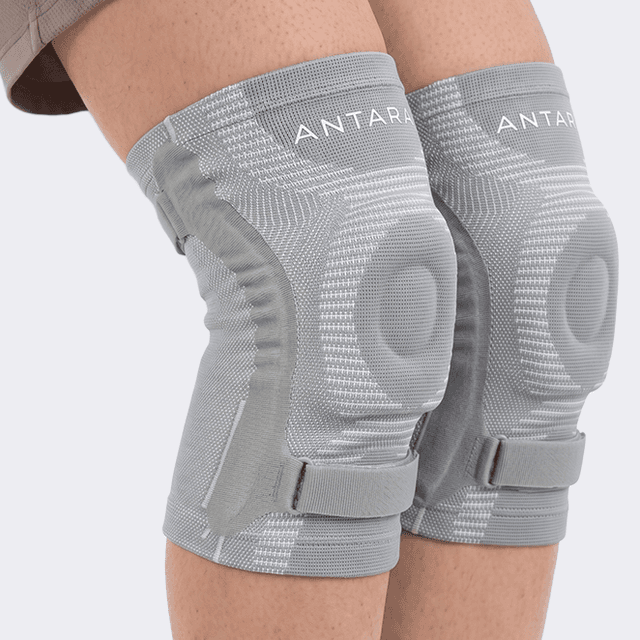
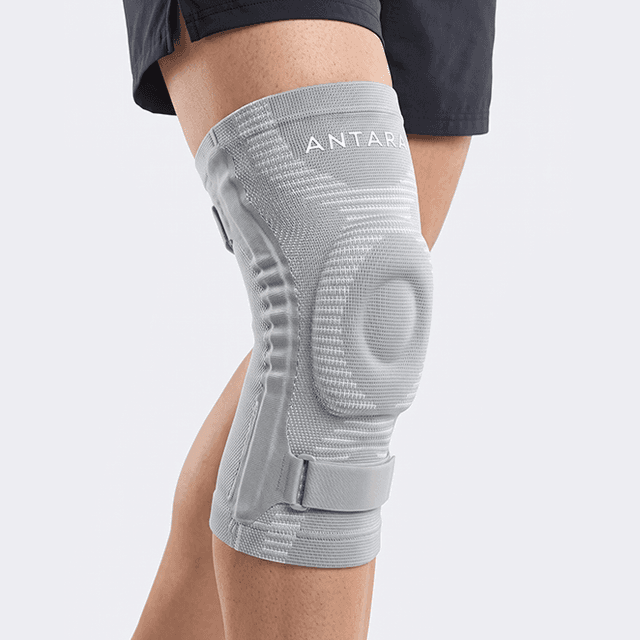
A soft knee brace or compression sleeve could help your parent get more stability while moving around, and if the knee needs additional support, they could use one of these. AGEasy covers this with their knee support range, and a physiotherapist can help guide you to the right support level for your parent's stage of recovery.
Organize Frequently Used Items Within Reach
This step is often neglected by families. After surgery, certain movements such as bending, reaching, and twisting could be painful, and might be restricted. In your kitchen, bedroom, and living room, make sure to adjust the height of frequently used items to waist-level or to an easily accessible distance. These items include, but are not limited to, phone chargers, water bottles, medicines, reading glasses, and remote controls.
Without the need to get up, a small table or trolley with essentials close by next to the bed or favorite chair will be very helpful for your parent. It is very helpful that this type of preparation is done, particularly for the first couple of weeks when movement needs to be limited to what's medically necessary.
Seek Professional Guidance
Each recovery timeline is distinct and dependent on the nature of the surgery, the overall health status of your parent, and the improvement status of the health situation. The items in this guide provide assistance in making the home environment safer, but do not substitute directions or explanations given by a surgeon or physiotherapist. Before buying braces, walking aids, or other support devices, contact your parent's care team to ensure the devices fit their recovery plan. Signs of an infection, abnormal swelling, unexpected and increasing pain, and/or difficulty bearing weight should be reported to the surgical team and not left for the next appointment.
The Big Picture
It's all really a matter of a bit of planning. The goal isn't to turn your parent's home into a hospital room. It's to remove the small obstacles that stand between them and getting through each day safely, so they can focus their energy on healing.
Start preparing the home a week or two before the surgery date. That way you have time to adjust the height of the walking stick and rearrange furniture without the added pressure of a parent already waiting to come home.
Recommended Blogs




You May Also Like
 No products found
Article by:

Aaryan
Article Category:
Knee Support