


How to Choose a Knee Cap After Surgery
Article by: Vanshika
Jul 8, 2026. 6 min read
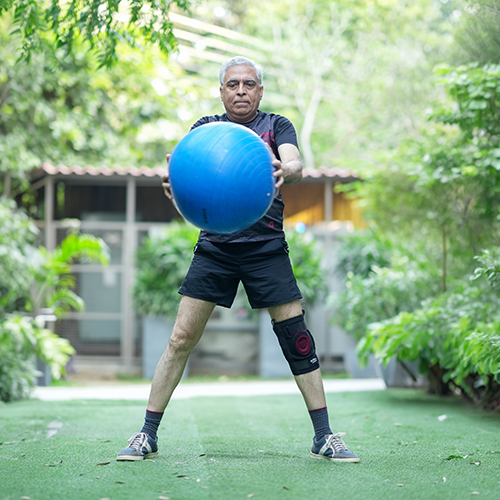
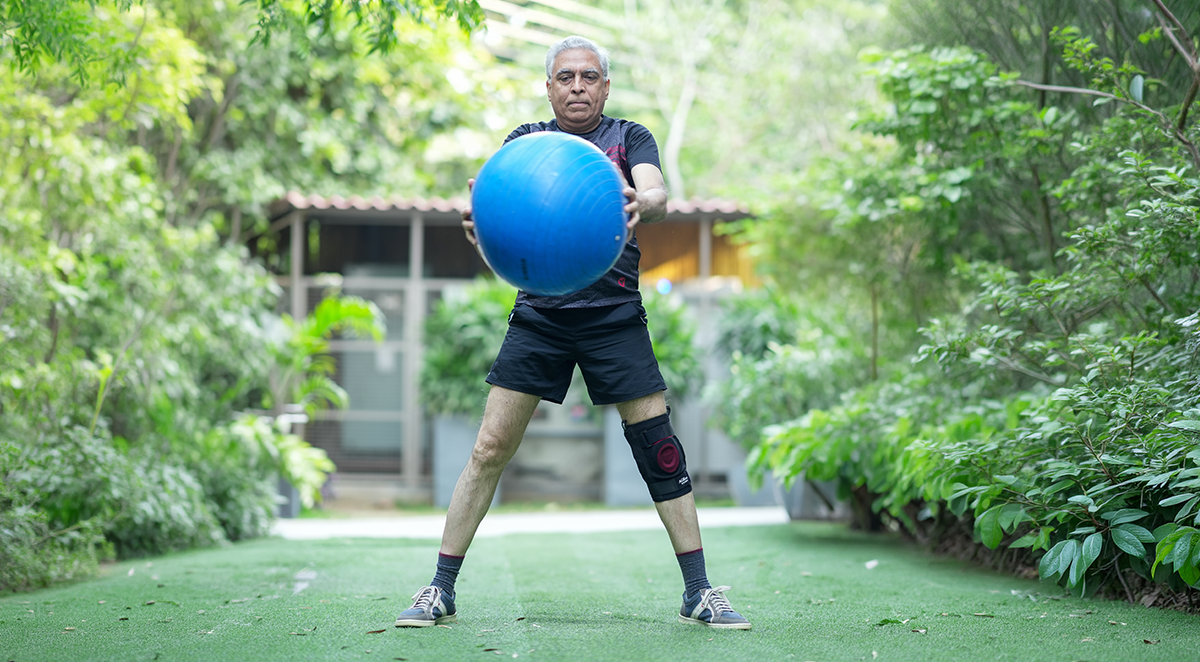
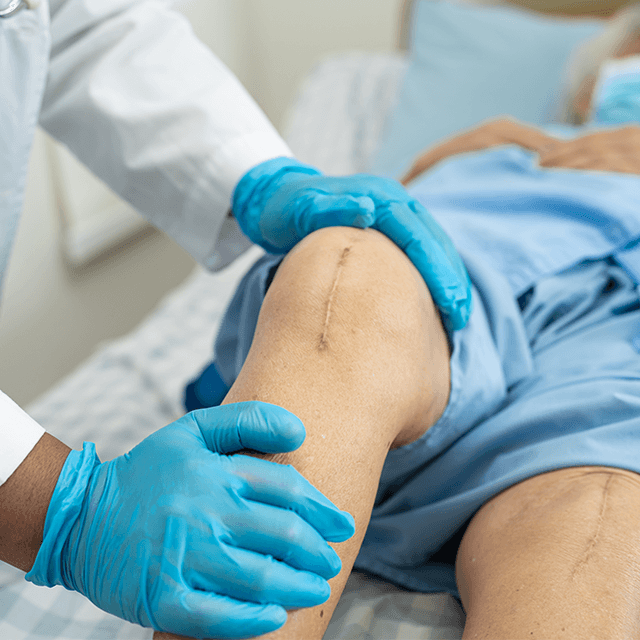
Surgery may indicate the end of an operation, but it certainly is not the end of the patient's healing process. Following surgery, there are many questions that arise.
- Will I be able to walk without support?
- Will I need a knee brace?
- Which supports will be best post-op?
A common misconception is that any knee support will aid in recovery. This is not true.
If a knee cap feels tight, it doesn't mean it is right. The right choice is one that is suited to your stage of recovery.
Choosing the wrong knee cap at the wrong time can cause discomfort when you need stability. This can slow down your recovery and risk another injury.
Choosing the right knee cap at the right time can help you recover and heal faster.
Knee Surgery Recovery Stages
Recovery after knee surgery moves through different stages, and each stage puts different demands on your knee.
- In the first few days, your knee needs protection more than anything else. Swelling runs high and tissue is healing so your knee requires stability rather than movement.
- As weeks pass by, swelling goes down and your knee needs a light support so blood flow can happen freely while still holding the joint steady.
- During rehabilitation, your knee needs support that keeps up with mobility demands as your knee grows in strength.
- Towards the end of recovery, your doctor would want you to start moving more confidently with less dependence on the knee brace.
So what you need is the appropriate amount of support for the stage of your recovery.
Days Following Surgery: Recovery Starts with Protection
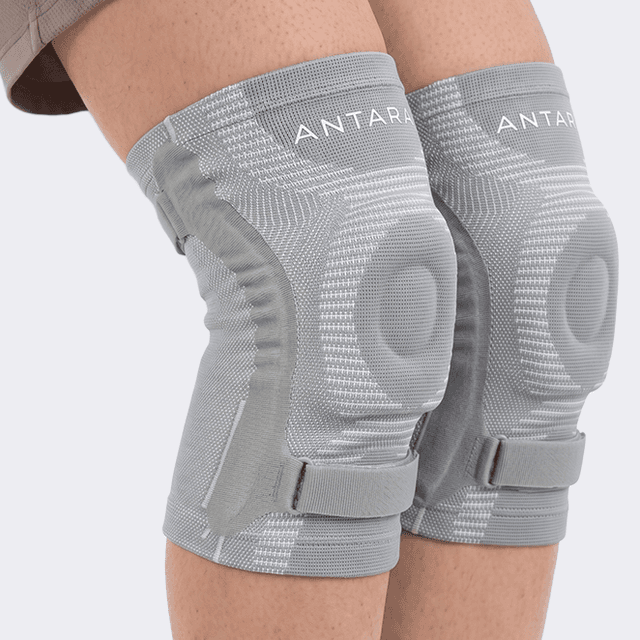
The first few days after surgery will require a brace that is designed for protection. A hinged knee support offers the best option for protection as it limits lateral movement but allows the knee to bend through a safe range of motion. The AGEasy Comfort Knee Cap with Hinged Side Support is an excellent choice for this type of protection. Side hinges allow for a normal range of knee motion, adjustable straps allow for a custom fit, and the cotton lining provides soft comfort. This level of protection is ideal for support of ligament surgery, meniscus repair, or knee replacement as stability and mobility are necessary.
Support For The Next Few Weeks
When some swelling has gone down after some weeks, your knee will need new support that's lighter and more breathable. At this stage, a compression sleeve will allow the joint to be held steady while not being noticed due to circulation or heat being trapped. One of the products that fit this stage is the AGEasy Comfort Ease Knee Cap. Made with 4 way stretch fabric, the knee cap will provide gentle compression, while the cool fabric allows the knee to stay cool during longer wear. This type of knee cap works for daily activity, short walks, and light movement as your surgeon allows more movement.
Support that Moves With You
In this phase, your physiotherapist will introduce rehab exercises to help build strength and range of motion. At this point, sufficient support will have to be provided to the knee to allow movement and simultaneously provide protection. For this stage, a knee cap with flex and hinge adjustable compression such as the AGEasy Hinged Max Comfort Knee Cap will do. It combines stability for active movement due to the breathable fabric and added side hinges. This helps you with rehabilitation exercises without unnecessary pressure on the knee.
Dealing With Stiffness and Soreness Along With a Knee Cap
The AGEasy Pain Relief Gel targets the areas around the joint that a lot of people suffer from due to the combination of a knee cap and stiffness. Its fast-acting, non-sticky formula addresses stiffness when it becomes more problematic than swelling. It's best suited for light everyday aches in the later stages of recovery.
The Final Stretch: Gaining Autonomy
During recovery's final stages, physicians and physiotherapists often promote more autonomous mobility, meaning less dependency on an orthosis.
This means that a more supportive brace is likely being exchanged for a light knee brace that may only need to be worn during long walks or other physical activities, meaning that adjusting to a light brace is a good sign.
Staying in a stiff brace support longer than is needed can actually do more harm than good as it can cause the muscles around the knee to weaken.
Finding the Best Fit
Several practical factors help determine the best fit knee brace.
- Discuss your recovery stage and the appropriate amount of support for your current activity level with your surgeon or physiotherapist.
- Next, consider the level of support. If a brace is too tight, it will restrict circulation and cause excessive discomfort. On the other hand, if a brace is too loose, it will not provide as much knee stability as needed. AGEasy's sizing guides for their knee braces help take the guesswork out of finding the knee brace that best fits your knee circumference.
- The fabric of the knee brace also matters. The fabric should be breathable and kind to the skin since there will be a lot of direct contact with the sensitive skin around the healing knee, and it may lead to irritation if the brace is worn for a long time.
- As you continue to heal, your knee brace will need to be readjusted regularly. Each week follow-up appointments will provide opportunities to change your level of support to align with your doctor's instructions and your set goals.
When to Talk to Your Doctor
A knee brace is not the most important part of a full recovery: physiotherapy, prescribed medication, proper rest, and modifying your activity incrementally are the cornerstones of healing from knee surgery.
A good knee brace provides protection and confidence on top of this core protection so that you can stick to the plan, and do it without as much pain and with increased stability.
If you experience persistent swelling, sharp pain, or a knee brace is not making you feel better after a reasonable period of time, before trying a different product of knee brace, contact your surgeon or physiotherapist.
Different people have different recoveries after knee surgery, and it is crucial that your decisions stay in line with your professional guidance.
Being aware of post surgery recovery stages alongside your medical team will help your knee brace to provide the appropriate support at the most optimal time and help you to move steadily and confidently through the process of recovery.
Recommended Blogs


You May Also Like
 No products found
Article by:

Vanshika
Article Category:
Knee Support