
Bath Wipes vs Sponge Bath: When Water Does More Harm Than Good
Oct 26, 2026
Bath Wipes vs Sponge Bath: When Water Does More Harm Than Good
In some cases, using less water is better, especially with people who have fragile skin, limited mobility, or are not well.
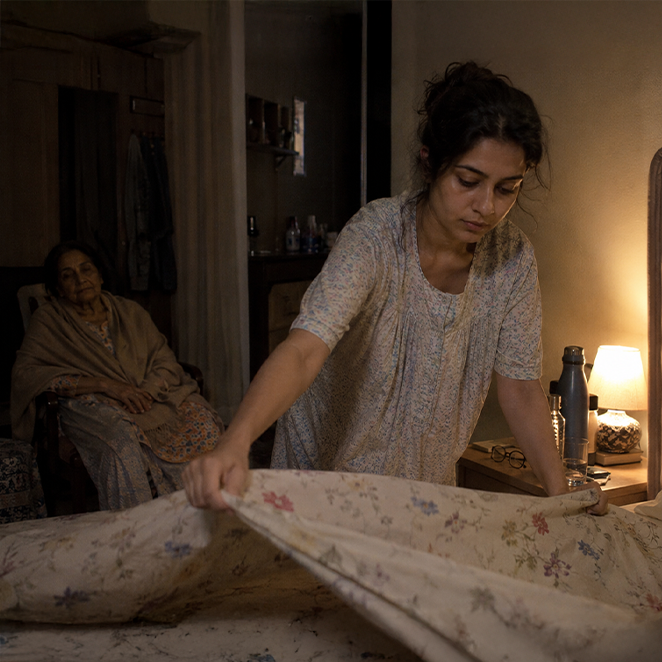
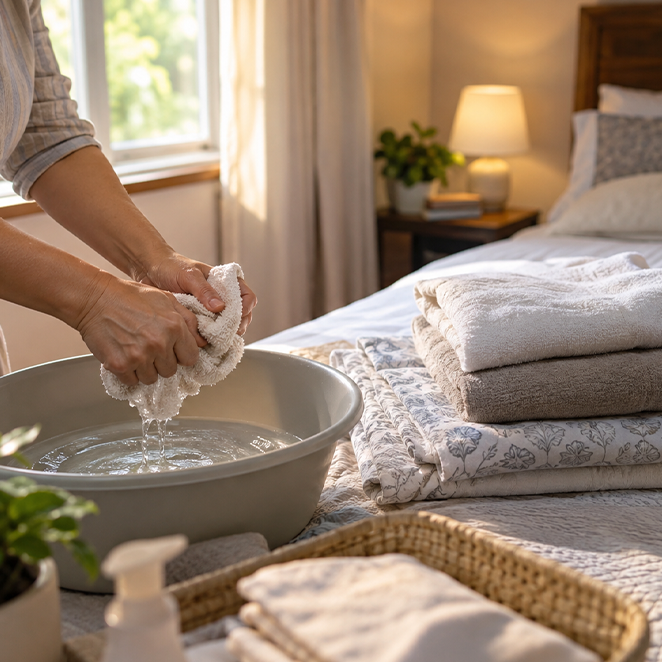
A sponge bath may seem easy enough. Just add some warm water to a basin and provide a towel to dry off after. But sponge baths can take a lot of work:
- Repositioning the person
- Keeping warm
- Keeping clothes and sheets dry
- Drying Skin without causing irritation
- Managing the stress of the situation
It can quickly make a routine activity a chore for everyone.
Most people think a sponge bath is better than using bath wipes. While, for some, that may be true, that is not always the case. The best option depends on the person’s skin, comfort level and their needs on a given day.
Bath wipes can be a reasonable full body bath substitute, or a clean up substitute, for someone for whom a full body bath would be uncomfortable, or would otherwise pose a considerable risk. This can be especially true for people with limited mobility, those who get cold easily, and for people with sensitive skin.
When it comes to sponge baths vs bath wipes, less is more and it's also about protecting fragile skin from over washing.
Some days a full bath is definitely warranted. On other days, it's best to just use bath wipes. The goal is to protect skin from constant washing.
Before performing a sponge bath, consider whether a full bath is warranted for the day. This resource explains the differences between bath wipes and sponge baths, when to use each, how to clean your loved one’s skin effectively without placing them in soaking water, and how to keep them clean, comfortable, safe, and protected during the process.
What is a Sponge Bath?
A sponge bath is a method of cleaning the body without the use of a bathtub or shower. A caregiver uses warm water, a mild soap, cloths, and towels to clean one area of the body at a time.
This method is useful for a patient who is unable to shower for a variety of reasons, such as temporary inability to shower, recovery from surgery, unable to stand, or inability to safely stand. A caregiver of a patient recovering from surgery or surgery that affects the musculoskeletal system can clean the patient and check the condition of the patient’s skin.
A sponge bath can be tiring and time-consuming, and can cause the bed to become wet and the patient to become cold. For patients who have fragile skin, or are weak, in pain, dizzy, or vulnerable, a full bath can seem to be an overwhelming task.
What are Bath Wipes?
These are large, moistened wipes that are used to clean the body and used for a partial cleaning or for bed bath in the absence of a traditional bath.
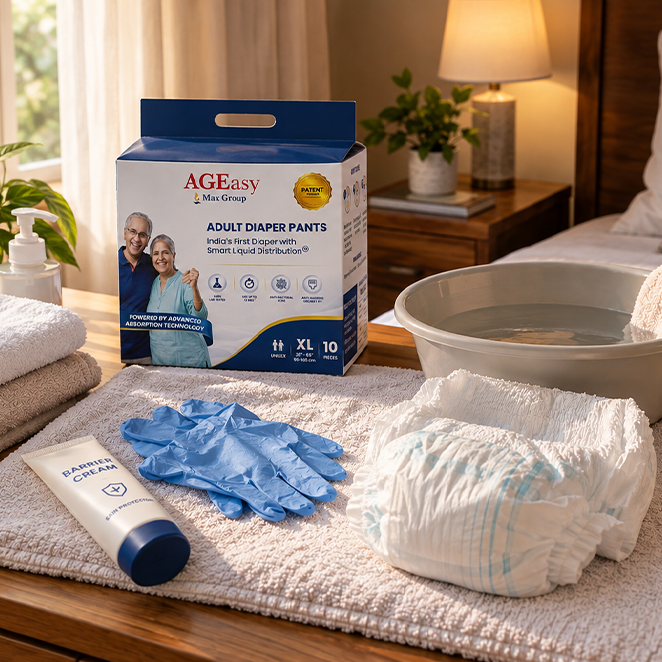
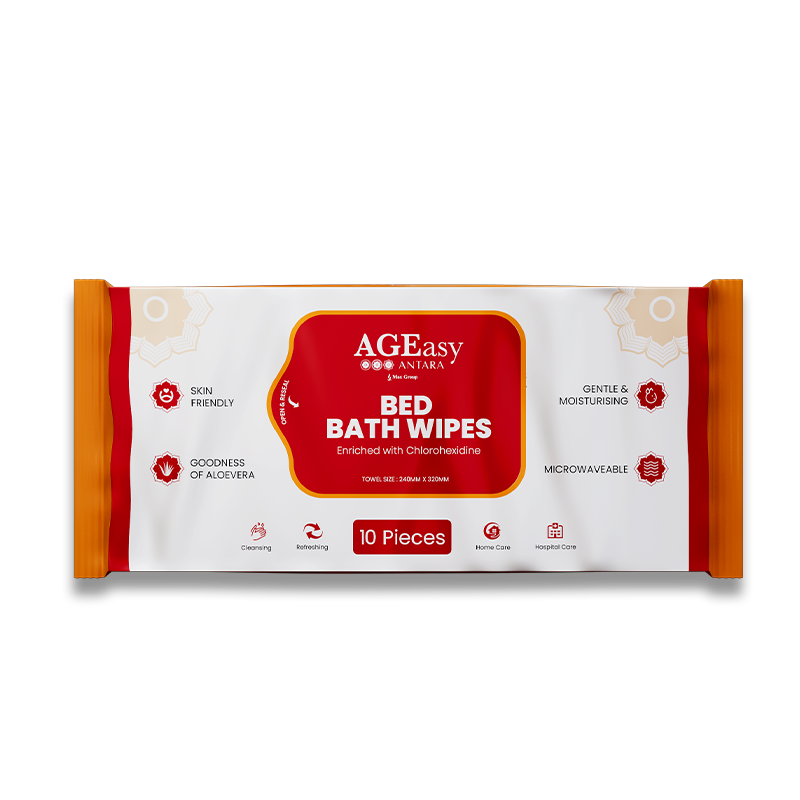
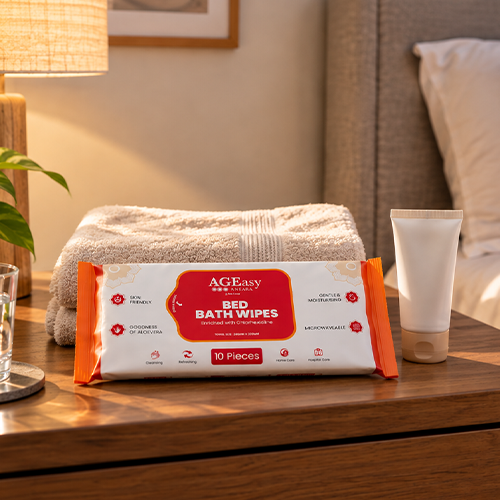
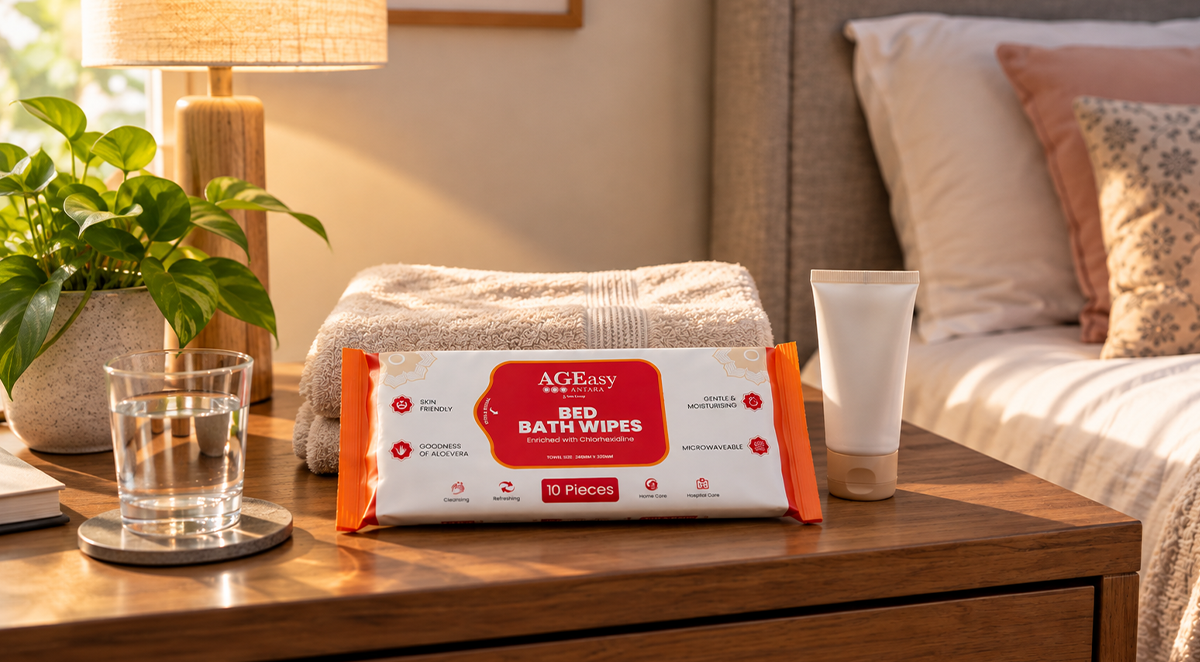
Often used by older adults or individuals with limited mobility, these wipes are generally formulated to be waterless and gentle on the skin. AGEasy Bath Wipes are a good option. These are alcohol- and paraben-free, and contain soothing ingredients like Aloe Vera to prevent dryness.
While bath wipes are typically formulated for sensitive skin, adverse reactions can still occur. Caregivers and users should always monitor for signs of a negative reaction, such as itchiness, burning, rashes, or redness. If any of these symptoms develop, the use of the wipes should be discontinued immediately, and medical attention should be sought if the irritation persists.
Does doing a sponge bath beat doing bath wipes?
Both bath wipes and sponge baths have their advantages and disadvantages for different situations.
Bath wipes are better when:
- It is quick and easy to clean off sweating and incontinence.
- Someone is in a lot of pain or getting chills on rest or moving and repositioning is a real hassle.
- A person does not have easy access to a full bath or the bathroom in general.
- It will add additional stress to the person when someone does a full bath
- The person is recovering from surgery or some sort of hospital related procedures.
- It is a quick alternative if you are traveling or when you are caught in a situation like bad weather, power outages, or your caregiver is very busy.
A sponge bath is more appropriate when:
- The person likely needs more extensive washing
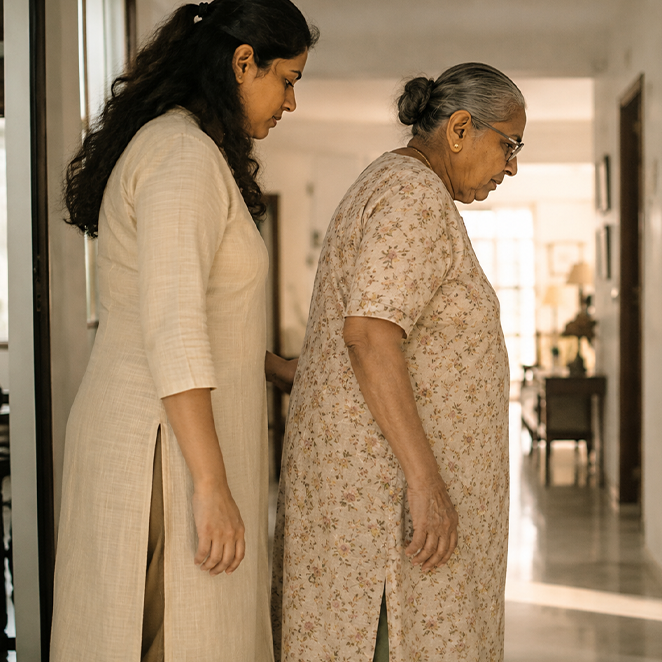
- The caregiver can safely maneuver the person to a better position for bathing
- The person likes having a traditional wash
- The person has requested a bathing schedule through their healthcare professional
A sponge bath gives a caregiver a lot of control and is effective. It is also a slow and respectful part of a stimulating and safe routine.
Bath Wipes Safety Tip
Some simple steps can make things easier for you and the person you are taking care of.
Warm the room first
Those who are ill or elderly are very sensitive to cold. Close any open windows. Put clean clothes and a couple of bath towels in the room before changing clothes.
Explain what you are doing
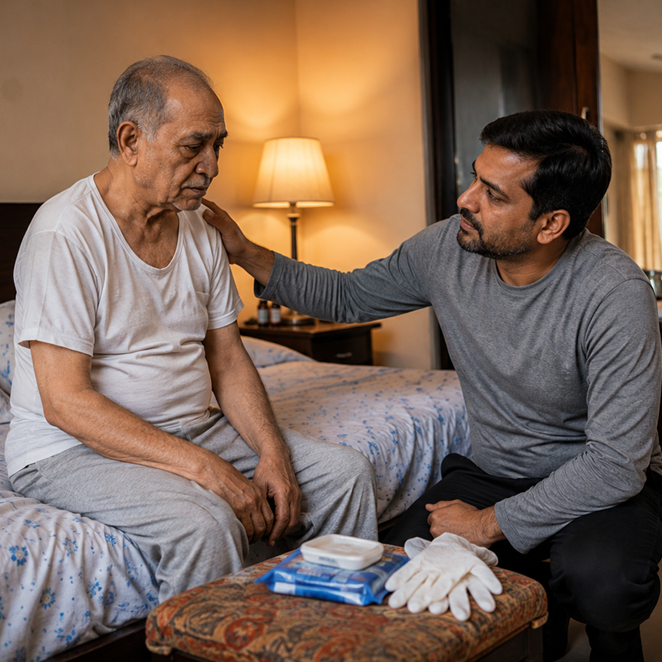
Whether it's lifting a person up or maneuvering a person sideways, explain and ask for permission to continue with each step. Always have a towel or sheet covering the person.
Clean from clean to dirty areas
Clean the person in this order: face, neck, arms, chest, abdomen, legs, back, and genitalia (or buttocks). Each area should be cleaned with a new part of the bath wipe. Never use a wipe that was used to clean other areas of the body.
Pay attention to skin folds
Moisture can accumulate beneath the breasts, in the groin, between skin folds, and around the abdomen. Clean these areas gently and pat dry. Avoid scrubbing, as it can irritate skin.
Be careful around wounds and medical devices
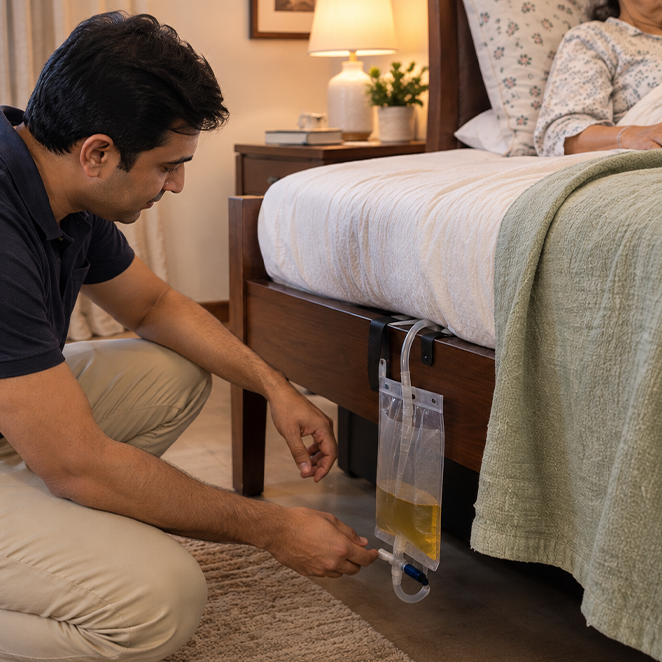
Avoid wiping over an open wound, surgical incision, catheter site, feeding tube, or other device unless instructed to do so by a clinician. Follow the instructions provided by the healthcare team.
Dispose of wipes properly
Wipes are designed to be disposed of in a waste bin, never in toilets. Even if the packaging states they are 'flushable,' flushing wipes can cause severe plumbing blockages.
Skincare is More Important Than the Methods
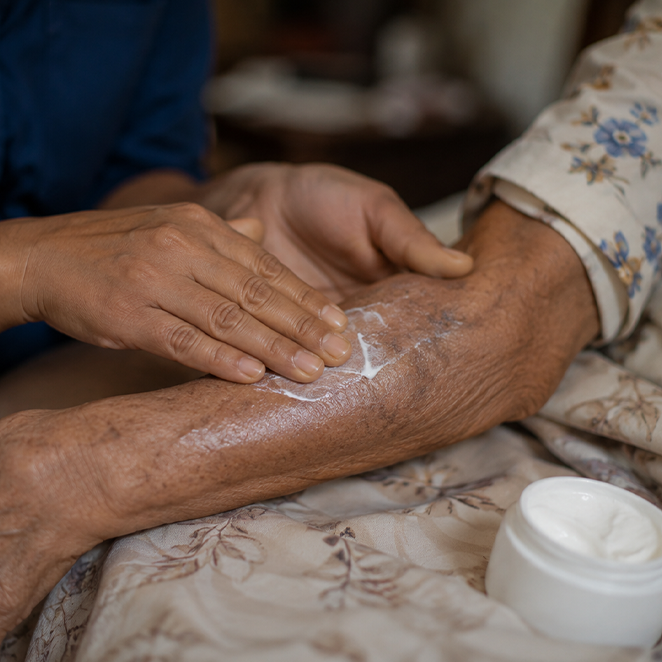
Vulnerable skin can be damaged by harsh fragrances, excess moisture, and friction. The goal shouldn’t be to clean the skin until it is “squeaky clean,” but to minimize excessive friction from wiping or harsh agents.
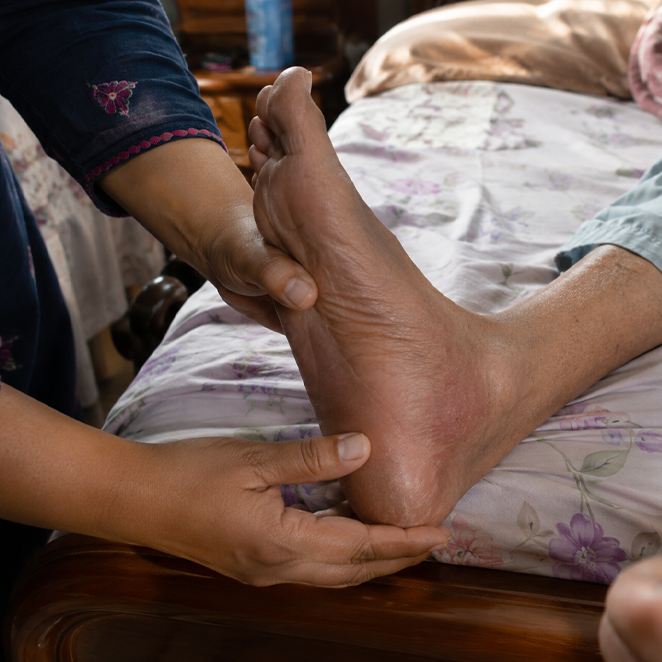
Post cleanse, assess for signs of skin irritation including:
- Persistent redness
- Cracks, peeling, and/or bleeding
- Swelling and/or bruising
- New rashes
- Skin that appears warm to the touch
- Moisture related skin irritation
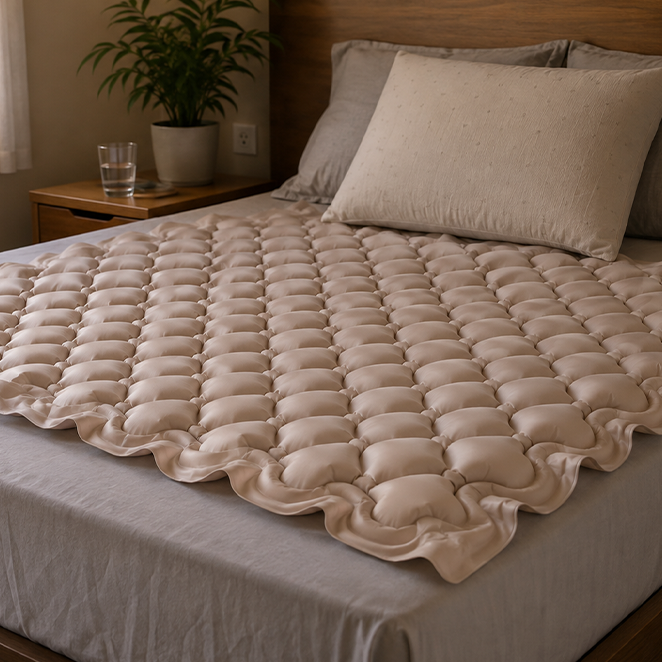
- Pressure related skin damage on the hips, heels, elbows and tailbone
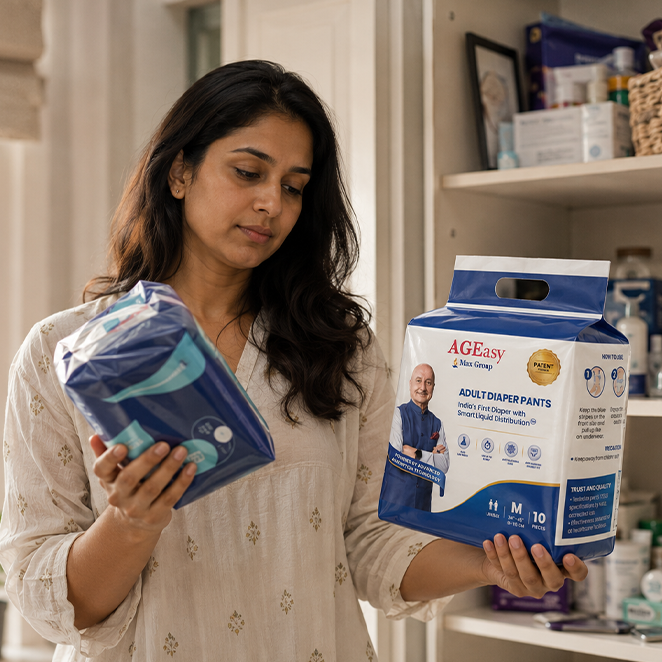
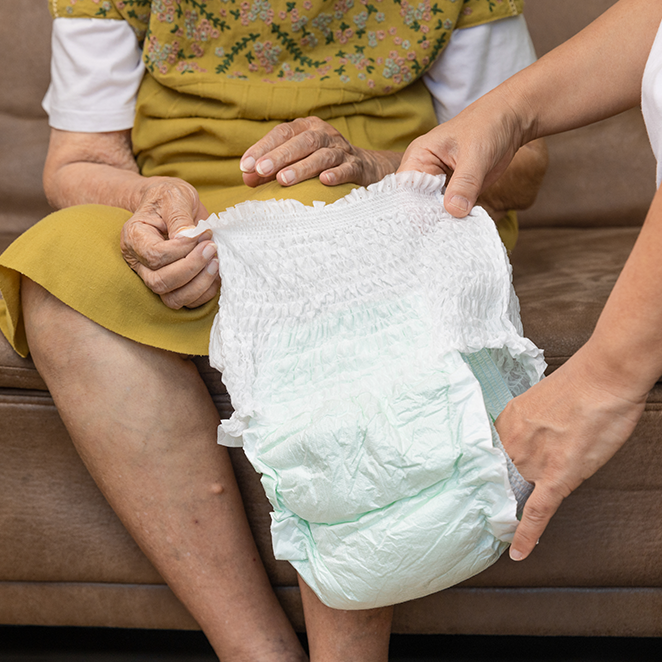
If the individual uses incontinence products, the skin should be cleaned and dried following each episode of incontinence. A healthcare professional will be able to recommend a barrier cream and/or a different prevention product to help protect the skin.
When to Call the Doctor
A bath or skin cleaning routine should not delay you from seeking a medical assessment if you notice signs of infection. If you are concerned about a swollen, hot, pus filled/malodorous skin wound with spreading redness, contact your doctor or nurse. Seek medical attention immediately for unexpected changes in an individual, including fever, confusion, sudden pain, difficulty breathing, and decreased levels of consciousness.
If an individual repeatedly refuses bathing, it may be a sign of depression, pain, confusion or an embarrassing and/or frustrating loss of independence. A medical assessment is advised to determine if this is the case.
The Best Choice is the Choice that is Individualized for Each Person
A bath wipe and a sponge bath are both appropriate and sensible skin care choices, depending on the individual.
The idea is not to clean the person too much, or to create coldness, fatigue, pain, or skin irritation. For swift targeted cleansing or care that does not use water, bath wipes are convenient. A sponge bath may be more appropriate when a more extensive bathing task is tolerated by the person.
When selecting a method, you may consider the person’s condition, preferences, the general health of the skin, and the person’s energy level on a given day. Most of the time the simplest of methods is the kindest. It is the method that will keep a person comfortable, safe, clean, and respected in a given situation.