
Bed Bath for a Bedridden Parent: The Step-by-Step Routine Nurses Use
Oct 21, 2026
Bed Bath for a Bedridden Parent: The Step-by-Step Routine Nurses Use
A bed bath is more than just a clean shower.
It comforts and shows compassion.
Having everything ready is nice. But putting the towels out and laying out the clothes isn’t a substitute for the work that is the foundation of a bed bath.
Consider how you will keep someone warm during the process. What order are you washing in? How do you prevent pulling and twisting?
A bed bath does not equal a regular bath done on a smaller scale.
You should prepare what you are going to use, cover the person, and do the less clean areas after the cleaner areas.
You should also recognize the changes in your loved one's skin, even if they are not visible to the naked eye. Check for areas of skin irritation and skin that is appearing red, any areas that are showing new signs of being painful, or areas of skin that are showing new signs of dry skin and becoming inflamed.
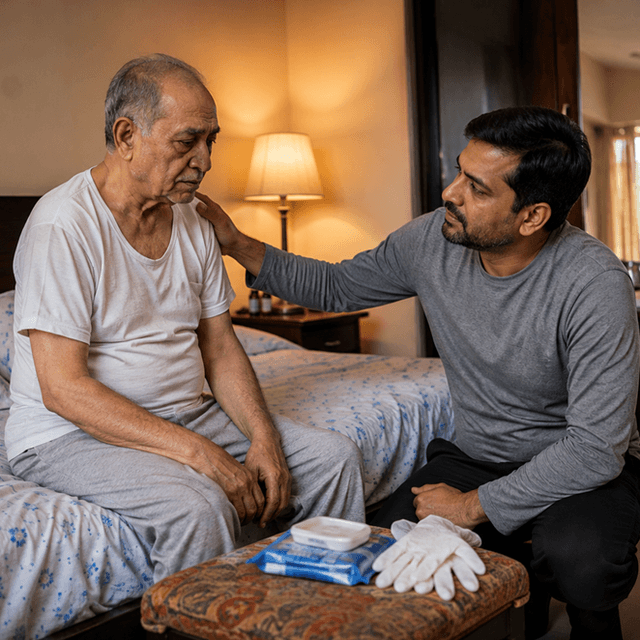
Slowing down the process and explaining the actions you are taking will lessen the discomfort to your loved one even during what must be a stressful and embarrassing experience for them.
You can protect their dignity. You can prevent discomfort. You can show that they are not alone and that they are cared for.
Keep this in mind: Prepare First. Move Gently. Make sure to keep them comfortable.
This guide contains detailed instructions to help you prepare for a bed bath including what you need, how to prepare the wash, how to keep yourself comfortable and private, how to check for skin conditions and when to ask for help from a nurse or healthcare professional.
Before You Begin: Set Up the Room and the Supplies
A few preparations can make a bath safer and easier on the caregiver and the person receiving the bath.
Choose a room with no drafts and that is nice and warm. Begin by closing the door or drawing the curtains, adjust the bed to the appropriate working height if it is adjustable, explain what is about to happen to the person you are caring for, and obtain their consent. If the person is able to provide input, assist them in making decisions as much as possible.
Assemble:
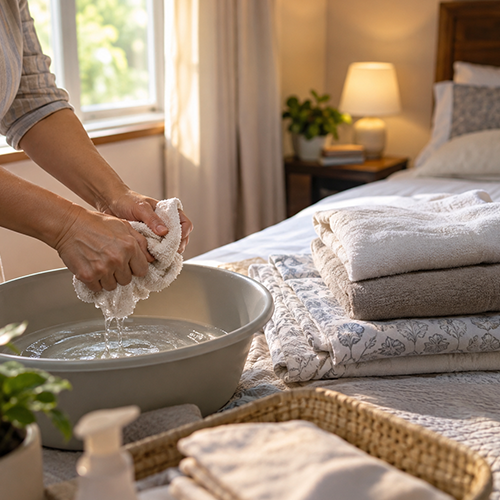
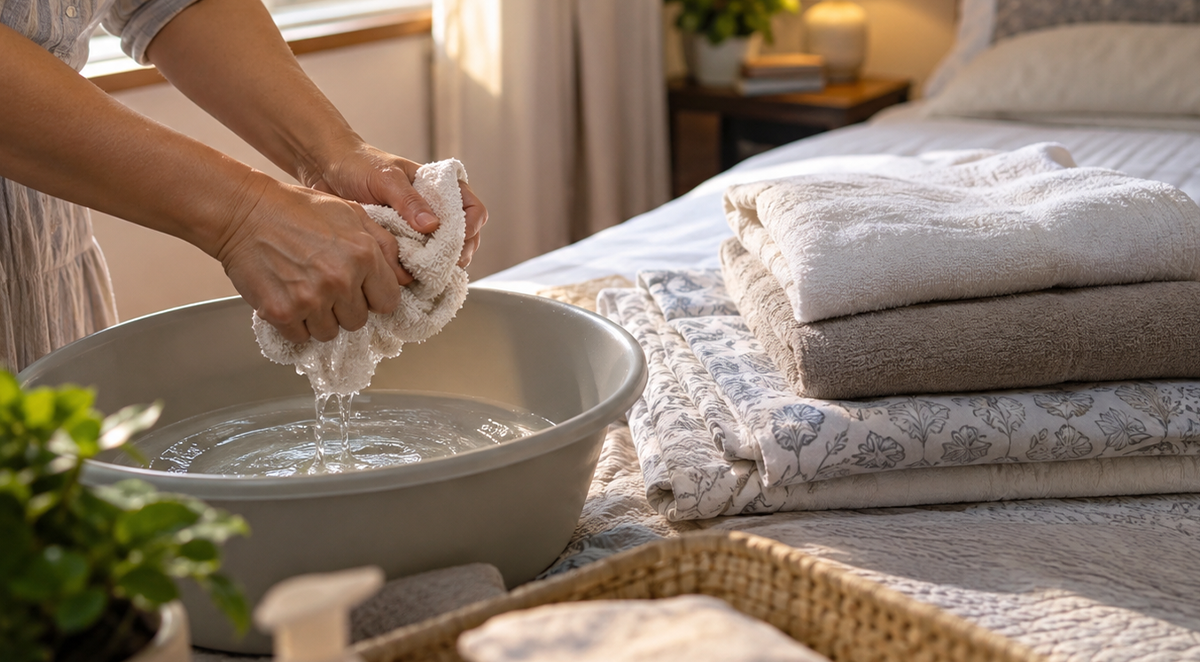
- A basin of warm water
- Soap or gentle cleanser
- Washcloths (at least 6)
- Towels
- Fresh clothes
- Fresh bedding
- Disposable gloves
- A water-proof sheet or towel to protect the mattress
- Lotion (if you have been instructed to use it and if it works with the person’s skin)
- A bag to hold soiled laundry
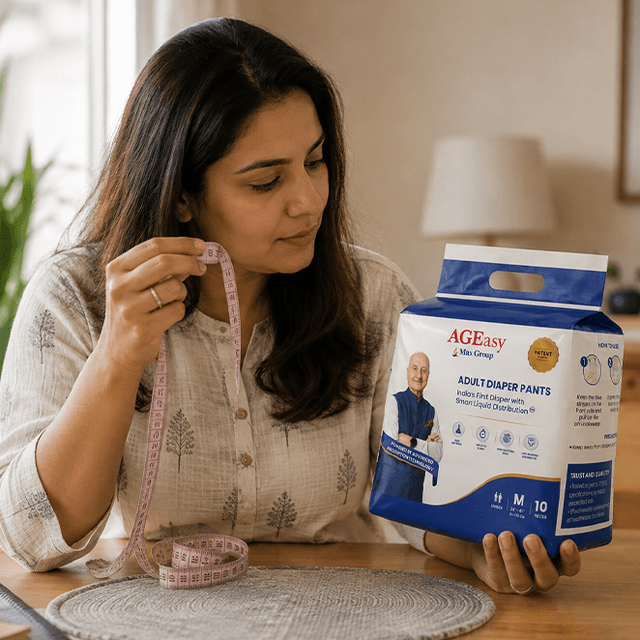
You can keep wipes like AGEasy Bath Wipes on-hand. They can be used in place of a full wash, for quick sub-bed-baths. Follow the instructions on the product and stop if your personal care recipient begins to feel discomfort or if there is an evident skin irritation.
Test the water on your wrist before beginning. It should be comfortably warm, not hot. Hot water can cause serious injury to older people and those with a reduced sensitivity to pain. Because of this, do not ever rely on the person’s feedback to assess temperature.
Protect Your Parent's Privacy and Keep Them Warm
One of the most important features of a bed bath is your parent's privacy.
To protect your parent's privacy, place a towel or a waterproof sheet underneath the area you will be washing and cover the rest of their body with a blanket or bath towel. Expose one body region at a time, wash it, and cover it again before moving to the next body region.
While washing a parent's body and explaining each step you are about to perform before doing so can help them feel more prepared and in control.
Watch for signs of pain (i.e. cold, tired, anxious, or uncomfortable), and allow your parents to pause and rest if needed. A bed bath does not have to be completed quickly or in one single sitting.
The Step-by-Step Bed-Bath Routine
1. Wash the Face
Unless directed by your health care professional, use a clean damp cloth with no soap. Wipe your parents forehead, nose, cheeks, and chin gently.
Use a separate area of the cloth for each eye when wiping from the inner corner out, keeping the other eye covered. If you see any discharge, swelling, redness, or if they feel pain when you wipe their eye, contact your health care professional.
2. Neck, Arm, and Hand Wash
Wash each arm one at a time, supporting it to avoid strain. Use a gentle touch and wash from the shoulder to the hand. Don't forget the armpit and the folds of the elbow.
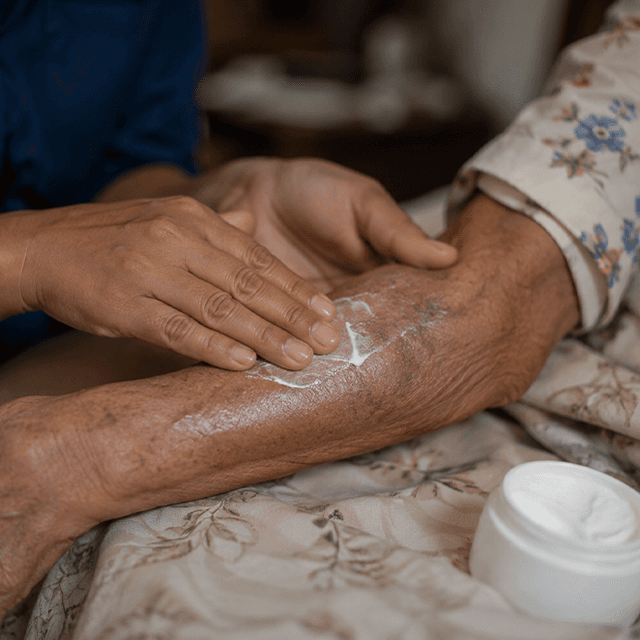
Wash between the fingers and around each nail. Wash off any soap and gently pat the area dry. Skin retains moisture best when it is not completely dry.
Only apply moisturizer when needed. Avoid moisturizing in between the toes or other areas that stay moist.
3. Wash the Chest and Abdomen
Cover the chest with a towel to keep them warm and rinse it gently. Avoid washing on or near the bruises and wounds, along with any medical devices. Rinse well and dry thoroughly, even in skin folds and under the breasts to avoid fungal infections and irritation. Finally, check the area to see if there are any sores or redness.
4. Wash the Legs and Feet
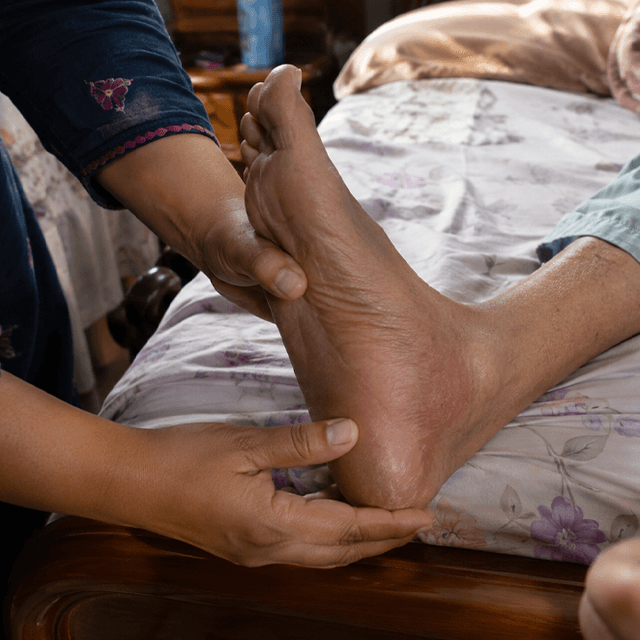
To help them avoid twisting and to keep them warm, wash one leg at a time. Wash the feet and pay special attention to the heels and soles. Rinse and dry completely especially between the toes to avoid skin breakdown. Check for swelling, blisters, or cracks. Be especially careful and consult their doctor about foot care if your parents have diabetes or poor circulation.
5. Wash the Back
Help your parents rotate to their side, only if they are able to and it is safe to do so. If they need a lot of assistance, get help or ask a nurse to show you the safest way to do it.
Do not grab onto their arms or shoulders to move them. Use approved methods and the mobility devices their care team has suggested.
Wash the back and then dry the rest of the body well. Be sure to clean the bones at the tail, the hips, the shoulder blades, and the heels, as these are the areas people suffer the quickest pressure sores from staying in bed the most.
6. Clean the Perineal Area Last
Clean the rest of the body and do the genital and anal areas last. Put on clean gloves.
For cleaning the vulva, gently wipe from the front to the back. For a penis, be sure to wash the area gently. For an uncircumcised penis, only stretch the foreskin if it is easy, clean underneath, and put it back how it was.
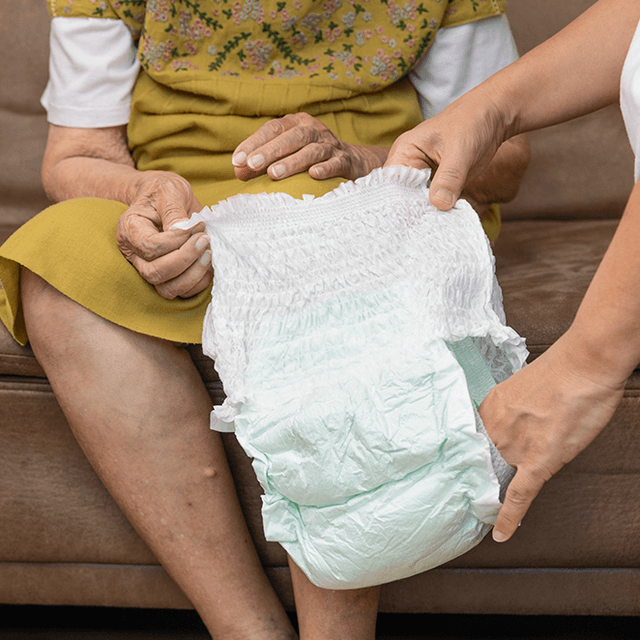
Lastly, wash the area above the anus and buttocks. Be gentle if the skin is fragile, sore, or incontinent.
If you are going to use wipes, choose a gentle skin cleanser and use it according to the directions. Do not flush wipes unless the packaging says they are safe to do so.
Finish by Checking Comfort and the Skin
Once your parent’s bath is finished, help them put on clean clothes. Remove their used or damp bed linens. Place them in a comfortable position. Help them to be warm and provide any additional support.
Dispose of the bath water and linens used. Wash your hands thoroughly even if you wore gloves.
Before leaving, check to see how they feel. Ensure they can reach their call bell, phone, water, tissues, and their glasses.
If a healthcare professional should be communicated with, do it during the bath if you observe:
- Shearing skin with redness that persists after pressure is relieved
- New swelling, warmth, tenderness, or drainage
- New onset, worsening, or severe pain
- A change in level of consciousness or movement
- Fever or signs of infection
- Changes in their breathing pattern
A Routine Built Around Dignity
The speed at which the bed bath is administered is not the most important factor. The most important factor is leaving them with a feeling of being respected and safe, while maintaining a sense of dignity.
This feeling of safety, respect, and dignity should be the focus, while the supplies and equipment are prepared. Explain the steps you need to take, and cover them throughout the process. Move gently and check the skin for signs of irritation. Ask for assistance with movement and positioning if it feels unsafe.
A bed bath should never take the place of professional care and caregivers should not attempt to take care of complex wounds or equipment beyond their training.