

Fasting Safely with Diabetes or High BP: Navratri, Karva Chauth, Ekadashi and Ramzan
Article by: Riya
Article Category: BP and Wellness Devices
Aug 23, 2026
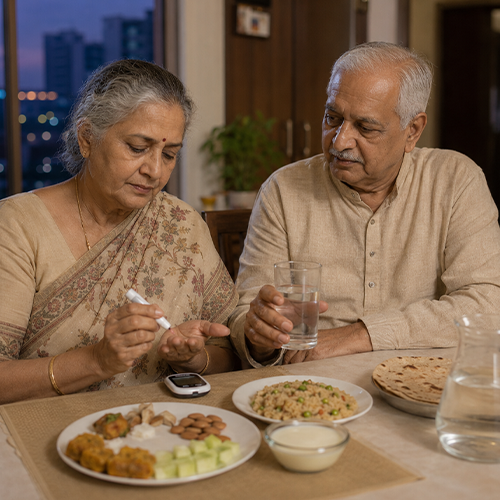
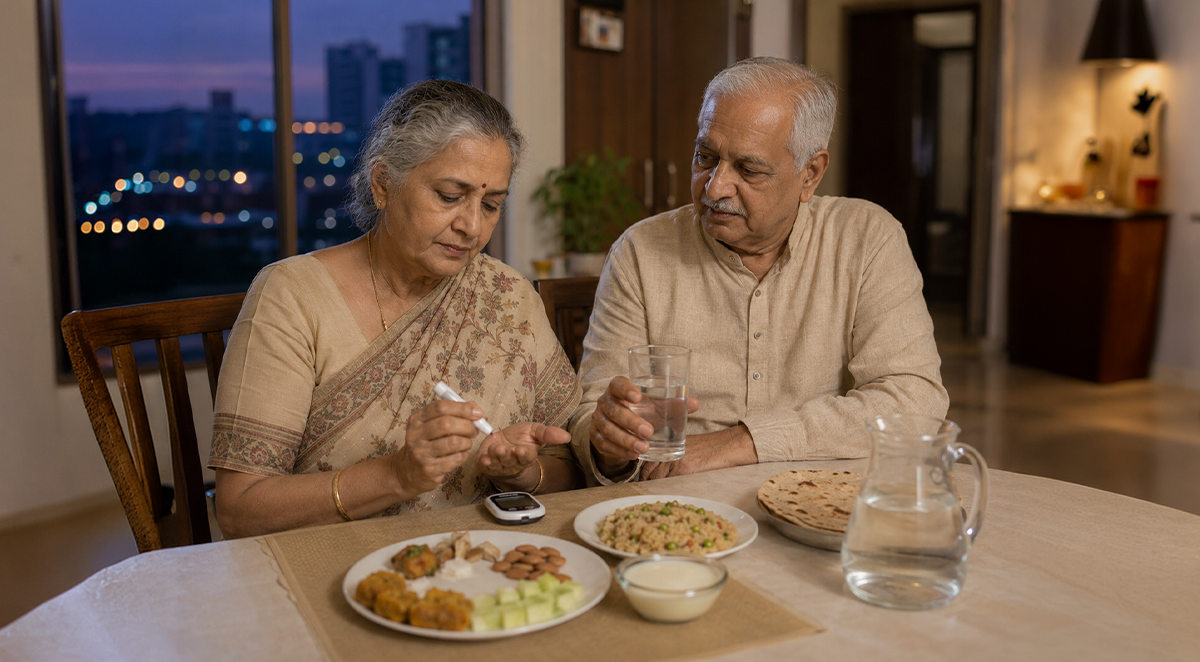
Your parents may have observed the fasting traditions for a long time. When the time for Navratri, Karva Chauth, Ekadashi, or Ramzan comes, it almost becomes natural for your parents to observe these customs as usual.
Fasting changes the routine of how your parents eat, drink, and take medicine. If your parents take insulin or diabetes medicines, then fasting can cause blood sugar to drop to dangerous levels. There is a risk of dehydration with diabetic parents. High blood pressure during fasting can cause elevated blood sugar levels and other health problems. There are many risks connected to fasting during high blood pressure. These risks are irrespective of your parent’s age.
This does not mean that all seniors with diabetes and high blood pressure should avoid fasting. It actually means that the tradition needs to be approached with caution. You should talk to your parent’s doctor about possibly changing your parent’s medicines, checking blood sugar and blood pressure levels, safe food options and fluids to be consumed during non-fasting hours, and how to identify signs that the fast needs to be broken. With these safety measures, your parents can continue to enjoy a family tradition while staying safe.
Speak With the Doctor Before the Fast
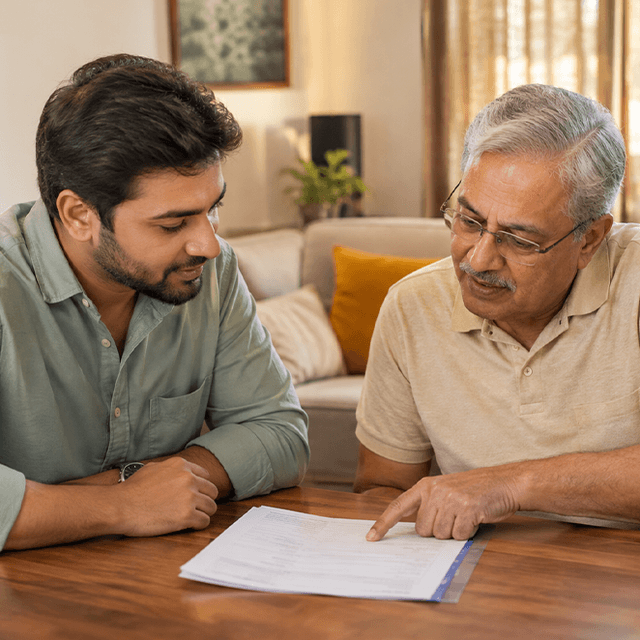
Talk to your parent’s doctor at least a month before the fasting tradition starts. Inform the doctor about the type of fasting tradition (length and number of fasting days), the timings of meals (if any), restrictions on water intake (if any), and the medical advice you should seek for that particular tradition.
Educate yourself on your parent’s medications. Bring insulin, diabetes and blood pressure tablets, hydration sachets, cholesterol tablets, and over-the-counter drugs. The doctor will probably adjust the dosage and time of the drug. Your parents must not skip a dose, double a dose, or change the order of drug doses without the approval of the doctor.
The doctor will probably observe your parent’s blood pressure, blood sugar, heart health, and previous episodes of low blood sugar and its control. Parents having poorly controlled diabetes, repeated episodes of low blood sugar, kidney problems, and illness might have to avoid fasting and follow a different plan.
Plan Blood Sugar Checks
Fasting may affect blood sugars in different ways. Skipping a meal can lower blood sugars, especially when the insulin or some diabetes medicines are still working. Heavy meals and sweets or refined carbs will result in high blood sugars in the future, even if they are eaten several hours before ending the fast.
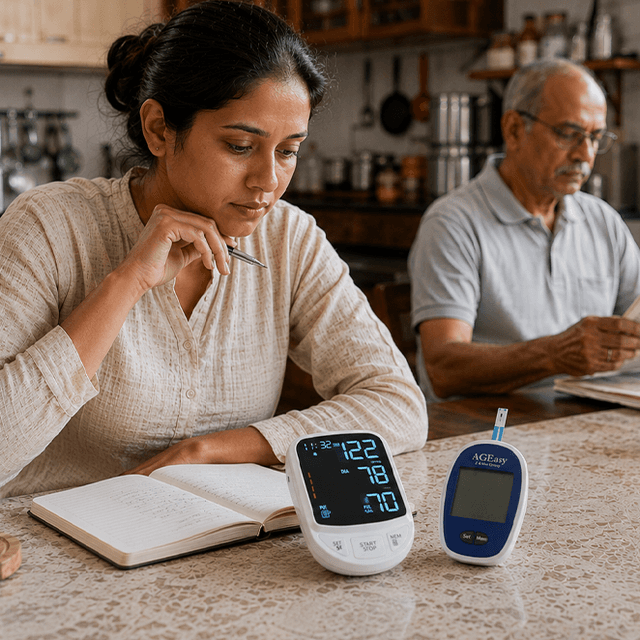
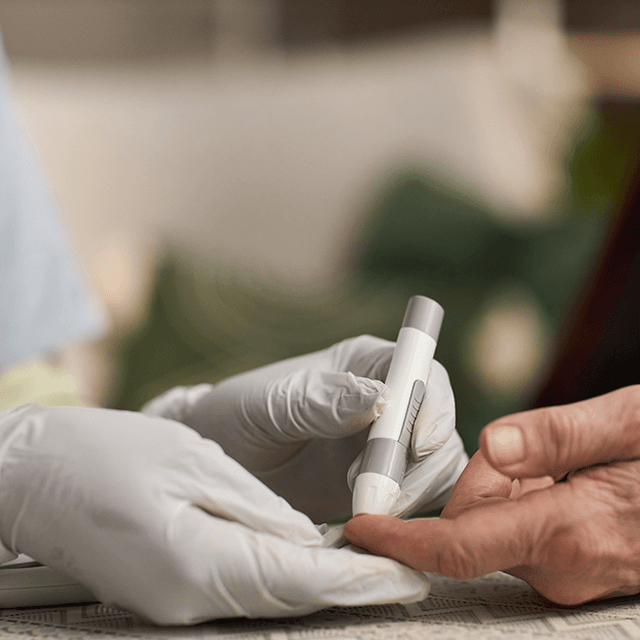
Consult the doctor about when your parents should check their blood sugars. In most cases, blood sugars should be checked before fasting, while fasting, after the evening meals, and before going to bed. During the first few days of fasting, your parents should check blood sugars more frequently.
Keep the glucose meter, strips, lancets and the record book within arm’s reach. Follow the health professional’s instructions on how to deal with the continuous glucose monitor alerts. AGEasy CGM Sensor is available as part of AGEasy’s health monitoring products.
Know What Triggers the Fast Break
A fast has to end if the fasting blood sugar level reaches or goes beyond the limits set by the doctor, or if the symptoms that indicate a worsening of the health status appear.
If your parents have low blood sugar, the symptoms appear quickly and include swallowing their own saliva, sweating, shaking, extreme hunger, dizziness, confusion, blurred vision, and fainting. The body's water levels are also elevated when blood sugar levels are high. High levels can cause a lot of urination and have extreme dryness and tiredness, with a headache that would make them feel nauseated and vomit. Your parents may also feel unusually confused.
Have a source of sugar nearby if the doctor advises it. They may prescribe the use of drinks sweetened with sugar or glucose tablets. Quit fasting if symptoms appear, like if your parents faint; become confused and disoriented to the point of being unable to protect themselves from choking; or if they start having trouble breathing and have a seizure. Get the help of emergency services immediately.
Safely Monitor Blood Pressure
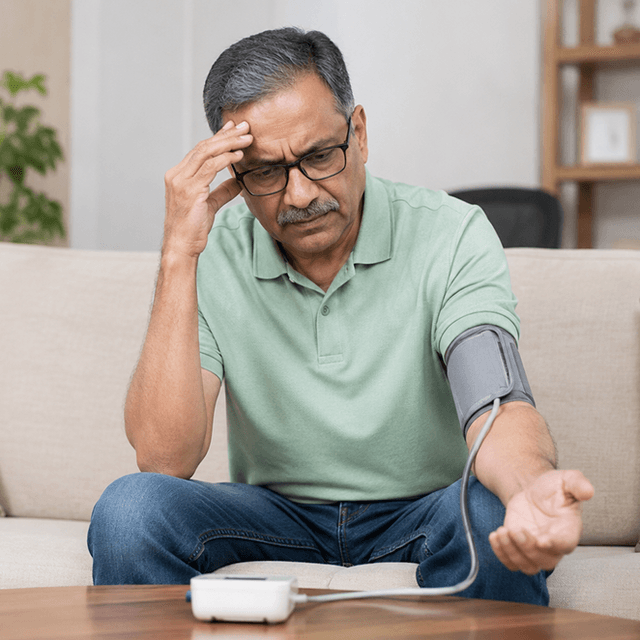
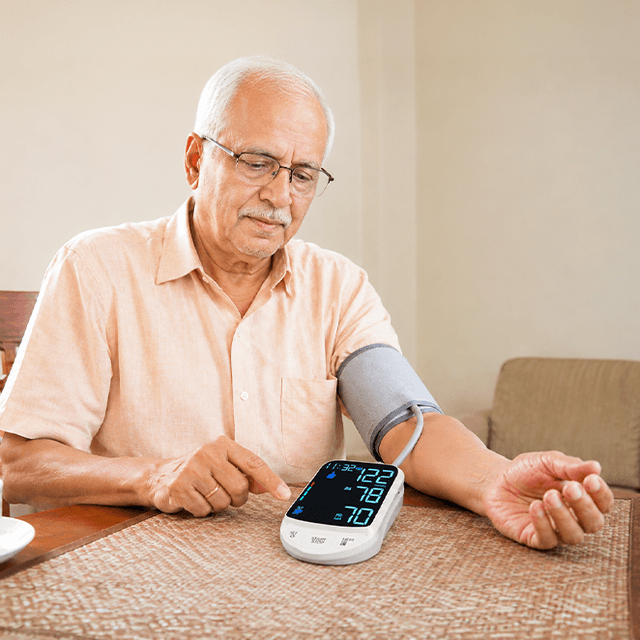
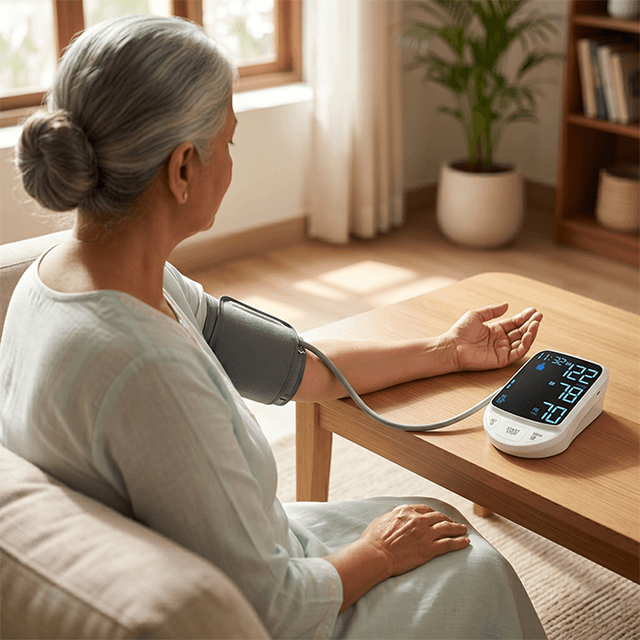
High blood pressure often does not show symptoms; therefore, it is necessary to measure it frequently. Ask how frequently your parents should measure blood pressure during the fast.
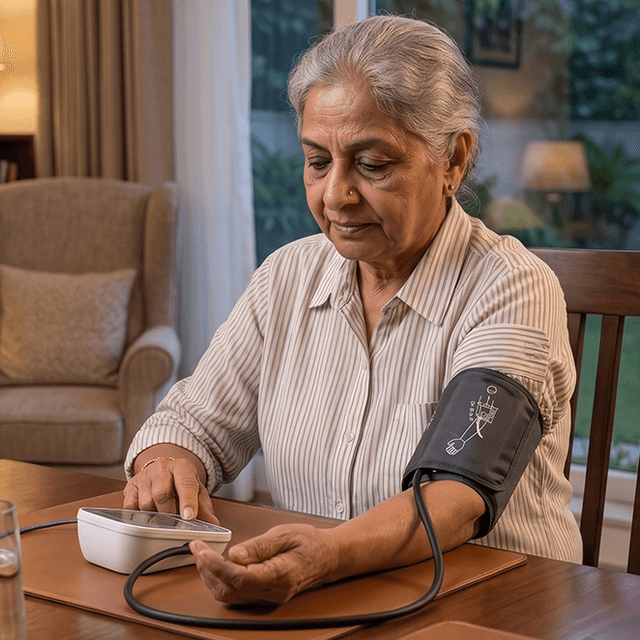
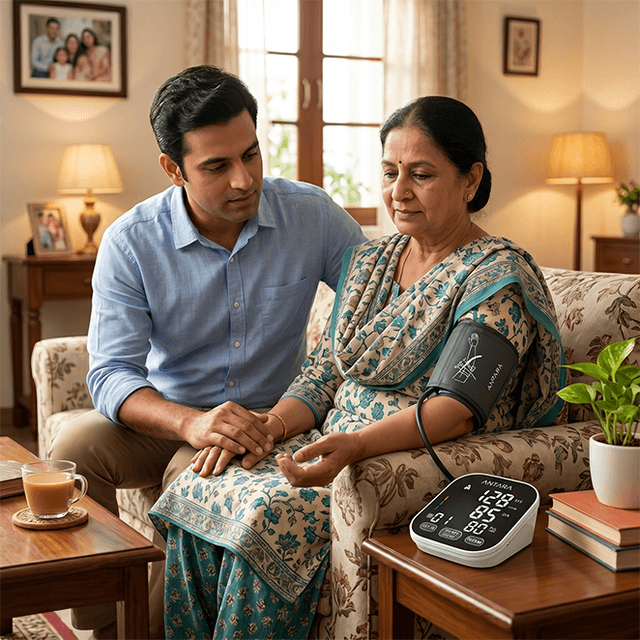
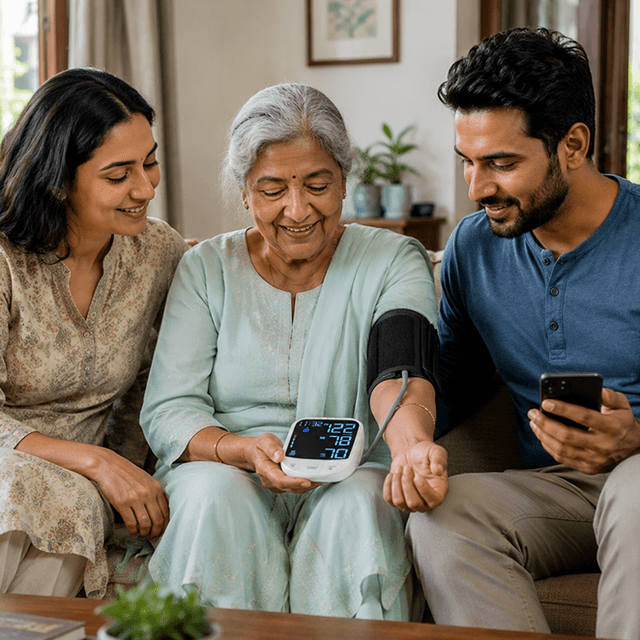
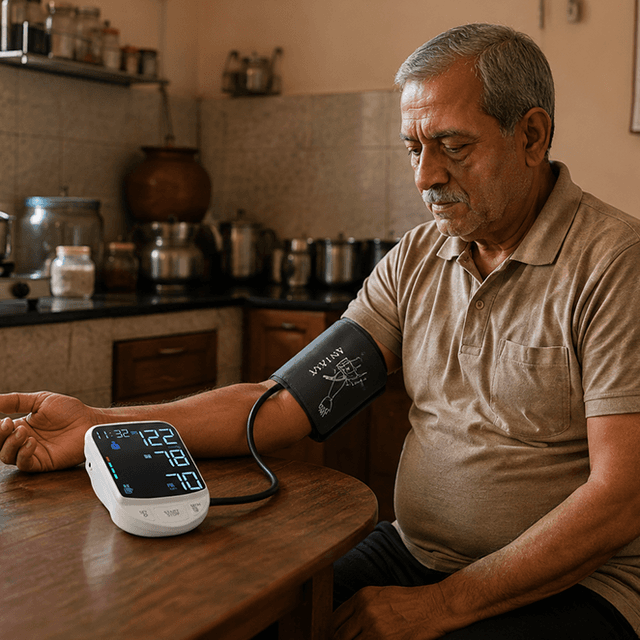
Use the correct cuff size, place it on the upper, bare arm, and have yourself or your parent seated with back support and feet resting flat on the ground. Note your parent's blood pressure, time and symptoms, and the timing of any medicine. Share blood pressure readings that are extremely high or low with the doctor.
AGEasy has an Arm BP Monitor for checking blood pressure at home. Make sure to review any home monitoring devices with your healthcare professional prior to use. Home readings are not a substitute for medical care and should not replace scheduled doctor visits for your parents who are experiencing symptoms of chest pain, headache, difficulty breathing, weakness on one side, confusion, or sudden onset of the symptoms.
<h2 style="font-size: 26px; line-height: 1.4; margin-top: 40px; margin-bottom: 20px; font-weight: 600;