
Fibre-Rich Indian Foods: A 30g Daily Guide for Seniors
Aug 24, 2026
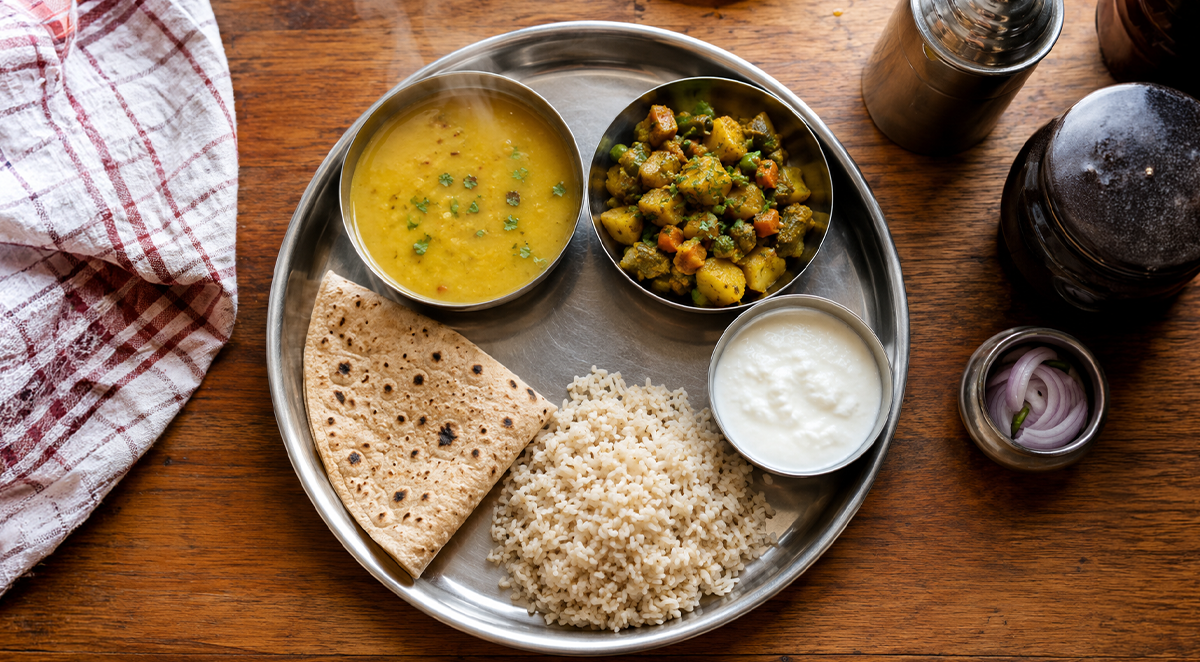
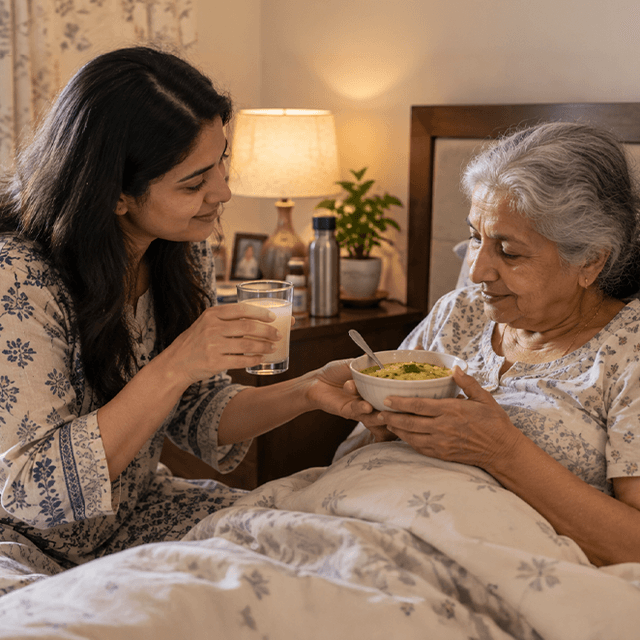
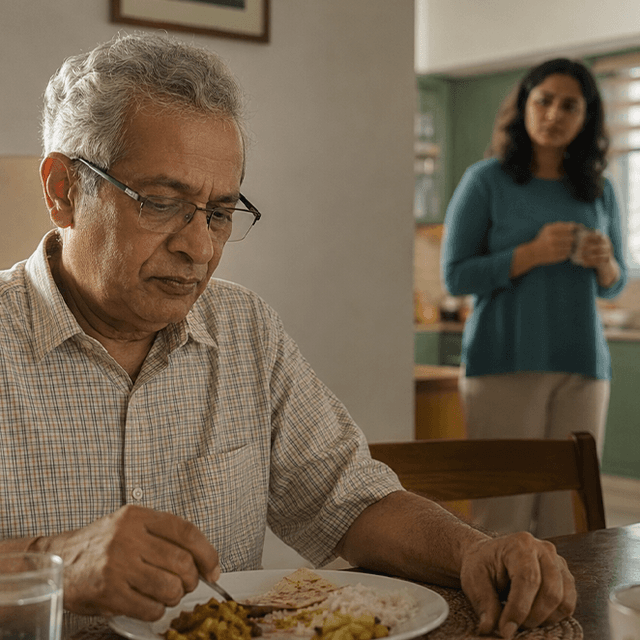
They look healthy, but your parents' meals may still lack enough fiber for healthy bowel movements.
Don’t overlook common Indian dishes. A roti, daal, some sabzi and fruit may not look like a balanced meal to you. However, it may be all most families need before reaching for isabgol or laxatives.
Fibre does not come from one spoon of a supplement. It comes from familiar foods eaten regularly.
Build your meal with:
- Dal, other Pulses
- Whole Grains
- Millets
- Vegetables
- Leafy greens
- Fruits
- Nuts
- Seeds
You don’t need a superfood supplement, big salads or any other fancy healthy foods. Avoid doubling up on fiber overnight, as this also leads to gas and bloating. And don’t forget to drink water.
A simple 30-gram fiber routine can help improve regular bowel movements, overall digestive health, and reduce dependency on supplements:
- A bowl of dal
- Generous serving of sabzi
- One fruit
- Whole Grain Roti
- Handful of nuts
This guide helps you fashion simple fibre-rich breakfast, lunch and dinner meals with snack options that fit in with your Indian meal patterns.
Why Fibre Matters After 60
When people get older, they’re more likely to get constipated. Lack of water, decreased mobility, certain medications, dental problems and reduced appetite make eating enough fiber even harder.
Foods that contain fiber help alleviate constipation because they increase the volume of stool and facilitate movement of stool through the intestine. Some fibers act by also drawing water into the intestine.
Constipation can have lots of causes. Additionally, constipation can be caused by insufficient movement, low fluid intake, changes in daily routine, pelvic floor problems, as well as medications like some blood pressure medications, iron supplements, and pain medications.
The individual’s health, disease state, mobility, and appetite will determine how much fiber is needed. While some people aim to eat 30 grams of fiber daily, a doctor or dietitian should make fiber recommendations if someone has medical problems like kidney failure, narrowed intestines, difficulty swallowing or if someone has complex medical problems.
How to Increase Fiber Without Causing Bloating
To increase fiber intake from 0 to 30 grams overnight causes gas, cramps, and bloating. It’s gradual. Fiber intake should be increased by 1–2 grams every 1–2 weeks.
Here are some easy modifications:
- Swap white rice for brown rice or another millet.
- Add some dal (lentils).
- Eat some fruit with edible skin.
- Improve a main dish for lunch and dinner by adding a vegetable side.
- Improve breakfast by adding a side with fiber.
- Water, dal, soup, chaas, and unsweetened drinks are all fluids for the day.
Patients with heart failure, kidney disease, or restricted fluids should avoid changing their fluid intake, and instead should follow the doctor's order.
Breakfast Ideas With Fibre
Breakfast sets the tone for the rest of the day. Keep it familiar and add fibre through small, manageable changes.
- Add a boiled egg or curd to a vegetable upma or oat porridge for a combination of whole grains and fibers. Serve along with mint chutney and a moong dal chilla.
- You can also serve poha made with peanuts and vegetables along with curd. Serve an apple and curd or a bowl of oats to add sweetness to the breakfast without adding sugar.
- Serve poached poha with peas instead of juice to add fiber. Avoid juicing to prevent consuming high amounts of sugar without feeling full.
Fibre-Rich Options for Lunch
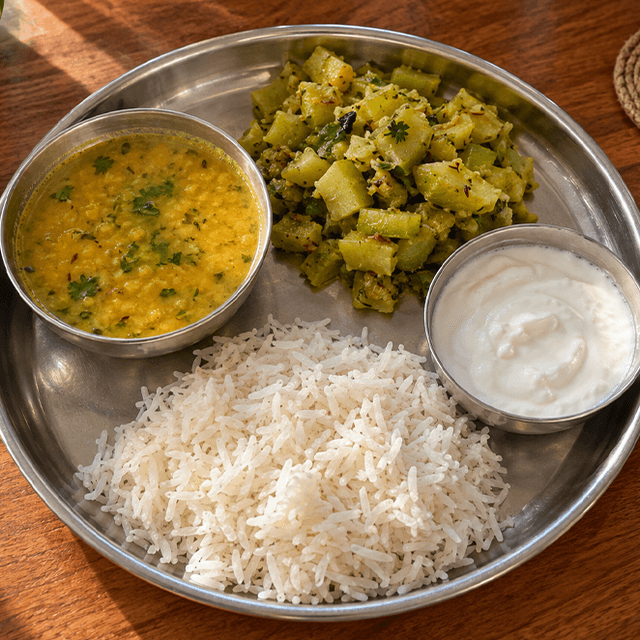
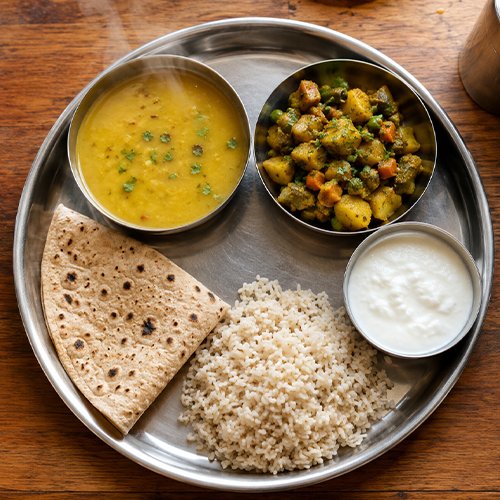
Another easy way to increase fiber for lunch is to build the plate around dal and vegetables. A practical plate includes:
- A bowl of cooked dal, rajma, chana, or other pulse
- One or two portions of cooked vegetables
- One or two whole-wheat rotis
- A small serving of brown rice or hand-pounded rice
- Curd or chaas if tolerated
For the week, rotate the pulse selections.
For people with sensitive digestion, moong dal can feel lighter. Masoor dal, chana dal, rajma, chickpeas, etc. provide more fibre and variety.
Soak the beans, and cook them until they are soft, to help with digestion.
If your parent has gas due to beans, introduce smaller servings. It is also best to not eliminate pulses as a complete avoidance of pulses should only be ordered by a health care professional. Try rinsing canned beans thoroughly and cooking them well.
Use seasonal selections of vegetables. Examples include cauliflower, cabbage, spinach, and drumstick. During the summer, you could substitute with tori and lauki. For a harder to chew or more sensitive digestion population, a sabzi is a better substitute than a large raw salad.
Fibre-Rich Dinner That Keeps It Comfortable and Lighter
Dinner does not have to be heavy to provide fiber. Try moong dal khichdi, a bowl of dal with two rotis and sabzi or a vegetable millet preparation with curd.
A soft meal is often a good option for a digestion-challenged older adult who becomes bloated after a large meal. Vegetables in khichdi can include carrots, beans, peas, spinach or bottle gourd.
Do not make fibre the main focus of every meal. Distribute fibre through the day by avoiding a large bowl of beans, raw veggies, or bran at night and then adding a small serving of each in the mornings and throughout the day. Keeping a routine this way should be easier and more comfortable.
Fibre-Rich Snack Options
Please find some fibre-rich snack ideas as per your appetite and chewing ability:
- Guava or pear
- Papaya with soaked almonds
- Roasted chana
- A few soaked almonds
- Fruit with curd
- Sprouts, prepared hygienically and lightly cooked
- Peanuts, walnuts, or makhana
Nuts and seeds offer fibre along with healthy fats and a decent amount of calories in a small serving, so keep portions limited because they are energy dense. For elderly adults who have difficulty swallowing, grind nuts or use a smooth nut butter after discussing with your health care professional what is a safe texture.
The Role of AGEasy Products
Fibre routines are best achieved by adding food first. Supplements should only be part of the plan if the person doesn’t have regular medical care as part of the plan.
AGEasy Consti Calm is a general gut supplement containing prebiotics and herbal actives. Before you decide to give this supplement to your parent, read the label and take it to your doctor or pharmacist, especially if your parent takes a lot of medicines, has many other illnesses, or long-standing constipation.
AGEasy Gut Balance is a daily prebiotic and probiotic formula from AGEasy, another gut-care product. Because the effect of probiotic products varies from person to person, it is recommended that you introduce one product at a time and look for symptoms such as abdominal discomfort (bloating) or loose stools.
Neither of these products should be a replacement for a diet that is rich in fiber, prescribed therapy, or evaluation for long-standing constipation. Supplements should not be used for frail elderly or for those with significant health problems unless recommended by a health care professional.
A Simple Sample 30g-a-Day Routine
- Breakfast: oats cooked with veggies like peas and carrots, one orange.
- Mid-morning: one guava or pear.
- Lunch: one dal, two whole-wheat chapattis, one serving of bhindi (okra) and a bowl of curd.
- Evening snack: chana with a few peanuts.
- Dinner: moong dal and spinach vegetable khichdi.
The fiber quantity will depend on the serving sizes and the type of preparation done. This sample just provides an idea of a routine to follow and can be adjusted after taking dietitian’s advice.
When to Seek Medical Care
Seek medical care for constipation that is both long-lasting or keeps recurring, or constipation that is of sudden onset.
Also, seek medical care if there is severe abdominal pain that is of new onset and getting worse, if you vomit, if there is swelling of your abdomen, if there is blood in your stool, if the stools are black, if there is unexplained loss of weight, if you cannot pass gas or stool, if you have a fever, or if you have other symptoms that concern you.
A change in therapy should be considered instead of just stopping your medications. This may include a stool-softening therapy with a change in the therapy and a recommendation for another therapy.
For your parents, the most sustainable fiber routine will incorporate familiar foods, gradual changes, adequate fluid intake, and movement that fits their abilities. Begin with adjusting one meal as comfortably as possible, and build from there.
Disclaimer: This article provides general information and should not replace individualized advice from a doctor or dietitian.