
Parkinson's After 60: Early Tremor Signs and the Daily-Living Aids That Genuinely Help
Aug 4, 2026
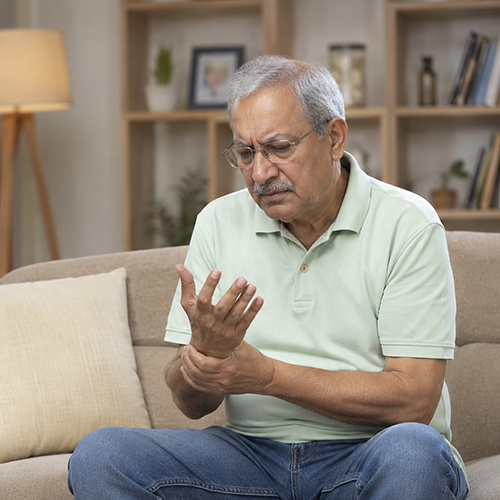
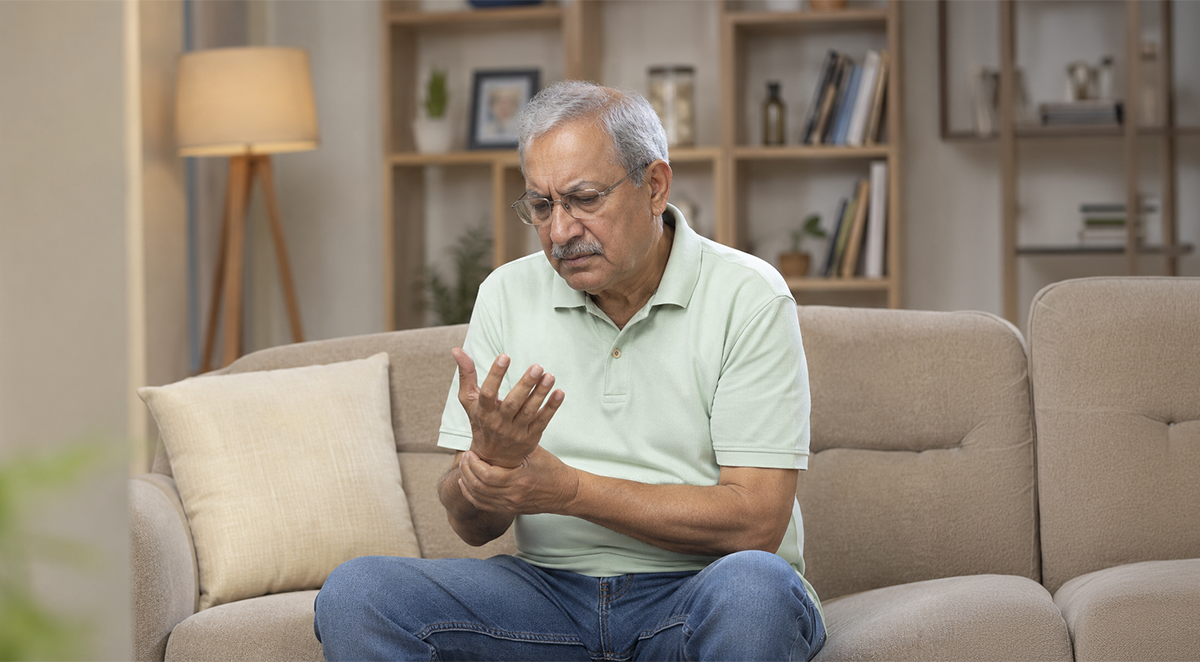
It usually starts with something so easy to overlook that relatives miss it. One hand may have a minor tremor while resting. Handwriting may become smaller and more cramped. Movements may be more delayed. A person may become less expressive in the face. These changes can be attributed to normal aging, stress, or fatigue, and so the early symptoms of Parkinson's are often missed.
While there is no cure for Parkinson's disease, recognizing the warning signs early can slow its impact on a senior's body. With the help of immediate medical intervention, appropriate treatments, and some changes to the living situation, caregivers can help their loved ones retain their mobility, independence, and self-assurance for a longer period of time. Understanding the early symptoms, along with knowledge of living aids that can improve safety and comfort can help families make more informed decisions and provide greater assistance to their loved ones.
Why Early Signs are Overlooked in People Over 60
A lot of families attribute the first signs of Parkinson's to aging. A parent is walking slower than usual, so the adult child slows their pace to match them. If a parent's handwriting is small and cramped, children tend to read and interpret it more slowly and carefully. Each of these changes in behaviour appears to be minor, and none of them screams 'see a doctor'.
It is a slow but progressive disease. The symptoms appear and build up over months and years rather than days. Because of this, the changes tend to be more subtle and easily overlooked. The brain loses dopamine-producing neurons long before any issues with movement become clinically evident. By the time tremors or rigidity are noticeable, the disease is usually quite advanced. This is why learning to recognize these changes is invaluable.
Early Signs of Tremors and Movement Disorders
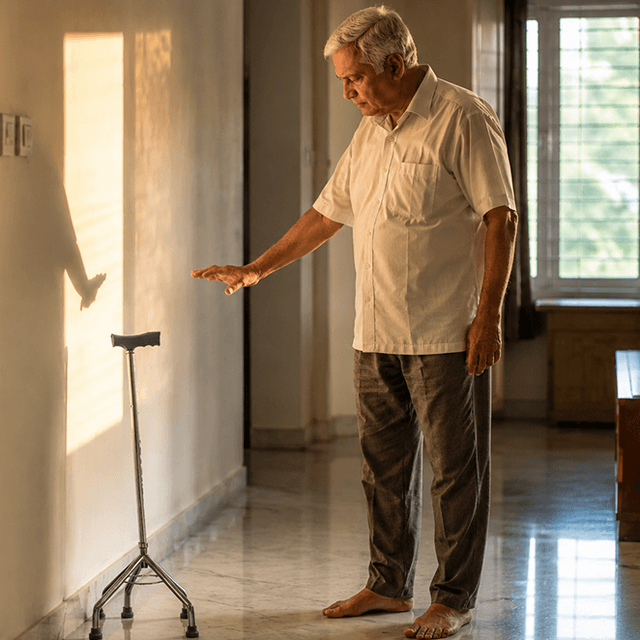
A common sign of resting tremors can be a single hand or finger tremor that occurs while the limb is still. The tremor will stop when your parent is reaching for something or is busy with an activity. A classic early sign is a thumb and finger tremor also known as pill-rolling.
Tremors are not the only sign so look for other changes as well:
- Micrographia: This decreases handwriting size as well as increases crowding within a line of text.
- Slow movement: Everyday tasks such as buttoning shirts or getting up from chairs take longer than they used to.
- Stiffness: Muscles may start to ache and your parents may describe their arms swinging less while walking.
- Softer voice: Speech can become quiet, and family members may ask them to repeat themselves if slurring occurs.
- Fixed expression: The face slowly starts showing less emotions.
- Balance issues: Falling is a greater risk for those with bent postures and smaller, shuffling steps.
- Changes to sleep and smell: Restless, active dreams and reduced smell can appear years before movement symptoms.
A single symptom rarely indicates Parkinson's. If multiple symptoms are observed, this should be discussed with a doctor.
When to Consult a Doctor
Make an appointment if resting tremors, persistent stiffness, or clear slowing down of movement are observed. Your parent will be evaluated by a neurologist, preferably one focused on movement disorders, to exclude other possible diagnoses.
Early diagnosis allows for treatment options. Some forms of medication can help replace or mimic dopamine, alleviating some of the symptoms for different people. Physiotherapy can help keep the muscles strong and the joints mobile. Speech therapy can help assist with a clearer voice. The quicker your parent can start therapy, the longer your parent may be able to keep their independence. Have a list of changes that you have observed and, if possible, a short recording of the tremor so the doctor can get a good assessment.
Really Useful Aids For Day-To-Day Living
The right aids at home also reduce the risk of falls, support your parent's independence, and relieve the burden on your parents and the family. Focus on the greatest challenges Parkinson's poses to day-to-day living: safe walking, bathing, and moving around the home.
Walking and Balance Aids
When shuffling and stepping becomes troublesome, falls become a significant risk. A suitable walking aid can restore some steadiness and confidence.
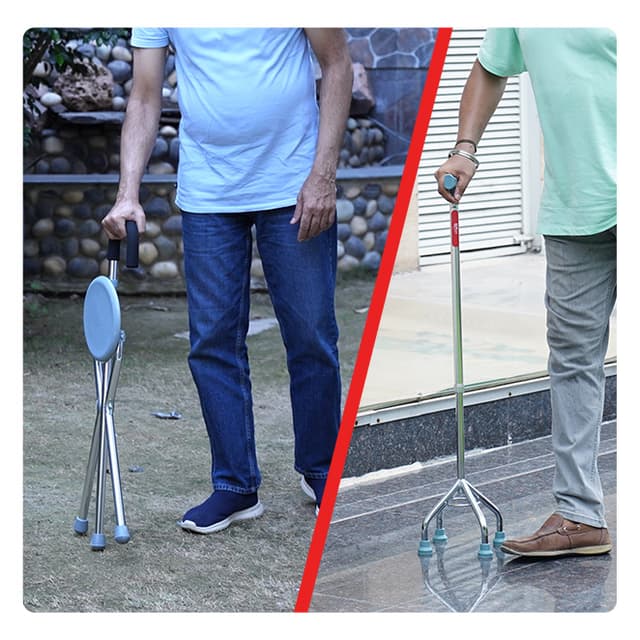
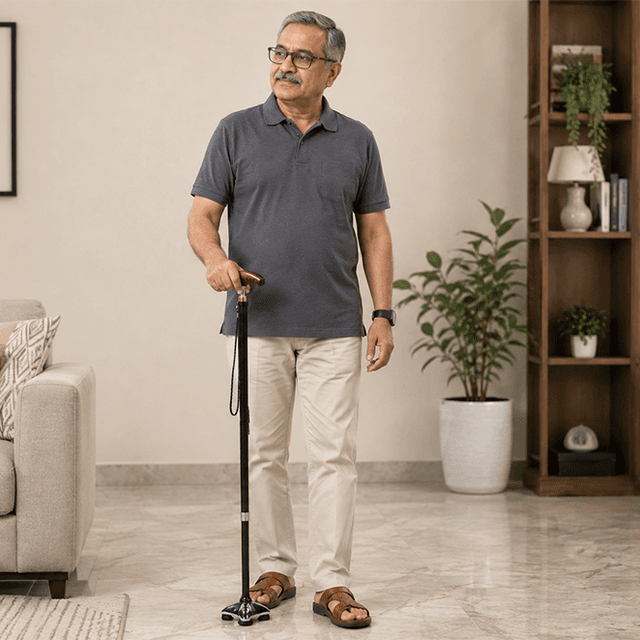
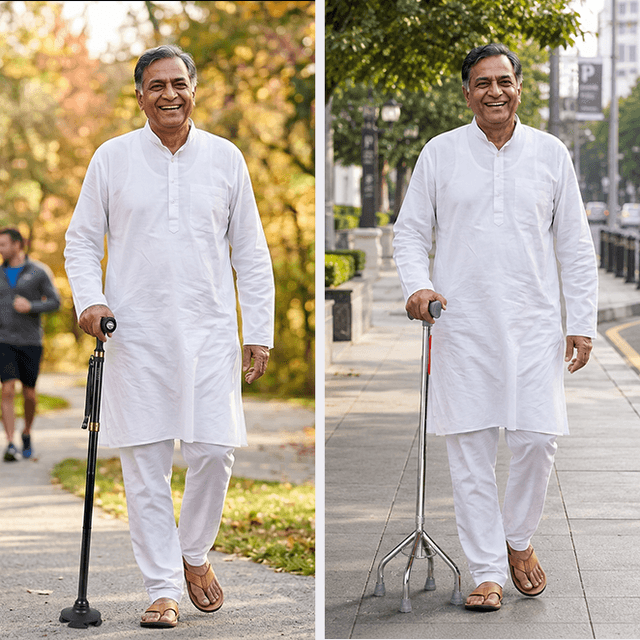
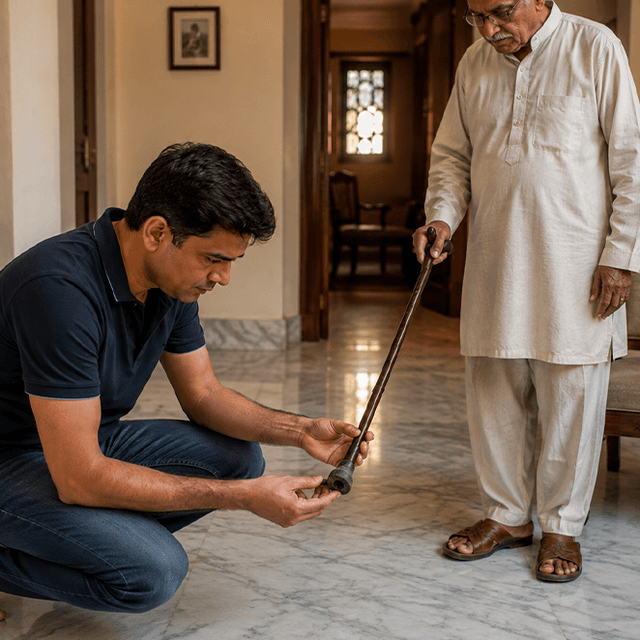
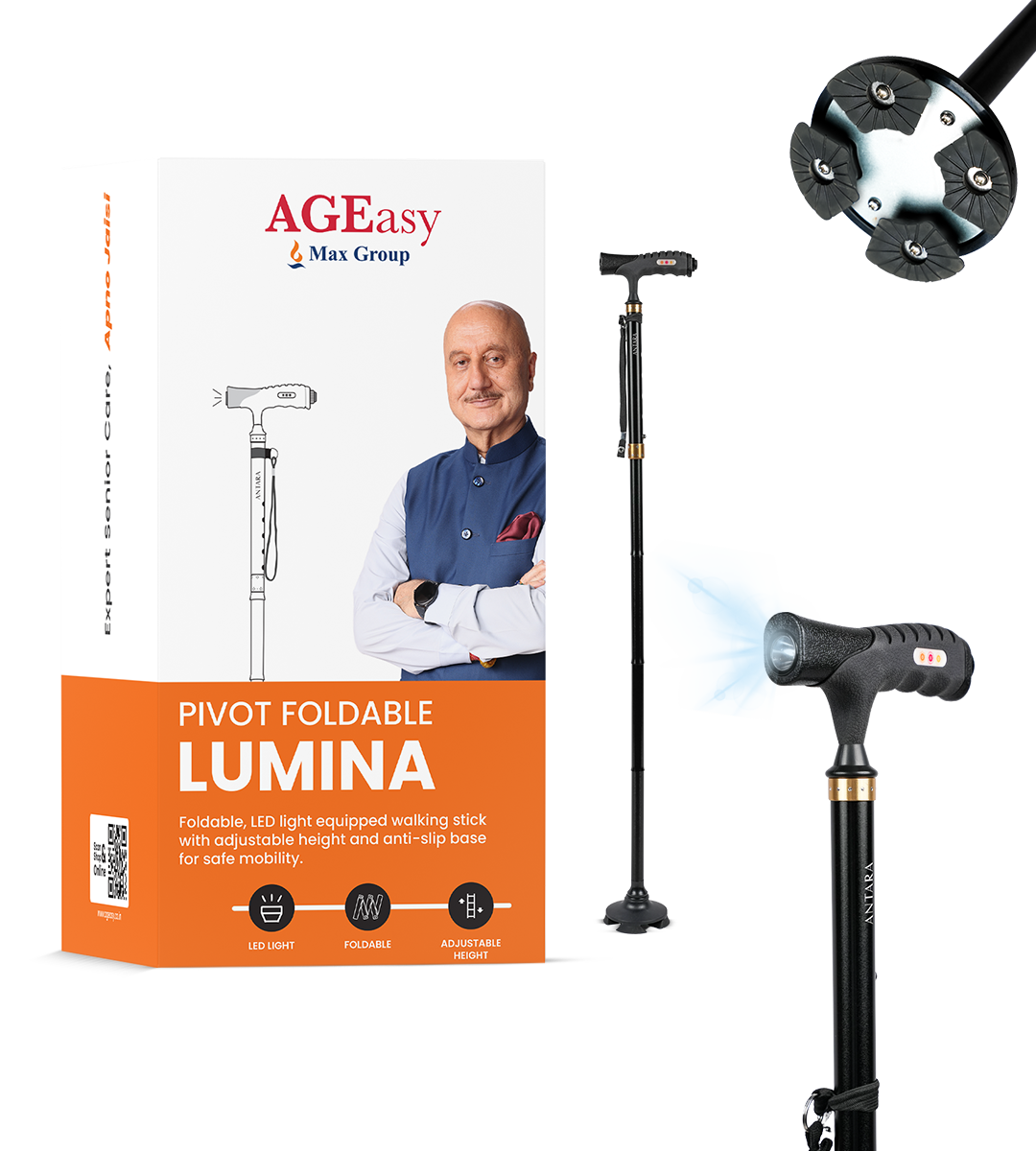
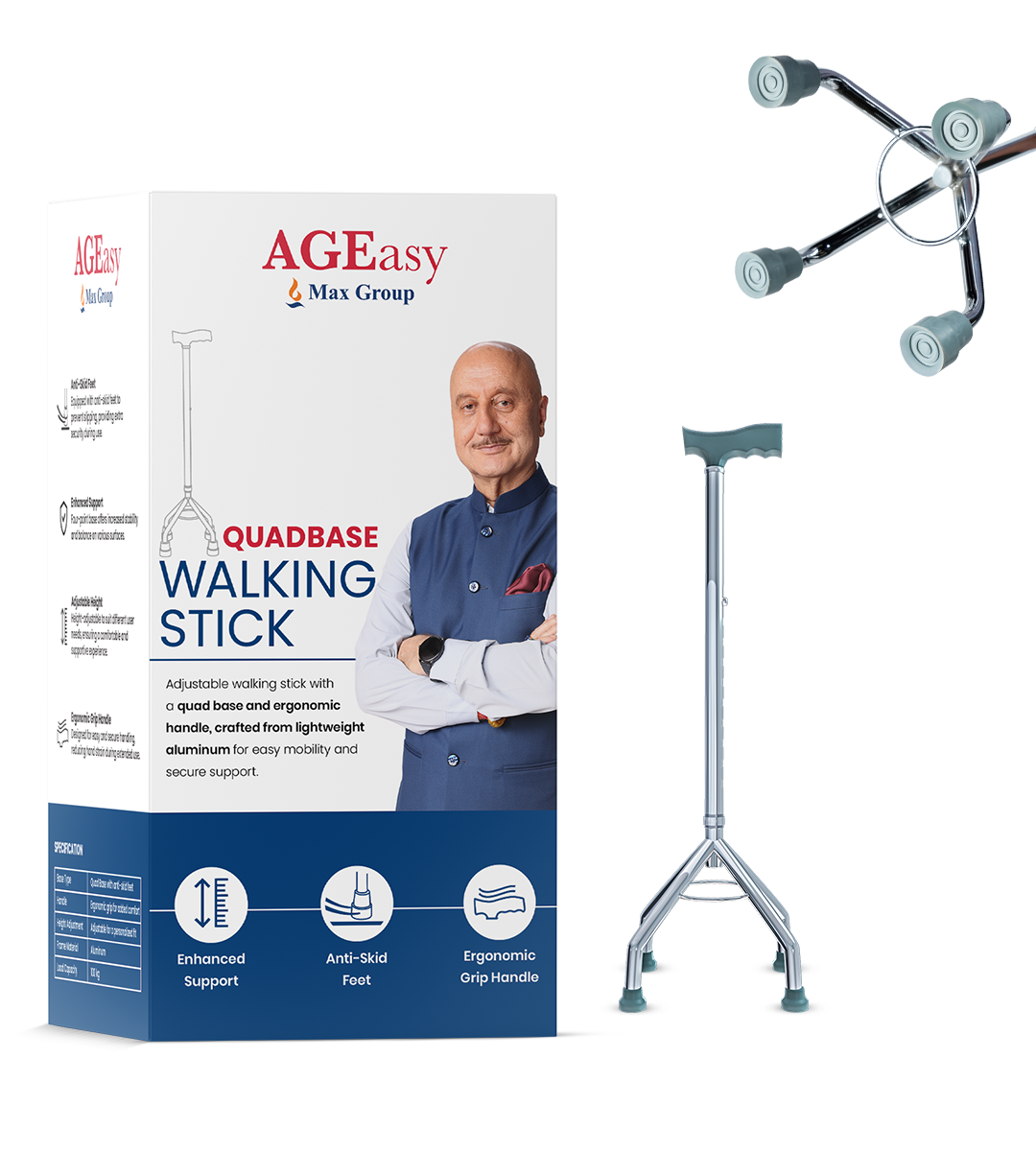
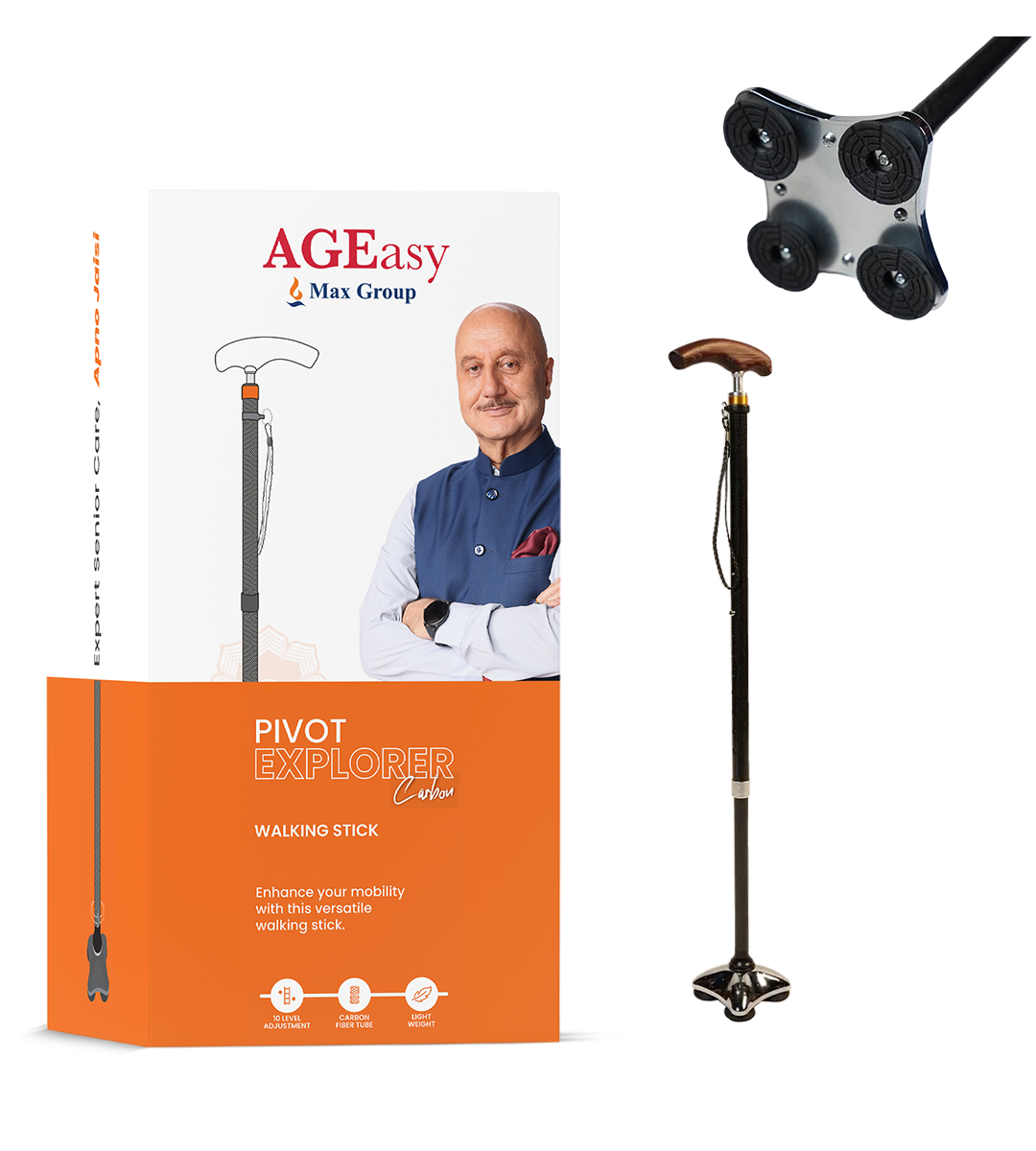
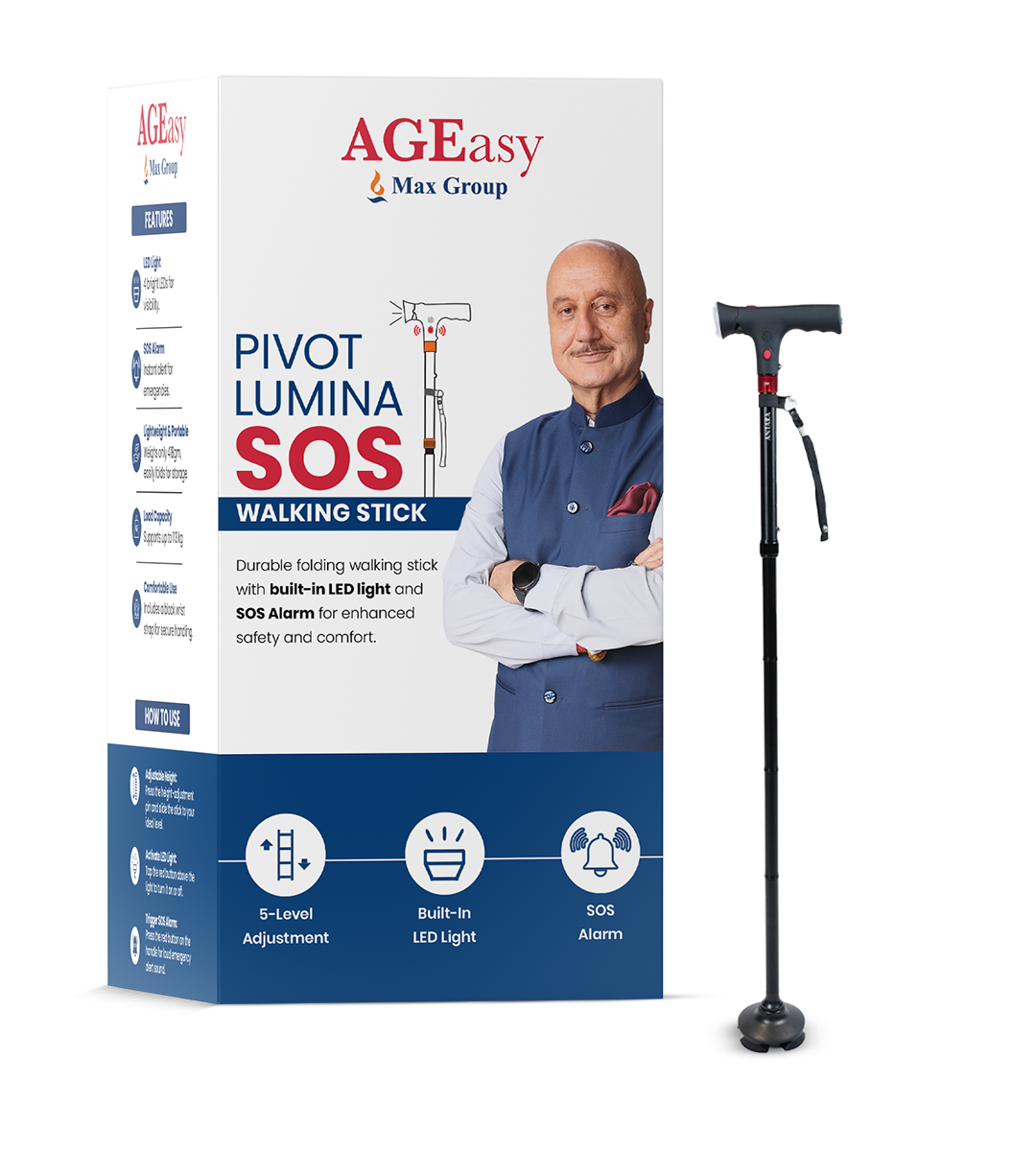
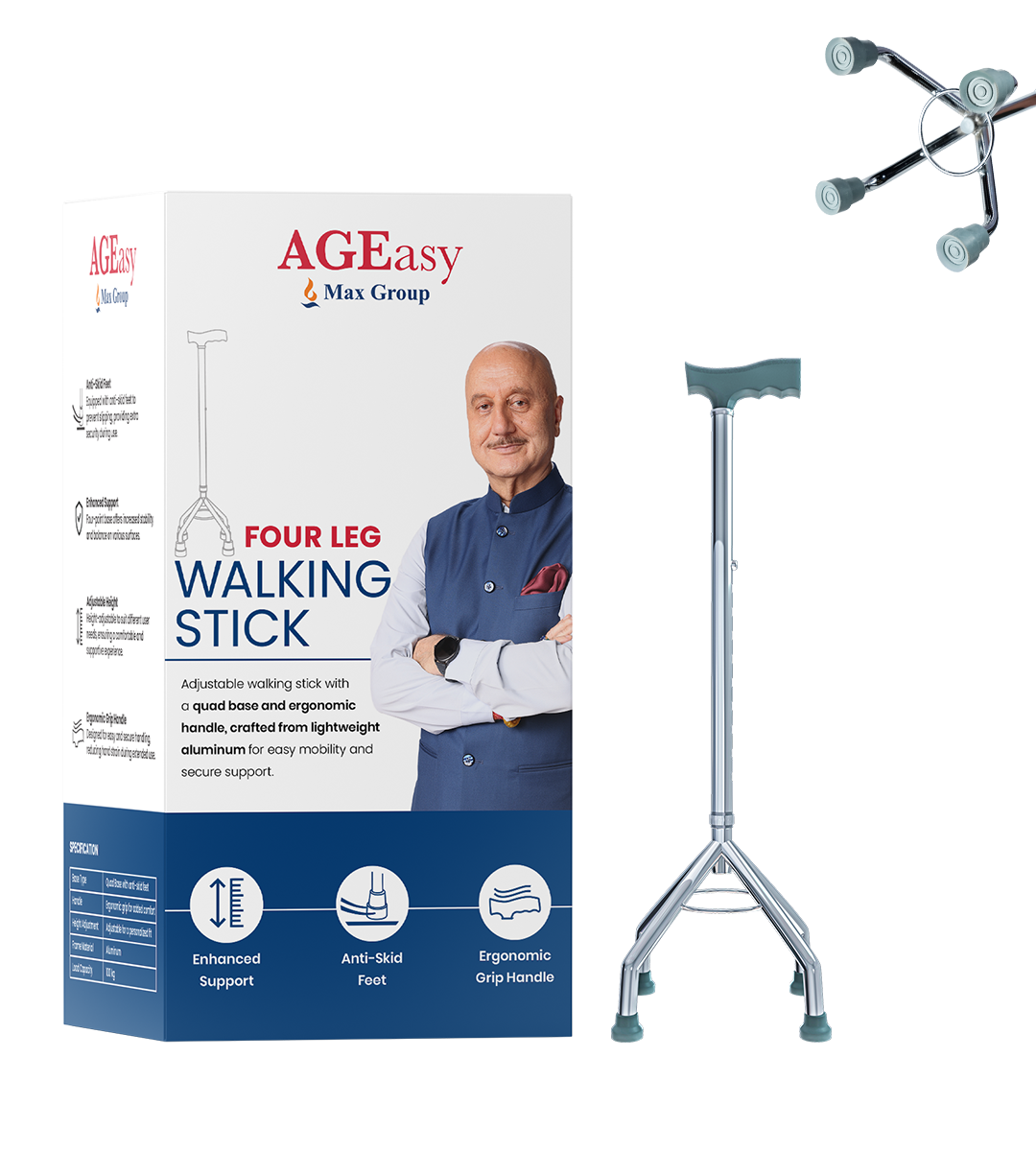
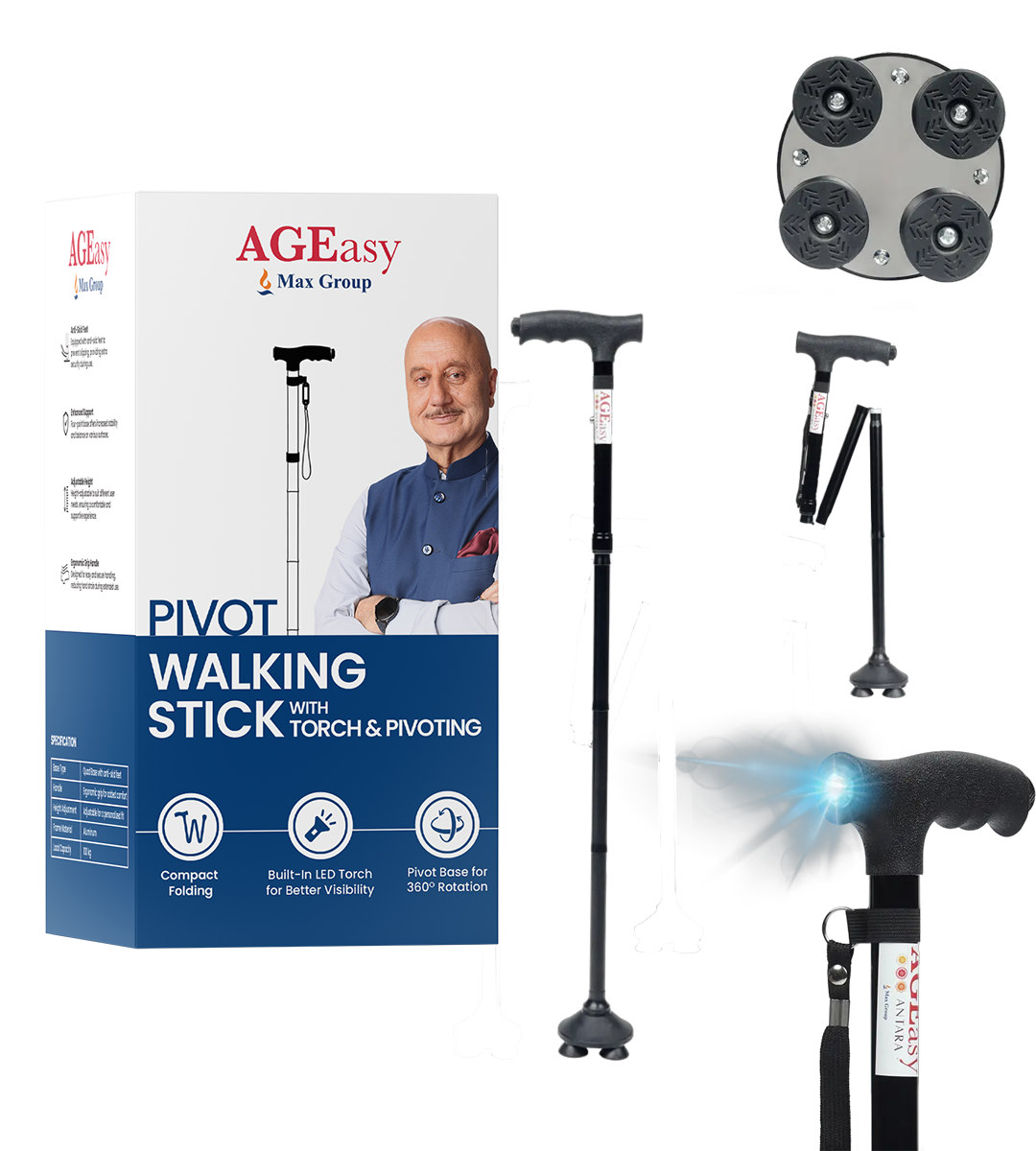
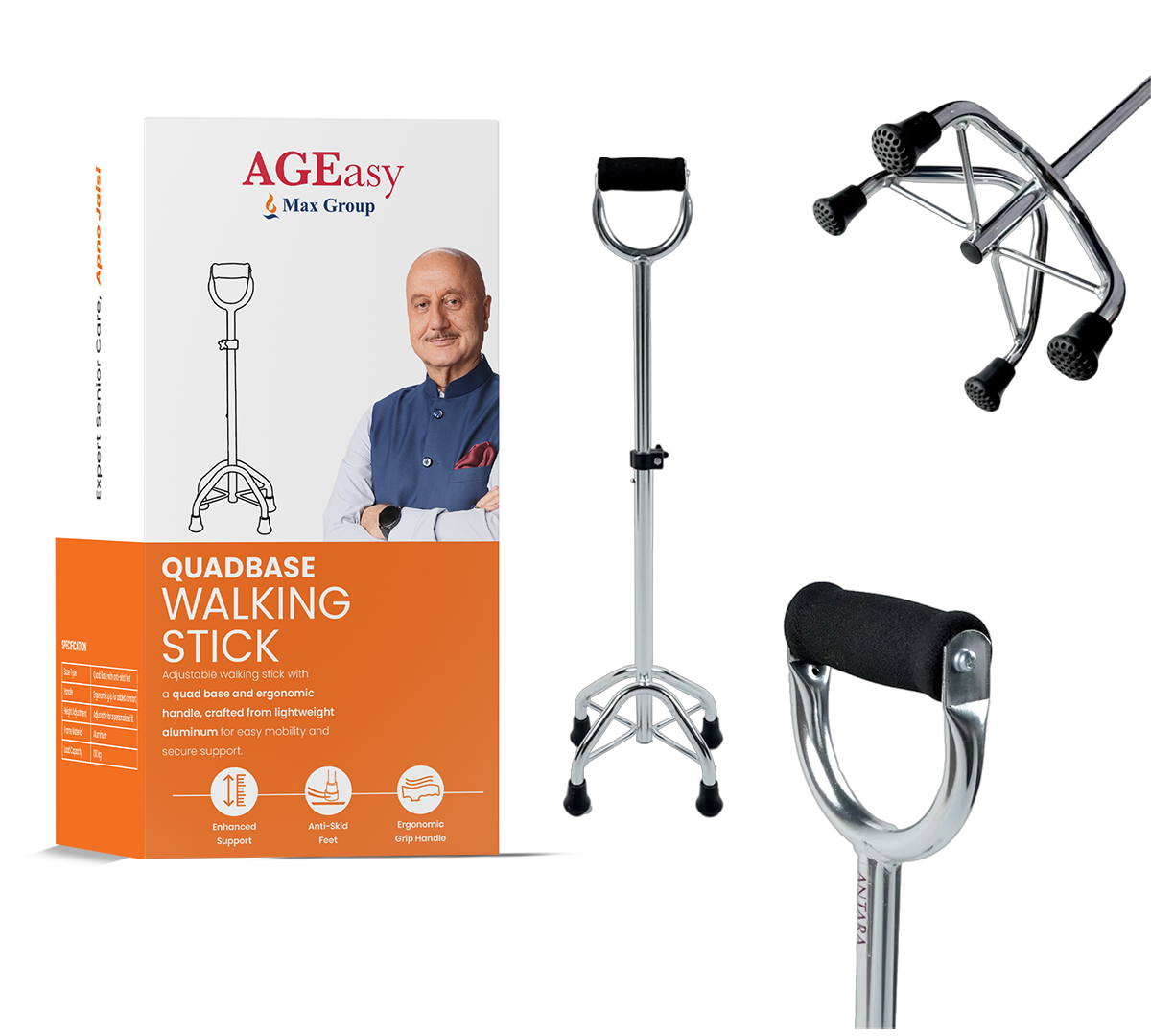
An adjustable, lightweight walking stick is suitable for someone with mild balance problems, providing support outdoors and on longer walks. For parents who become tired during walks, the Walk & Rest Stick provides a seat for them to rest. The AGEasy four-leg walking stick will give parents a more stable option when their balance is poor. The AGEasy foldable walking stick is also great for travel and storage.
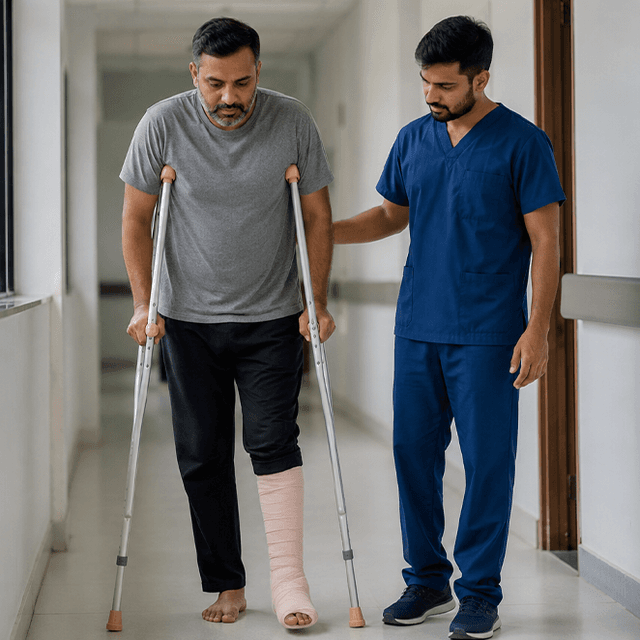
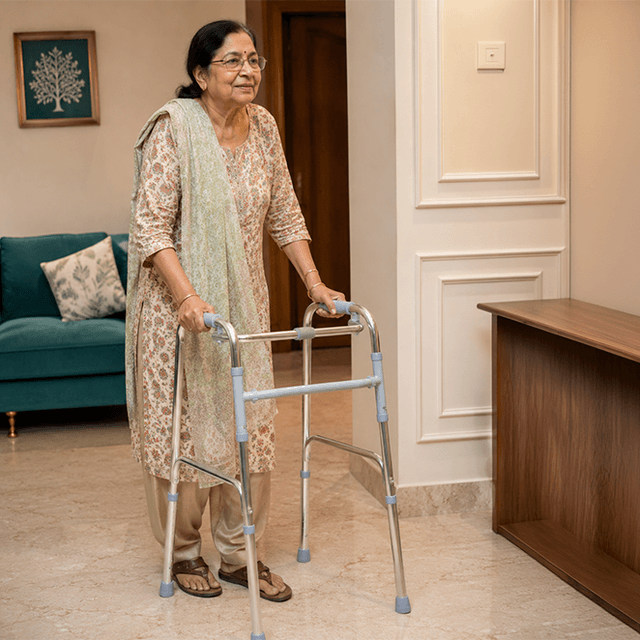
For parents who need support on both sides, a walker will be best. Occupational therapists can help you select the right aid for your parent's current needs.
Bathroom Safety
The presence of liquid and slippery surfaces means that bathrooms are usually high-risk areas in homes. However, some simple products can lower the risks.
AGEasy Grab bars can assist your parent in transitioning between the different positions. Tilt toilet grab bars with floor support can even provide stabilization while they are near the toilet, and fold up grab bars can be out of the way when not in use. Also, AGEasy anti-slip grab bars provide a safe place to grab during bathing or showering. These can be used in addition to shower chairs and anti-slip mats from the bathroom safety range to ensure that your parents can sit comfortably and safely while bathing, rather than having to stand and balance on a slippery surface.
Fall Prevention Around the Home
Falls in bathrooms and elsewhere in the home can lead to hospital visits for older adults suffering from Parkinson's disease, and likely result in the loss of confidence for the victims. However, there are steps that can be taken to reduce or even eliminate the likelihood of a serious falling event. For example, walking areas of the home should be cleared of loose rugs, trailing cables, and the lighting in dim areas should be improved to reduce the chance of a fall.
The fall prevention range at AGEasy provides an assortment of safety products that can be combined with support aids to increase the overall effectiveness of fall prevention. For a parent who also copes with joint pain that limits movement, knee supports can help maintain stability and increase comfort during walking.
Encouraging Your Parent Beyond Equipment
While equipment reduces many risks, healthy daily habits are just as important in maintaining mobility and independence. Encourage gentle exercise such as walking, stretching, or tai chi to maintain muscle activity and improve mood. Ensure that your parents get enough food, rest, and do some social activities to maintain an overall better well-being. If some of the tasks you perform for your parents take longer than expected, try to be patient and allow him/her to do whatever she/he is able to do by themselves as this preserves a sense of dignity and self-confidence.
Keep the medical team informed as symptoms change. Parkinson's changes with time, and so should the treatments. Your home observations are critical to the doctor between visits.
The Bottom Line
Parkinson's disease rarely announces itself. It presents itself through subtle changes such as resting tremors, a decrease in the size of one's handwriting, a reduction in the speed of steps taken, or a decrease in the volume of one's voice.
When these changes are observed and acted on quickly, it gives your parents the best chance to remain mobile and independent for a longer period of time. When combined with prompt medical attention, practical home aids such as walking sticks, grab bars, and bathroom safety products can be used to increase the safety and stability of your loved one's daily life.
Disclaimer: This article provides general guidance and does not constitute medical advice. A qualified neurologist should be consulted regarding your parent's individual case, including recovery, timing, and specific conditions.