

Walker Price in India: Standard, Rollator and Reciprocal Compared
Aug 30, 2026
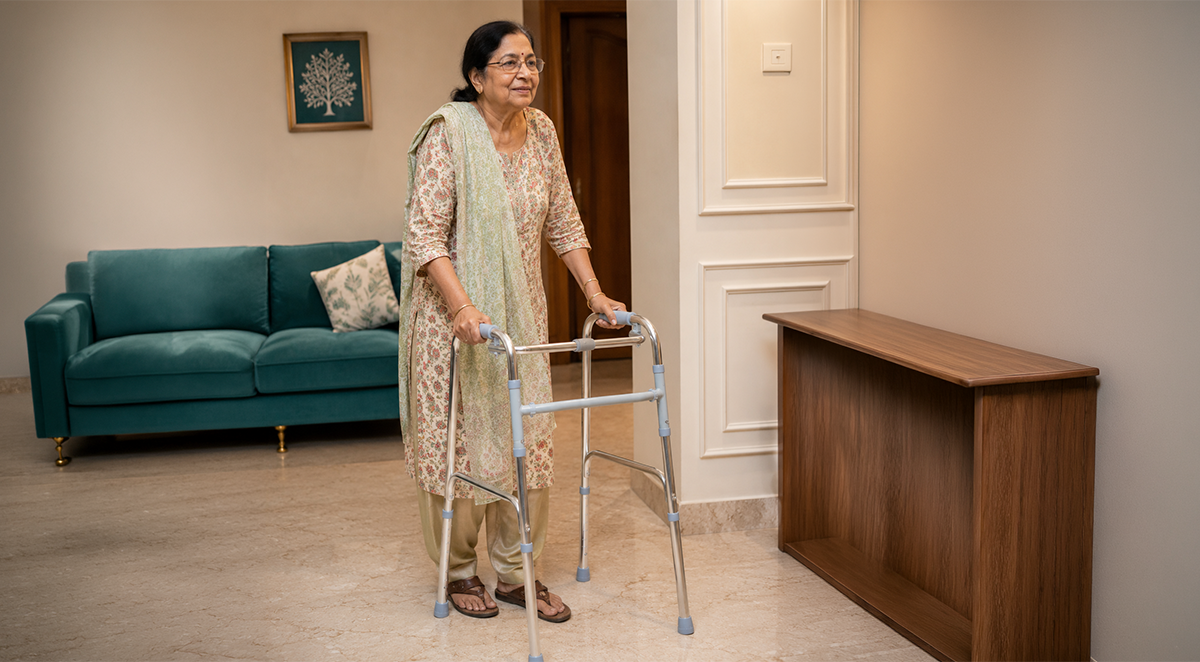
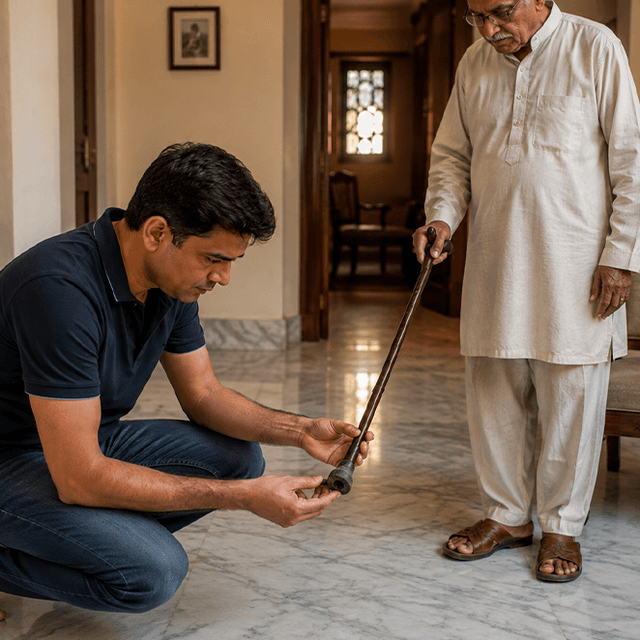
It can be worrying to watch a loved one take their first steps with a walker. There are many factors that can make moving around the house feel unsafe. A loose rug or a turn from the bedroom to the bathroom can affect daily movement.
Choosing a walker requires understanding several factors, including hand control, the layout of the home, and the user's strength and balance.
A lower price may seem like better value, but this is not always the case. A wheeled frame may not be the right solution for every older adult. Although it requires supervision and practice, a reciprocal walker can support a more natural walking pattern. A standard walker provides a sturdy base, but repeatedly lifting the frame can be tiring.
This guide compares standard walkers, rollators, and reciprocal walkers, including their typical price ranges and key features for Indian families.
Factors Influencing the Price of Walkers in India
In India, walker prices can vary depending on the frame material, wheels, folding design, seating availability, braking system, height adjustment, weight capacity, and brand.
Basic aluminium walkers without wheels are generally more economical. Wheeled walkers with hand brakes and seats, as well as more advanced folding walkers, generally cost more.
Online prices may be lower or higher than prices at local medical-equipment stores. Prices can also fluctuate because of stock availability, promotions, delivery location, and taxes.
The selected walker should be appropriate for the user, taking into account your loved one's strength, balance, and the layout of the home.
Standard Walker Price and Features
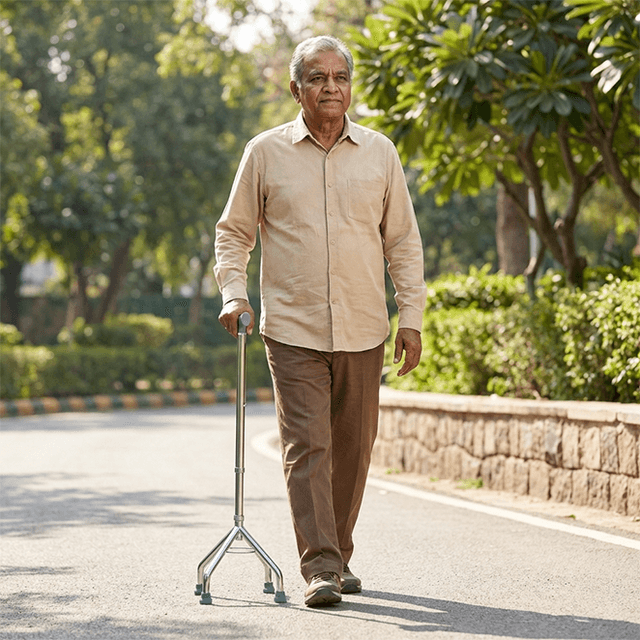
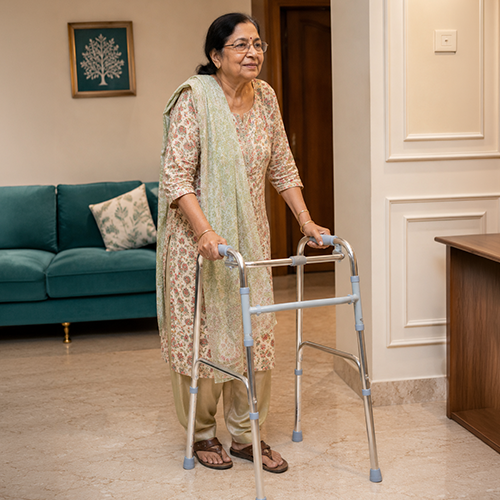
A standard walker has four contact points and no wheels. The user lifts the frame and positions it slightly forward before taking a step. This design provides a stable base for users who need firm support while standing and taking short steps.
The cost for a basic standard walker in India can range from about ₹1,000 to ₹3,500. The price depends on features such as lightweight aluminium construction, height adjustment, a foldable frame, and rubber tips.
A senior who has difficulty controlling wheeled equipment may feel more secure with a standard walker, particularly on smooth indoor surfaces. The AGEasy Walker for Elders Without Wheels is a standard walker option.
The height of a standard walker needs to be adjusted correctly. When your parent is standing with a relaxed posture, the handles should generally fall around the wrist crease.
A physiotherapist or trained clinician should assess the fit if your parent has pain, weakness, balance problems, or has undergone surgery recently.
Rollator Price and Features
A rollator is a wheeled frame that can have either two or four wheels. Many rollators also have hand brakes and a built-in seat, while some include a pouch or basket.
This design is suitable for a parent who has the hand strength and control needed to manage the frame and its brakes. Instead of lifting the walker, the user guides the rollator forward.
In India, you can expect to spend approximately ₹3,000 to ₹15,000 or more for a rollator. Generally, a two-wheel walker will cost less than a four-wheel rollator, while models with seats, storage, parking brakes, and sturdier frames may cost more. Imported four-wheel rollators can cost more as well.
The AGEasy Rollator with Seat is one option for seniors who can safely control a wheeled frame.
A built-in seat allows the user to rest, but it also adds weight and can affect how the rollator handles. Your parent should lock both parking brakes before sitting.
Sitting on a rollator should never be treated as a substitute for a wheelchair, particularly for someone who cannot stand or control the brakes safely.
Before purchasing, pay attention to the weight of the frame, seat size and height, folded dimensions, brake grip, user weight limit, and wheel size.
Make sure the rollator is functional on the surfaces that are most common in your home. A rollator that is easy to push on a smooth surface may not be suitable for uneven or sloped terrain.
Reciprocal Walker Prices in India
A reciprocal walker is also commonly known as a step walker. A step walker allows the sides of the frame to move alternately and can support a more natural walking pattern than a completely rigid frame.
In India, reciprocal walkers generally sit in a mid-tier price range between standard walkers and premium rollators. Models usually retail between ₹2,000 and ₹5,000, depending on the frame type, adjustment range, folding design, and brand.
The AGEasy Step Walker for Elders is a reciprocal walker option. The source describes it as having a lightweight yet durable frame, a comfortable grip, rubber tips, adjustable height, and reciprocal mode.
Reciprocal walkers require greater coordination than standard walkers. Initial guided use is advisable, followed by practice on a flat and clear surface with a caregiver nearby.
The user should aim to control one side of the frame while applying appropriate weight-shifting principles. Avoid rushing, twisting, and stepping outside the frame, as these can increase the risk of falling.
Standard, Rollator, and Reciprocal Compared
| Feature | Standard Walker | Reciprocal Walker | Rollator |
|---|---|---|---|
| Typical price in India | ₹1,000 to ₹3,500 | ₹2,000 to ₹5,000 | ₹3,000 to ₹15,000 or more |
| Wheels | No wheels | Usually no wheels | Two or four wheels |
| Stability | High | Moderate to high | Depends on user control and balance |
| Walking pattern | Requires lifting and repositioning | Supports a more natural, alternating walking pattern | User guides the walker forward |
| Arm strength required | Sufficient strength to lift the frame | Less lifting than a standard walker | Sufficient hand strength and control for brakes |
| Brakes | No | No | Usually has hand brakes and parking brakes |
| Seat | No | No | Often includes a built-in seat |
| Storage | Usually limited | Usually limited | Often includes a pouch or basket |
| Best suited for | Users who prioritise a firm, stable base | Users who find a rigid frame difficult to lift | Users who can control a wheeled frame for longer distances |
| Main consideration | Can be tiring to lift repeatedly | Requires greater coordination and guided practice | Requires good balance, control, and ability to use the brakes |
| Related AGEasy products | AGEasy Walker for Elders Without Wheels | AGEasy Step Walker for Elders | AGEasy Rollator with Seat |
How to Choose the Right Walker for Your Aging Parent
Start by understanding the specific need for the walker. Speak with a clinician or physiotherapist to determine whether your parent needs a standard frame, a reciprocal frame, or a wheeled frame.
Consider your parent's:
- Leg strength
- Balance
- Vision
- Hand grip
- Reaction time
- Confidence while walking
The home environment also needs to be assessed. Check the width of doorways, access to the bathroom, rugs, stairs, available space, and a suitable location for storing the walker.
Check walker tips and brakes for wear. Rubber tips should be replaced when they begin to slip.
Assist your parent in practising transfers and walking routes, including getting to and from the bathroom. Practise standing up from and sitting down on a stable chair while using the walker only for support, as instructed by a physiotherapist.
When to Consider Professional Consultation
Book an assessment if your parent experiences falls, new gait changes, unexplained dizziness, one-sided weakness, new or increased pain, confusion, or significant changes in confidence while walking.
A walker is not a diagnosis or a treatment. A clinician should evaluate new symptoms and provide recommendations for safe mobility.
A physiotherapist can assess walking, walker height, turning technique, footwear, and hazards in the home environment. Request a demonstration before allowing your parent to use a new walker model.
Guidance before using a new model can help prevent the development of unsafe habits.
Final Buying Checklist
Before purchasing a walker, compare:
- Price and warranty
- Return policy
- Frame weight
- Height and weight limits
- Folded dimensions
- Rubber tips
- Wheels
- Brakes
- Seat height, where applicable
- Delivery availability
Check the product when it arrives. If possible, the user should try the walker before regular use. Keep the packaging until the walker has been inspected and accepted, as the return policy may require the original packaging.
Most importantly, the parent must be able to use the mobility device safely and confidently, and the choice should align with clinician recommendations for home use.
For a firm base, a standard walker may be appropriate. For wheeled movement, a rollator may be considered, while a reciprocal walker can support an alternating walking pattern. Price is important, but safe use and correct fit are more important.
Disclaimer: This article is intended to provide general information only and is not a substitute for medical care, physiotherapy assessment, or diagnosis. It is recommended that you consult a qualified healthcare professional regarding walker selection for an older adult who has pain, weakness, balance changes, recent surgery, or a history of falls. Product prices, availability, specifications, and warranty terms are subject to change. Please confirm the details on the vendor's product page before purchasing.