

Physiotherapy at Home for Seniors: What a Session Involves and How to Vet a Physio
Aug 24, 2026
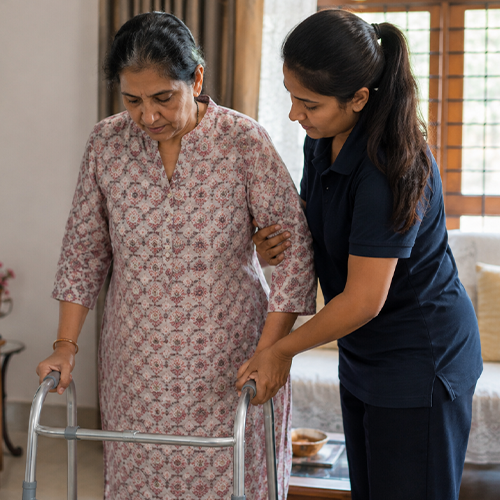
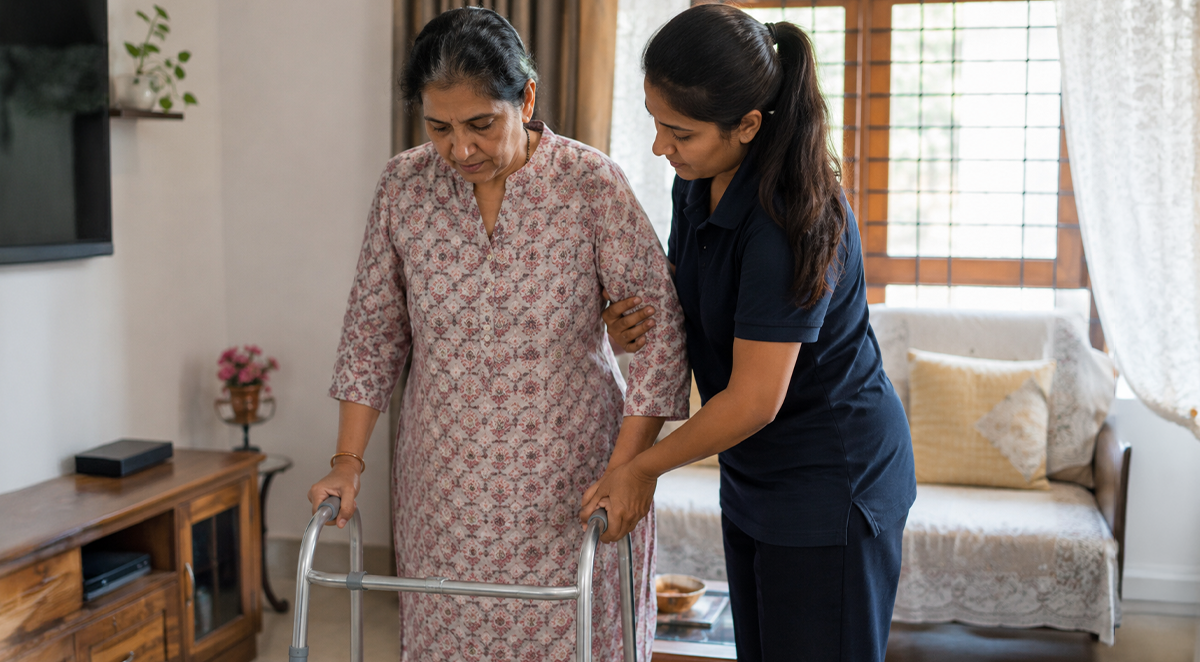
The pain of taking the first steps makes a senior more and more cautious over the subsequent steps they take. It doesn’t take much to get a family member or a friend constantly on guard when older adults try to move across a room. Loneliness and inactivity only worsen the situation.
Physiotherapy helps in reversing the process. There is no point in helping someone if they are afraid of movement even inside the home. The challenges of confidence and balance are as important as those of muscles and joints.
A home visit doesn’t replace a true medical intervention. A physiotherapist must assess the senior’s health history, the symptoms the senior is experiencing, their medications, the level of mobility, and the goals they want to achieve. The plan is designed based on how they are able to safely and independently perform tasks of daily living, such as walking to the bathroom, standing from a seated position, and performing usual activities of daily living.
What Is Physiotherapy at Home?
Home physiotherapy consists of an assessment, a treatment, an exercise plan, and evaluation of progress at the patient’s home. It is perfect for members of the community who need help to recover from a surgical procedure, have limited mobility, or are elderly with limited mobility.
A physiotherapist helps people with:
- Knee, hip, shoulder, and back pain
- Reduced strength after hospitalisation
- Balance problems or previous falls
- Difficulty related to movement after a stroke or weakness
- Stiffness related to arthritis
- Parkinson’s disease and other neurological problems
- Weakness due to an injury, surgery, or other reasons
- Difficulty with walking, standing, and mobility
A physiotherapist needs to communicate with the senior’s doctor in case the senior is experiencing any symptoms related to a recent surgery, stroke, operation, broken bone, heart problem, or a neurological problem.
What to Expect Before the First Session
A good physiotherapist plans and prepares before the session. When they meet for the first time, they tend to focus on the senior’s symptoms, medications, diseases, previous injuries, recent hospital stays, walking aids, and the current activity level.
You should have the following prepared:
- Medical reports and prescriptions
- Details of the injury, surgery or accident and hospital stays
- Reports by the orthopaedic surgeon, neurologist, or general practitioner
- List of current symptoms
- Dizziness, falls, or breathlessness
- Goals for daily physical activity
The physiotherapist needs to know if the senior is living alone, if there is a caregiver, if there is assistance to bathe or use the toilet, and/or if a walker is used. This helps in formulating a safe treatment plan.
What a Home-Based Session With a Physiotherapist Is Like
The first session generally takes the most time. This is so the therapist has time to assess each senior. The session generally has the following components.
Health and Movement Assessment
The therapist observes and assesses the posture, gait and movement of the arms and legs, strength of muscles, coordination, and balance. The senior may be assessed by the therapist asking them to stand, walk, turn, and climb a few steps.
The assessment should match the senior’s ability. They should not push the person through severe pain, breathlessness, dizziness, or exhaustion.
They should be able to develop a better understanding of the daily challenges that the senior is facing. A home visit enables the physiotherapist to observe each of these barriers in the senior’s natural environment.
The physiotherapist may ask a series of questions. For example:
- How do you get out of bed?
- Do you feel unsteady while turning?
- Do you hold on to furniture while walking?
- Do you require assistance while using the bathroom?
- Which activities do you find to be the most challenging?
- Which activities would you like to improve to a greater degree of independence?
Hands-on Treatment
The senior will experience greater comfort and less pain while undergoing gentle treatment. This treatment is intended to be hands-on. It allows movement through soft tissue work, joint mobilization, positioning to reduce stiffness, stretching, and similar techniques.
Hands-on treatment is not intended to be a substitute for the required active participation of the senior during the rehabilitation process.
The senior must provide consent prior to each treatment.
Exercises
A series of exercises is intended to develop strength, flexibility, balance, coordination, as well as improve functional movement. Some examples of these exercises include:
- Ankle and knee stretching
- Supported standing heel raises and balancing practice
- Weight shifting
- Stepping practice
- Walking drills
- Shoulder movement exercises
Each of these exercises is intended to be safe and should be performed with adequate rest in between.
Some examples of functional movement during treatment may demonstrate getting in and out of bed, rising from a dining chair, stair use, reaching for objects, and turning safely while walking.
Often, families struggle to understand the appropriate balance of support to avoid pushing or pulling the senior or hurrying the movement along. This part of treatment helps provide that balance, detailing the preferred approach and outline of tasks to help support the senior.
Safety at Home
The physiotherapist may consider the senior's pathway, bathroom, bedroom, and seating configurations. This may prompt the physiotherapist to consider pathway lighting, securing rugs, moving clutter, adjusting chair height, and/or positioning of support equipment.
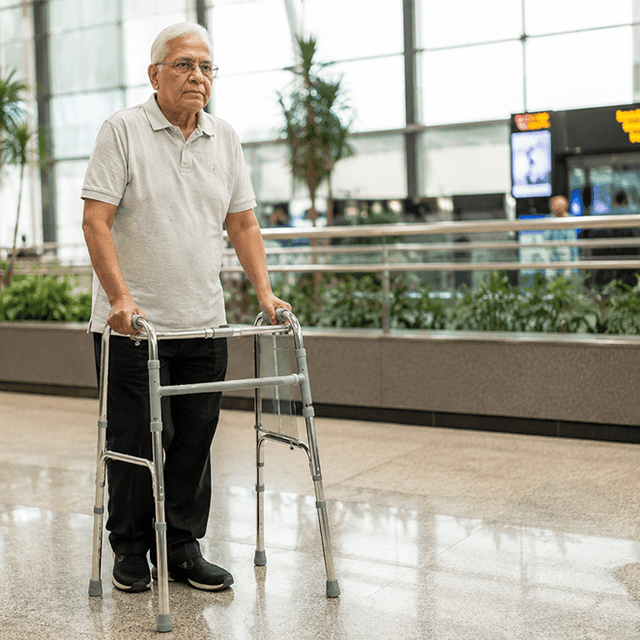
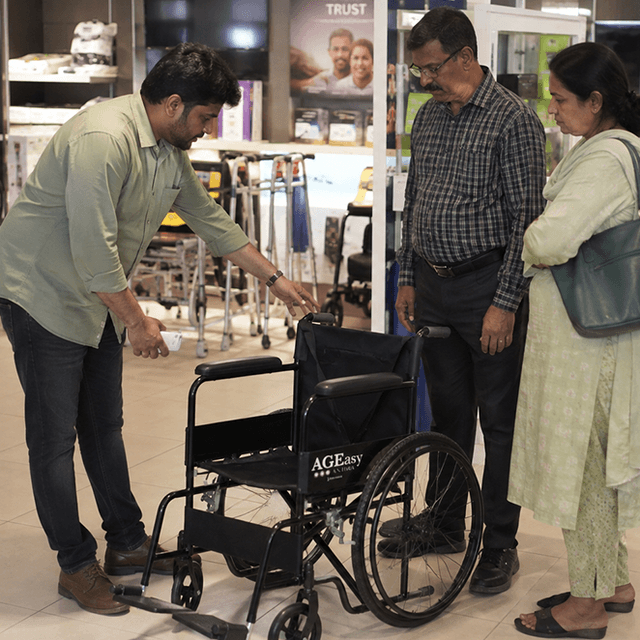
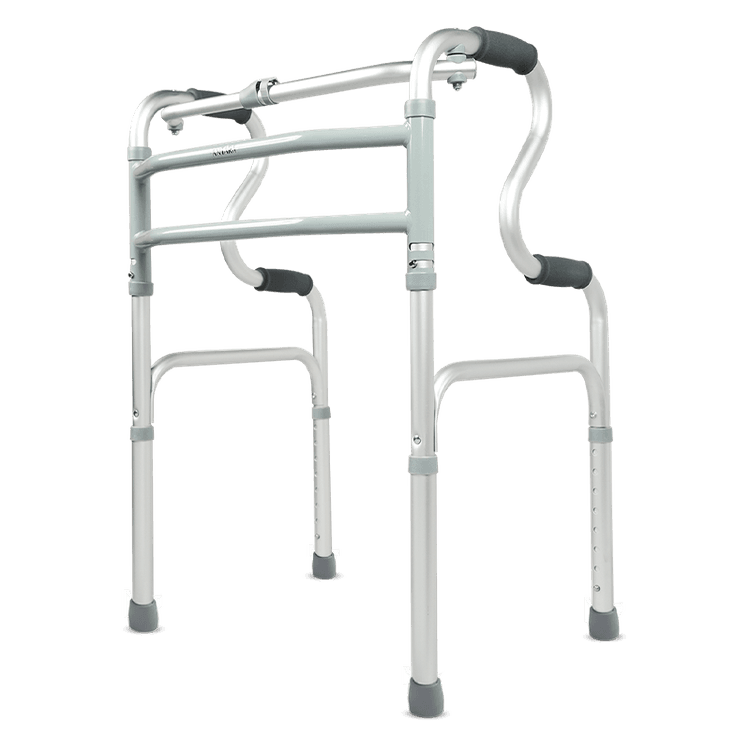
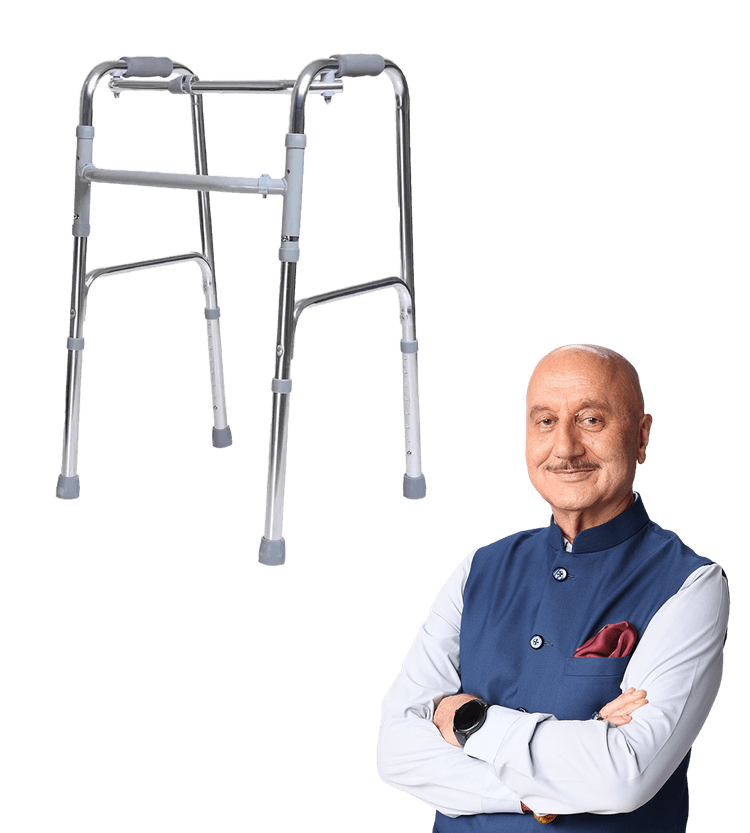
There are many products on the market that support home mobility and fall prevention, such as the AGEasy Step Walker for Elders , AGEasy Walker for Elders Without Wheels , and AGEasy Four-Leg Walking Stick . These may be helpful to the senior within the constraints of the physiotherapy plan and their balance, strength, and height. The senior's physiotherapist should be consulted to gauge the appropriateness and safety of the equipment.
Home Exercise Plan
A physiotherapist should also provide a plan for home exercises. This plan should indicate the frequency, number of repetitions, spacing of the exercises, and whether the senior should stop and rest.
Increasing the number of planned exercises by uninformed parties does not accelerate recovery. The senior’s health, pain, medications, and other factors should be managed.
How to Choose a Home Physiotherapist
There is more to choosing a physiotherapist than seeing if they are available and how much they cost. You need someone that specialises in dealing with older persons, speaks plainly, and works within the limits of their profession.
Check Qualifications and Registration
Before engaging a physiotherapist, check to see if they are registered and what their areas of practice are. Someone dealing with seniors should have at least some of the following specialisations:
- Geriatric
- Orthopaedic
- Neurological
- Post-op rehabilitation
Ask Relevant Questions
Direct questions prompt the best answers:
- Have you ever treated seniors with this condition?
- Do you work with seniors after joint replacement or stroke?
- How do you determine a fall risk?
- Do you communicate with the senior’s doctor?
- What is your plan for unanticipated aggravation of symptoms?
A physiotherapist should prepare for each treatment session. Promises of quick healing, no pain, or certain outcomes should make you wary.
Confirm the Assessment Process
A comprehensive first visit assessment should include the senior’s ability to walk, medical history, home pain management, and the home environment. Be wary of a therapist that intends to start advanced exercises without this assessment.
Discuss Fees and Follow-up
Confirm the length of the session, the fee, travel costs, the cancellation policy, the equipment needed, and the schedule for follow-up. Also ask how progress will be measured.
Measurable progress may be demonstrated by distance walked, length of time standing, total sit-to-stand repetitions, degree of pain during activity, or level of assistance needed for daily activities.
Avoid Guaranteed Outcomes
Recovery is highly individualized, and so is the progress that can be made. The number of factors that can influence the healing process and the level of progress made include, but are not limited to, the individual's age, diagnosis, tissue healing, medical conditions, sleep, nutrition, participation, and so on.
A good physiotherapist will outline the expected steps or stages of recovery, but will not promise a final outcome.
When to Stop a Session and Seek Medical Help
Some degree of muscle fatigue or tension with exercise is normal and expected. If, however, the senior begins to experience new or worsening chest pain, severe shortness of breath, fainting, new weakness, new confusion, severe dizziness, a severe headache, sudden loss of bladder or bowel control, or new difficulty speaking, then the exercise session should be stopped and medical help should be obtained.
New injury-related swelling, increased pain after an injury, a suspected injury that may be a fracture, or an inability to bear weight also requires a medical evaluation. The physiotherapist should inform the family of where to seek medical help, as the symptoms named require an immediate response.
How Family Members Support Recovery
Family members should maintain a calm routine to support recovery. The exercise area should be clear. They should follow the exercise schedule and report any change in symptoms. They should encourage the seniors to exercise within their comfort zone.
Do not hold the walker too high, pull the senior by the arms, or alter the height of the walking aid. Families should not exercise the senior themselves unless taught to do so by the therapist. Safe techniques should be taught before families are asked to assist.
Changes may seem small but can foreshadow big improvements. Senior patients may now need less help standing, may be able to walk farther, or may need less help turning. They may even feel less apprehensive about moving around the home. Mention changes you see to the therapist.
The best home physiotherapy happens when treatment, equipment, and the family’s support all happen in harmony. A truly qualified physiotherapist will be able to assess and treat the client in their own home. The family will also learn about safe movement practices, which will give them the tools to perform self-directed movements and exercises to help aid in recovery.
Disclaimer: The information provided in this article is general in nature; professional medical advice is required to address your individual concerns.