
Low Sodium and Dehydration in Seniors: Why 'Just Drink More Water' Can Make It Worse
Aug 17, 2026


When an older parent calls you with the symptoms of weakness and dizziness, and perhaps even the symptoms of dehydration, the first answer is usually 'drink more water', and while this answer might solve some cases of dehydration, it truly is not the best answer for this situation.
Pouring more water into the situation is assuming that there is a single solution for every instance of dehydration in older adults. The symptoms of your parent often have many causes. In addition to losing fluids from vomiting, diarrhea and sweating, there are medications that can also cause fluid loss. Aside from these, there is also the possibility that they have low sodium and that they can be living with a health condition, the aforementioned healthy condition that can be worsened with more water.
When someone is weak or dizzy, do not treat it as an aging-related symptom and assume that a large quantity of plain water is the answer, or that low sodium can be solved by more sodium, and especially do not ignore the medications.
The more important and answering question here is what is causing the fluid and sodium deficiency. It is crucial to keep in mind that water and sodium are both a system and when there is an imbalance in this system, your parent will begin to face dangerous and serious health problems and a delay in the treatment of this issue will worsen the state of low sodium.
When you realize this, you begin to understand that some instances of dehydration really do need immediate medical help, and that the 'drink more water' answer, although coming from a good place, is very much likely to aggravate low sodium. This answer will also help you understand that it is extremely crucial to look beyond medications, and that it is very important to have this discussion with your parent's physician.
This guide covers the relationship between dehydration and low sodium in older adults, the reason that increased hydration is not always the solution, the warning signs that caregivers should not ignore, and the situations in which your parent needs to be evaluated by a medical professional instead of receiving another glass of water.
How Are Dehydration and Low Sodium Different?
Dehydration refers to a fluid deficit in the body that can occur after a number of situations such as diarrhea, vomiting, fever, intense sweating, poor fluid intake, and increased urination. Some older adults have a reduced or absent awareness of their thirst and may even avoid drinking due to the anticipation of needing to use the bathroom frequently.
Low sodium, or hyponatremia, is the condition that occurs when plasma sodium levels are decreased. Sodium is important for fluid distribution, as well as function of nerves and muscles. Blood sodium levels can decrease with a loss of sodium from the body, or if the body retains excess water, or a combination of these two situations.
Symptoms of these two conditions can overlap and include:
- Weakness or fatigue
- Headache
- Nausea
- Dizziness or unsteadiness
- Muscle cramps
- Reduced concentration
- Confusion
- Falls
This symptom overlap is why caregivers cannot rely solely on symptoms to determine if their parent requires more water, less water, sodium, medication, or urgent care.
Why Can Drinking More Water Worsen Hyponatremia?
If the body is retaining excess water, drinking a lot of water can worsen hyponatremia, since the remaining sodium is further diluted.
Heart failure, kidney disease, liver disease, and some endocrine disorders increase risk. Since some medications, such as some antidepressants, anti-seizure medications, diuretics, and other prescription medications, also affect the balance of fluid and sodium in the body, the risk is also relevant for them.
It is not suggested that your parent avoid all water, but rather that they consume water in accordance with their medical needs. Dehydration secondary to heat exposure is very different than sodium-related medical fluid retention due to medication.
Likewise, do not restrict sodium without consulting their physician, as your parent likely has chronic illness and polypharmacy.
Older adults are at a greater risk for hyponatremia, and this is attributable to the changes that happen with aging in relation to kidney function, thirst, and fluid regulation. In combination with aging, multiple medical illnesses and polypharmacy also increase the risk.
Even the mildest symptoms can lead to problems with concentration, diminished motor function and increased risk of falls. Severe hyponatremia can lead to the aforementioned, but also confusion, seizures, coma, and become a medical emergency.
It is important when aging adults show the aforementioned symptoms, and especially the new onset of lethargy, confusion, and balance issues.
Common Reasons for Sodium & Fluid Imbalances
Some of the most common reasons for sodium and fluid imbalances include:
Fluid Loss
Both fluid and electrolytes can be lost through vomiting, diarrhea, fevers, burns, and sweating. Not being able to drink enough (due to dental problems, not having a good appetite, not being able to swallow, or having a drink within reach) can also decrease intake.
Medication
Sodium levels can also be affected by prescribed diuretics (also referred to as water pills) by increasing the production of urine. There are also other medications that can induce hyponatremia and also affect the kidneys. It is important to bring all prescribed medications, OTCs, and supplements to the appointment.
Chronic Medical Conditions
The handling of sodium and water can be adversely affected by heart, liver, kidney, thyroid, and adrenal conditions. Sometimes, the body can retain water, even when the person looks unwell or weak.
Excessive Plain Water Intake
Exceeding the recommended amount of water consumption can dilute sodium. This can be a problem if kidney function is impaired or the body is retaining water.
Infections and Acute Illness
In older adults, infections can be masked by a lack of appetite, weakness, falls, and confusion as opposed to a high fever. An acute illness can also rapidly disrupt fluid balance.
Signs of a Medical Emergency in Your Parent
Call emergency services if your parent is exhibiting any of the following:
- New or worsening disorientation or confusion
- Difficulty waking, extreme drowsiness, or other abnormal behavior
- A seizure or episode of unconsciousness
- Severe headache or frequent vomiting
- Fainting, chest pain, or other serious disturbances to normal breathing
- Very little or no urine output
- Rapid deterioration after a combination of diarrhea, vomiting, fever, or exposure to high ambient temperatures
- Any type of fall, especially if they struck their head
- Inability to stand, walk in a safe manner, or the ability to retain (not vomit) fluids
Emergency services need to be called if symptoms come on suddenly and/or are severe. Do not waste time with home remedies to solve any of the above issues. These may include administering excessive amounts of water, salt, sports drinks, or supplements.
What Should Caregivers Do While Waiting for Medical Evaluation?
If your parent is awake and able to swallow, offer sips of water. Do not allow any volume to accumulate in the waiting vessel (e.g. cup). Follow the prescribed plan for water.
Do not provide salt tablets, beverages made salty by the addition of table salt or salt-laden foods unless instructed by a licensed health care provider. Sodium may be contraindicative or of additional risk to your parent based on their treatment plan.
Record Info for the Clinician
- When symptoms first appeared
- Recent vomiting, diarrhea, fever, sweating and/or poor intake
- Approximate fluid intake and urine output
- Any swelling, shortness of breath, or rapid change in weight
- Any recent changes in medication
- Any history of problems with sodium, kidneys, heart, or liver
- Any falls and/or changes in level of alertness
Blood tests for sodium and kidney function and urine tests for glucose and concentration may be ordered. Blood pressure may be monitored along with the effects of medications. Treatment is cause dependent and may range from the administration of controlled volumes of fluid, change of medications, treatment of a suspected infection, or observation in hospital.
When there is weakness and falls risk is high due to weakness and/or dizziness, encourage your parent to sit and/or lie down when weakness occurs and avoid walking until assessed.
A safe home environment is equally important. AGEasy offers senior mobility and fall prevention products such as the AGEasy Shower Chair for Seniors , AGEasy Anti Slip Bathroom Mats , and AGEasy Secure Hold Grab Bar to aid safer bathroom use. These products do not provide treatment for dehydration or low sodium.
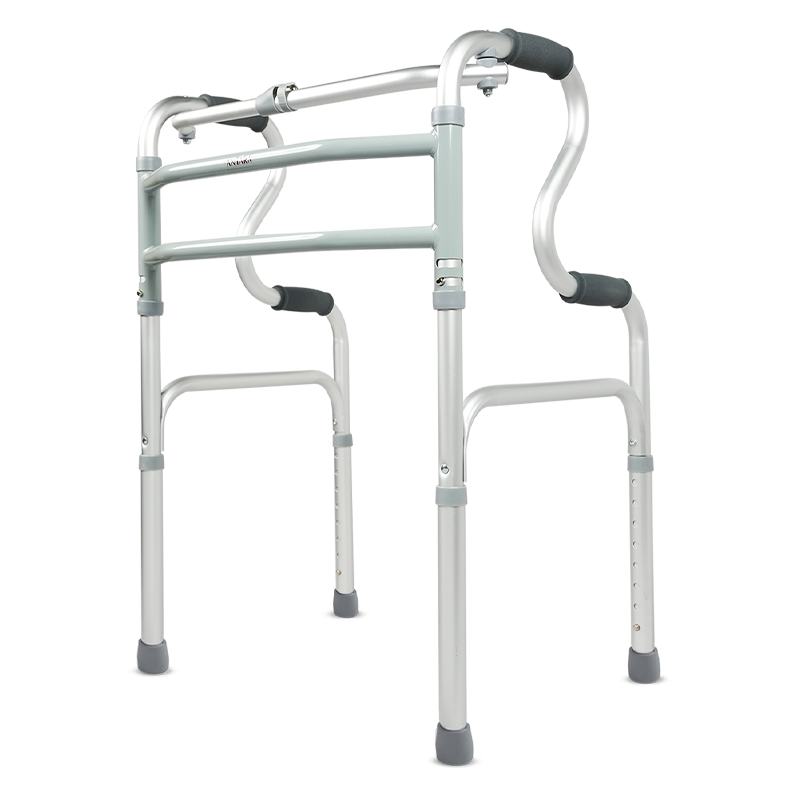
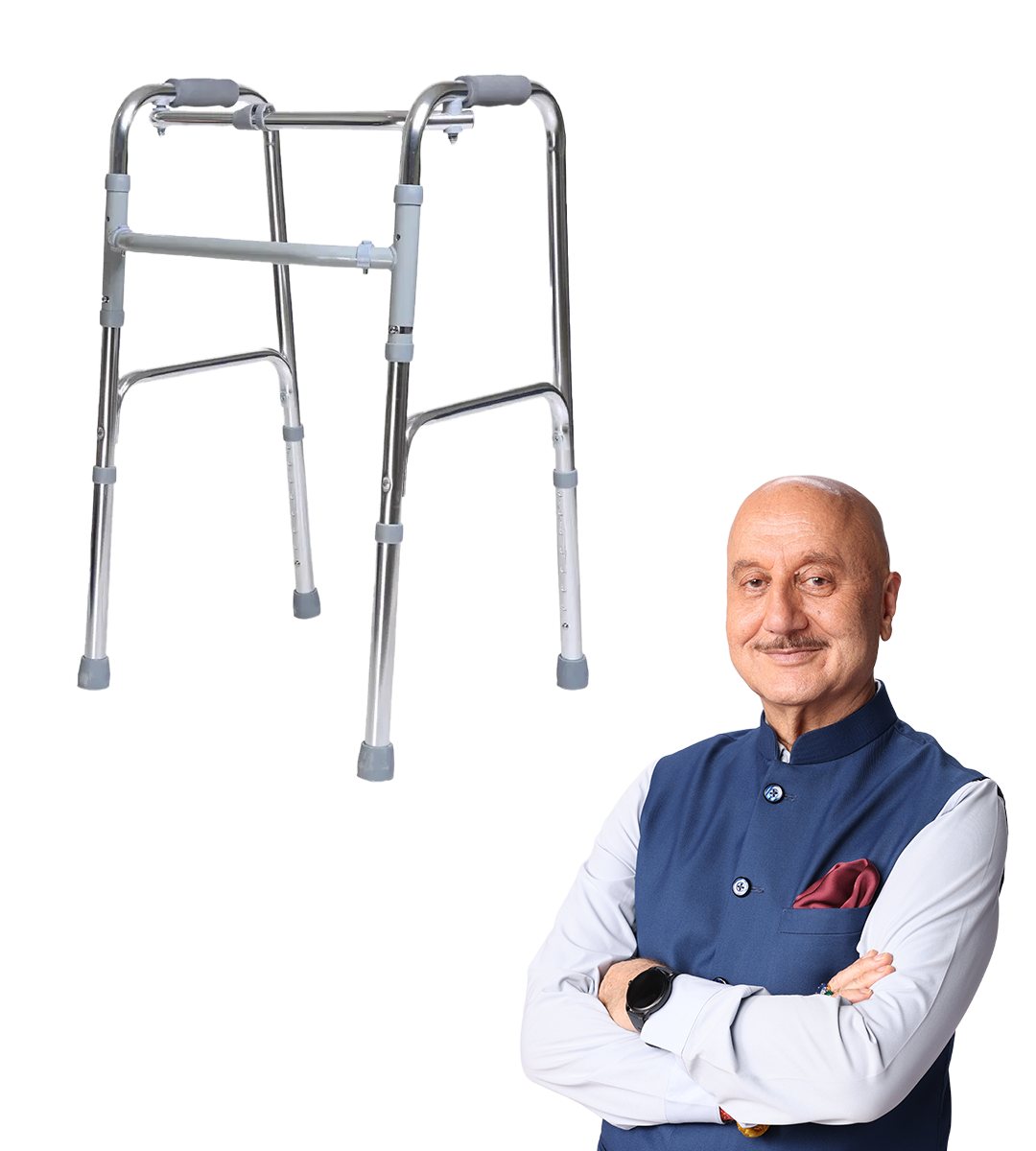
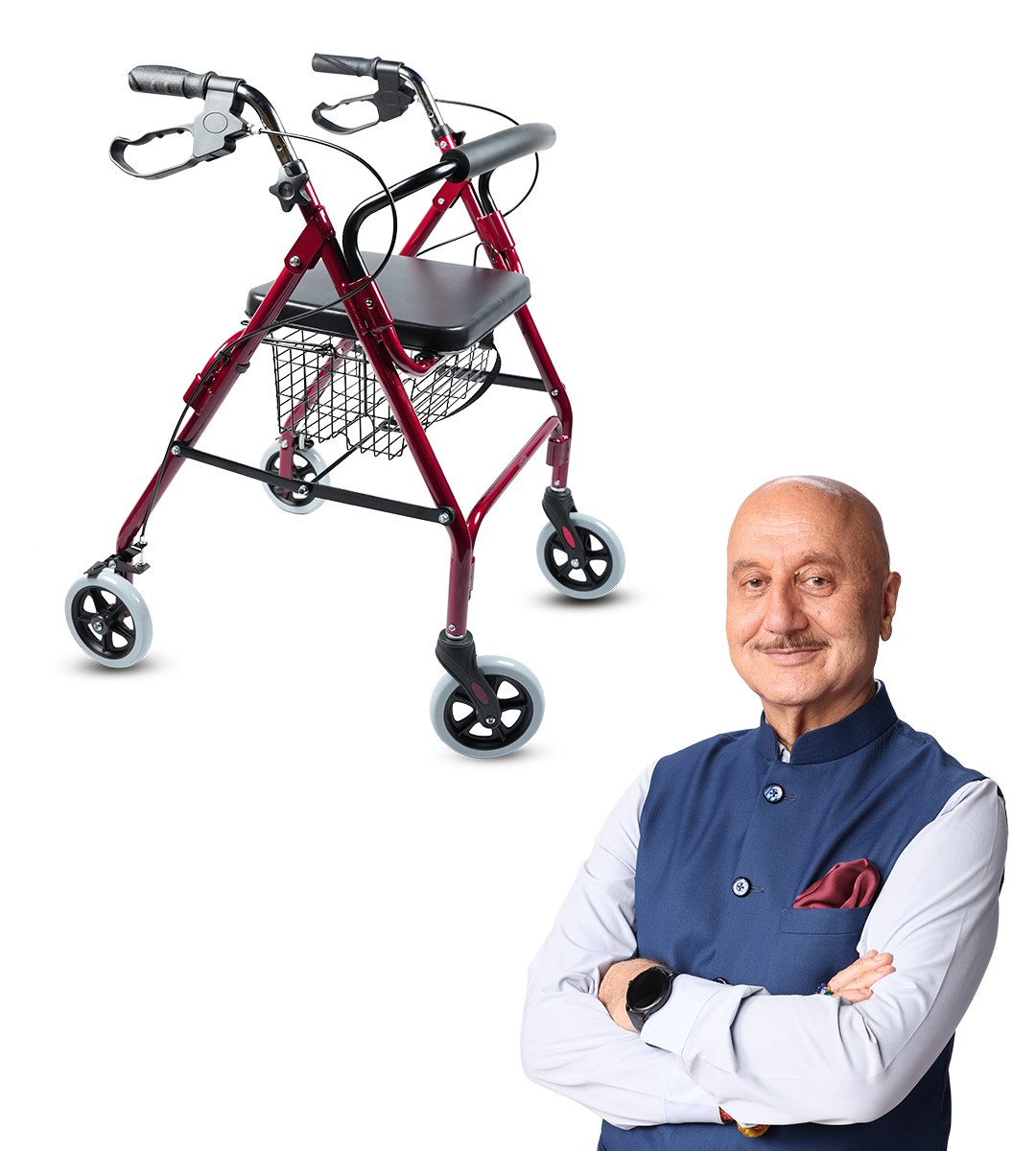
If a walking aid is prescribed, AGEasy offers the AGEasy Step Walker , AGEasy Walker Without Wheels , and AGEasy Rollator with Seat . The type of aid is based on assessed strength, balance, safe use and vision. An aid that is not suited increases falls.
Questions for Your Parent's Doctor
Consider asking about the following:
- How do we tell if it is dehydration, low sodium, fluid overload, or something else?
- How much fluid is the safe amount?
- Is there a restriction on what kind of fluids should be consumed?
- Could this be a side effect of any medication?
- How should we adjust salt intake, if at all?
- Which signs should we be on the lookout for that would indicate we should go to the ER?
- How long of an interval should we wait to repeat a blood draw?
- Is there a need for a fall risk assessment or a physiotherapy assessment?
Bottomline
While it is true that most living things, including humans, need water, it is also true that there can be too much of a good thing. First the cause of the symptoms in the context of the patient's specific clinical history should be evaluated before decisions are made regarding the imposition of a forced intake of fluids and/or salt.
Support, medicine revision, and fall prevention can be done safely by caregivers. A healthcare provider should be contacted if the symptoms are severe, worsening, or new. A correct evaluation by a medical provider is essential to differentiate the cause of simple fluid loss from medication side effects or retention fluids that are contributing to a complicated medical condition that is potentially very serious in nature and could require urgent medical intervention.
Disclaimer: This is for educational purposes and should not replace individualized medical care.