

Low Blood Pressure Symptoms in Seniors: The Warning Signs Families Miss
Article by: Ayaan
Article Category: BP Monitors & Other Devices
Jul 24, 2026
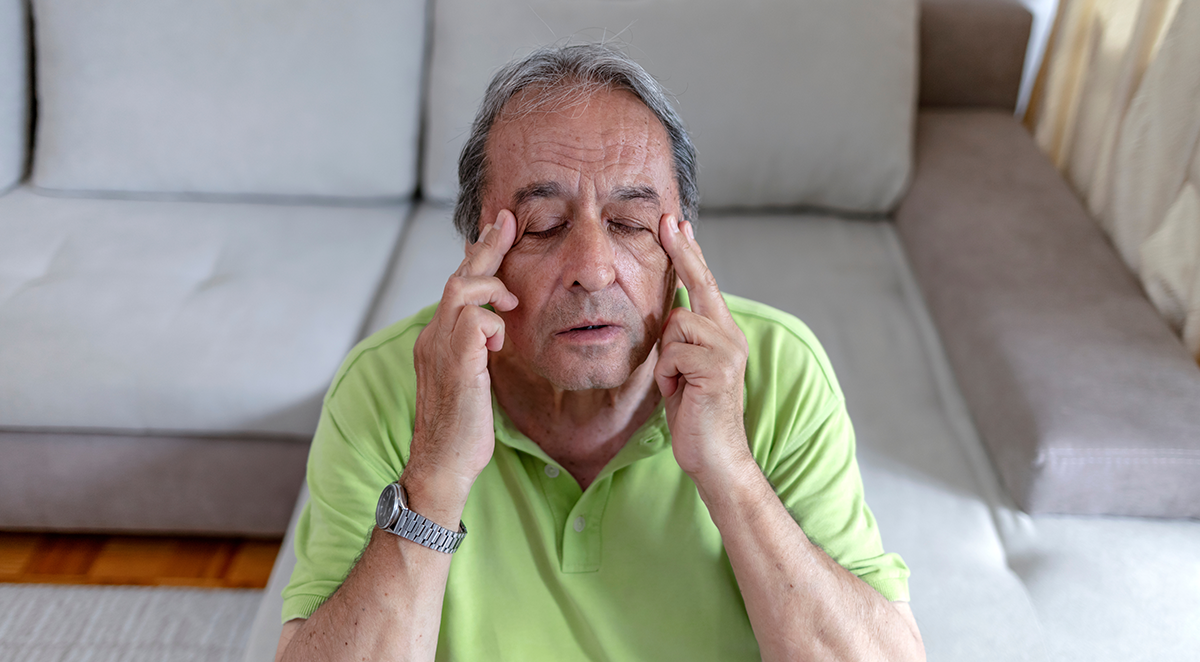
The first warning sign usually isn't a fall. It's the moment right before one.
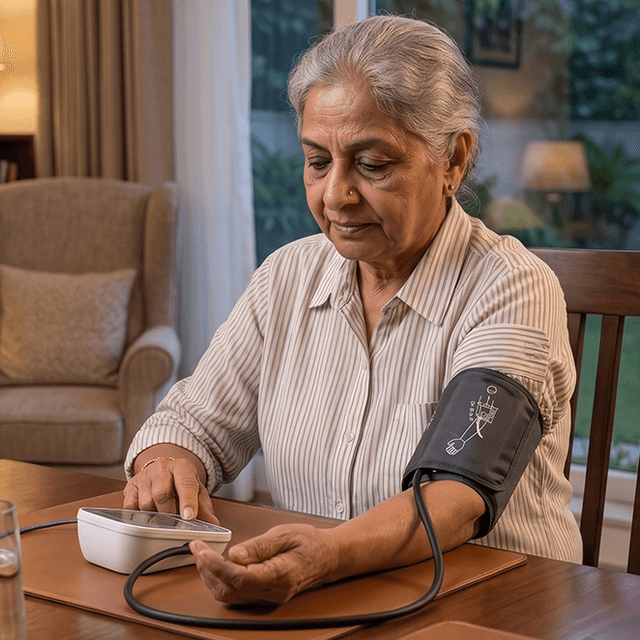
She gets up from her chair. Pauses. Reaches out for the edge of the table to steady herself. "It's nothing," she says.
Maybe it is nothing. Maybe it isn't.
Most families think of low blood pressure in dramatic terms. They expect people to pass out or collapse, and therefore think there is nothing to worry about when in reality there are many ways to explain them away. This includes a brief moment of dizziness, fatigue that people attribute to aging, a slight wobble when walking, a few moments of confusion, and fainting spells.
In the overwhelming majority of cases, the underlying causes of low blood pressure can be identified and managed. These instances become even more significant as people age. Keeping a close eye at these signs can be the difference between an emergency room visit and managing something much less serious.
This guide details the symptoms of low blood pressure in elderly individuals, and explains why these symptoms may be misidentified or go unnoticed. Additionally, the guide will help identify when it is appropriate to speak to a physician.
What Is Considered Low Blood Pressure in Seniors
Elderly individuals may be diagnosed with low blood pressure if their readings are at or below 90/60 mmHg. However, blood pressure readings should be considered relative to what is normal for an individual, as one could obtain a reading that is clinically considered low, but still feel symptomatically stable despite the reading, meaning it is simply their baseline. On the contrary, there are elderly individuals who experience symptoms even at slightly higher readings like 100/65.
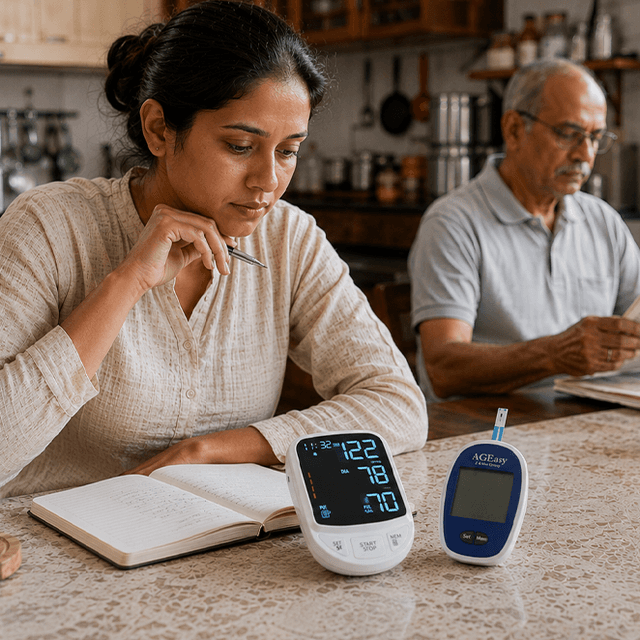
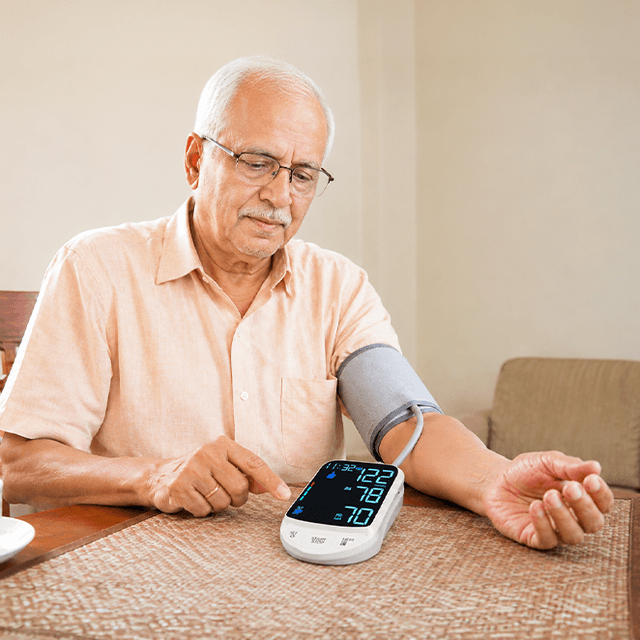
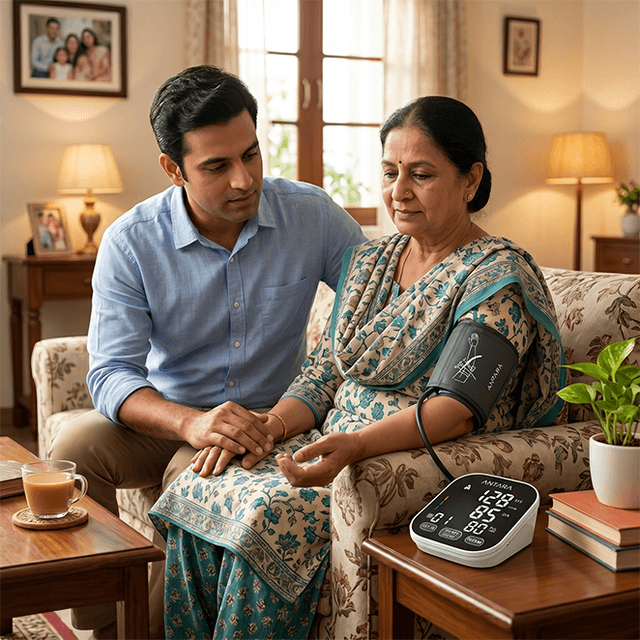
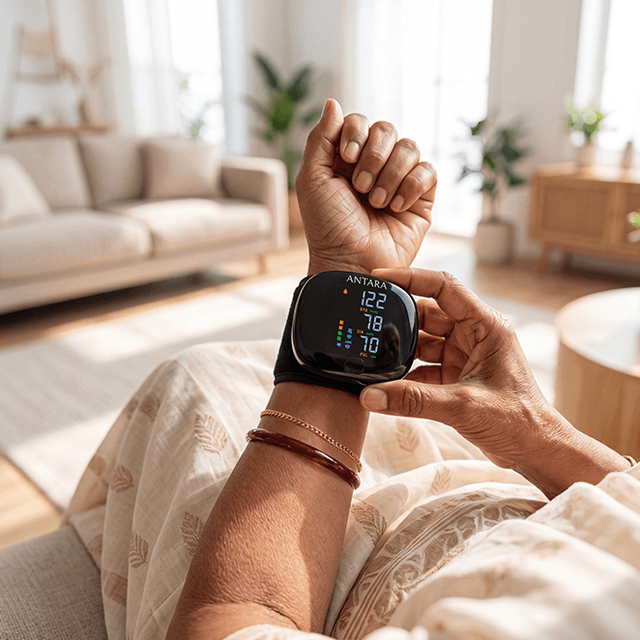
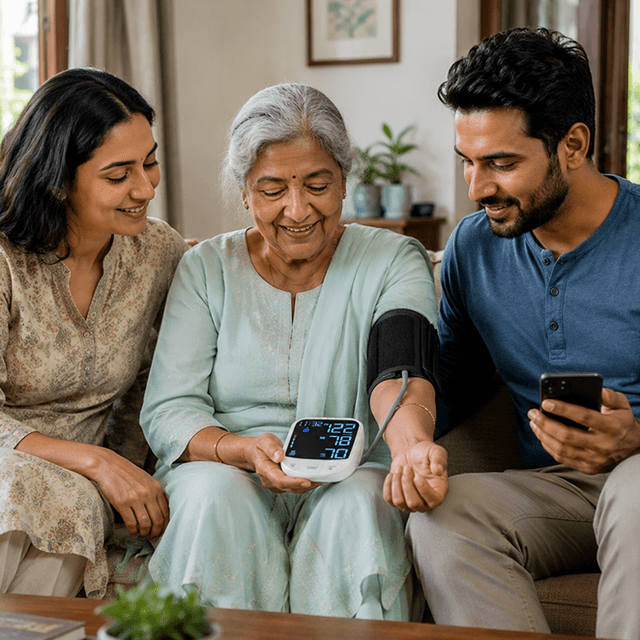
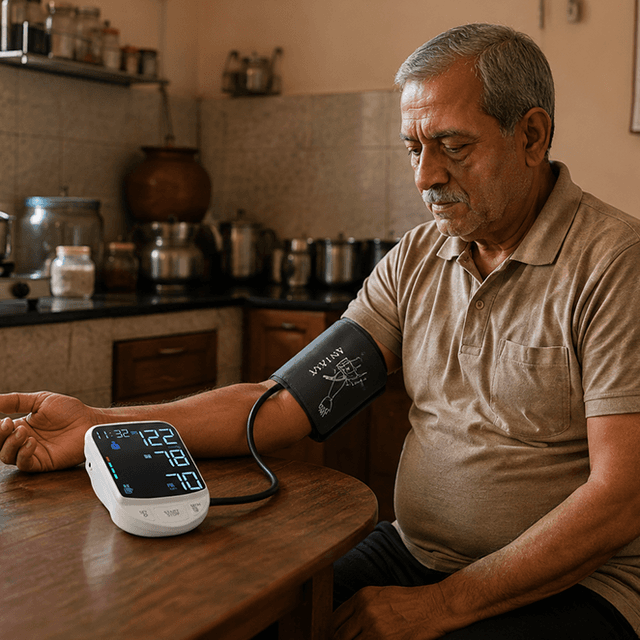
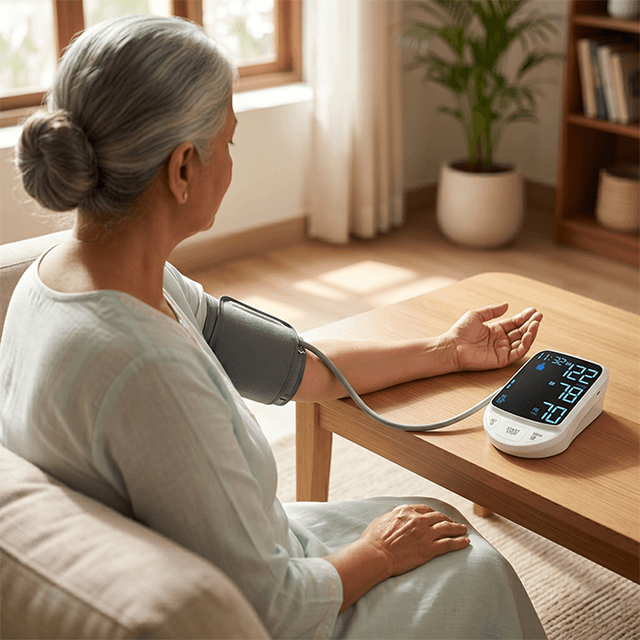
This is why consistent blood pressure monitoring is particularly important for older adults; a single reading taken in the physician's office does not tell the entire story, whereas multiple readings taken over the course of a week or two begins to tell a story. The AGEasy One Touch BP Monitor is a blood pressure monitoring device that is designed with simplicity in mind, which is why it is a good option for elderly individuals. This device also provides ease of use to family members assisting the monitoring process. Once the device is set, the user will be able to take multiple blood pressure readings, which will help indicate an upward or downward trend in blood pressure prior to an appointment with the physician.
The Symptoms Families Commonly Overlook
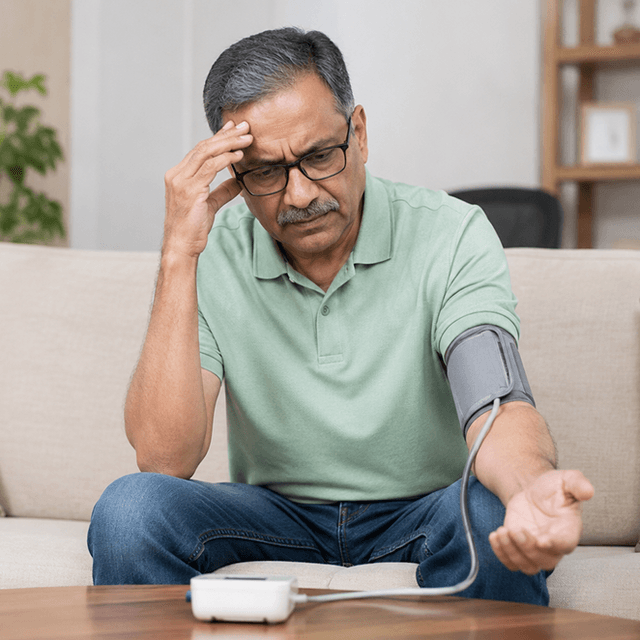
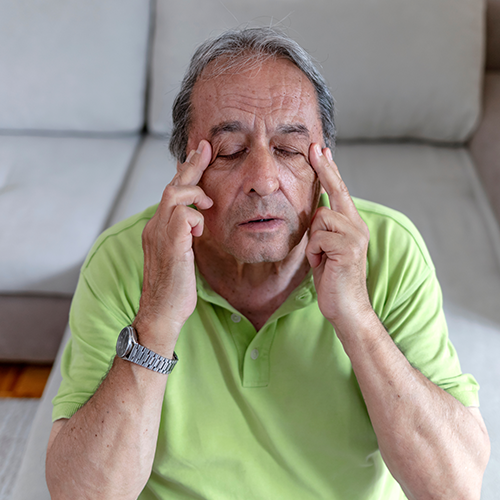
Intermittent Dizziness: A common symptom of low blood pressure, particularly a type known as orthostatic hypotension, is a head-rush sensation when moving from sitting or lying down to standing. It typically only lasts a few seconds, which is why it is often overlooked. If this occurs on a regular basis, i.e. several times a week, it is worth investigating and not just waiting it out.
Fatigue Dismissed as Normal Due to Aging: Being unusually tired is often considered a normal part of aging. However, this is not the case. In fact, low blood pressure often causes fatigue, as the body fails to deliver sufficient oxygenated blood to tissues and vital organs. If a parent appears to have less energy than before, it would not be unreasonable to consider explaining this through low blood pressure.
Momentary Blindness and Confusion: Momentary blindness, feelings of "fog," and trouble focusing, especially after standing, are likely the results of temporarily diminished blood flow to the brain. Although these episodes are short, causing many to dismiss them, they are a physiological signal that something is wrong.
The Body's Own Warning Reflex: Families often miss the small, but significant, moments such as the hand reaching for the wall, the pause before standing, the few seconds taken before continuing steps. These do not reflect bad habits or clumsiness; rather, the body is compensating for a predicted drop in blood pressure. Recognizing these moments not as reflexes but as symptoms of a potential issue is often key to preventing a fall caused by low blood pressure.
Why These Signs Get Mistaken for Normal Aging
Genuine changes do occur with aging, like slow reflexes, caution when going down the stairs, and needing to steady oneself before moving. That is exactly why low blood pressure symptoms go unnoticed. A family member may experience a brief dizzy spell and conclude, "She's just getting older" as opposed to considering the possibility of a medical issue causing the symptoms.
Several factors can raise the risk of low blood pressure in older adults, particularly if they are taking certain blood pressure or heart medications, are dehydrated, have been in bed for a long period, or have diabetes or Parkinson's. Any of these conditions alone may not be alarming, but they are worth mentioning to a medical professional rather than just managing them on one's own.
Basic daily behaviors can be combined with a clinician's recommendations for the best and safest approach to control blood pressure and maintain mobility. Activities include:
- Stand up in phases
- First sit at the edge of bed and then after a few moments stand all the way up
- Increase fluid intake, as dehydration can lead to further hypotensive episodes
- Use compression stockings to support venous return and keep blood from pooling in the legs
- Use mobility devices at times when you are most likely to be symptomatic, like early mornings when you have just eaten, or throughout the night
In terms of support with mobility devices, the AGEasy Single Leg Walking Stick may make all the difference. The adjustable height and non-slip base allow clinicians to suggest it as they provide support for those first few steps. Portable fall detection devices with SOS buttons like the AGEasy Protec Smartwatch, provide peace of mind to family members who worry about there being no one in the room. They are a safety net not to prevent the dizzy spells but to ensure that help is available in the event of a fall.
Recognizing When to Visit Your Physician
An isolated incident, in and of itself, is rare and unlikely to necessitate a visit to your physician. However, visit a doctor if you are experiencing:
- Persistent unexplained dizziness or lightheadedness that worsens for no apparent reason
- Unexplained fatigue that worsens over time
- Falls, near falls, or if you find yourself reaching for objects to help stabilize yourself
- Occasions where you experience blurred vision, confusion, or momentary fainting
- Blood pressure readings that are consistently getting low over time
You are advised to seek medical guidance to rule out medication side effects, dehydration, heart rhythm issues or changes in your nervous system.
The Most Important Takeaway
Low blood pressure is a danger to older adults and seniors. It doesn't always lead to sudden collapse. Instead, early warnings often present as a brief pause or the need to hold onto something when standing.
The early warning signs of blood pressure problems are often blamed as being related to simply getting older. However, the body is often signaling a genuine problem.
Monitoring blood pressure at home, recognizing symptoms and knowing when to seek a doctor can prevent a fall or hospital stay.