

Can a Smartwatch Measure Blood Pressure? Can You Trust It?
Article by: Aditya
Article Category: BP Monitors & Other Devices
Aug 12, 2026
Most smartwatches measure blood pressure using light instead of pressure. This means they interpret blood vessel distension in lieu of the direct measurement of blood pressure.
A sensor on the back of the watch shines green or infrared light into the skin and this enables it to read how blood volume shifts with each heartbeat. This allows it to "see" blood along with the pulse and the heart rate. This measurement technique captures what is called a photoplethysmographic signal.
There is a step involved in converting a pulse signal to a blood pressure reading, and this is where the questions surrounding the accuracy of a reading begin.
Cuff Monitors vs Optical Sensors
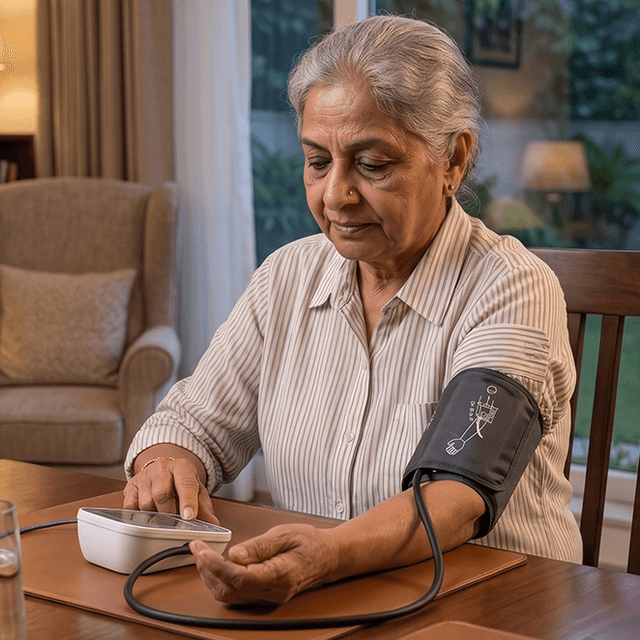
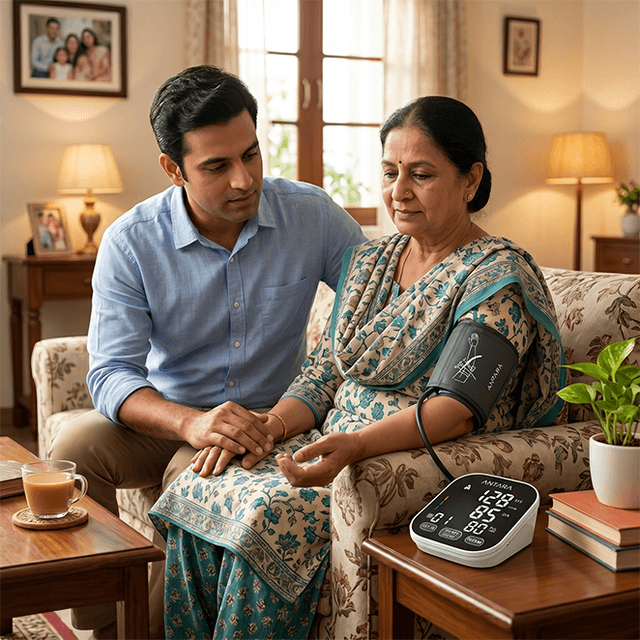
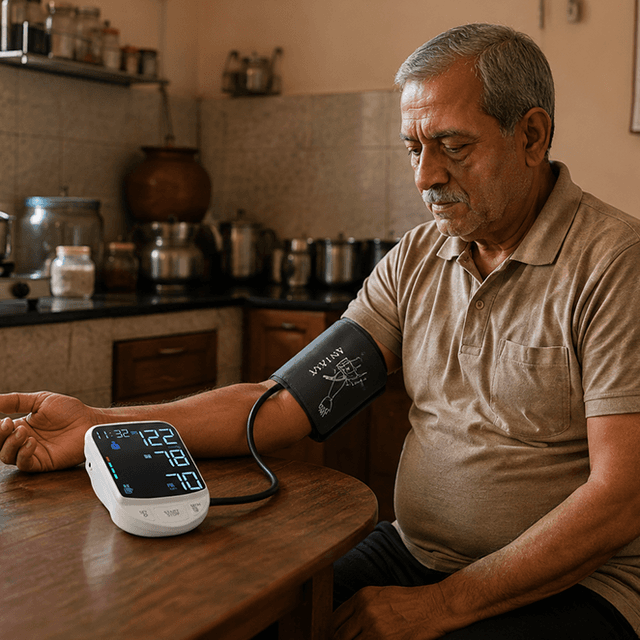
The older style bp monitors use an inflatable cuff to measure blood pressure through direct, mechanical pressure. Blood flow is temporarily halted when the cuff around the arm is inflated, and the sensor detects at what level blood flow is re-initiated as the cuff is deflated. This allows the device to measure the force exerted by the blood on the walls of the arteries.
On the other hand, an optical sensor that is included in most smartwatches does not exert any mechanical pressure and irregularity. Instead, the sensor uses an algorithm to estimate the blood pressure based on the pulse wave. The source data for the algorithm is derived from the initial calibration, which is usually done against a cuff monitor.
During the days or weeks following the calibration, the watch is programmed to assume that the body's behavior is consistent. A smart watch's blood pressure error could also be due to external factors such as wrist position, skin tone, and arm circumference, as well as how tight the strap is against the skin.
Watches With Built-In Air Cuffs
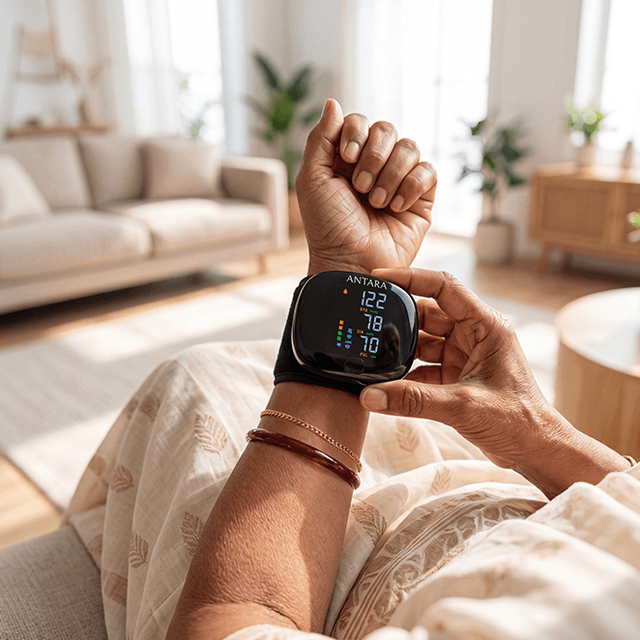
Some smaller groups of watches are attempting to close this accuracy gap by using a built air cuff instead of relying solely on optical sensors. These types of watches contain a miniature inflatable bladder embedded within the strap, and this bladder will briefly tighten around the user's wrist when a reading is taken, simulating the functionality of a traditional blood pressure cuff.
Watches constructed in this fashion are able to claim that their readings are closer to those of clinically verified devices than are watches using only optical sensors, however, they admit that the readings should not be relied upon without periodic comparisons to a validated arm monitor.
Despite the theoretical improvement in accuracy afforded by the inclusion of a pressure cuff, a wrist measurement will be scientifically meaningless unless the user maintains their wrist at heart level and stilled for the duration of the measurement, a scenario that is much easier to achieve in a clinical setting compared to a home environment.
Regulatory Approval and Wellness Labels
Considering regulatory approval is equally important. In most countries, including India and the USA, consumer smartwatches and their blood pressure functionality are required to be limited to non-diagnostically cleared uses. Therefore, blood pressure sensors on smartwatches do not require any clinical clearances. This is also the reason why certain companies describe their sensors as wellness/fitness tracking instead of medical ones.
The term 'wellness' generally indicates that the company designed their product to help users become aware of trends and not to provide a replacement diagnosis or to autonomously manage changes to a user's medication regimen. Within the product description and user manual, one can typically find evidence to support the classification of a watch as one of these categories.
When a Smartwatch Reading Is Useful
Saying that smartwatches do not fit into one's health regimen would be wrong. If one does not have diagnosed hypertension but wishes to track their vitals can use optical BP features as casual self-screening tools to figure out if there is a trend that warrants a discussion with a physician. This is a low effort way to see trends rather than using a traditional bp monitor. If your watch displays consistently high readings, this data is important, even if it does not correspond to the exact numbers that your physician would record. Watches offer signals, not accurate readings.
When You Need a Validated Cuff Monitor
For people already managing high blood pressure, adjusting dosage of a medication, monitoring a pregnancy-related condition, or caring for an elderly parent with a heart condition, a validated cuff monitor is still the gold standard. The uncertainty posed by an untested algorithm's reading is one that your care plan should not have.
AGEasy Blood Pressure Monitors for Everyday Use
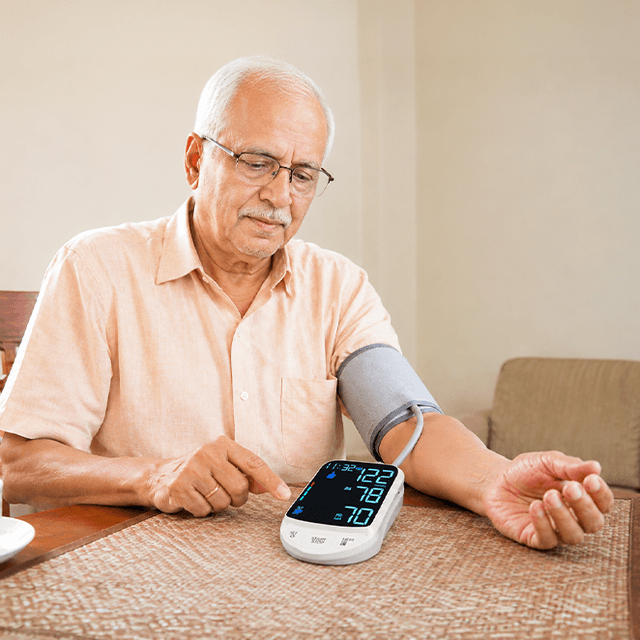
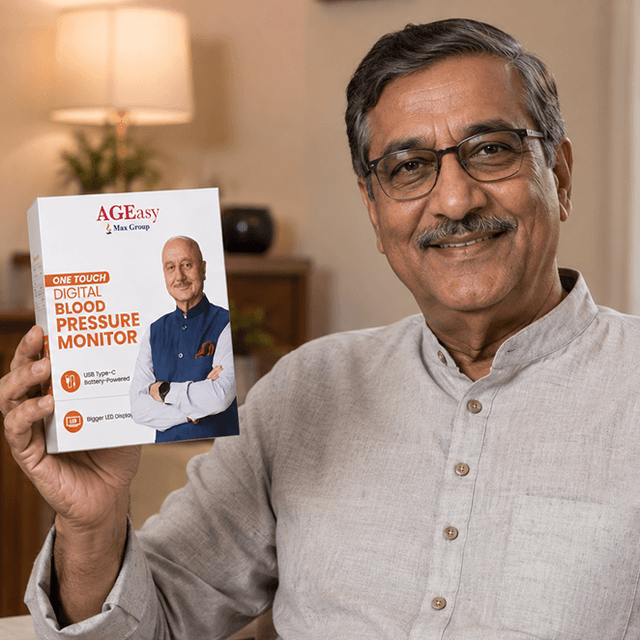
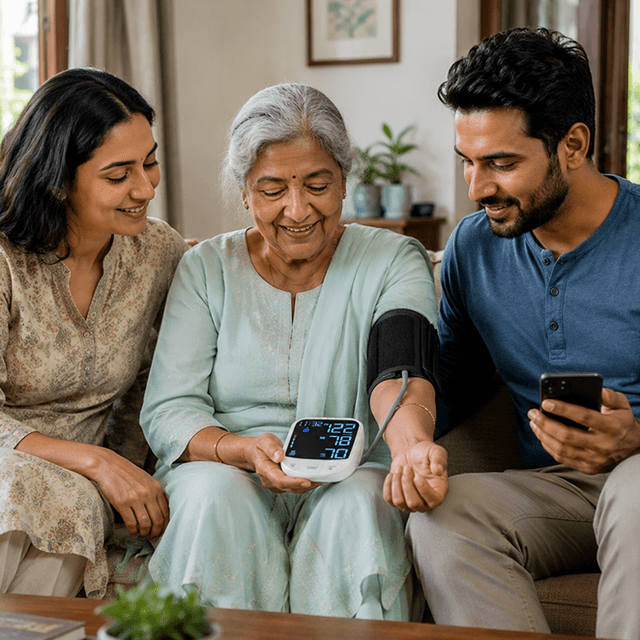
AGEasy has a couple of devices specifically designed for reliable everyday monitoring. The One Touch Digital BP Monitor has an arm cuff adjustable for arm circumferences between 22 and 42 centimeters. It displays the systolic and diastolic pressure along with the pulse rate on one screen and stores readings for two separate users. This feature is useful for couples or a parent and adult child who might track their numbers on the same device. The Advanced Digital BP Monitor has a similar design but a larger backlit display, which is helpful for anyone with diminished vision. It also has memory storage for up to 90 readings per user, giving you and your doctor more than just a single number pulled from memory during an appointment.
For those who may find an arm cuff uncomfortable, the AGEasy Wrist BP Monitor has the same cuff-based measurement system in a more portable design. It uses an inflating cuff rather than an optical sensor, keeping the measurement mechanism closer to an arm monitor. Additionally, it has a voice feature which reads aloud your systolic and diastolic pressure as well as your pulse rate. This is a useful feature for anyone who may have difficulty reading small numbers on the display and in addition removes a common source of transcription errors when results are recorded by hand.
How to Get an Accurate Reading at Home
Both the device you are using and your technique will determine how accurate the reading will be.
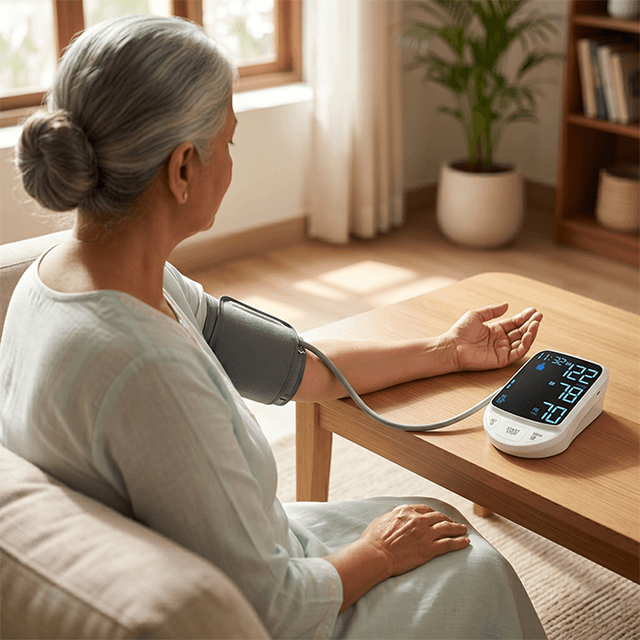
- Sit on a chair that supports your back. Your feet should be flat on the floor.
- For measurement, your arm should be resting on a table where the cuff is at the same height as your heart.
- Do not take any form of caffeine, do not engage in any exercise and do not smoke for at least 30 minutes before the measurement.
- Do not speak or move while the measurement is in progress, as this will affect the measurement.
- Blood pressure levels fluctuate due to stress, activity, hydration, and sleep, and therefore it is more reliable to take 2 measurements a few minutes apart and use more than one number, rather than just relying on one number.
Using a Smartwatch for Daily Monitoring
A health-tracking smartwatch is beneficial when it comes to daily monitoring and tracking of blood pressure and heart rates, as well as other vitals, and also gives alerts. Smartwatches such as AGEasy Protec, which are designed to detect falls and also provide continuous monitoring are helpful as caregivers will be notified if readings fall outside the normal range.
For older parents who live alone, this type of monitoring is very helpful to notice any problems in between scheduled doctor's visits, which can't be done with a cuff monitor left in the drawer. Using a cuff monitor to take family members' blood pressure regularly and combining it with a smartwatch to provide background monitoring gives the best blood pressure and heart rate tracking.
Why a Smartwatch Reading Should Not Stand Alone
Your wrist-worn device should not be the primary measurement relied upon for medical decisions.
Smartwatches do not provide accurate readings for conditions like hypertension because the sensors are uncalibrated. Furthermore, a smartwatch may display dangerously high readings, and are recorded for reasons like a user's temperature, skin contact, or movement.
It is important that you do not consider a smartwatch reading as the ultimate truth. It should be cross checked against an official traditional bp monitor for accurate readings. You should also consult your physician with both readings.
When to Seek Immediate Medical Care
Irrespective of what your smartwatch says, it is important to get an evaluation done from a medical provider or a doctor when you see any symptoms.
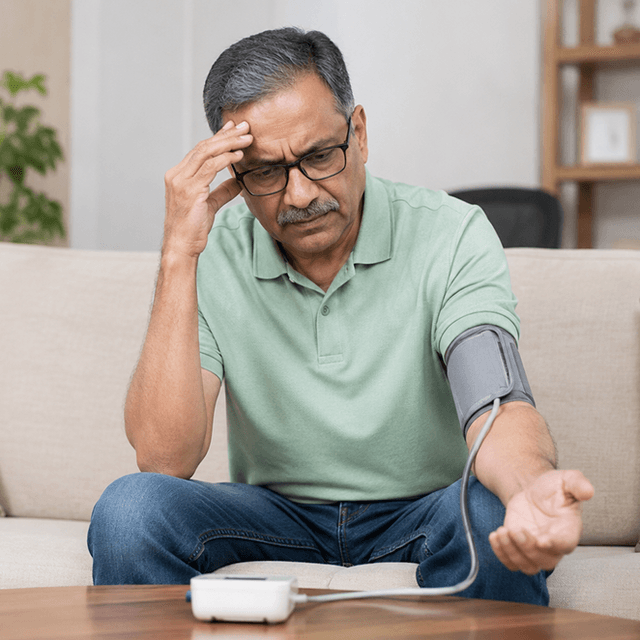
Emergency care is warranted, for example, if a patient is experiencing severe confusion or a headache, chest pain, or shortness of breath. Do not wait at home in such cases.
Smartwatch reading is not a substitute for medical diagnosis. During emergencies, it is always best to consult a doctor.
Building a Consistent Monitoring Routine
Developing a routine of measuring blood pressure is more important than the actual device used. Blood pressure readings taken at the same time every day while remaining steady in the position, using the same arm, provide more useful data than a reading taken at random times in varying conditions.
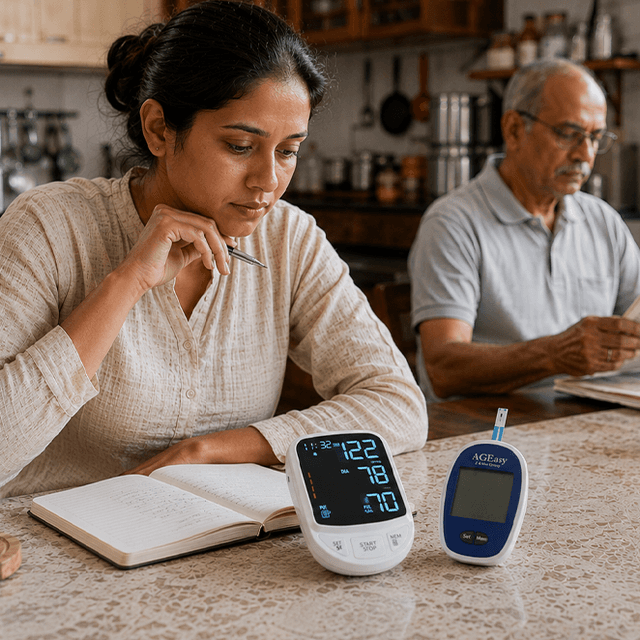
Many people find it easier to establish a routine of measuring blood pressure in the morning before breakfast and in the evening before supper and recording the results in a logbook (this can be done through the memory storage of the device or its built-in log).
There is no need to carry a notebook to record the measurements on the AGEasy Advanced Digital BP Monitor and One Touch Digital BP Monitor because they keep the last several measurements stored in memory. This will help eliminate the problem of forgetting to record the readings or misremembering the numbers.
Choosing Devices for an Elderly Parent
If you are measuring the blood pressure of an older parent rather than yourself, you may need to select devices that are easy to operate and reveal the results in a straightforward manner. To reduce the friction that often leads older adults to forgo regular monitoring, devices that offer a large and a simple one-button operation, and audio feedback are ideal.
The AGEasy Wrist BP Monitor has a voice readout and the Advanced Digital BP Monitor has a backlit display, which aligns with this goal, while the Protec & Neo Smartwatch from AGEasy also provides passive safety monitoring to families who cannot check in during the day.
Using Both Smartwatch & BP monitors together
You don't have to choose between them. Both can help in different ways. Hence, both devices have an important role to play in your health and fitness journey.
Smartwatches are good for providing general health trends and safety features like caregiver alerts. Cuff monitors provide accurate readings that can be acted upon with a doctor's orders.
Each tool has a specific use so it is important to know which one to use in order to avoid ignoring a blood pressure problem because the smartwatch said everything was normal, or being overly concerned about a number on the wrist blood pressure monitor that was not intended to be a serious medical reading.
Consistency Matters More Than the Device
Each technology has its own measurements for success like blood pressure management which emphasizes consistency. Measuring blood pressure in the same conditions for a long time is far more important than the blood pressure monitor you choose.
Regardless of the tool being an arm monitor, wrist monitor, or smart watch, the purpose is to track changes early so that preventive measures can be taken. You should endeavour to provide a record of your readings to your doctor consistently so that any decisions about your health can be made with the trend of the data, instead of one single reading.