

Kidney Function After 60: How to Read Creatinine and eGFR Without Worrying
Article by: Harish
Article Category: BP and Wellness Devices
Aug 23, 2026


Creatinine and eGFR reports aren't something that completely go unnoticed, especially for parents who have diabetes, high blood pressure, heart problems, or have had kidney problems previously.
Creatinine and eGFR are standard blood tests that can be confusing because of the number of factors that can influence the reference ranges. A higher creatinine and a lower eGFR could just mean your parent has age-related deterioration of their kidney function, but this could also mean that they have an early stage chronic kidney disease. Looking at your parent's health, symptoms, and meds as well as the consistency or changes in their blood tests will help a lot with understanding the results.
When you understand the normal ranges of blood tests and when they are likely to be abnormal, it will help you be calm when interpreting the results and understanding the impact they will have on your parent's long-term health.
What Does Creatinine Measure?
Creatinine is a byproduct of muscle activity that the kidneys filter and remove through urine. A high level of creatinine in the blood indicates that the kidneys are not adequately filtering blood as creatinine builds up.
Creatinine is not a completely accurate measure to analyse the function of the kidneys. Factors that affect creatinine levels could also include:
- Muscle mass
- Age
- Dehydration
- Exercise
- Consumption of cooked meat
- Medications
- Acute illness
Because older adults tend to have less muscle mass than younger adults, creatinine levels are often normal. This occurs with a slower filtering rate of the kidneys. For this reason, creatinine levels are assessed along with eGFR instead of assessing creatinine levels solely to gain insight on kidney function.
What Is eGFR?
The estimated glomerular filtration rate (eGFR) assesses the kidneys' ability to filter blood. Factors like age and sex influence creatinine levels, and eGFR is calculated based on these values. Other laboratories may calculate eGFR without race.
The eGFR tends to be higher the better the kidneys filter blood. A lower eGFR does not mean that kidney failure is present. It means kidney function is reduced.
| eGFR Range | What It Generally Means |
|---|---|
| 60 to 89 | Usually age-related decline; not considered a significant reduction |
| 30 to 59 | Moderate reduction; may warrant further evaluation |
| Below 30 | Demands closer monitoring and specialist consultation |
| Below 15 | Often associated with advanced kidney disease or kidney failure, especially with symptoms like severe fatigue, swelling, shortness of breath, or confusion |
Why One Abnormal Test May Not Tell the Whole Story
One test does not provide the entire picture. Creatinine levels can be elevated by many factors, including diarrhea, dehydration, fever, poor fluid intake, other infections, and the recent administration of certain medications.
Creatinine levels can be artificially elevated as a side effect from the use of some medications as well. So, healthcare professionals typically recommend the same test be performed multiple times during a period of recovery.
Ask your parents' physicians if the following conditions are present:
- Are the results similar to previous tests?
- Has there been a gradual change over the years?
- Are the results different from what might be expected?
- Do the results correlate to their symptoms?
A change in the results may require further investigation even though the eGFR score has remained in the mildly reduced range for years.
A Urine Test Is Also Important
When performing a kidney function assessment, a blood test is just one of many. In this case, the doctor may ask for a urine ACR or albumin-to-creatinine ratio (ACR). Albumin is a type of protein that passes through the kidney filtering units. In the presence of albumin in the urine, the doctor may suspect damage, even if the eGFR is reasonably normal. Leakage of protein can happen in the presence of a normal eGFR.
These tests may also be used in assessment:
- Routine urine test
- Measurement of blood pressure
- Checking of blood sugar or HbA1c
- Measurement of electrolyte levels
- Ultrasound and other imaging (as required)
- Review of the current medications and supplements
These reports assist the health care workers to see the complete picture.
When Should You Call the Doctor?
It is necessary to call the doctor if the creatinine is high or eGFR is low, or if there is protein in the urine and high blood pressure or diabetes is present.
It is also necessary to discuss the results of the kidney test if the parent is taking medicines that are known to affect kidney function, such as certain painkillers. The parent should not stop taking any prescribed medication. However, the health care worker (doctor or pharmacist) should be aware of every prescription and over the counter medication and supplements that are being taken.
Seek urgent care for abnormal kidney test results paired with any of these symptoms:
- No or extremely low urine output
- Difficulty breathing
- Sudden confusion or extreme sleepiness
- Swelling
- Vomiting
- Pain in your chest
- Weakness
- Deteriorating health
These symptoms point to many possible causes. Do not wait until your next appointment to manage these symptoms.
How Can You Keep the Kidneys Healthy?
Managing the conditions that put stress on the kidneys is usually the most effective way to protect kidney health. Keeping your blood pressure and blood sugar levels in a healthy range as directed by your healthcare team should be prioritized.
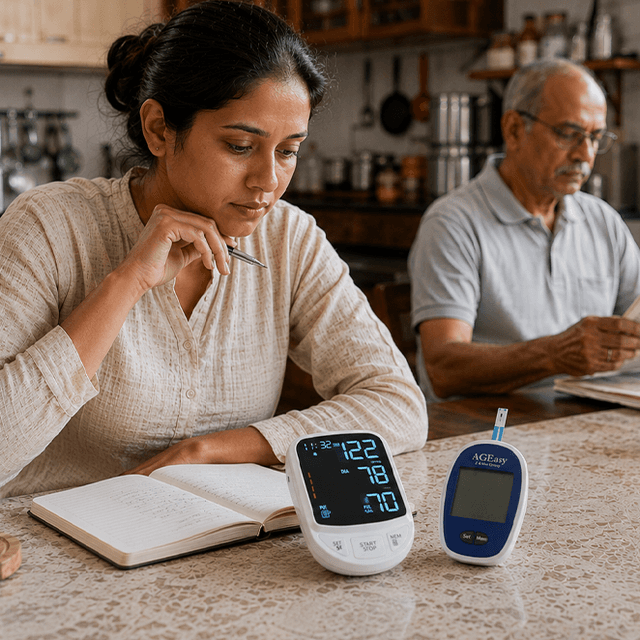
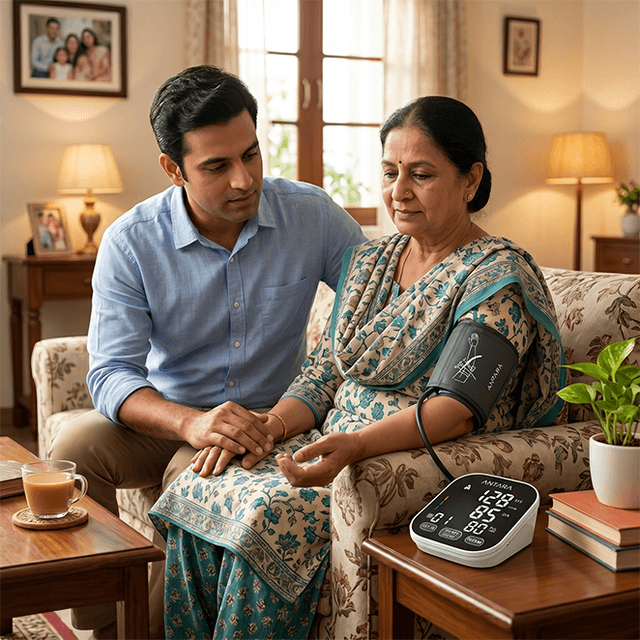
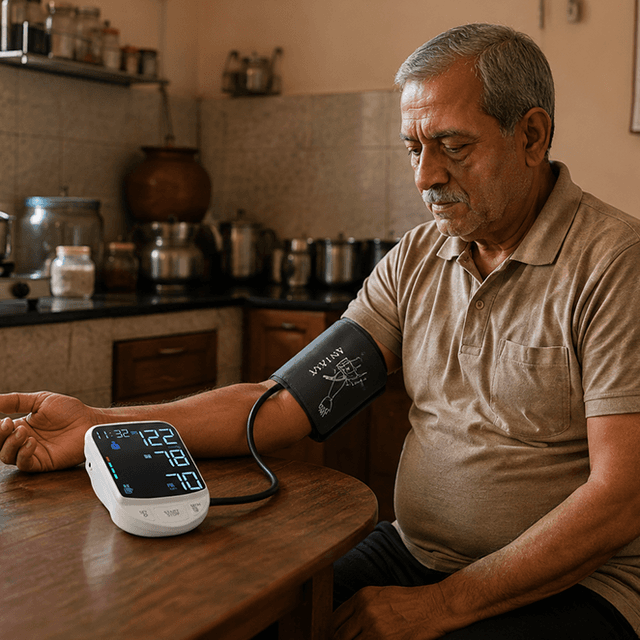
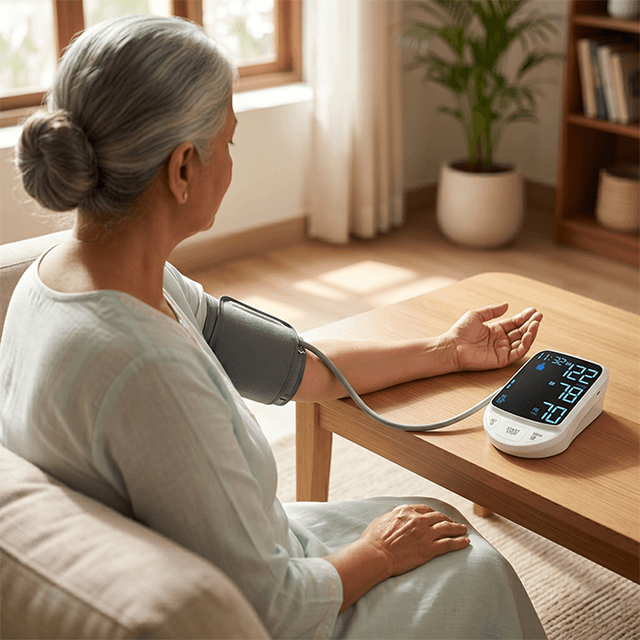
Regularly tracking your health at home can help make healthcare appointments more useful. The AGEasy Arm BP Monitor has a one-touch blood pressure measuring system that includes a talkback feature. This device has been shown to help families remember to record blood pressure at home. Be sure to gather the readings and report them to your doctor.
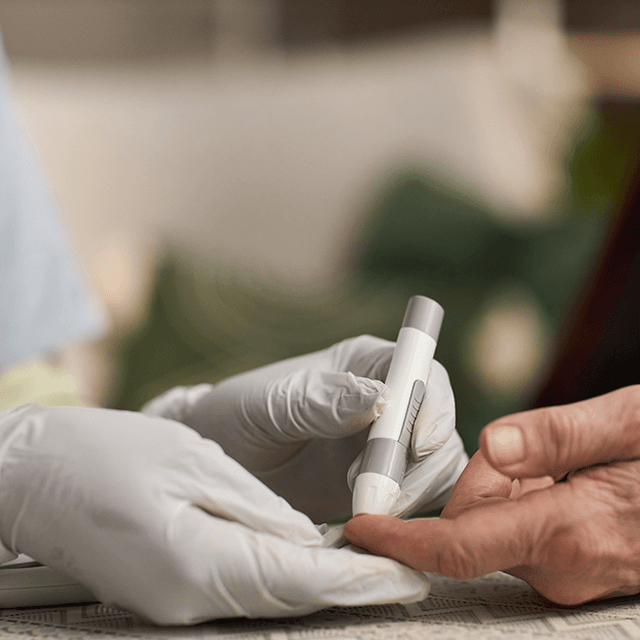
If your parent has diabetes, monitoring their blood sugar is also a part of their care plan. The AGEasy CGM Sensor is a single-use sensor that, when used with the AGEasy Transmitter and Antara CGM app, measures glucose every 3 minutes for up to 14 days. A monitoring system does not replace medical care, but patterns documented by the device can help the healthcare team determine the best treatment.
Other kidney-supportive habits are:
- Drinking fluids according to your doctor's instructions
- Avoiding the frequent and unnecessary use of painkillers
- Eating a balanced diet
- Being advised to limit your intake of salt
- Being active and staying within safe limits
- Keeping your scheduled blood and urine tests
- Asking before starting any herbal products or supplements
People with heart failure or advanced kidney disease may be given specific fluid or dietary instructions.
The Most Important Number Is Not Always the Lowest One
Creatinine and eGFR may be important numbers, but they are only a small part of a much bigger picture, which includes your age, muscle mass, hydration, medications, blood pressure, diabetes, urine tests, and prior results.
A mildly abnormal result is a reason to ask questions and follow up. Conversely, a slightly abnormal result, which is constantly increasing with other concerning signs, should not be ignored.
The most appropriate next step is to review your report with your doctor, compare it to your prior reports, review if tests need to be ordered, and review if a urine ACR is indicated. This information can help your family early on, avoid panic and help support kidney function.
This article is for information only, and should not be taken as a replacement for diagnosis or treatment from a healthcare professional.