


Dizzy When Standing Up? Low BP and Lightheadedness in Seniors Explained
Article by: Aisha
Jul 15, 2026. 7 min read


"She just turned 60. It's normal for her age. Blood pressure goes up for everyone. It isn't a cause for concern."
Families use this kind of reasoning a lot when they see so-called 'high' blood pressure readings. The problem with this type of thinking is that there is a 'new normal' for everyone over 60. There isn't.
Context matters in the case of blood pressure readings. You can't compare it with another person or based on what you've read on a social media post. Instead, what matters is how it relates to your mother's health.
- Does she have diabetes?
- What about kidney disease?
- Is she consistently having increasing blood pressure?
- Is the current medication she's taking effective?
- Is that number an outlier, or will it become a trend?
Blood pressure should be viewed in relation to all of the associated risks of poorly-controlled blood pressure rather than the arbitrary numbers in textbooks. These risks include strokes, heart disease, kidney failure, or loss of autonomy. If you consider every high reading to simply be a result of aging, it would be gross negligence and your mother might end up with poorly controlled blood pressure for an extended period of time.
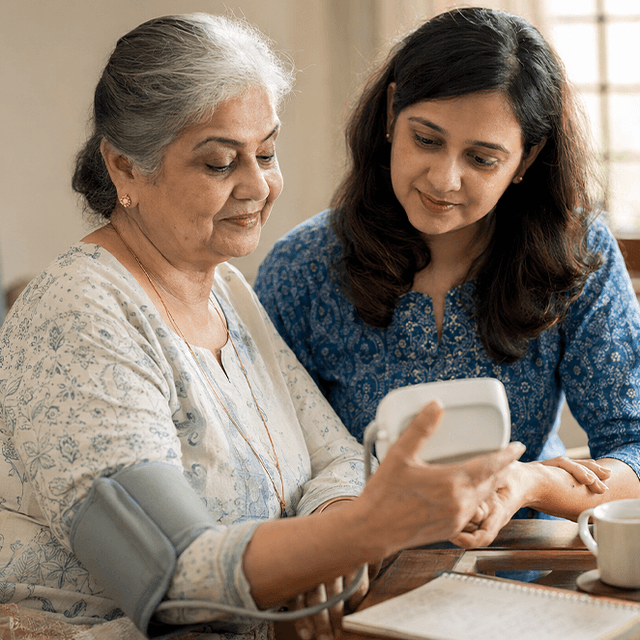
Families stand to gain a lot from understanding blood pressure numbers. They understand the importance of certain readings. They gain the confidence to monitor blood pressure at home. They have better discussions with doctors. More importantly, they advance the mother's health.
This article explains how to interpret blood pressure readings for women over 60, explains why age does not automatically change what is considered healthy, and discusses how families can interpret home BP readings and avoid common myths.
What Are the Meanings of the Numbers Shown on the Blood Pressure Monitor?
A blood pressure reading consists of 2 measurements.
- The first is called systolic pressure, which is represented by the top number. This reflects the force of the blood on the artery walls while the heart is beating.
- The second measurement is diastolic pressure, which is represented by the bottom number. This reflects the force on the artery walls when the heart is not beating.
A reading of 120/80 mmHg is considered "normal" for any adult, including women over 60. A systolic pressure reading between 120 and 129 is considered "elevated," and any reading at or above 130/80 is consistently considered "hypertensive." For older adults, these measurements remain the same. A doctor does not give a 65-year-old woman different "acceptable" ranges compared to a 45-year-old woman.
Why Does Blood Pressure Increase With Age?
Over time, blood vessels become less elastic and more stiff. This causes an increase in systolic pressure, even in women with no other medical conditions. After menopause, women experience a drop in estrogen which affects the responsiveness of blood vessels to pressure and contributes to increased blood pressure.
This does not suggest that common high blood pressure is not serious. A hardened artery under constant high pressure poses the same risks for strokes, heart attacks, kidney damage, and loss of vision. While age may help explain how high the reading is, it does not justify why it is left untreated.
Why One Reading Is Never the Whole Truth
A single number on a display indicates a single moment in time. Factors like stress, recent exercise, caffeine intake, and talking during the reading can lead to discrepancies. This is why doctors look for trends instead of single numbers.
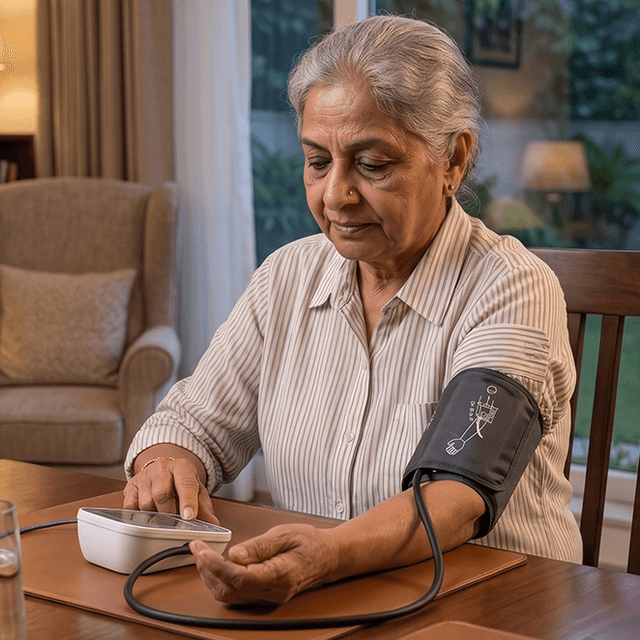
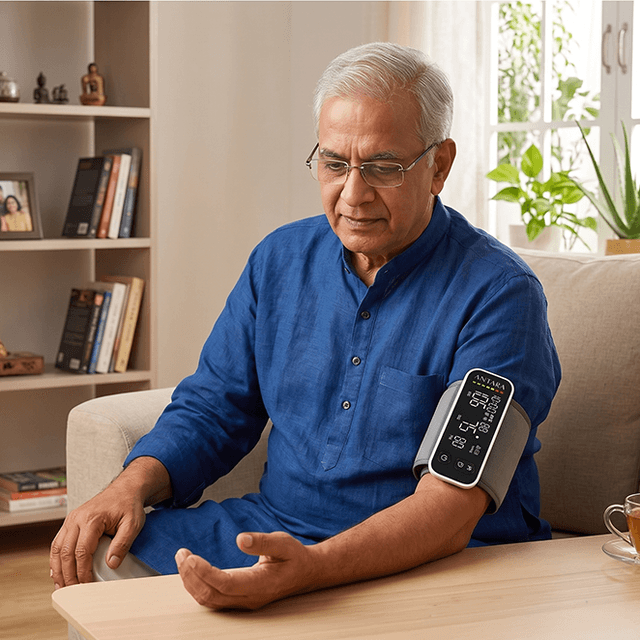
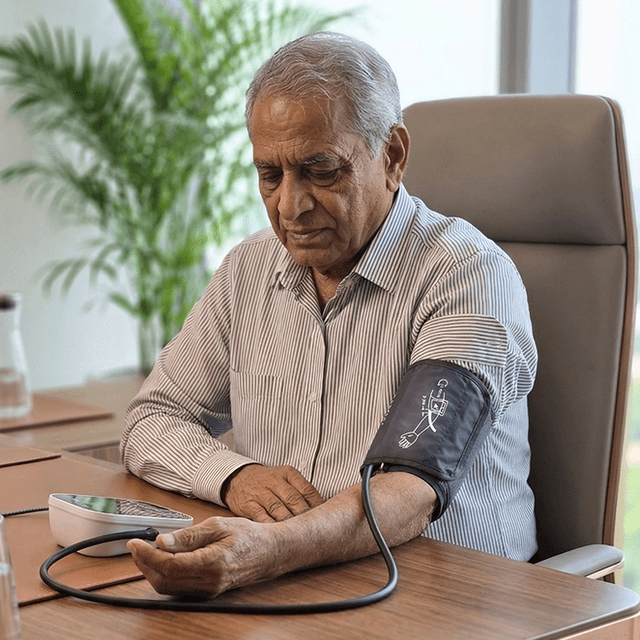
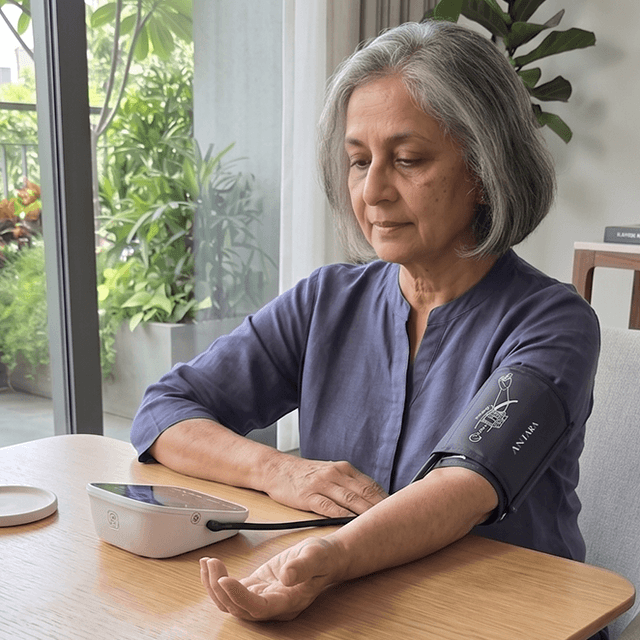
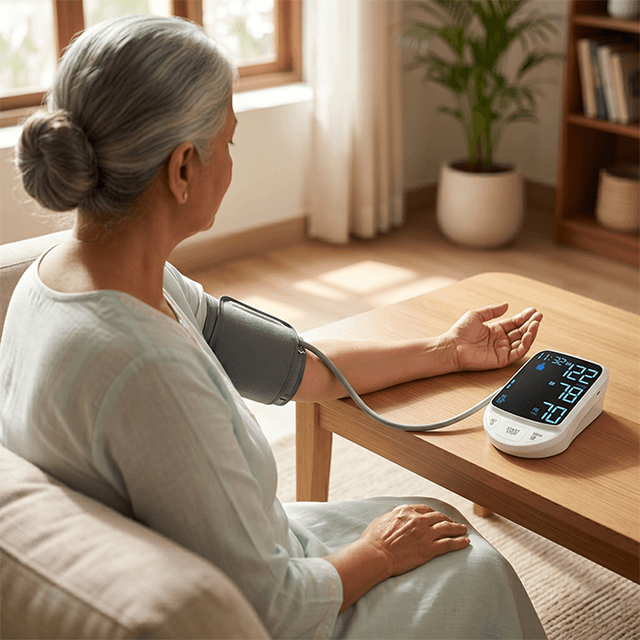
Continuous monitoring provides families with a better understanding than sporadic visits to the doctor's office. A good blood pressure monitor for seniors, like the AGEasy Arm BP Monitor, allows the user to take daily readings of systolic and diastolic pressure while sitting comfortably in an armchair or bed. Daily readings, especially when taken at a consistent time, will show if an elevated reading is a passing number or a legitimate trend that should be reported to their doctor.
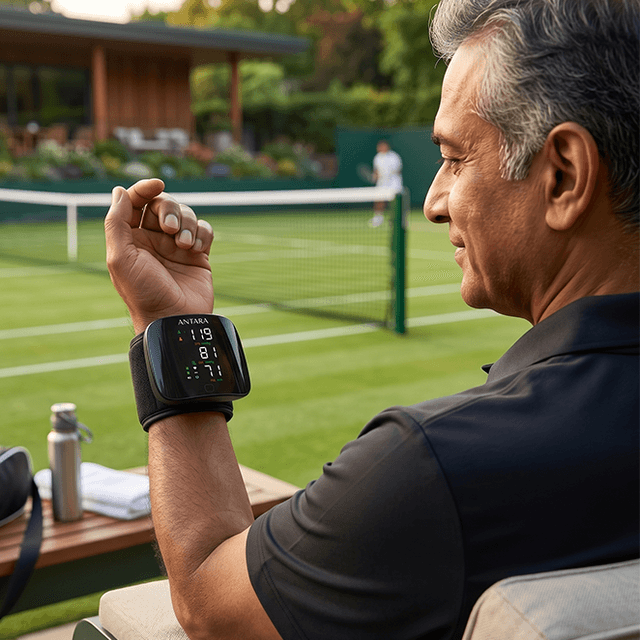
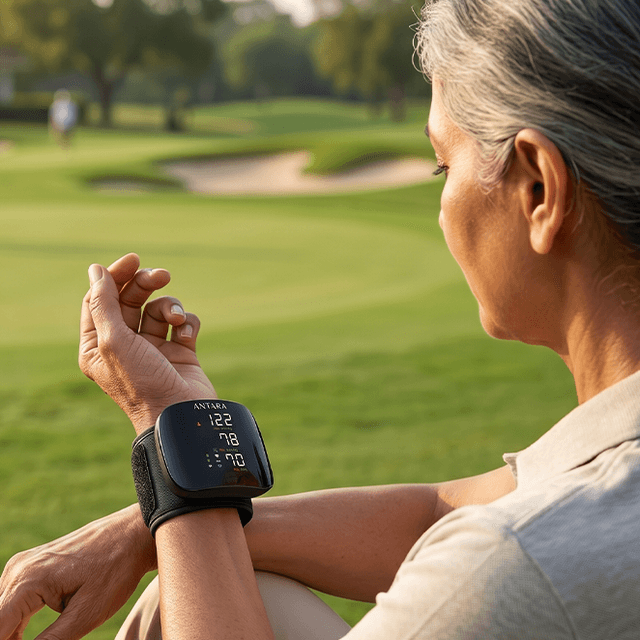
Seniors who may find using an arm cuff more challenging can use a wrist model, such as the AGEasy Wrist BP Monitor, as this option is lighter and more portable, and has one-touch operation and a voice function to announce the reading. Both devices have the capability to store multiple measurements, which allows you and her doctor to track data over time to find trends instead of being limited to the findings from one visit.
What Makes a Reading Worth a Doctor's Attention
It is all about context. Answers to a few questions can help determine if a reading justifies a call.
- Does she have diabetes, kidney disease or any history of heart problems? These conditions lower the bar for how serious a reading has to be.
- Has the number gone up slowly over the past weeks or months? A slow and steady increase is more concerning than a single high reading.
- Is she currently taking any blood pressure medications? If yes, a high reading could mean the dosage needs to be adjusted so the medication isn't working.
- Is this reading by itself or does it fit into a pattern with readings taken at home? One number carries less weight than multiple readings taken over several days.
Answering these questions allows one data point to become actionable information for a doctor.
How Home Monitoring Supports Better Conversations With Her Doctor
When doctors make treatment decisions, they go beyond what they see at the office. A log of home blood pressure readings, captured consistently over two or three weeks, will provide the doctor with genuine information to work with, rather than a single isolated number that may or may not represent her usual blood pressure.
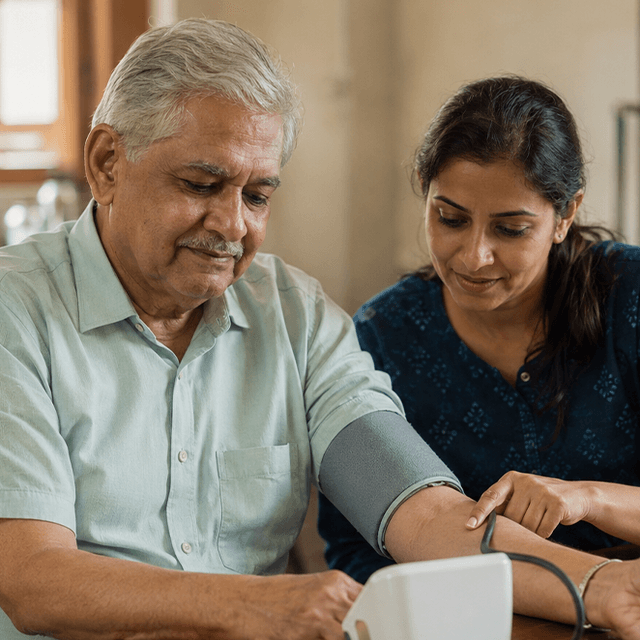
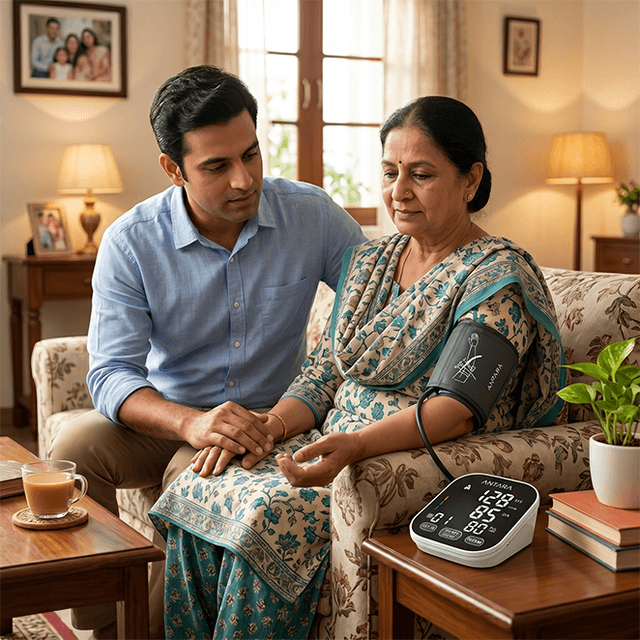
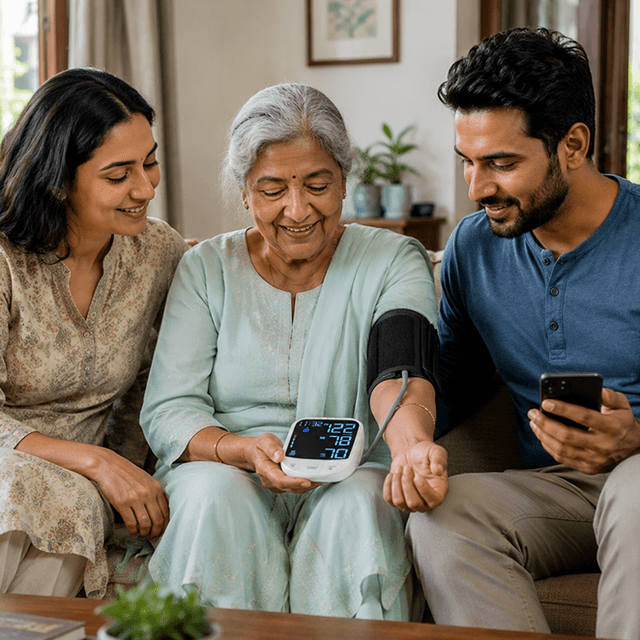
The AGEasy One Touch Digital BP Monitor stores and tracks the blood pressure readings of up to two users. Both parents can use the same device to track their blood pressure and then bring the log to her next appointment. It helps the doctor determine if the current treatment plan needs to be adjusted by showing trends and flagging irregular days.
Reporting blood pressure readings on a regular basis increases a family's confidence in the accuracy of the device. No longer do family members have to wonder if the reading is "just her age".
What Families Can Do Starting Today
- Establish a consistent routine for monitoring BP at home. Aim to take readings at the same time every day. Morning readings should be taken before coffee and evening readings should be taken before bed.
- Let her choose a monitor that she feels is the least cumbersome. While arm cuff devices have the best accuracy, individuals may find wrist devices easier to position.
- Keep a simple log of each reading, noting the date and time. Many digital monitors store this information automatically, which eliminates the need for paper logs.
- Share this log with her doctor at every appointment instead of relying on one clinic reading to reflect her overall health.
- Look for patterns and avoid focusing on individual readings. Is there a steady increase over a period of weeks? This is more important than one reading that spiked during a stressful morning.
When to See a Doctor
If home readings are 140/90 or higher, she should contact her doctor without delay. This is especially true if she has readings this high and experiences dizziness, chest pain, or blurred vision, or if she has a reading that shoots up significantly higher than her usual readings.
By itself, one high number typically does not equate to an emergency, but if there is a high number and consistent symptoms, there is a cause to be evaluated as opposed to waiting to see.
Recommended Blogs



You May Also Like
 No products found
Article by:

Aisha
Article Category:
BP Monitors & Other Devices